19 Sep

Humane Raccoon Removal, Disinfection, and Shed Exclusion in Toronto
Job Overview

Location: Toronto, Ontario
Structure: Two-story detached house with a backyard shed
Problem: Raccoon activity inside the shed
Service: Humane raccoon removal, disinfection, and exclusion
Visits: 2

Summary

Our team completed a two-visit raccoon removal project at a detached home in Toronto after a raccoon had been occupying a backyard shed for an extended period. Technician Richard safely removed the animal, confirmed that no young were present, cleaned and disinfected the contaminated area, and completed extensive exclusion work by securing approximately 35 feet of the shed soffit with galvanized steel mesh. A follow-up visit confirmed the shed remained free of wildlife activity.

Background / Property Context

The property included a detached backyard shed that had been used by a raccoon for shelter over an extended period. At the time of the initial inspection, the exact entry point was unknown, requiring a thorough assessment of the shed’s exterior and interior before removal and exclusion work could begin.

Customer Concern

The homeowner reported ongoing raccoon activity inside the shed and wanted the animal removed humanely, the contaminated area cleaned, and the structure secured against future wildlife entry.

Inspection & Findings

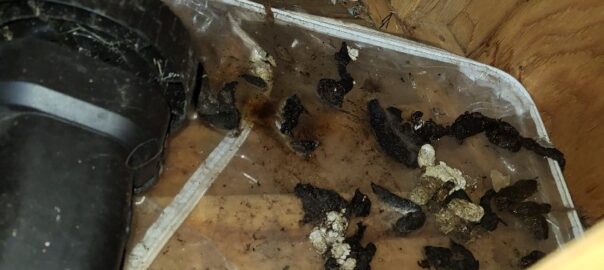
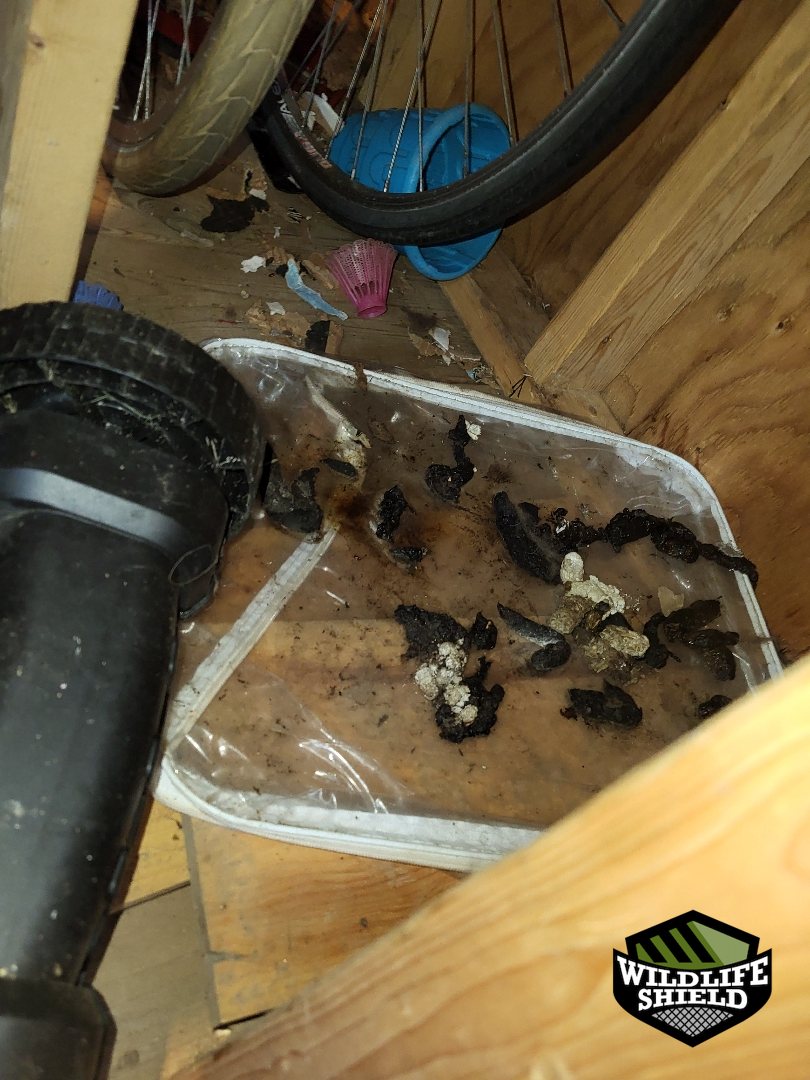
During the initial inspection, Richard located the raccoon inside the shed and confirmed significant accumulations of raccoon droppings. A careful inspection for dependent young was completed, and none were found.

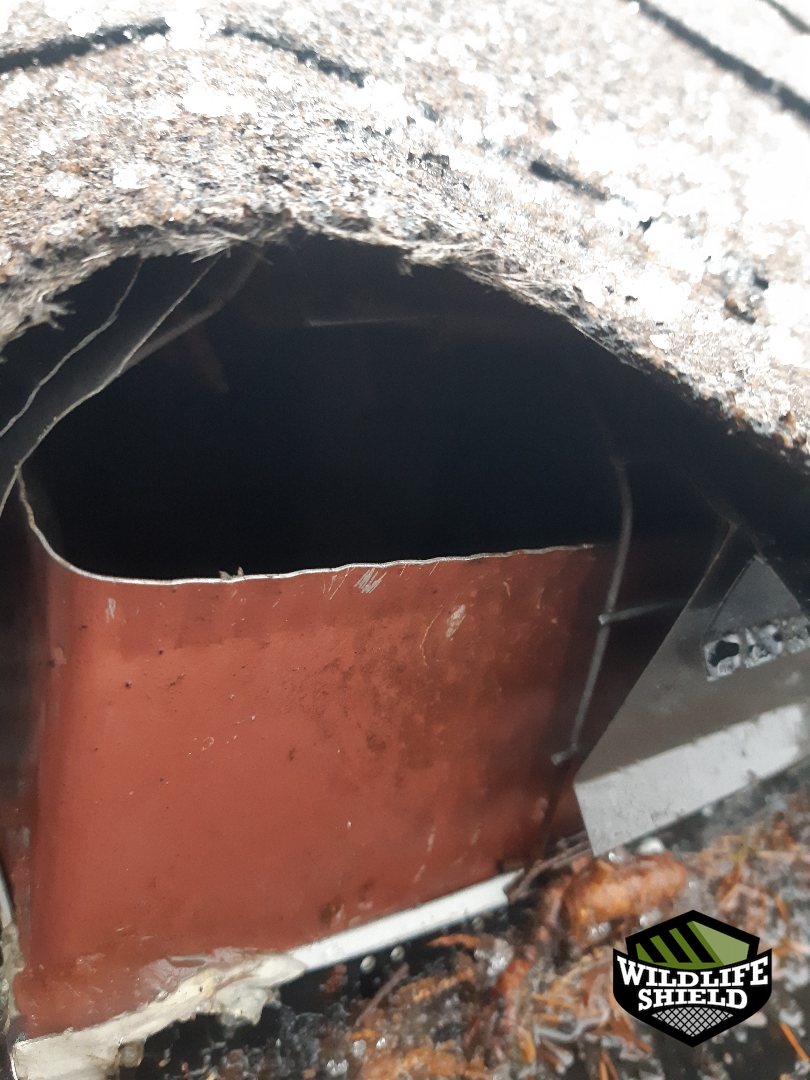
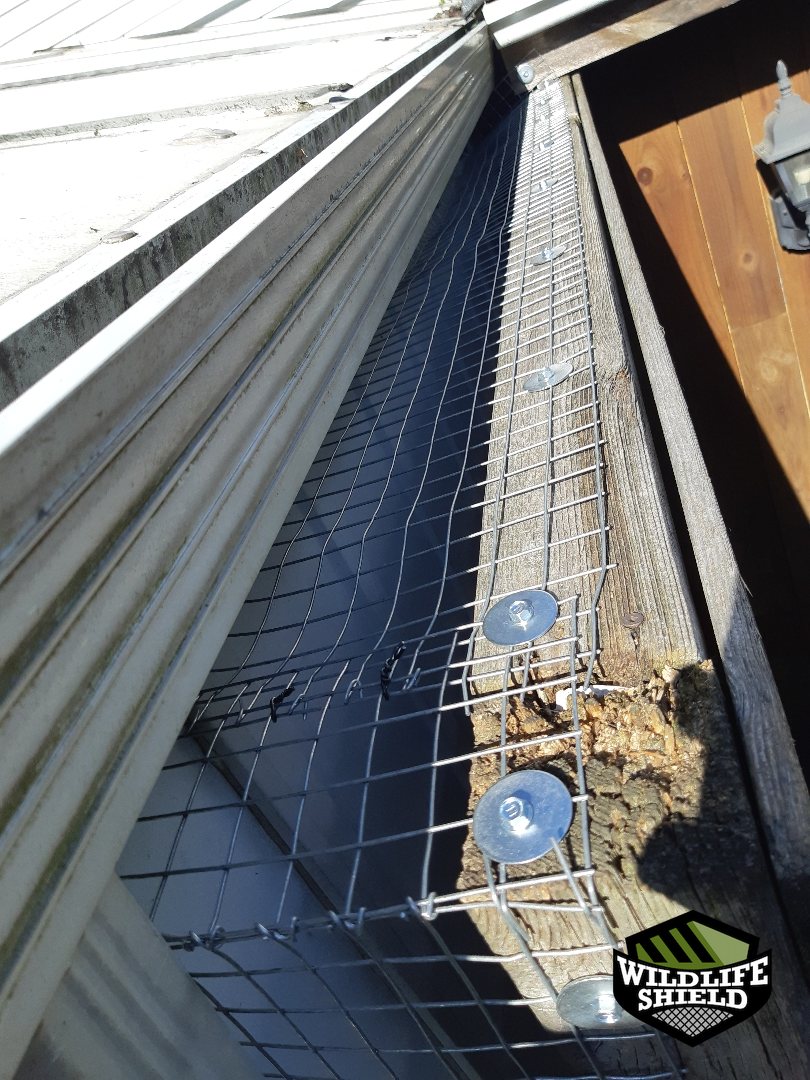
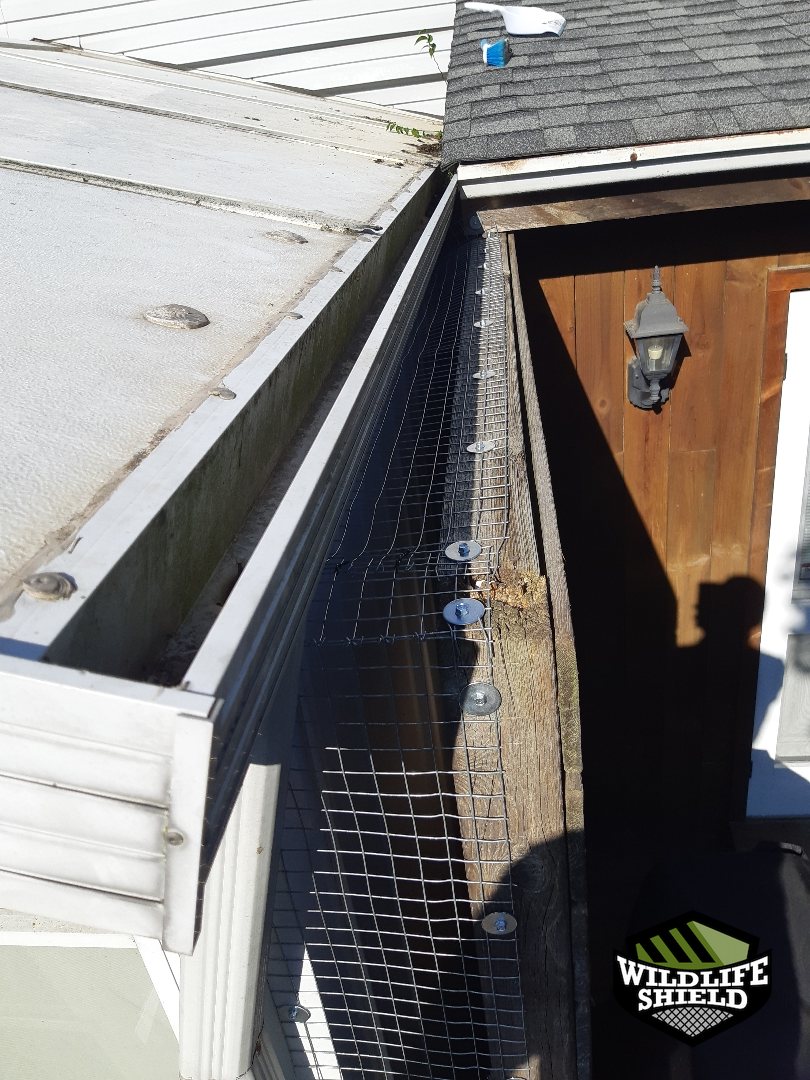
The inspection also identified the access point used to enter the shed. Following removal, approximately 35 feet of the shed soffit required exclusion to eliminate access along the roofline.

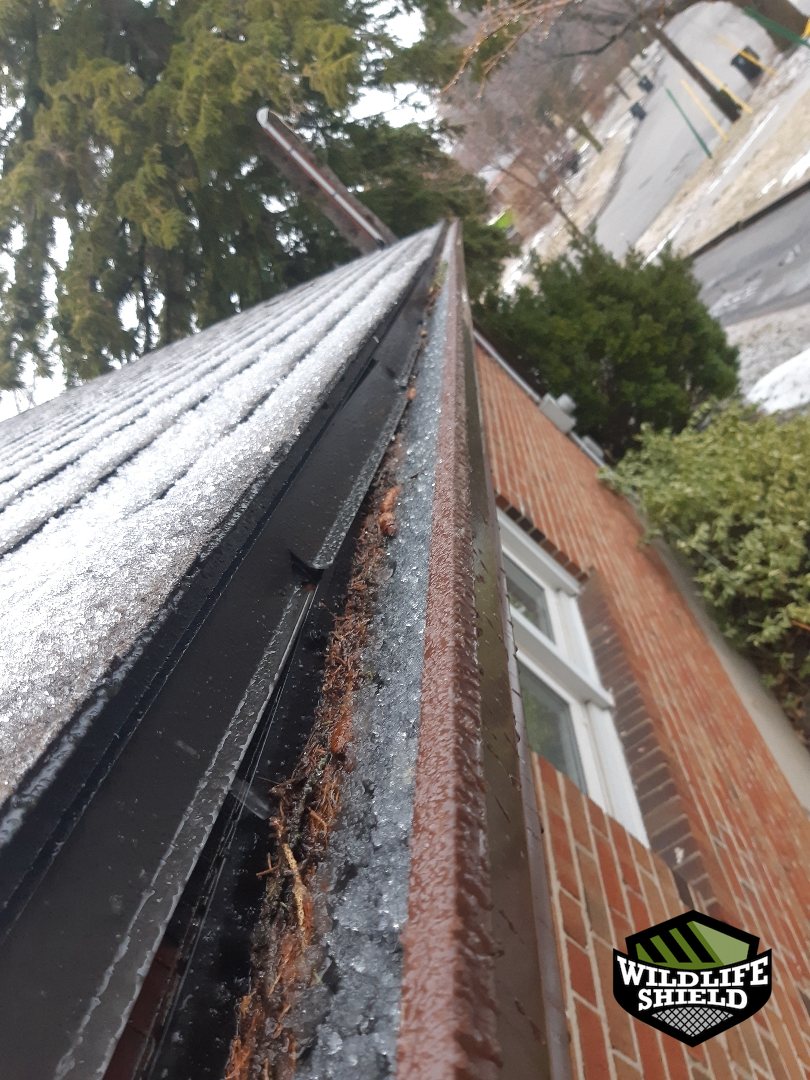
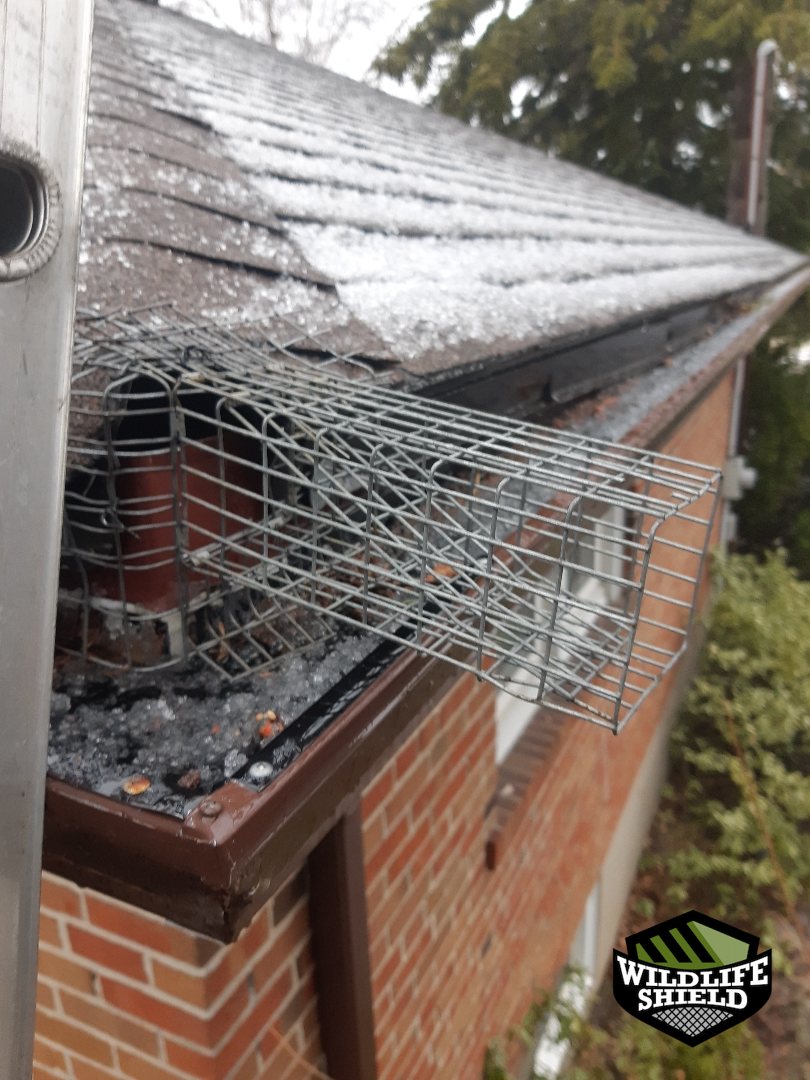
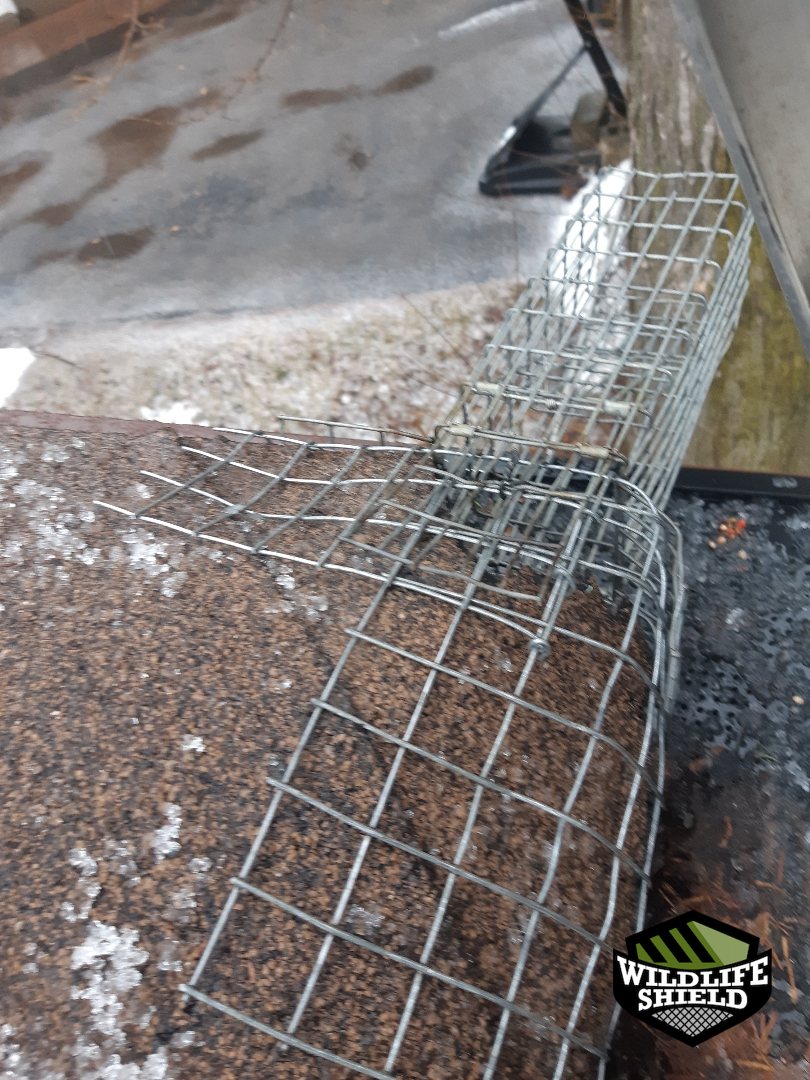
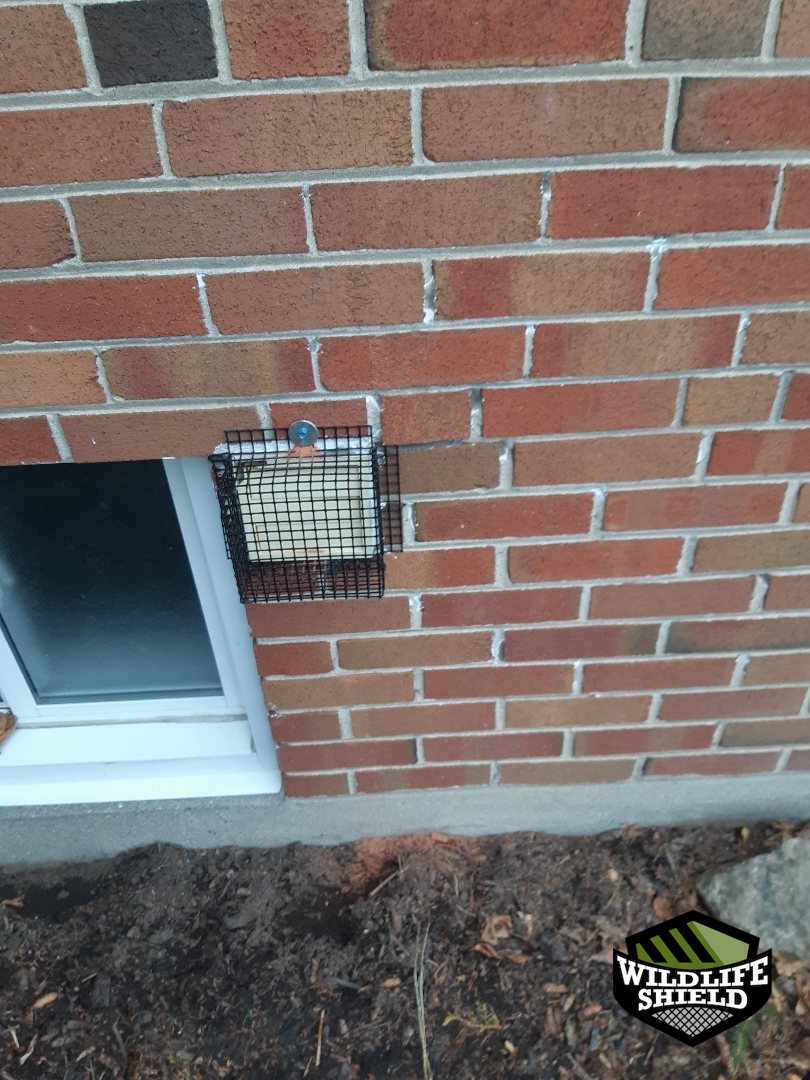
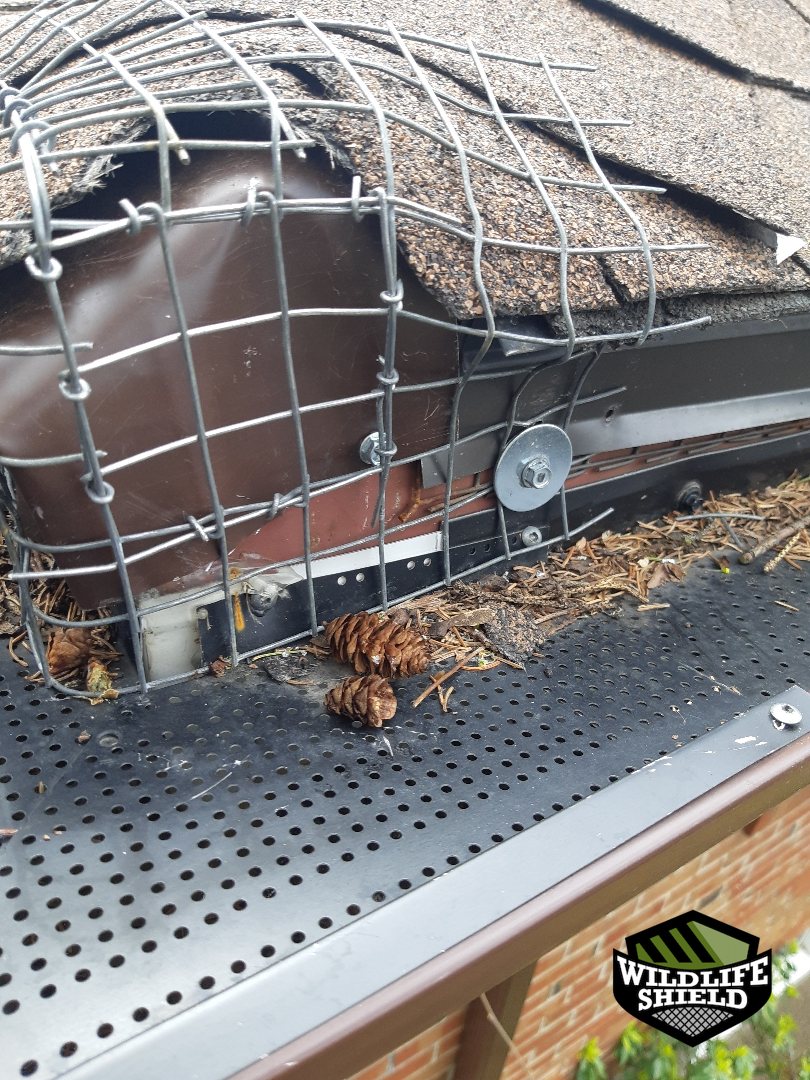
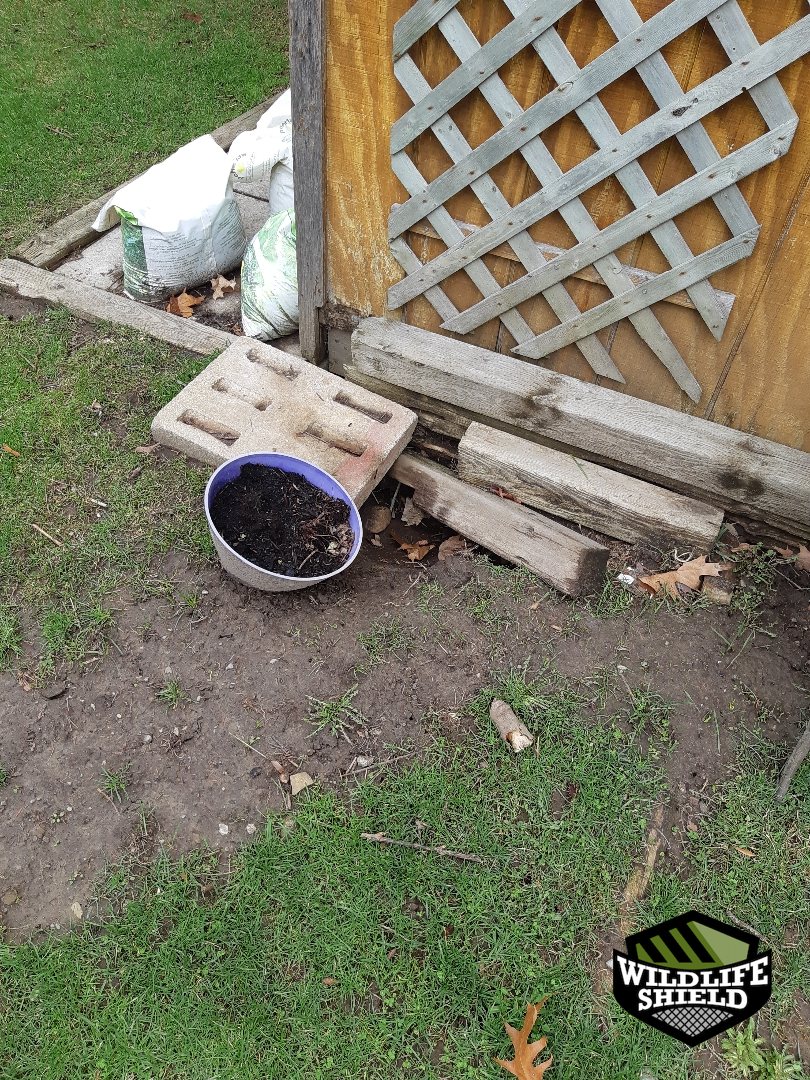
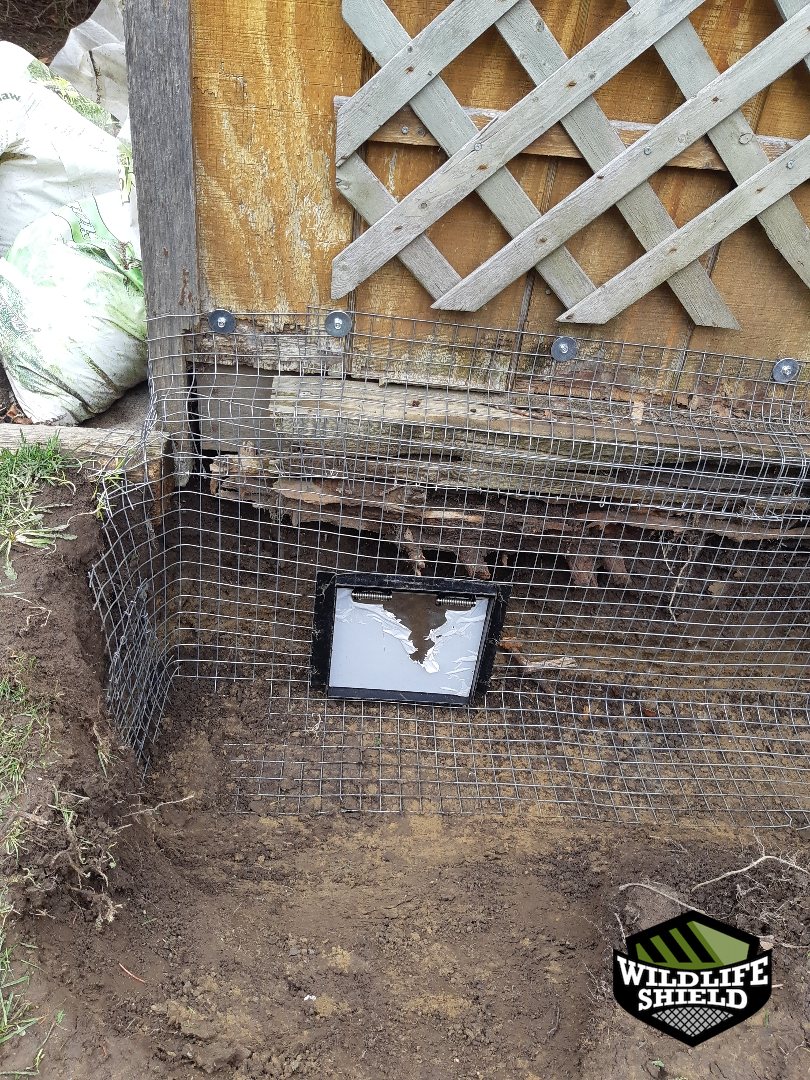
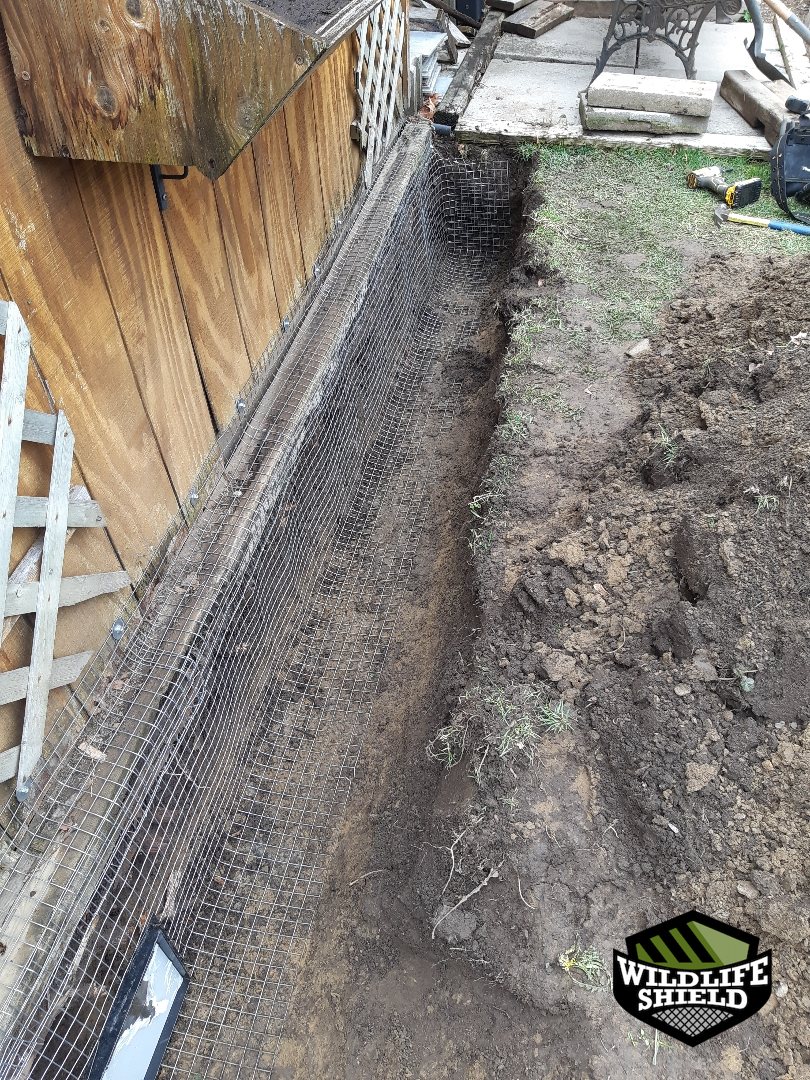
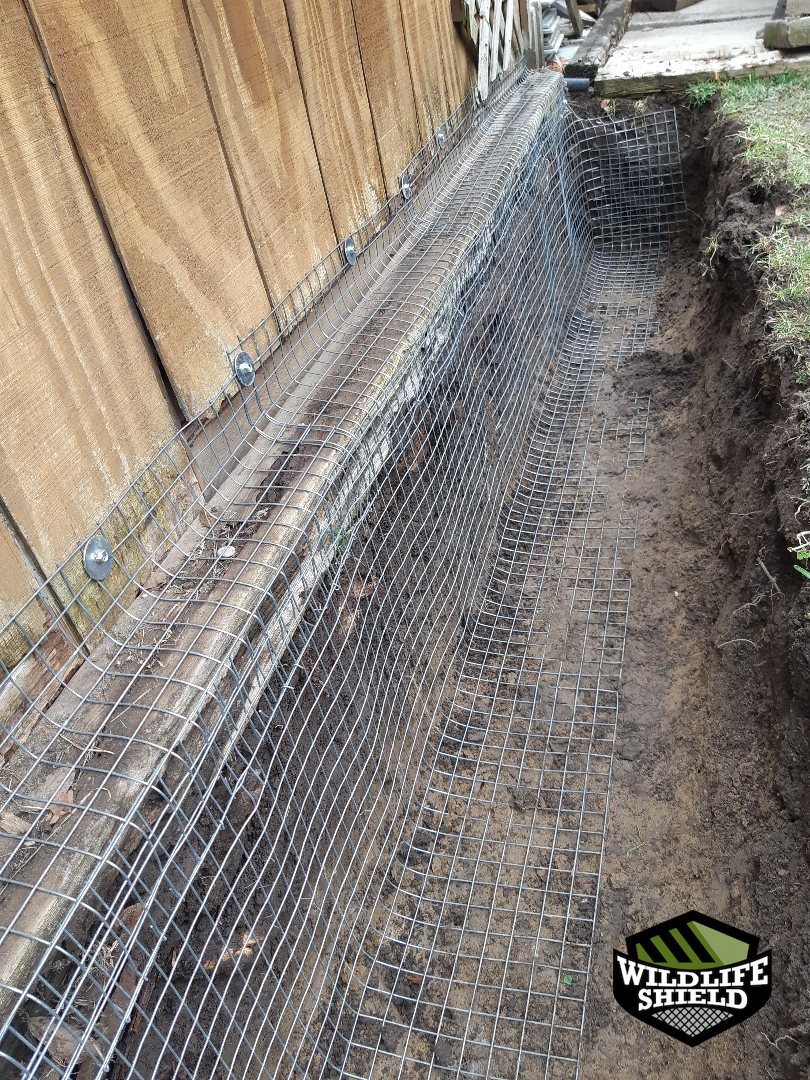
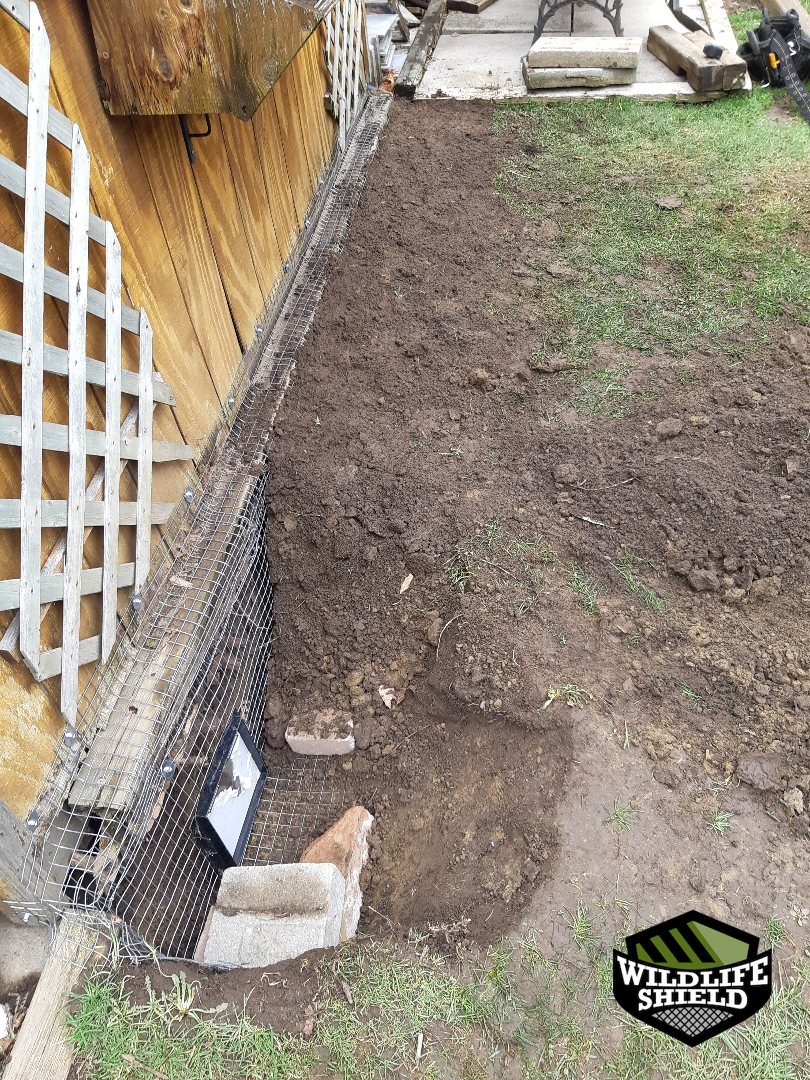
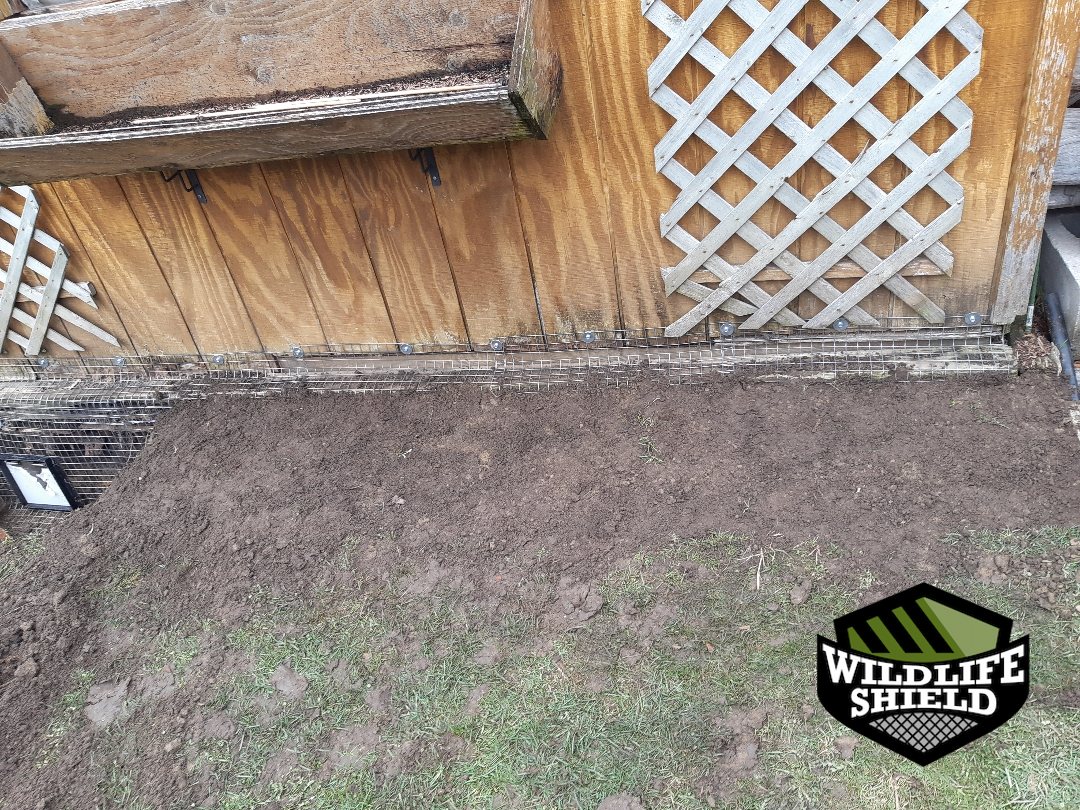
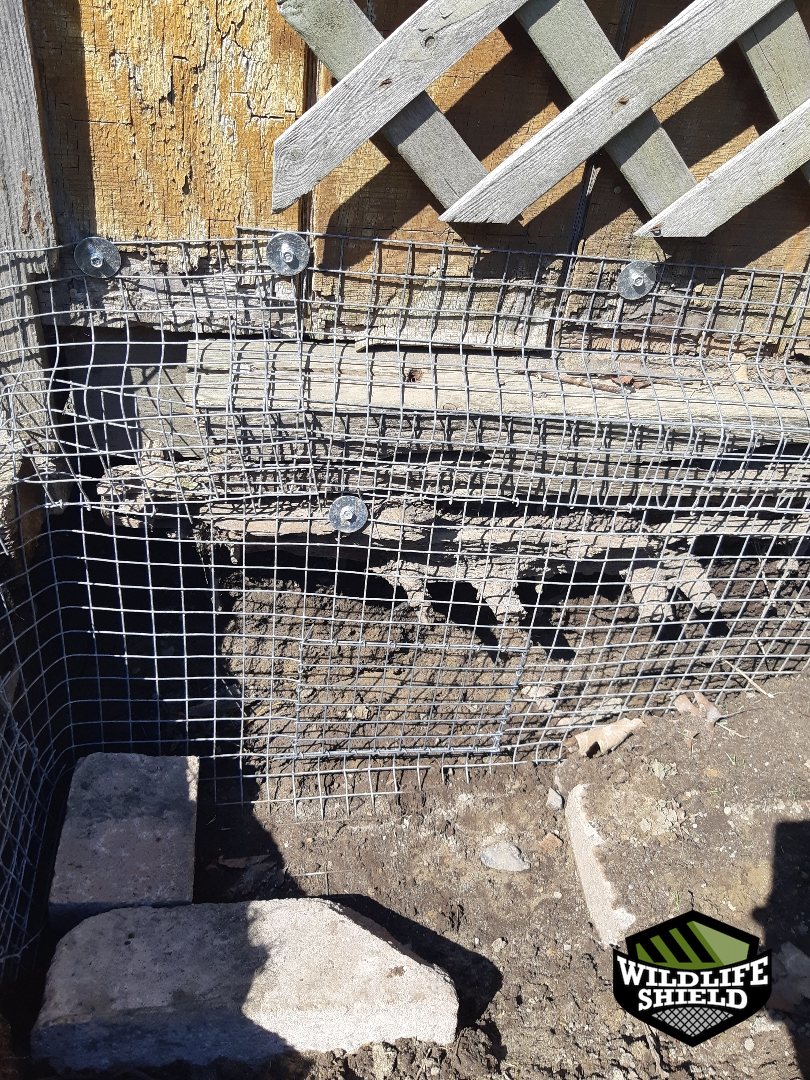
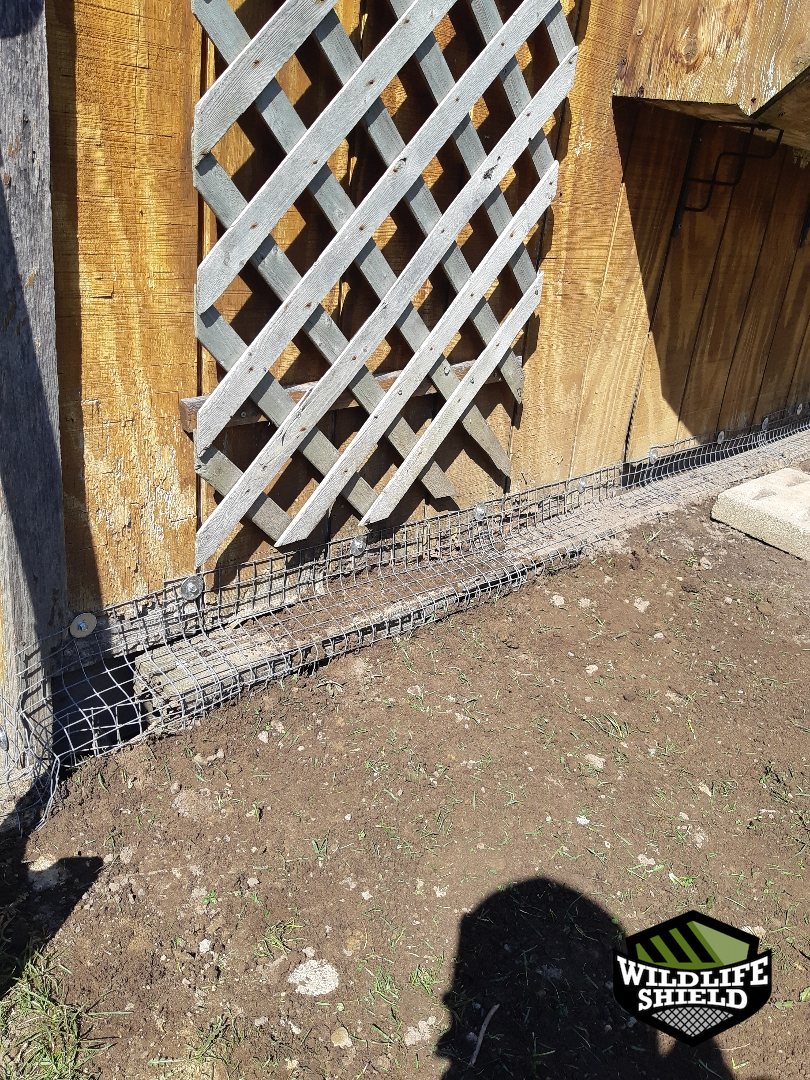
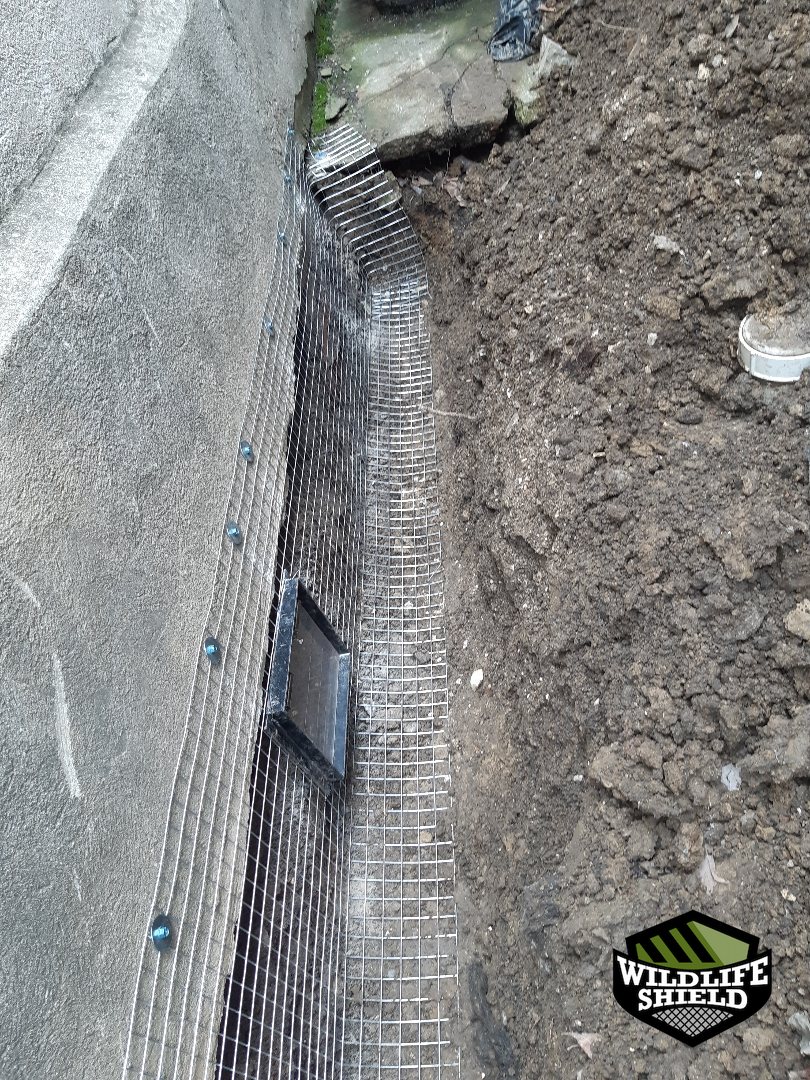
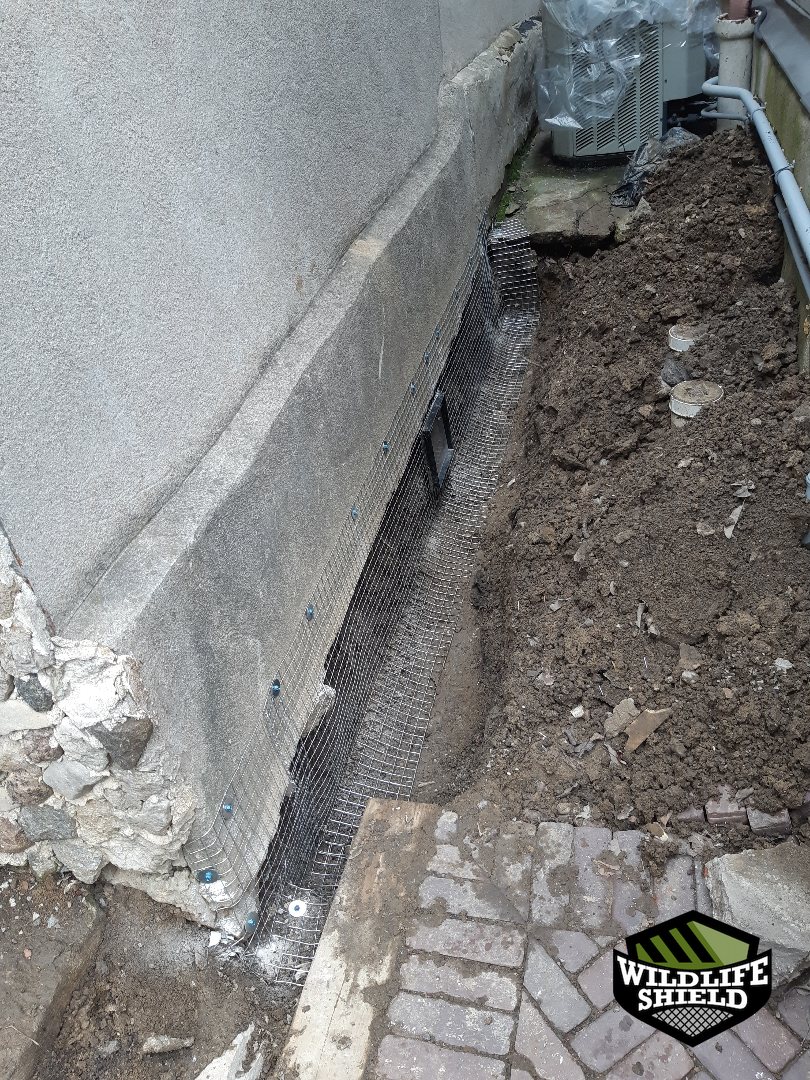
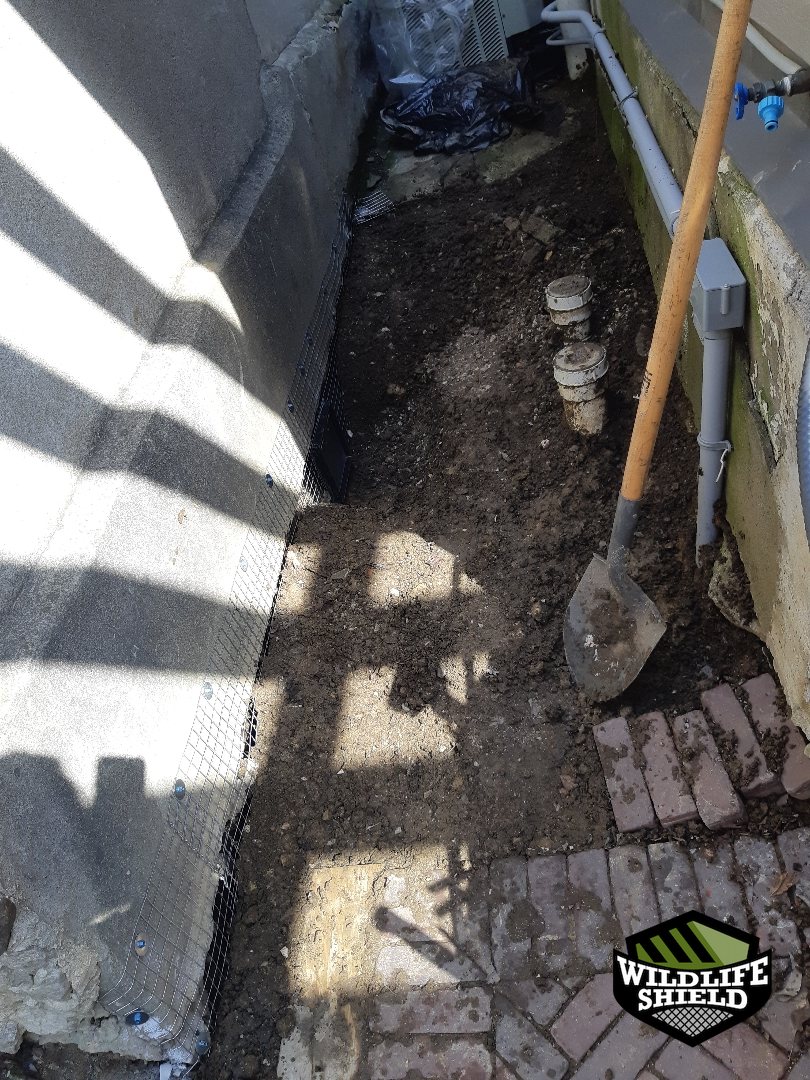
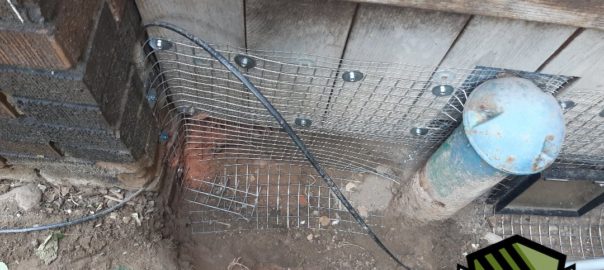
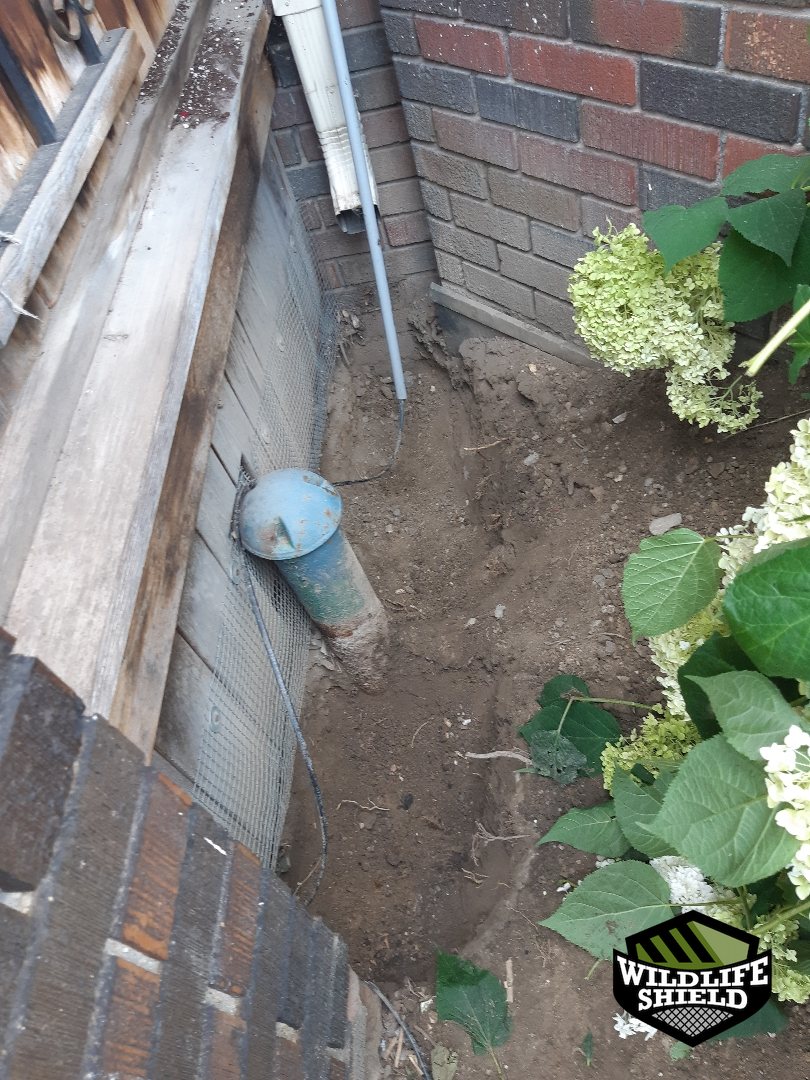
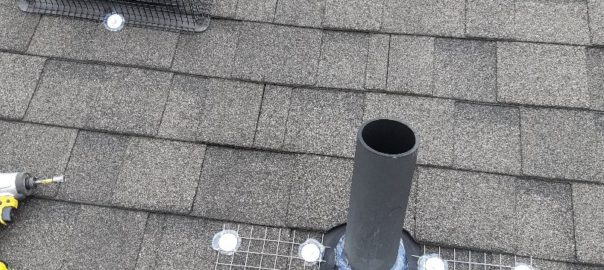
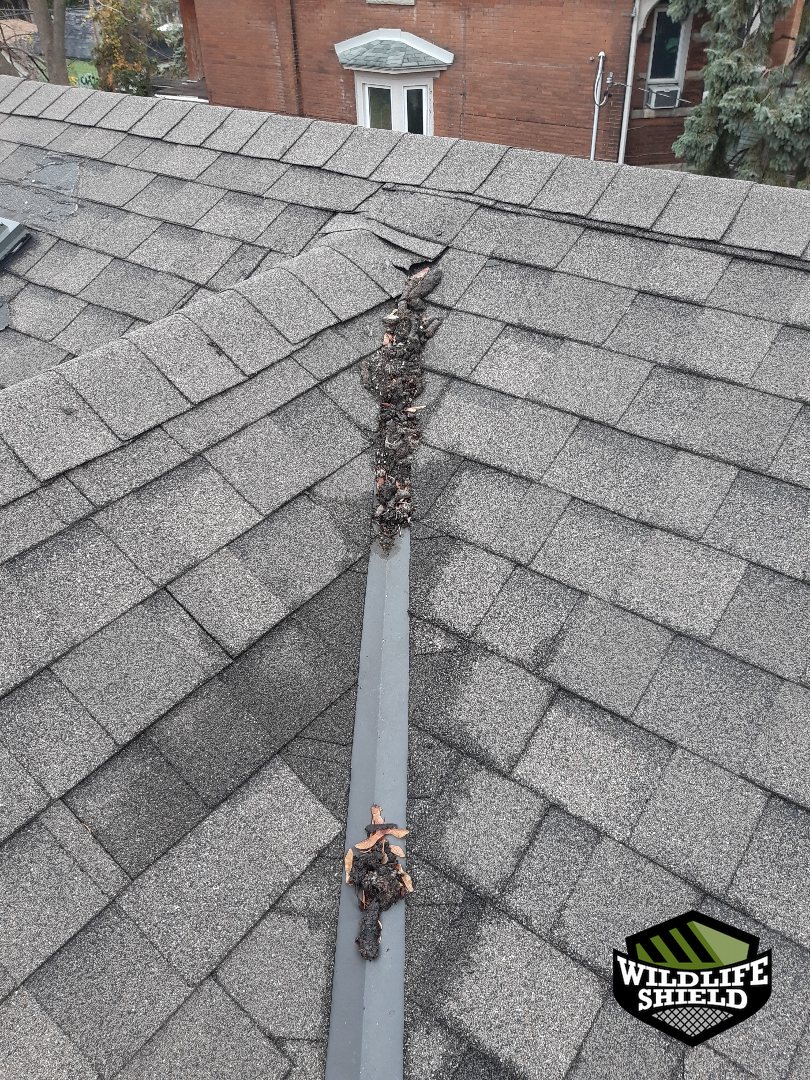
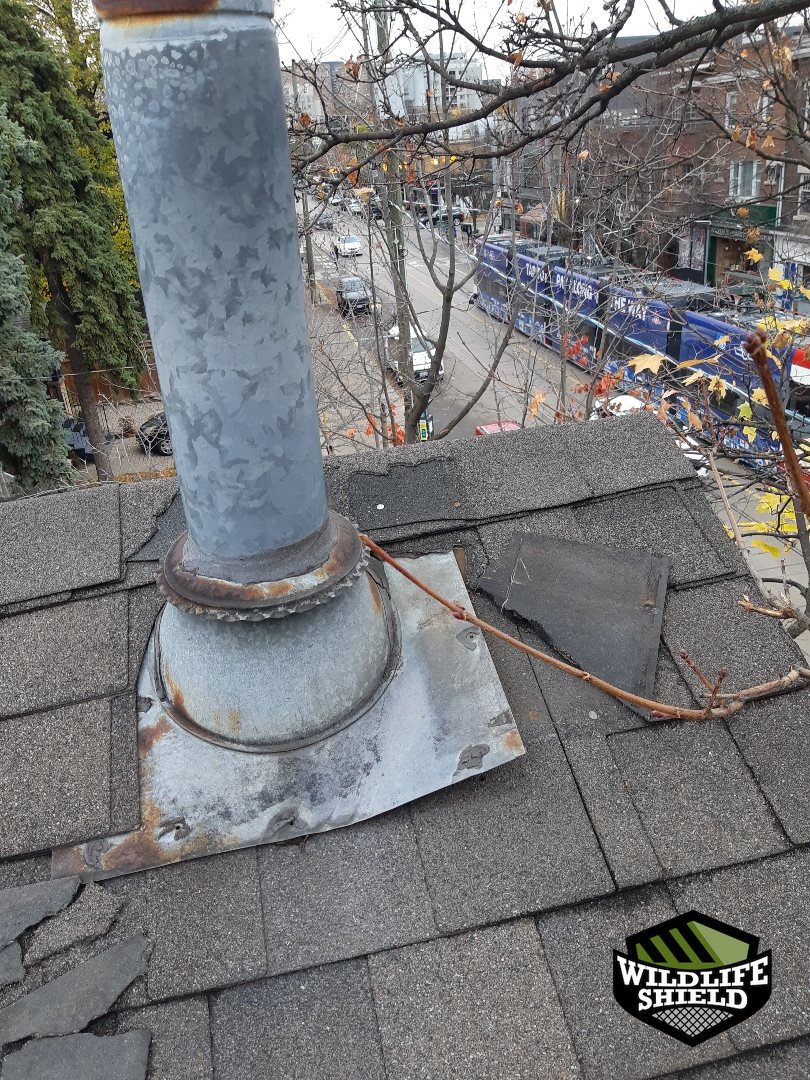
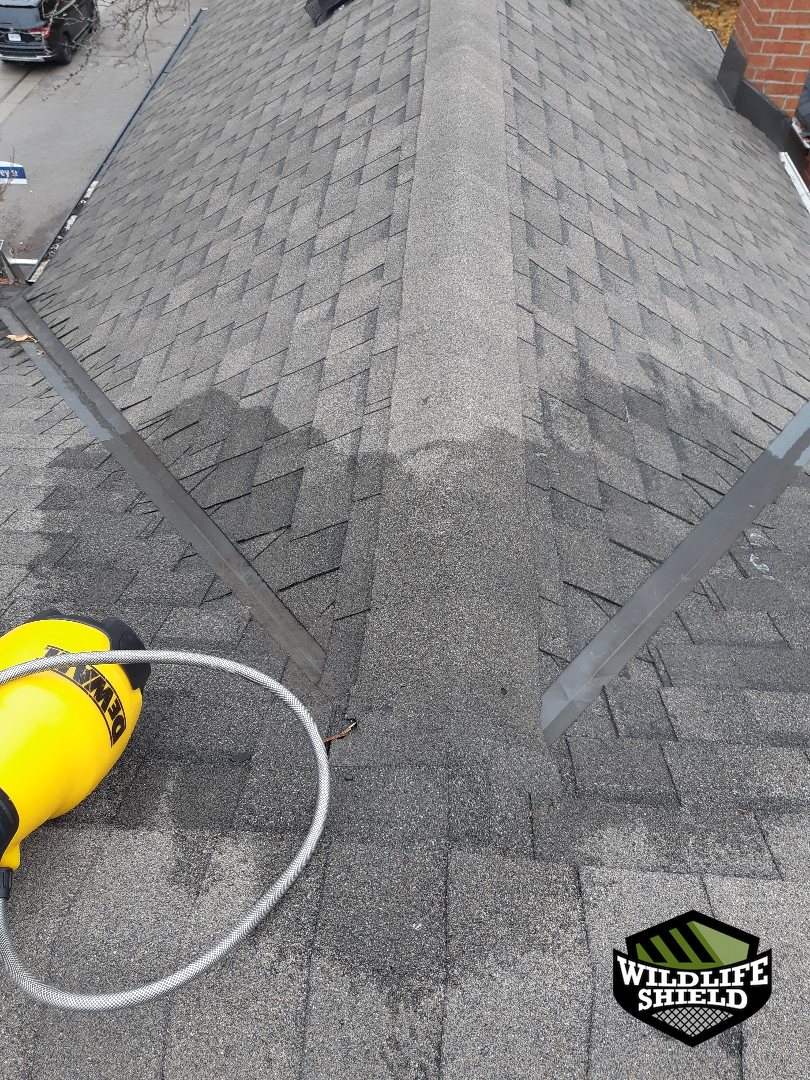
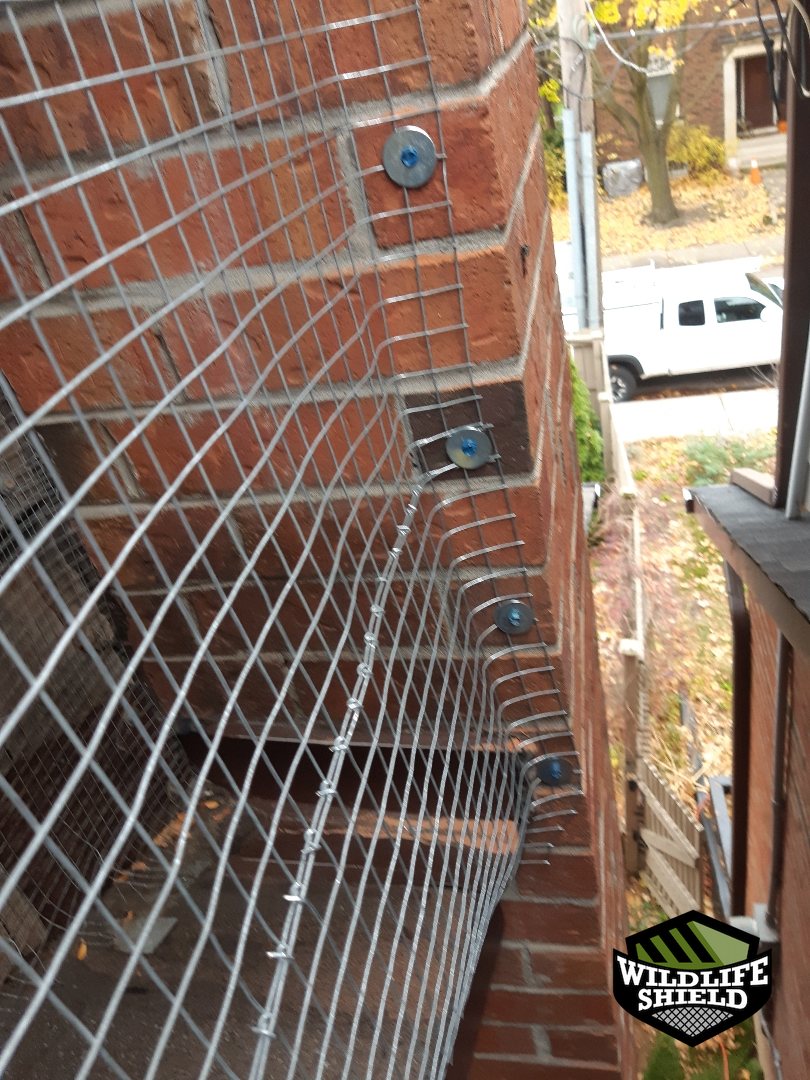
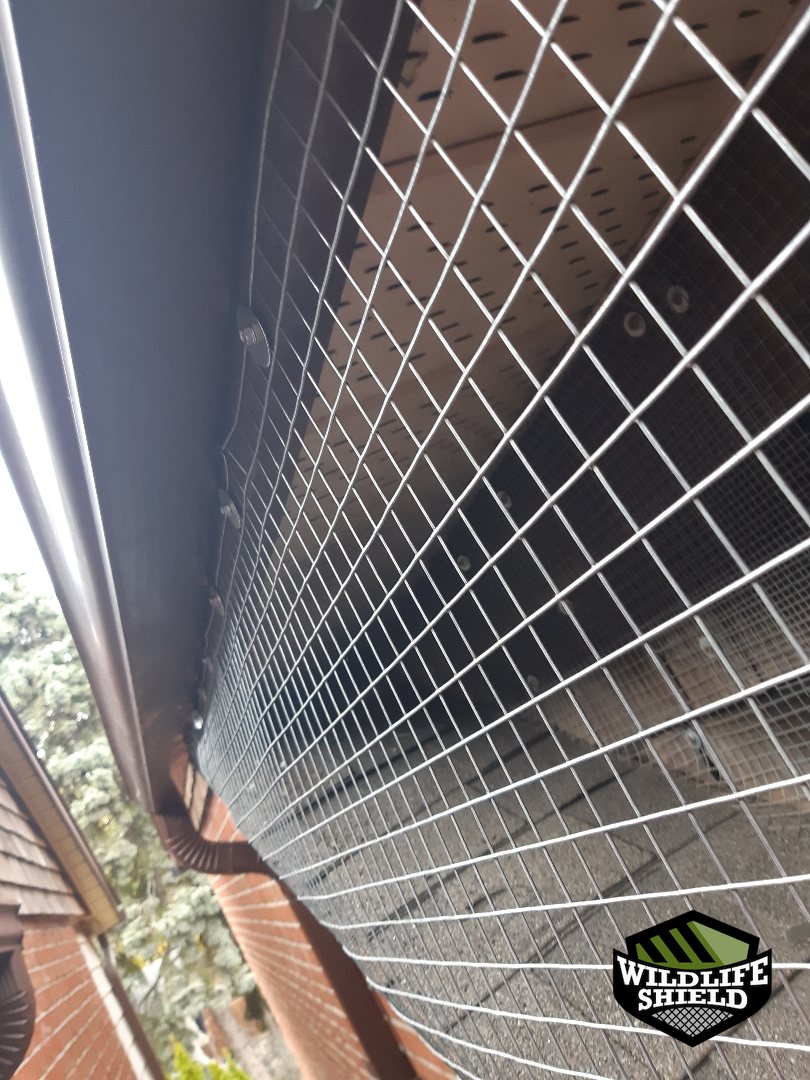
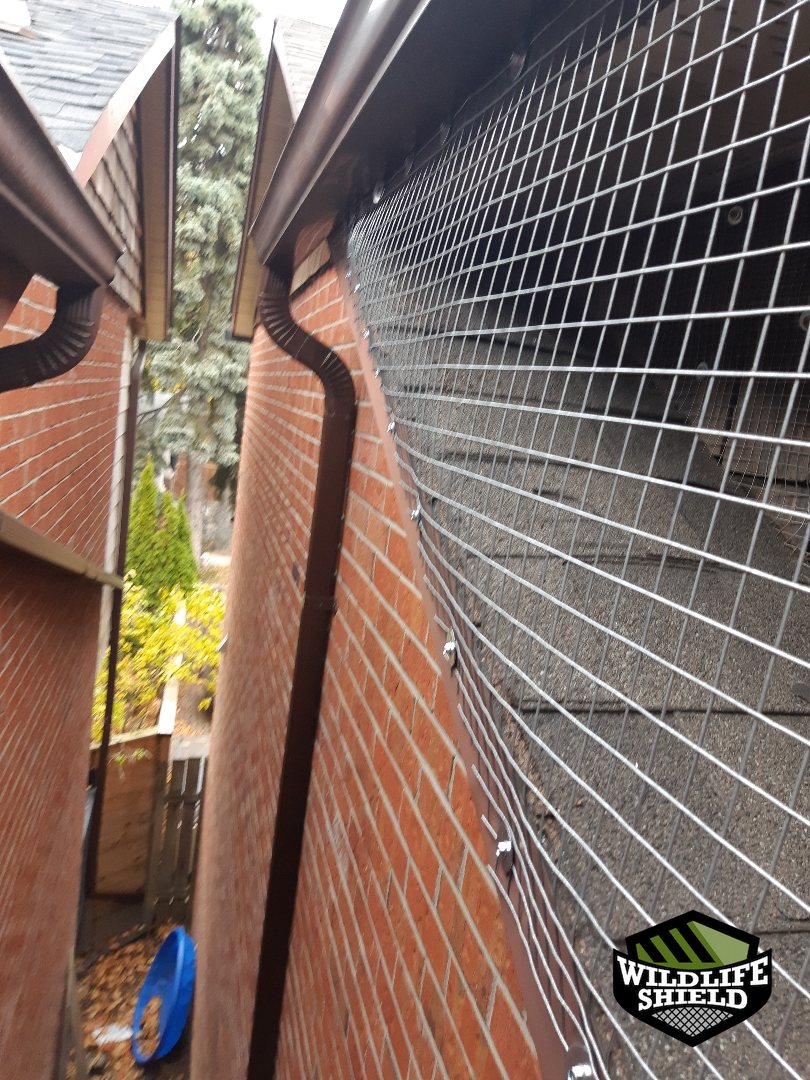
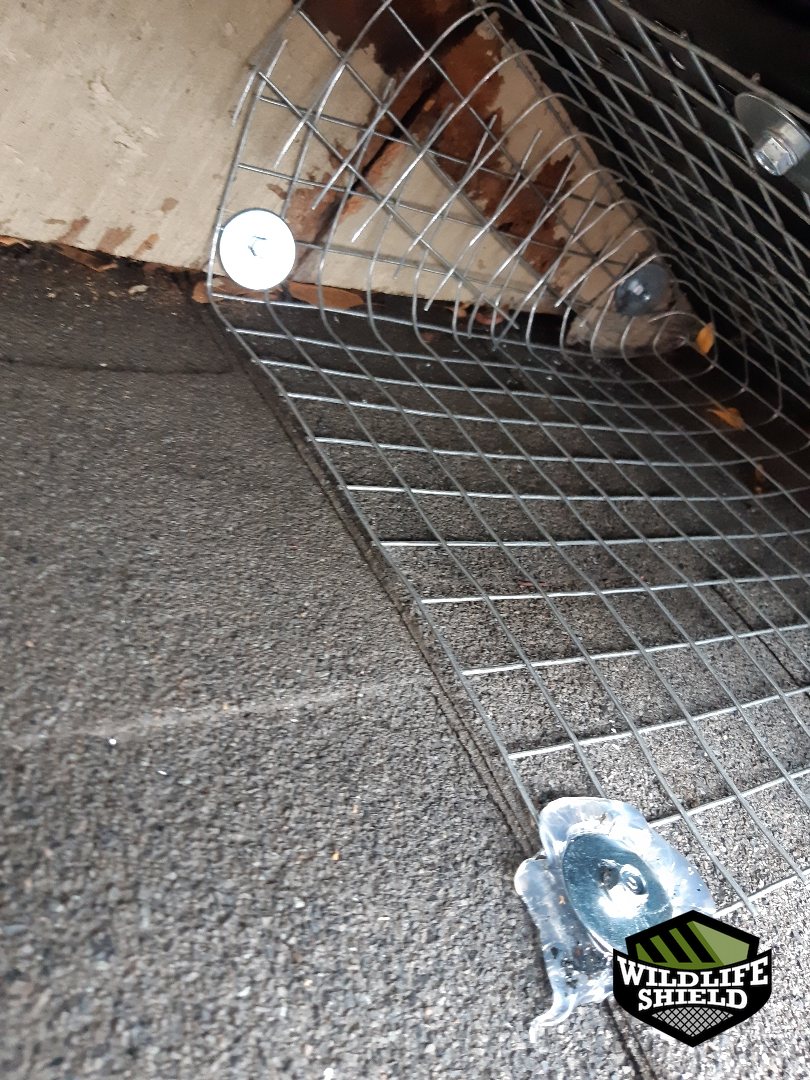
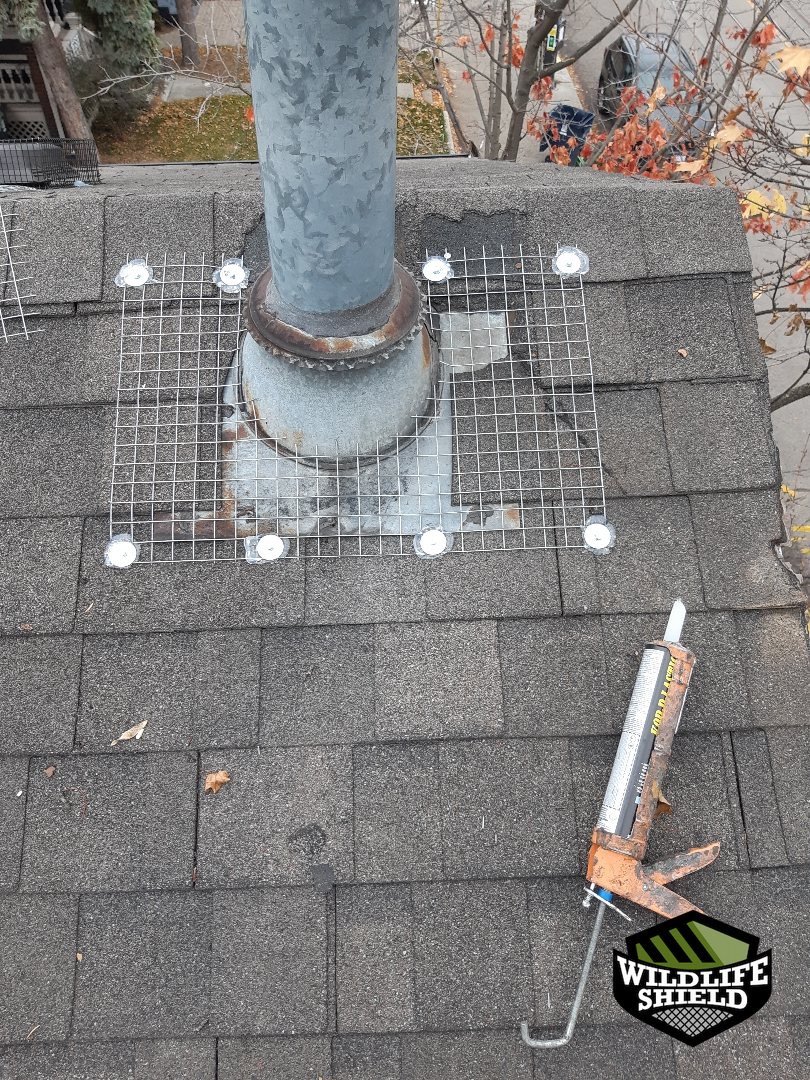
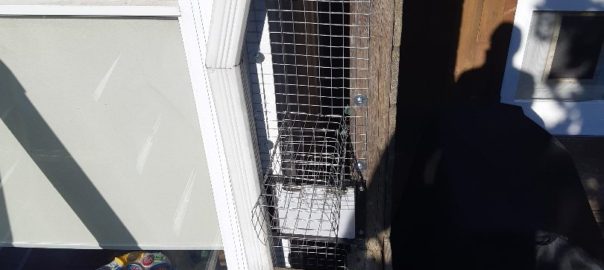
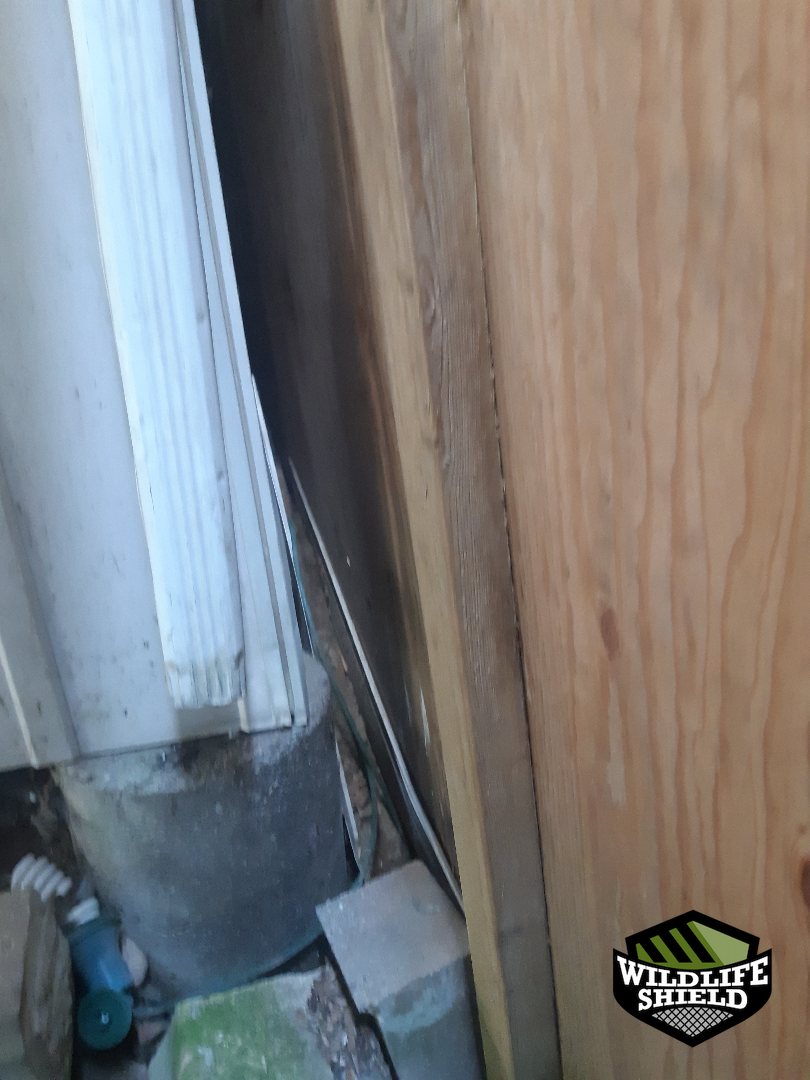
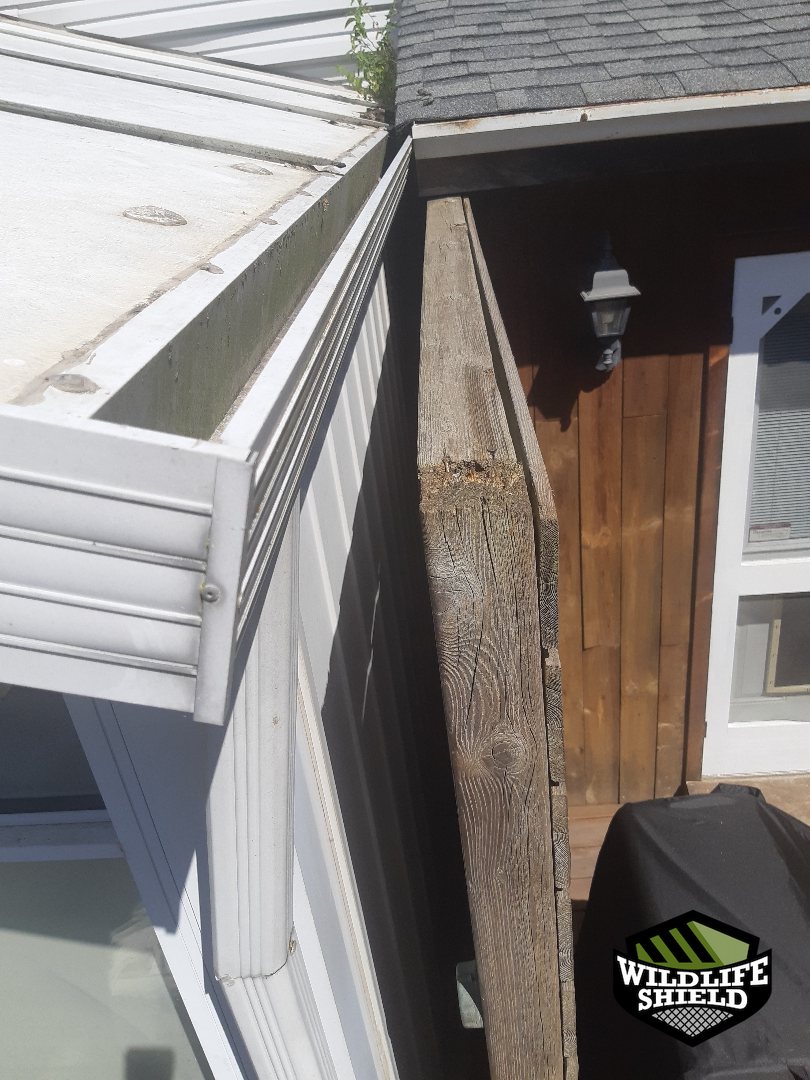
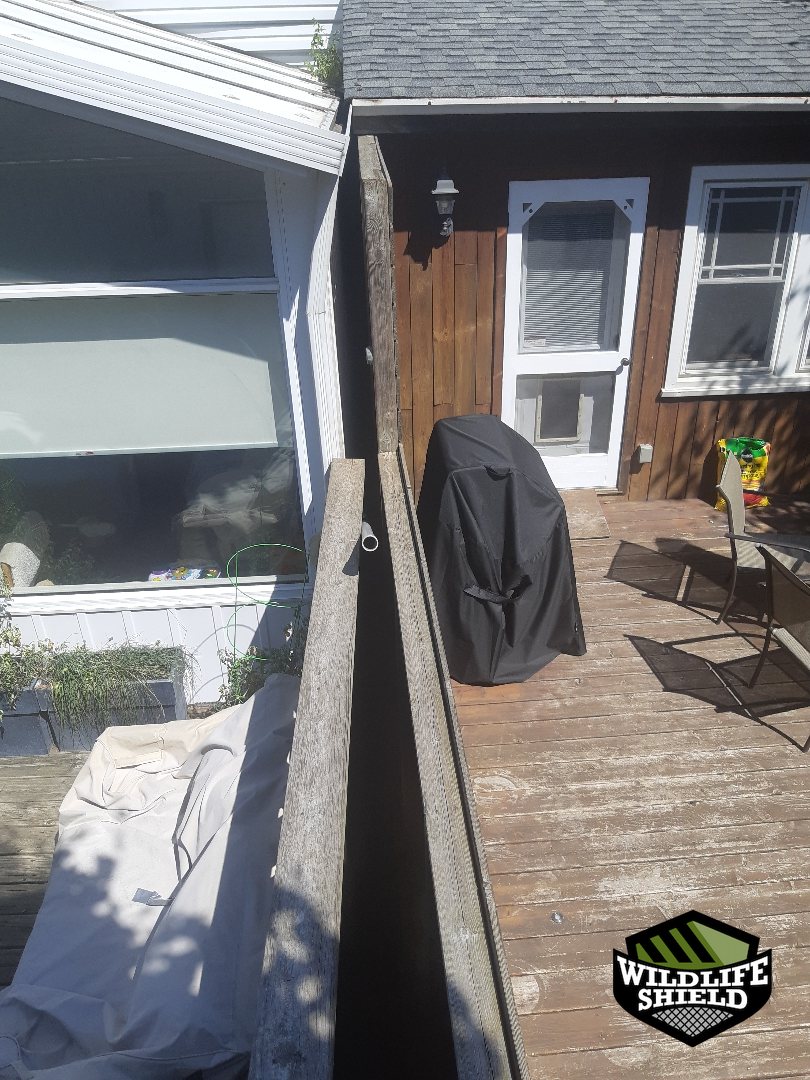
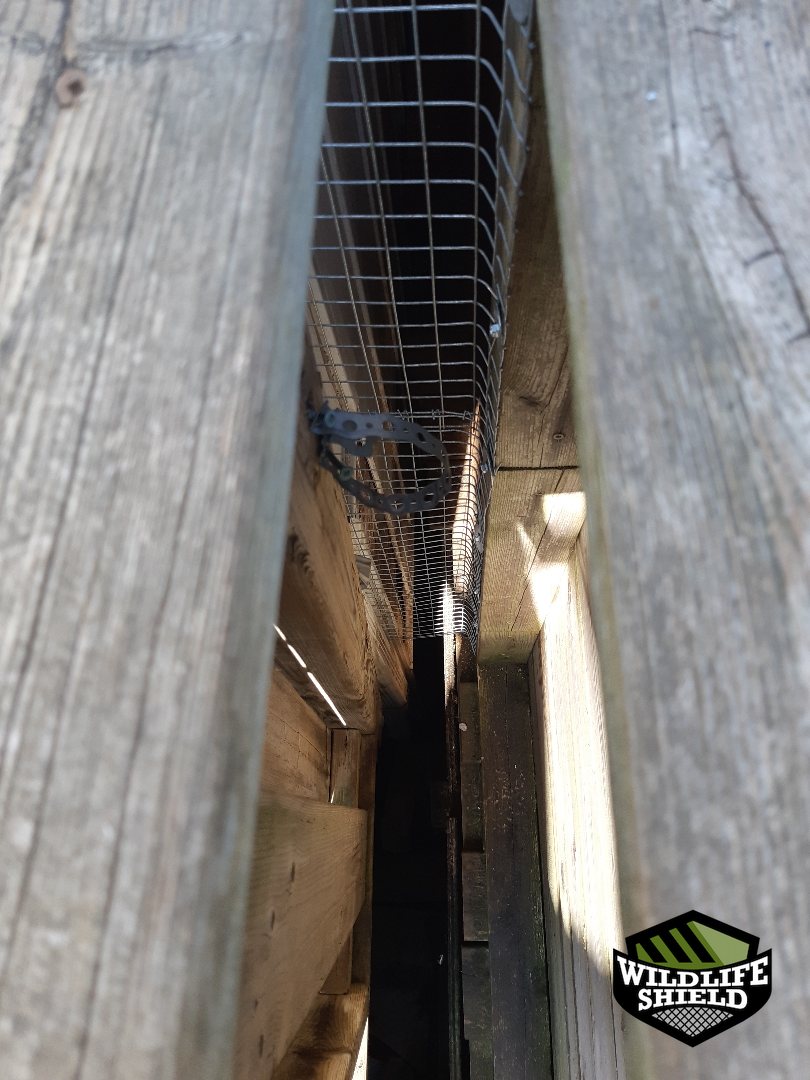
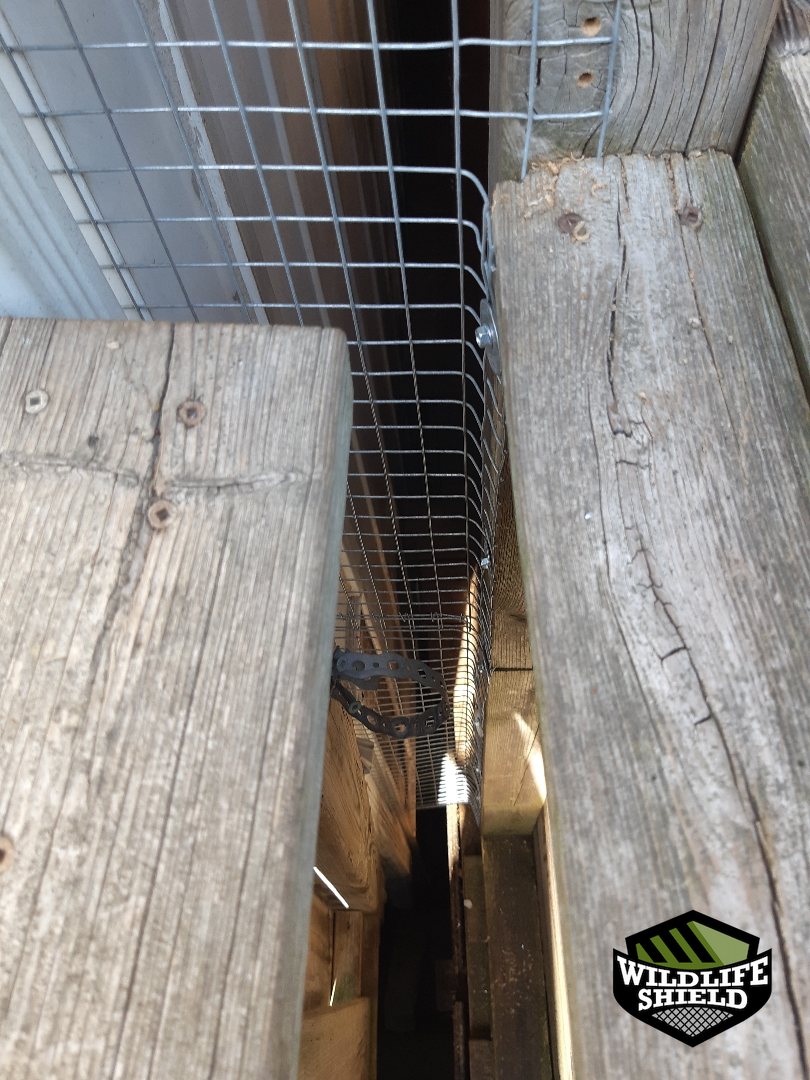
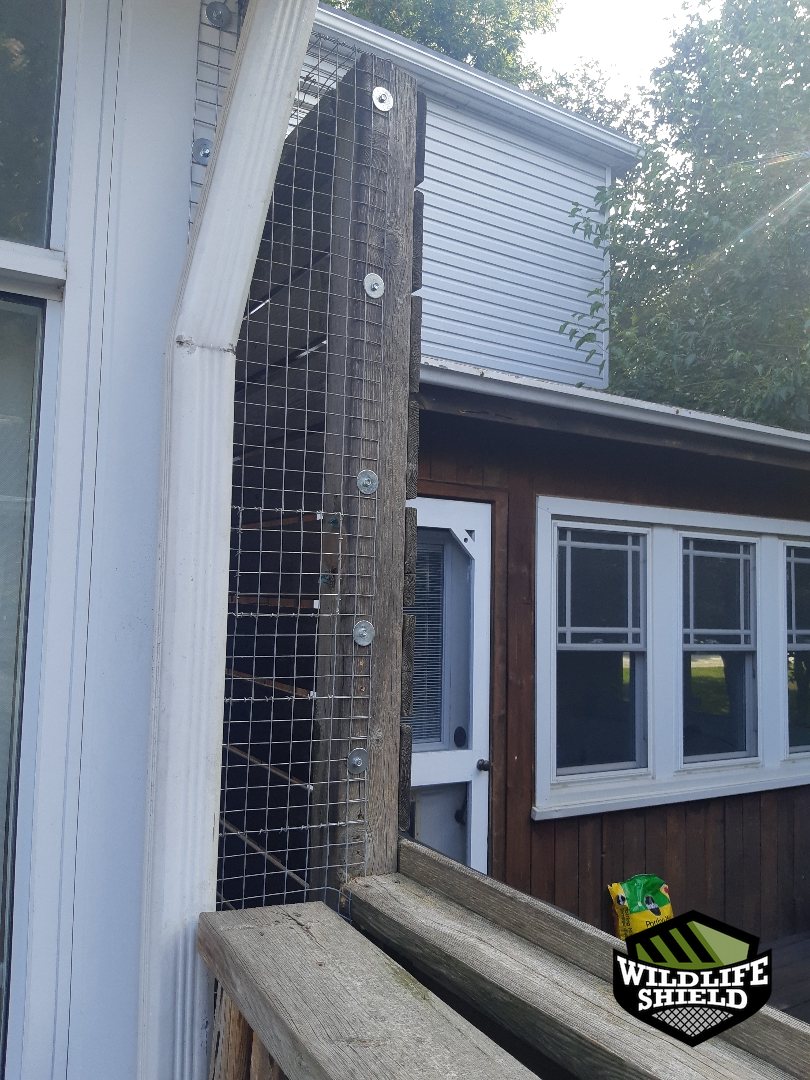
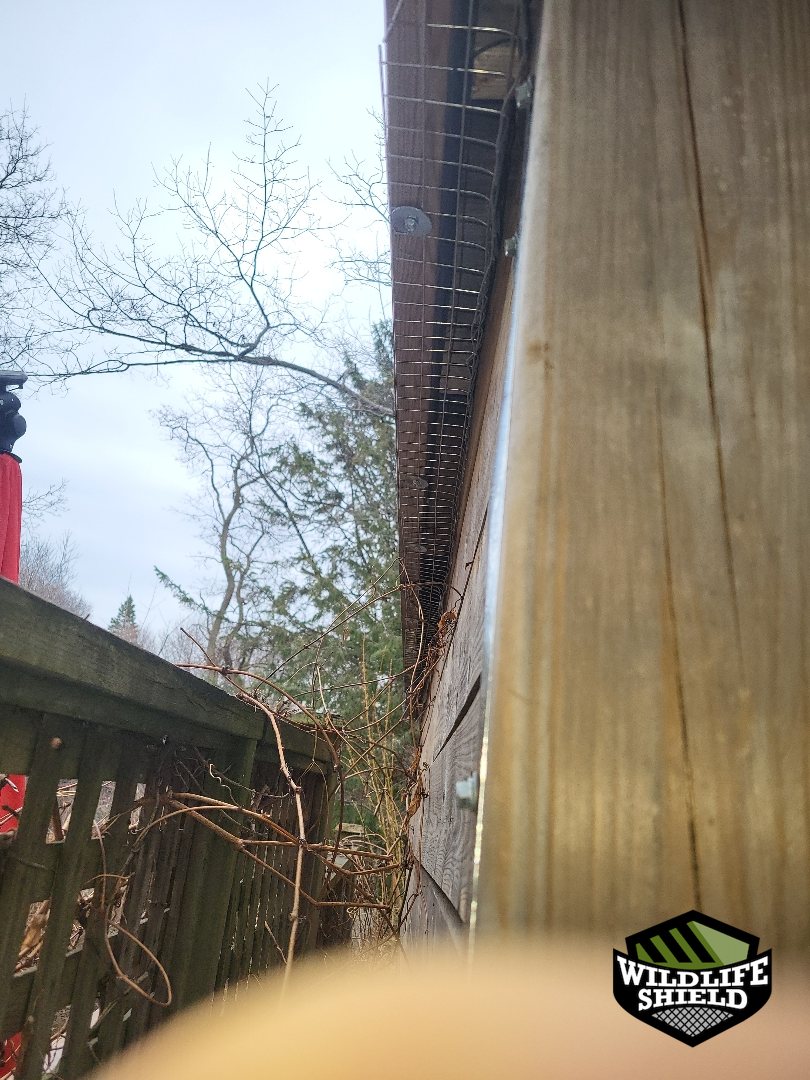
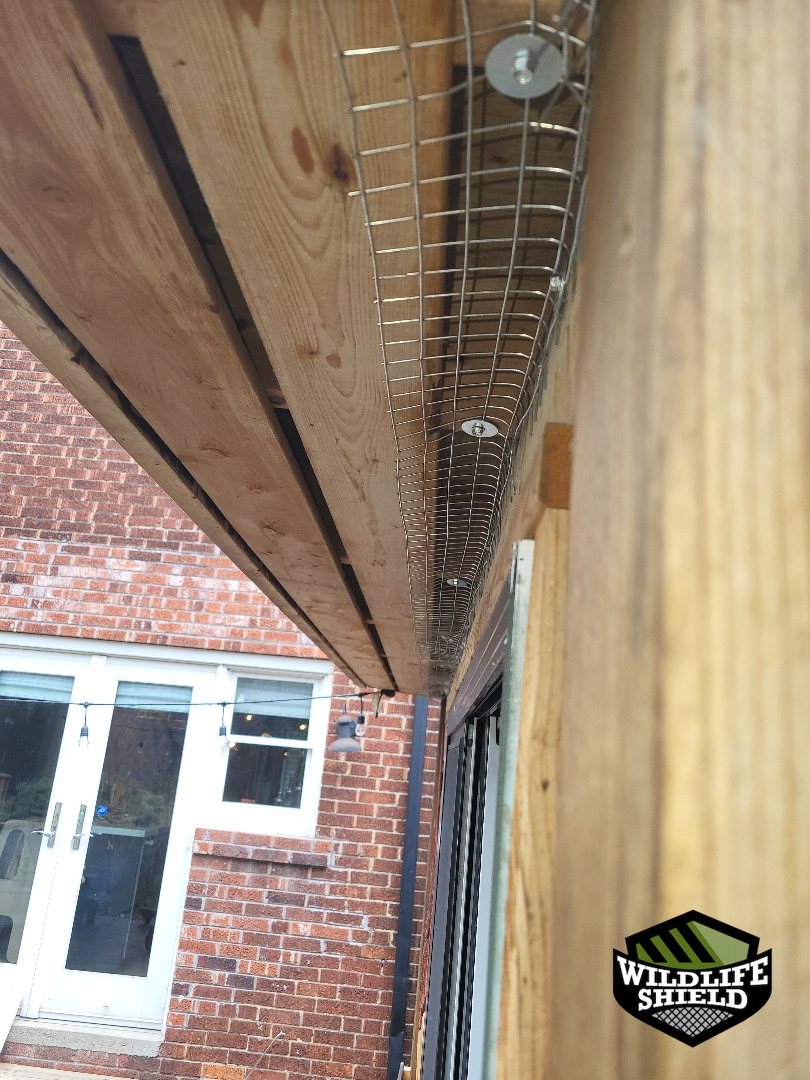
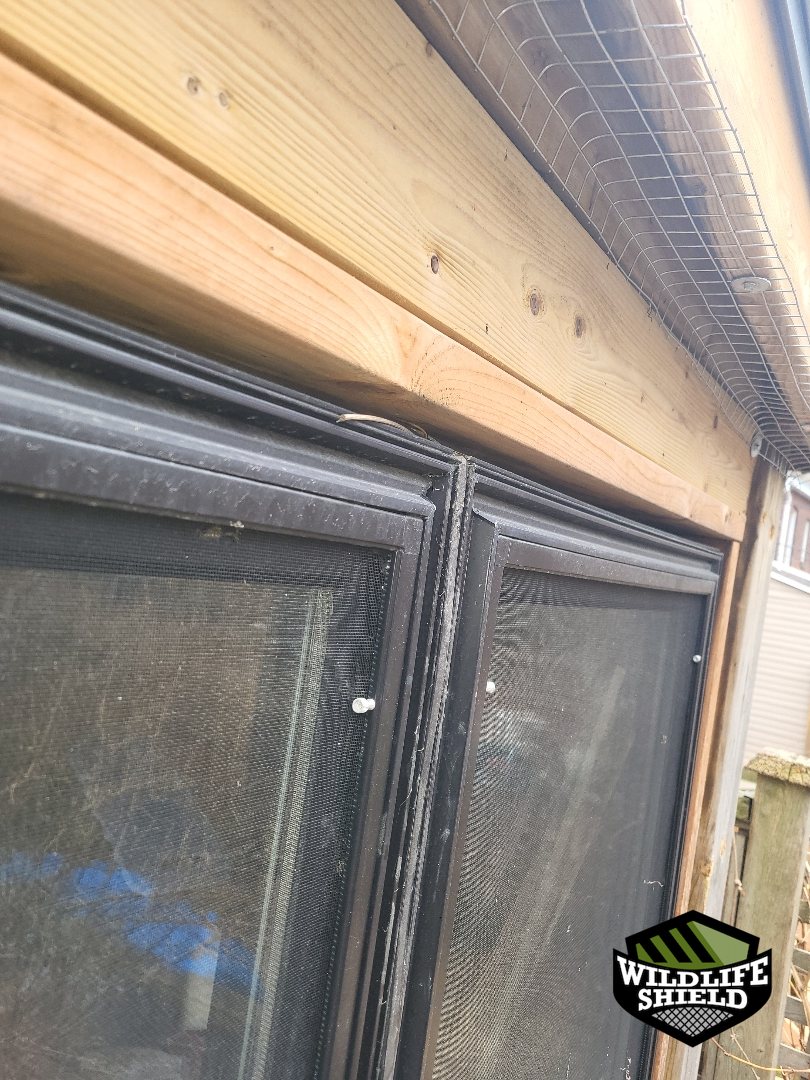
The photographs show:

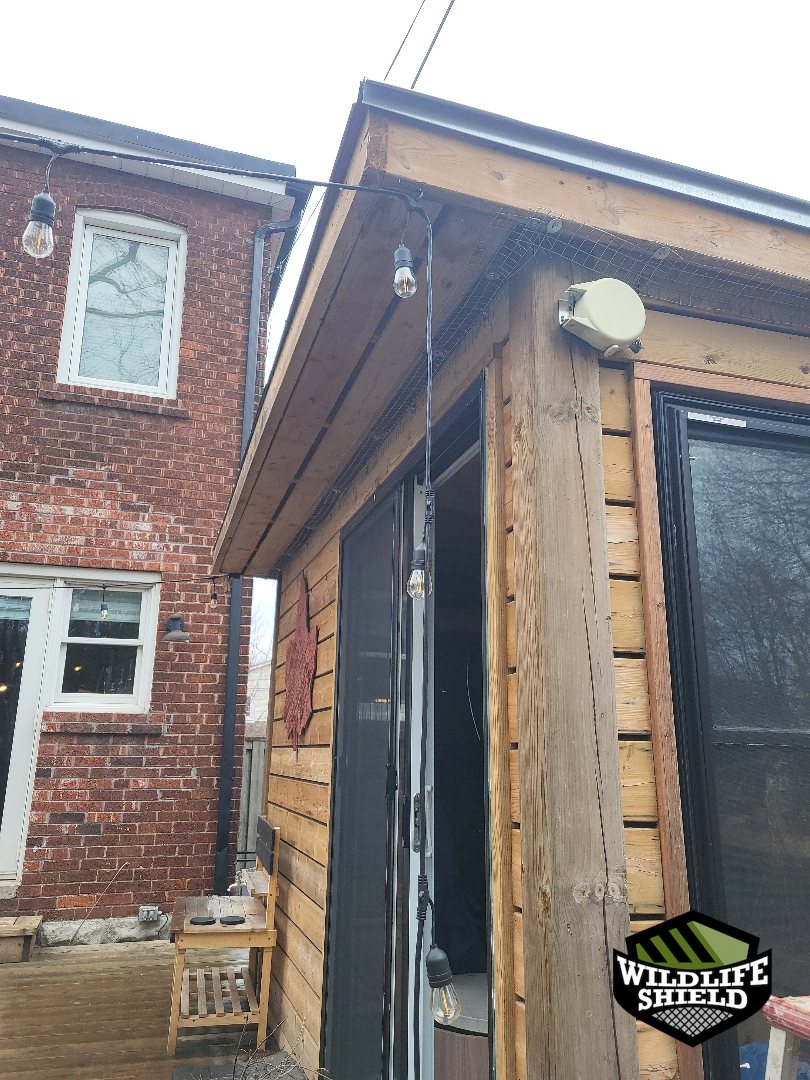
  • The exterior of the backyard shed following completion of the exclusion work.
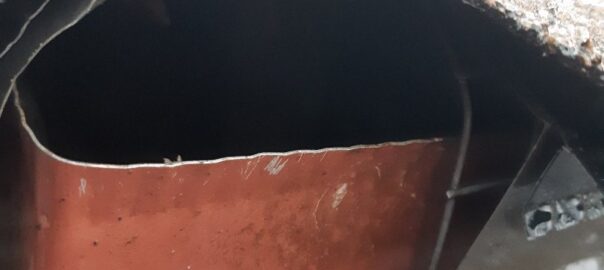
  • Accumulations of raccoon droppings inside the shed before cleaning.
  • Continuous galvanized steel mesh installed along the soffit to prevent wildlife entry.
  • Completed exclusion extending the length of the vulnerable soffit area.
Cause Analysis

Detached sheds can provide sheltered, undisturbed spaces that are attractive to raccoons seeking temporary denning locations. Openings along soffits or roof transitions may allow access if not fully protected. Securing the entire vulnerable section helps prevent future wildlife from using the same route.

Treatment / Removal

During the first visit, Richard humanely removed the raccoon from the shed and completed a full inspection to ensure no babies were present.

Once the animal had been removed, contaminated areas containing raccoon droppings were cleaned and disinfected using hospital-grade botanical disinfectants together with boiling steam exceeding 100°C. This process helped remove contamination within the affected area before exclusion work was completed.

Services completed during the first visit included:

  • Humane removal of the raccoon from the shed.
  • Inspection confirming no dependent young were present.
  • Cleaning and disinfection of raccoon droppings using hospital-grade botanical disinfectants and high-temperature steam.
  • Installation of approximately 35 feet of galvanized steel mesh along the shed soffit to prevent future wildlife access.

Exclusion & Repairs

After the raccoon had been removed, our team secured the identified entry route with galvanized steel mesh installed continuously along the soffit. This durable exclusion system protects the vulnerable roofline while maintaining ventilation and reducing the likelihood of future wildlife entry.


Outcome & Confirmation

During the second visit, the homeowner reported no further sounds or signs of raccoon activity. Our team confirmed the animal had successfully vacated, inspected the completed exclusion work, and verified that the entry point remained securely sealed.

Technician Notes

Richard located the raccoon inside the shed, confirmed there were no babies present, completed humane removal, and carried out cleaning and disinfection before installing approximately 35 feet of galvanized steel mesh along the soffit. The follow-up inspection confirmed the exclusion remained secure and no additional wildlife activity was reported.

12 Sep

Humane Squirrel Removal from a Roof Drip Edge in Scarborough

Job Overview

Location: Scarborough, Ontario
Structure: Two-story detached house
Problem: Squirrels entering the attic through an opening at the roof drip edge
Service: Humane squirrel removal and exclusion
Visits: 2

Summary

Our team completed a two-visit humane squirrel removal project at a detached home in Scarborough after squirrels gained access to the attic through an opening along the roof drip edge. Technician Ardian installed a one-way door over the active entry point, secured vulnerable wall vents with galvanized steel cages, and returned after the squirrels had exited to remove the one-way door and permanently seal the roof entry.

Background / Property Context

The property featured an asphalt shingle roof with an accessible drip edge. Openings along roof edges can provide convenient access to attic spaces, particularly where gaps have developed between the roofing materials and the roof structure. Additional wall vents were also identified as potential wildlife entry points.

Customer Concern

The homeowner reported hearing squirrel activity in the attic and requested a humane solution that would remove the animals and prevent them from returning.

Inspection & Findings

Ardian inspected the roof and confirmed squirrel access through an opening at the drip edge. The inspection also identified two wall vents that required exclusion to reduce additional access opportunities.

The photographs show:

  • An opening at the roof drip edge providing access into the attic.
  • A one-way door installed over the active squirrel entry point.
  • Galvanized steel mesh fitted around the roof opening as part of the exclusion work.
  • Two wall vents protected with galvanized steel cages.
  • Overview images of the roof and completed exclusion areas following the repairs.


Cause Analysis

Small openings along roof drip edges can develop as roofing materials age or shift over time. Squirrels are agile climbers and readily use these gaps to enter attic spaces for shelter. Securing both the primary entry point and nearby vulnerable openings helps reduce the likelihood of future wildlife access.

Treatment / Removal

During the initial visit, Ardian completed a full inspection and installed a humane one-way door over the active entry point. This allowed the squirrels to leave the attic while preventing re-entry.

Additional work completed during the first visit included:

  • Installation of a one-way door at the active roof entry point.
  • Installation of galvanized steel cages over two wall vents to prevent wildlife access.

Exclusion & Repairs

After confirming that squirrel activity had ceased, our team returned to remove the one-way door and permanently seal the roof opening. Durable galvanized steel exclusion materials were installed to reinforce the repaired area while maintaining proper roof function. The previously protected wall vents were also inspected to confirm they remained secure.


Outcome & Confirmation

During the second visit, the homeowner reported no further sounds or signs of squirrel activity in the attic. The one-way door was removed, all exclusion work was inspected, and the repaired roof entry point was confirmed to be securely sealed.

Technician Notes

Ardian identified the active entry point at the roof drip edge and completed humane removal using a one-way door system. Additional vulnerable wall vents were protected during the initial visit, and the final inspection confirmed that the exclusion work remained secure with no further wildlife activity reported.

05 Sep

Humane Raccoon Removal from a Clay Tile Roof in Richmond Hill

Job Overview

Location: Richmond Hill, Ontario
Structure: Two-story detached house
Problem: Raccoons entering the attic through openings in a clay tile roof
Service: Humane raccoon removal and roof entry point exclusion
Visits: 2

Summary

Our team completed a two-visit humane raccoon removal project at a detached home in Richmond Hill after raccoons entered the attic through damaged sections of a clay tile roof. Technician Ardian inspected the attic for dependent young, installed a one-way door to allow the adult raccoon to leave safely, and secured an additional roof entry point with galvanized steel mesh. At the follow-up visit, the one-way door was removed and the primary entry point was permanently sealed after confirming there was no further wildlife activity.

Background / Property Context

The home featured a clay tile roof, which requires careful inspection and repair because displaced or broken tiles can create concealed openings into the attic. The inspection identified multiple vulnerable areas where wildlife had gained access beneath the roofing materials.

Customer Concern

The homeowner reported hearing raccoon activity in the attic and wanted the animals removed humanely while preventing future entry through the roof.

Inspection & Findings

Ardian completed a full roof and attic inspection and confirmed active raccoon access through damaged roof tiles. The attic was carefully inspected for raccoon babies, and none were found.

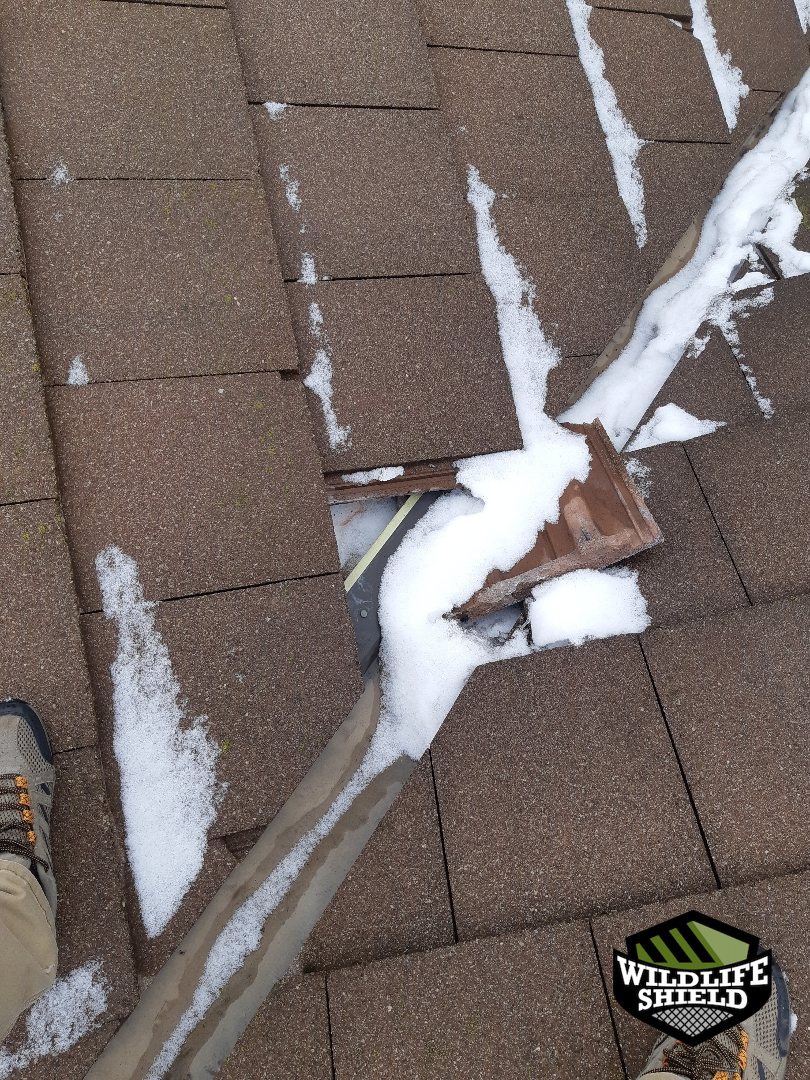
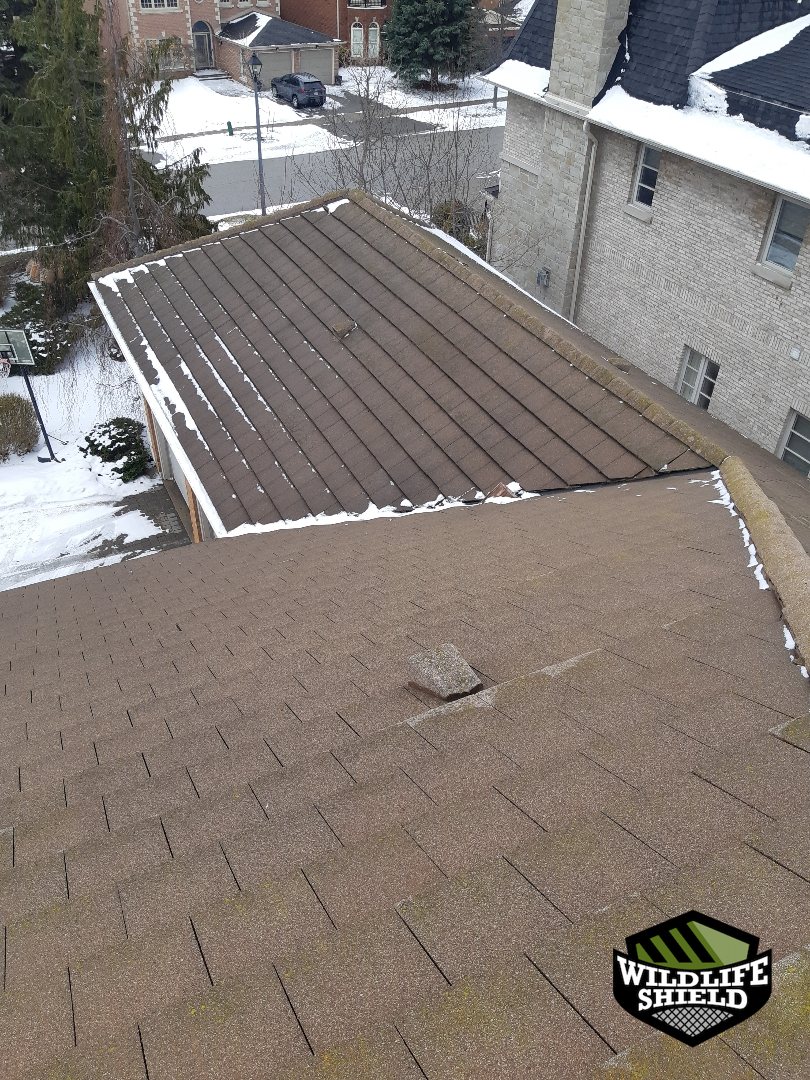
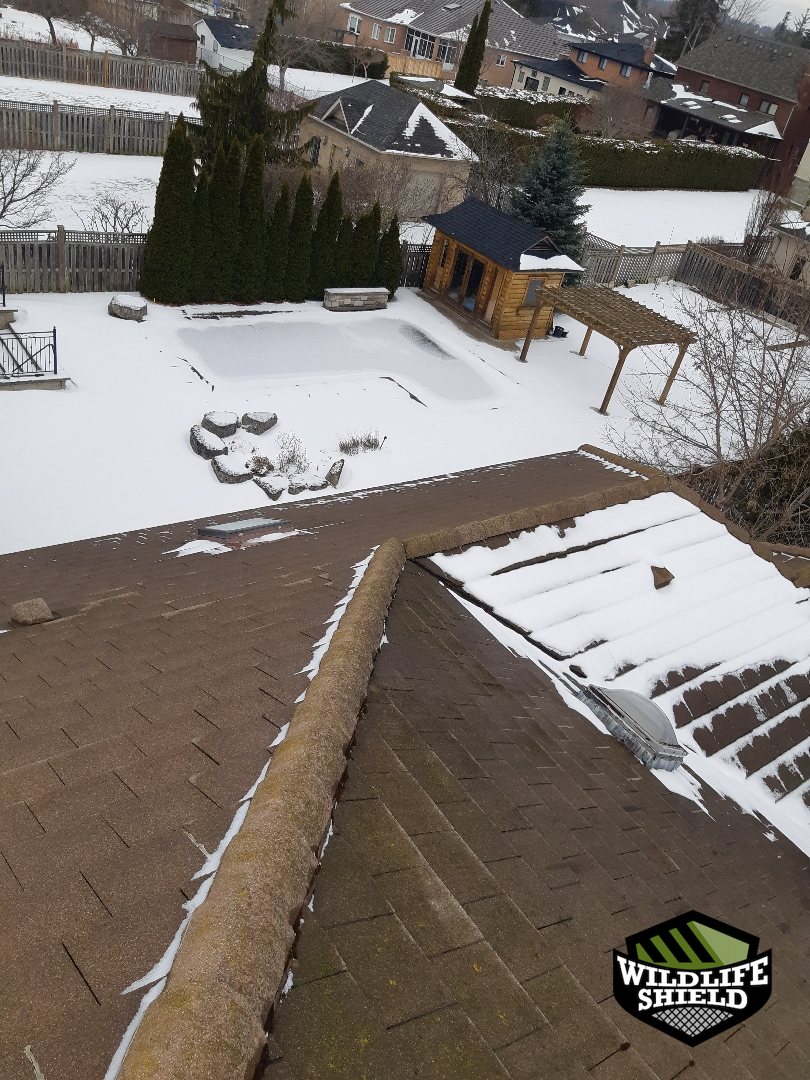
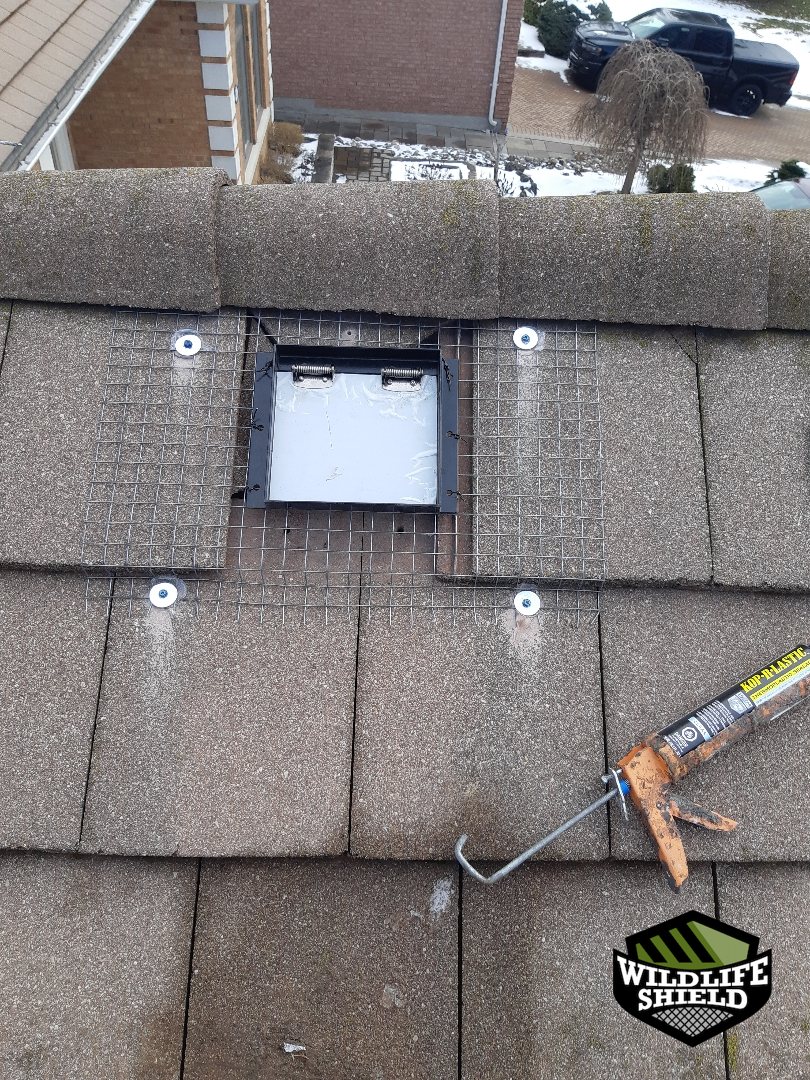
The photographs show:

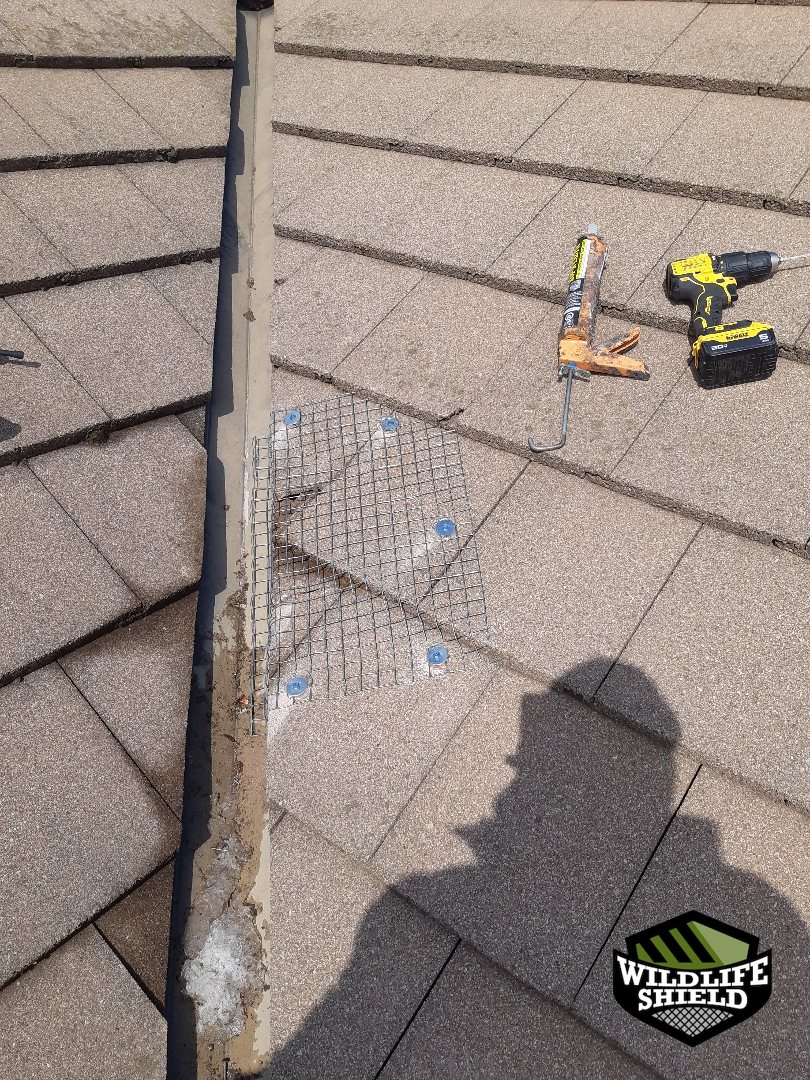
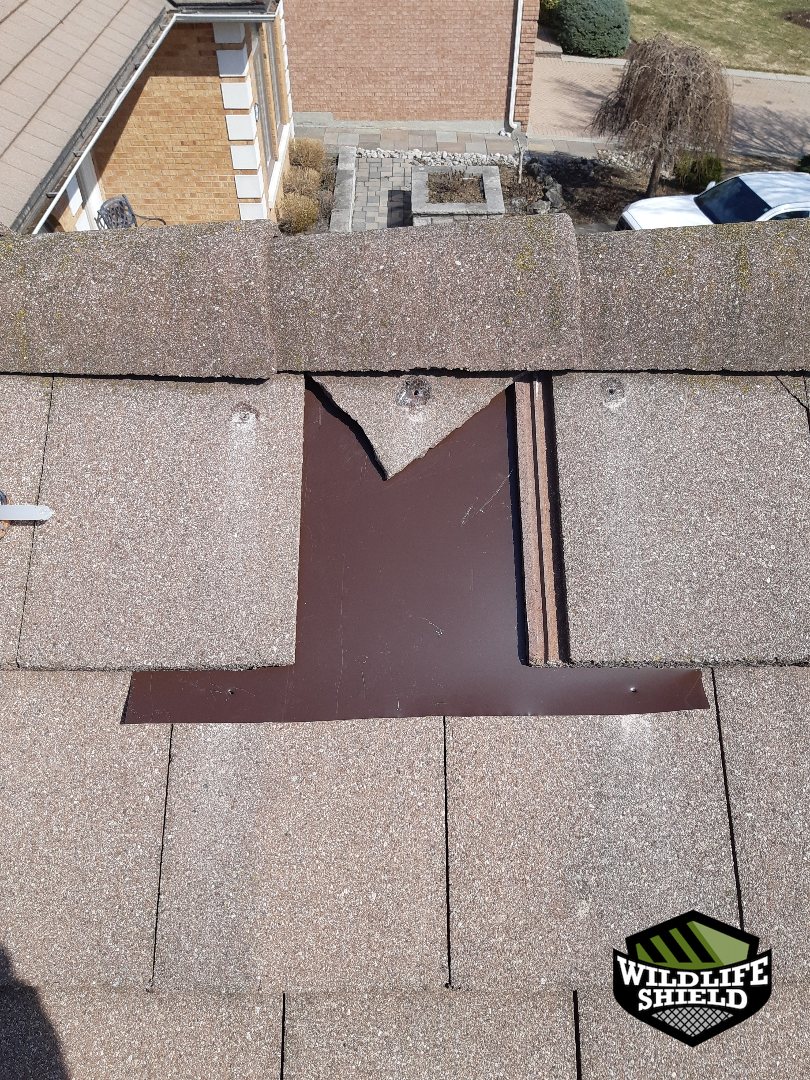
  • Broken and displaced clay roof tiles creating an opening into the roof structure.
  • A temporary one-way door installed over the active entry point.
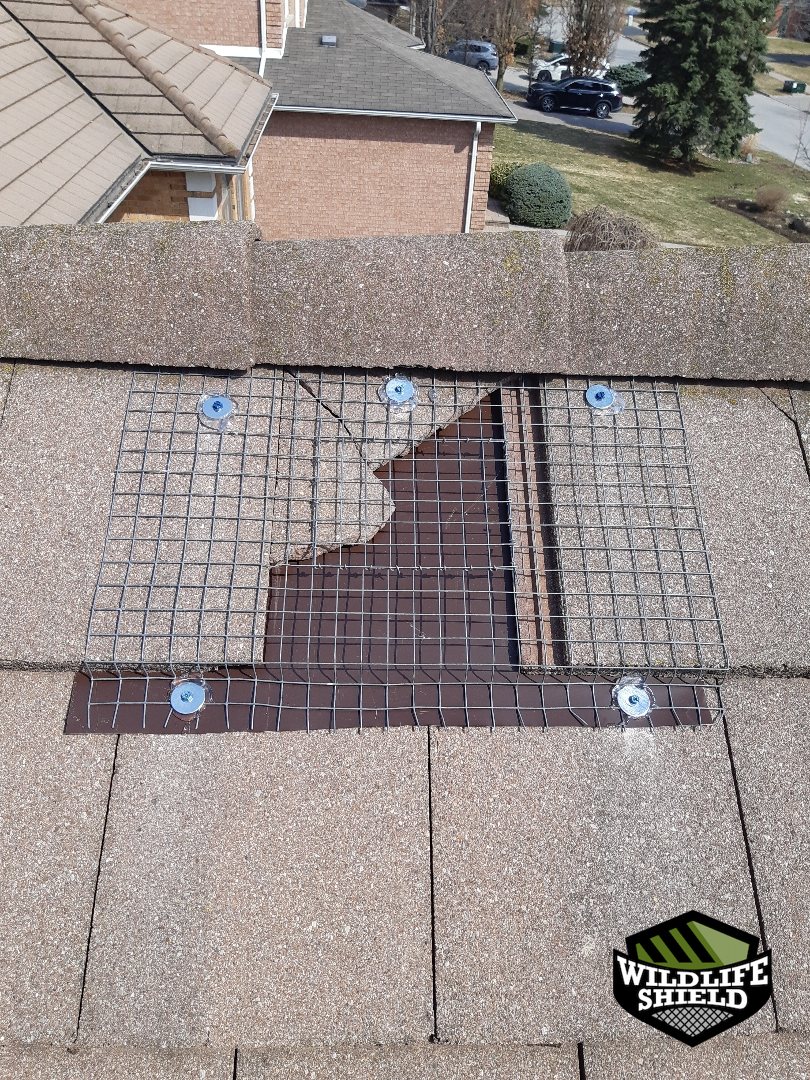
  • An additional roof opening reinforced with galvanized steel mesh.
  • Metal flashing and exclusion materials installed beneath the roof tiles to strengthen the repaired area.
  • Overview images of the clay tile roof showing the locations of the completed exclusion work.


Cause Analysis

Clay tile roofing systems can develop entry points when individual tiles become damaged or displaced over time. Raccoons are capable of enlarging these openings to gain access to attic spaces that provide shelter and protection. Securing damaged sections with durable exclusion materials helps prevent future access while maintaining the integrity of the roof.

Treatment / Removal

During the first visit, Ardian confirmed the active entry point and completed humane removal procedures.

Work included:

  • Inspection of the attic for raccoon babies, with none located.
  • Installation of a one-way door to allow the adult raccoon to exit safely.
  • Sealing of one additional roof entry point using galvanized steel mesh to prevent further access while the removal process was underway.

Exclusion & Repairs

Once the raccoon had vacated the attic, our team returned to remove the one-way door and permanently secure the primary entry point. The completed repair incorporated galvanized steel mesh and protective flashing beneath the roof tiles to reinforce the damaged area while preserving the roof’s function.

Outcome & Confirmation

During the final visit, the homeowner reported no further sounds or signs of raccoon activity in the attic. The one-way door was removed, all completed exclusion work was inspected, and the repaired roof entry points were confirmed to be secure.

Technician Notes

Ardian completed a thorough inspection of the clay tile roof and attic before beginning humane removal procedures. No raccoon babies were present, allowing the one-way door system to be used safely. Additional vulnerable roof openings were reinforced during the initial visit to reduce the likelihood of future wildlife entry.
29 Aug

Humane Skunk Removal and Underground Shed Exclusion in Etobicoke

Job Overview

Location: Etobicoke, Ontario
Structure: Two-story detached house
Problem: Skunk activity beneath a backyard shed
Service: Humane skunk removal and underground exclusion
Visits: 2

Summary

Our team completed a two-visit humane skunk removal project at a detached home in Etobicoke after the homeowner reported skunk activity beneath a backyard shed. Technician Ardian identified the primary access point, installed a one-way door, and completed an underground galvanized steel mesh exclusion system along the accessible side of the structure. Following confirmation that the skunk had left the area, the one-way door was removed and the exclusion was permanently completed.

Background / Property Context

The shed was situated with concrete barriers along several sides, limiting excavation access. Inspection determined that only the front section of the shed could be safely trenched, making it the appropriate location for both the one-way door and the underground exclusion system.

Customer Concern

The homeowner reported signs of a skunk living beneath the shed and requested a humane solution that would remove the animal while preventing future access beneath the structure.

Inspection & Findings

Ardian inspected the perimeter of the shed and confirmed an active access point beneath the front section. The remaining sides were obstructed by existing concrete features, preventing excavation in those locations.

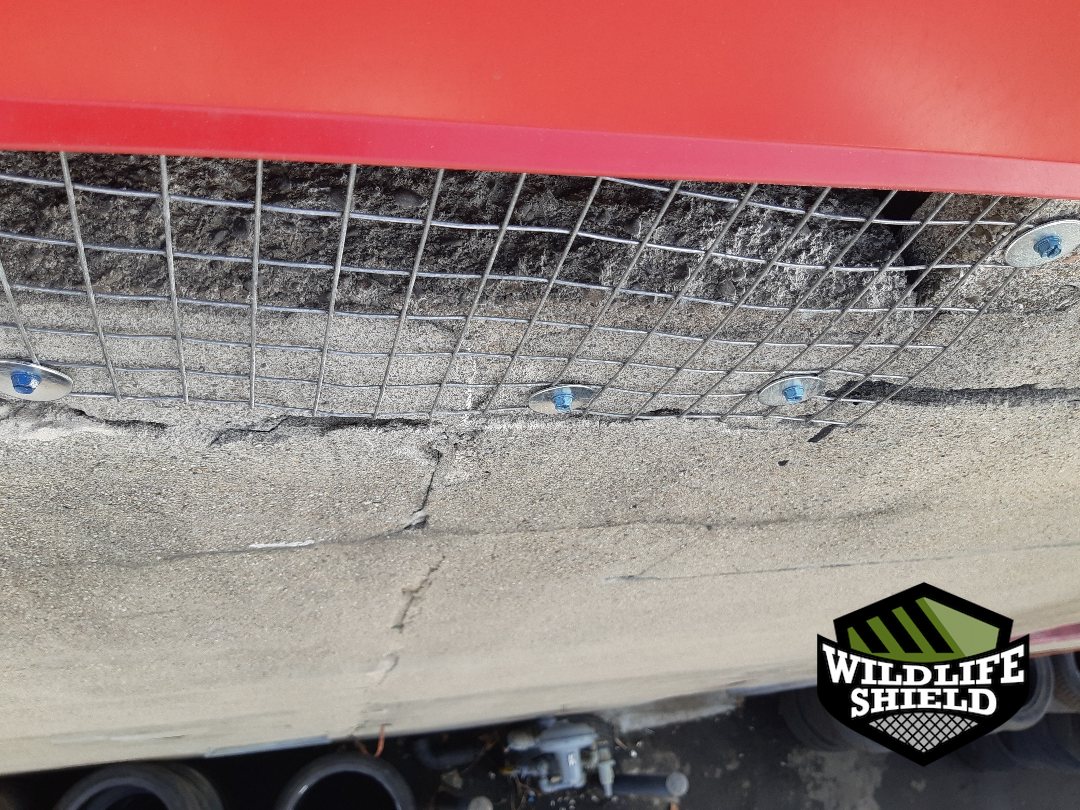
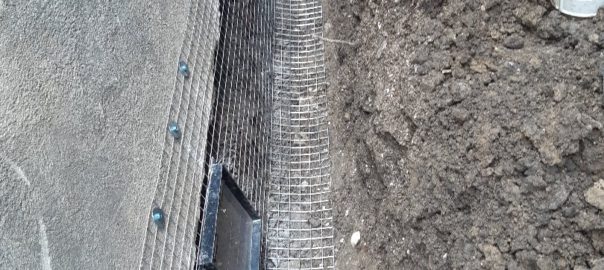
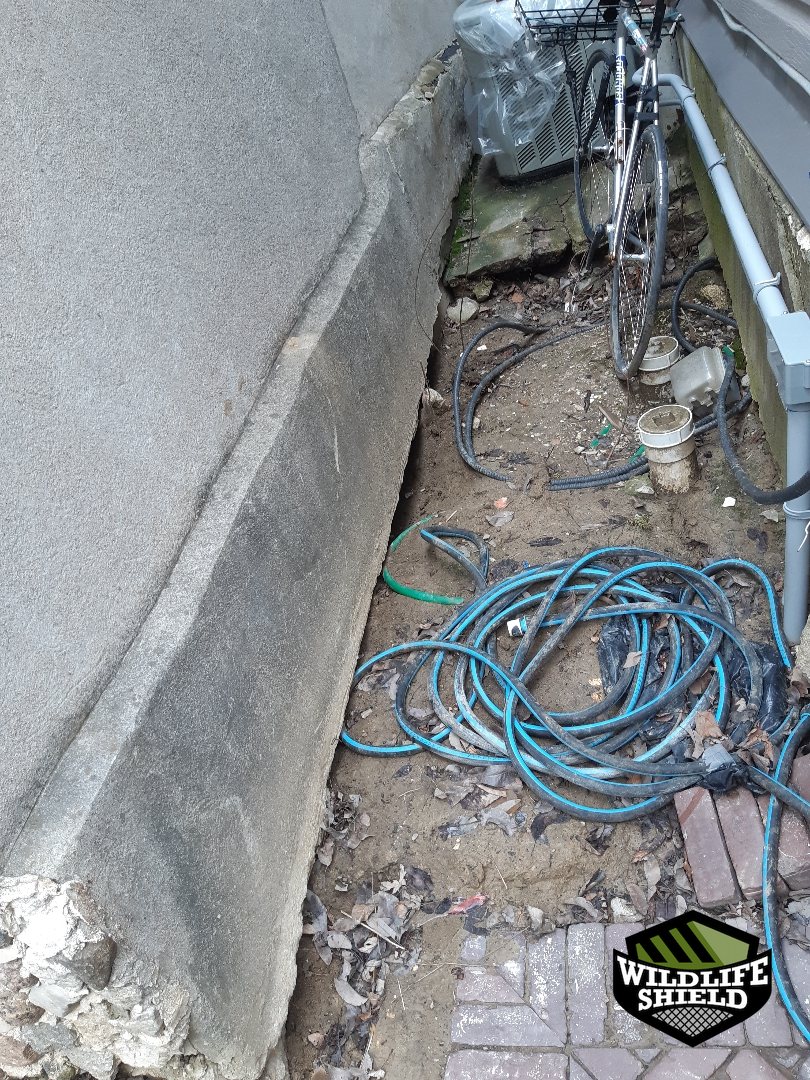
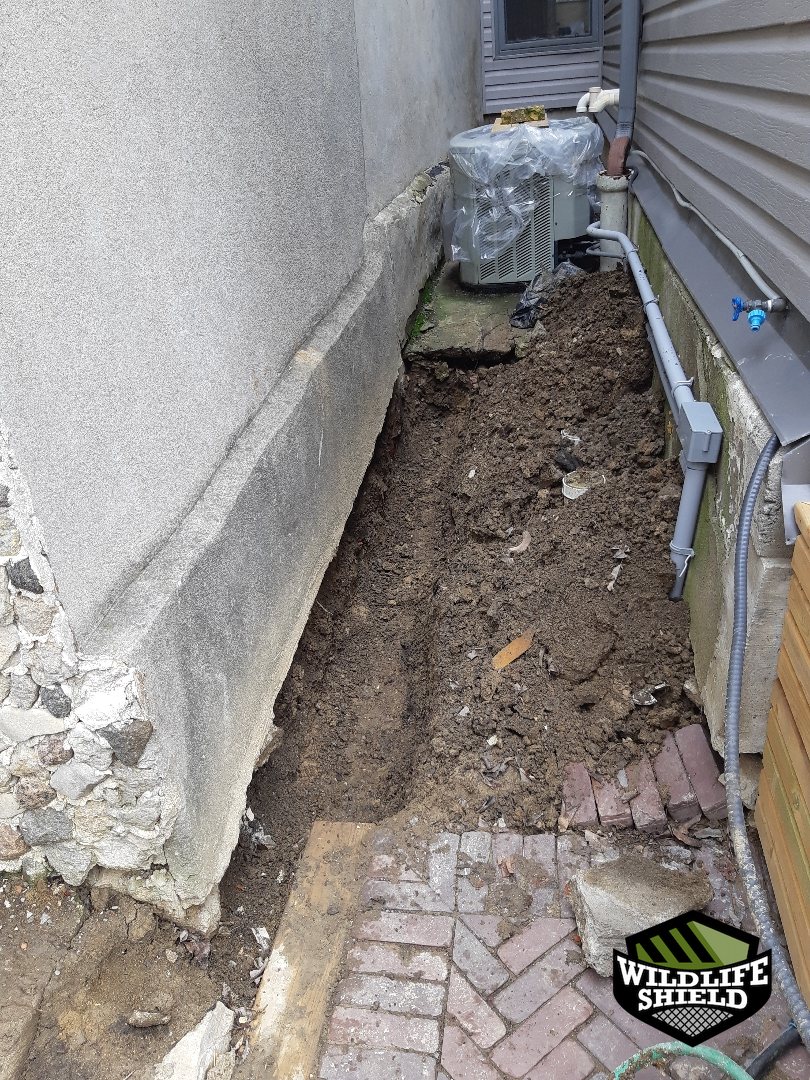
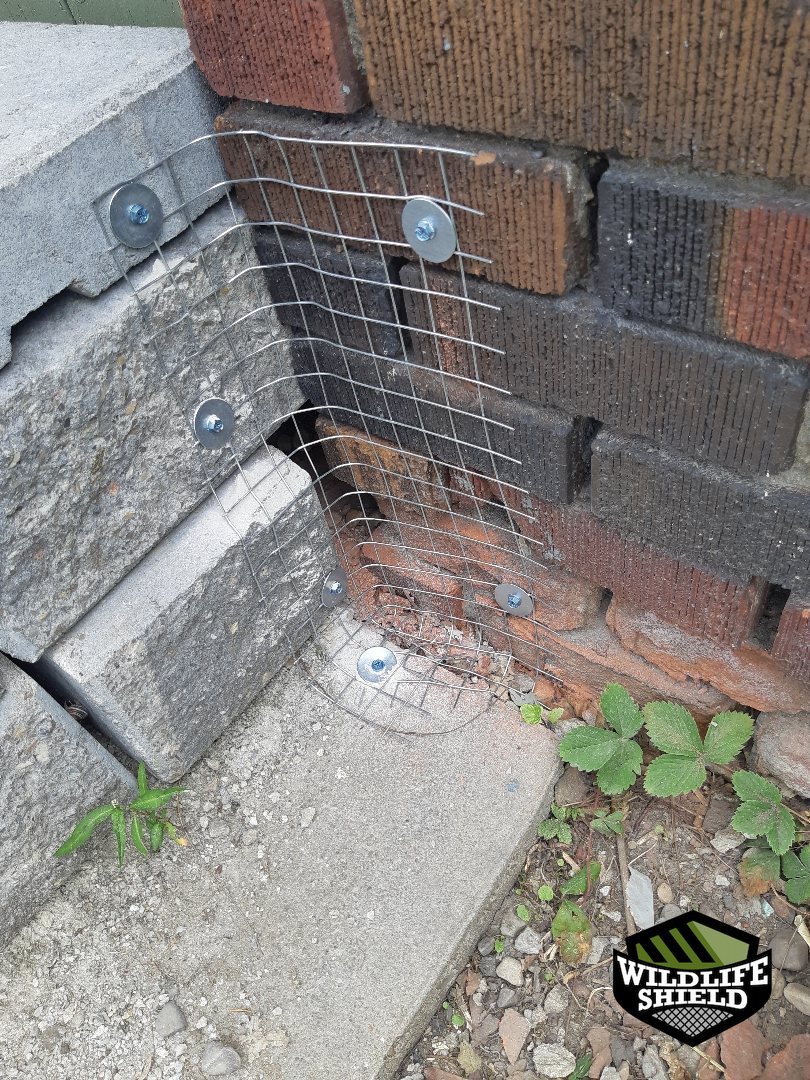
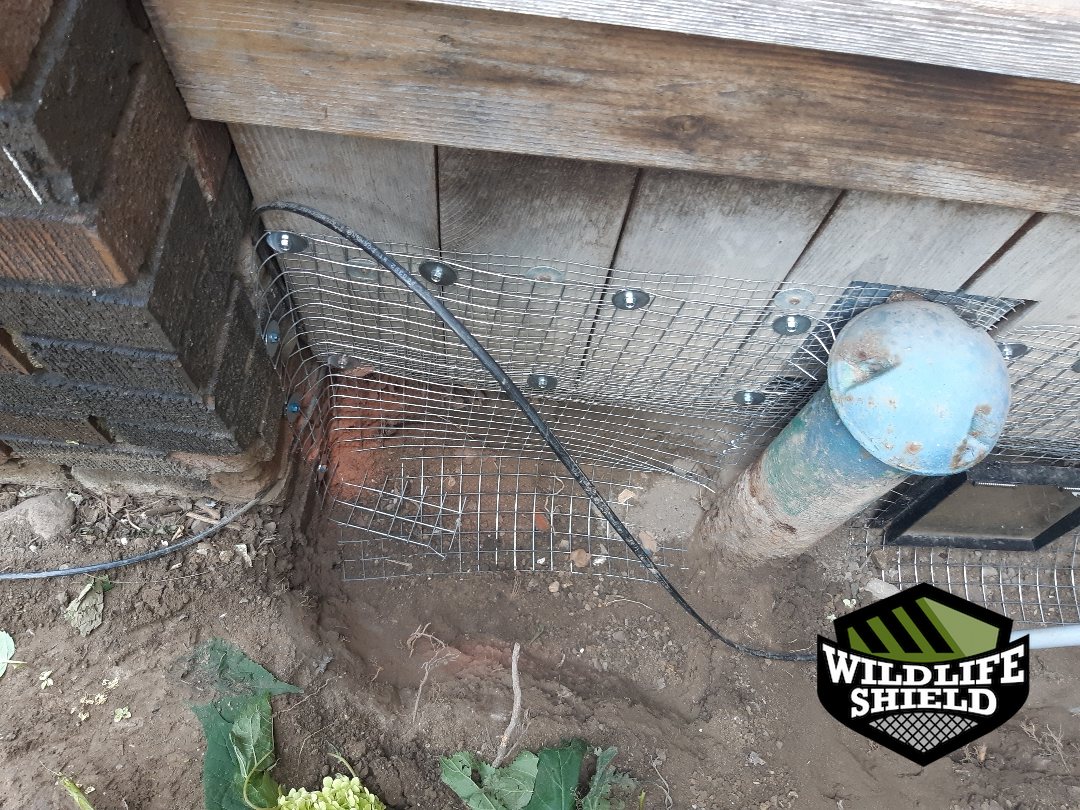
The photographs show:

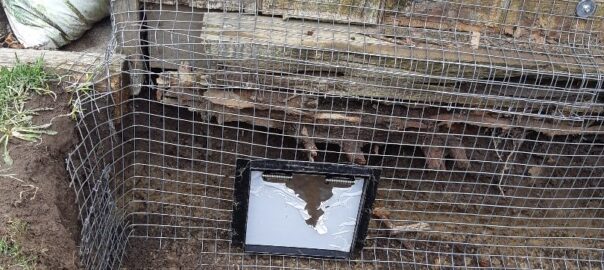
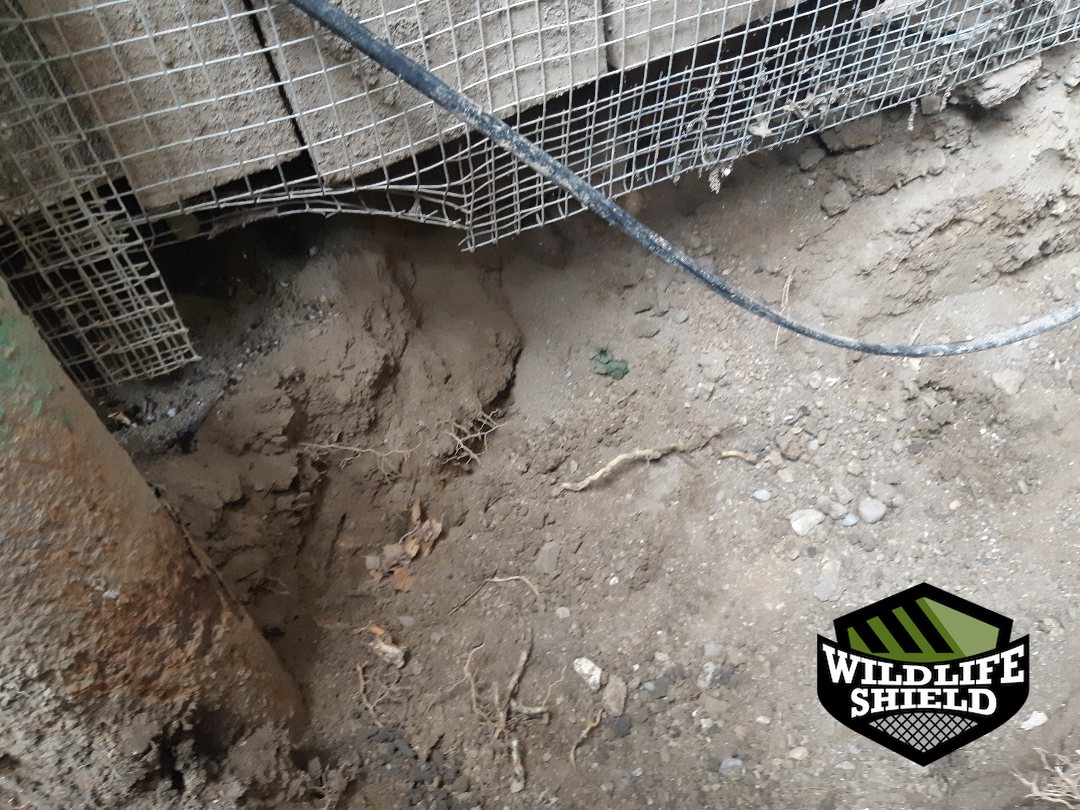
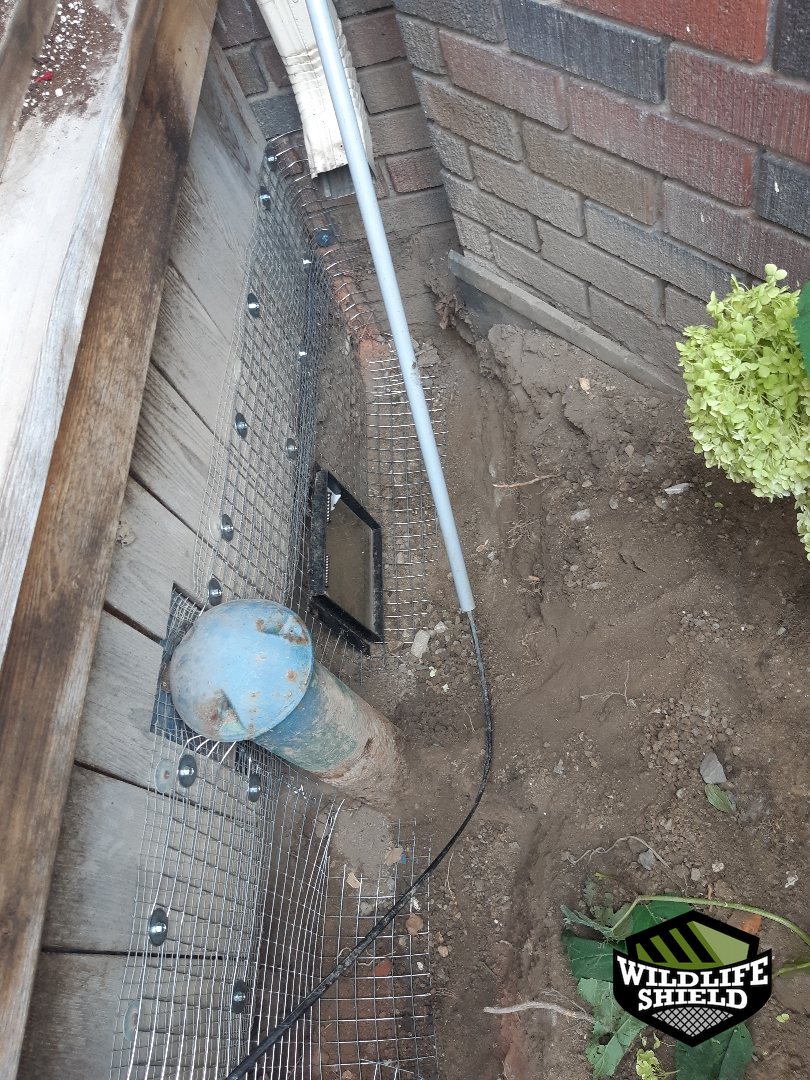
  • An excavated trench extending along the accessible side of the shed.
  • Heavy galvanized steel mesh secured to the shed and extending below grade.
  • A temporary one-way door installed at the active entry point.
  • The completed trench after backfilling, with the underground exclusion remaining in place.
  • Areas of weathered wood near the shed base where wildlife had been accessing beneath the structure.

Cause Analysis

Skunks commonly establish shelter beneath sheds because the enclosed space provides protection from weather and predators. Gaps beneath aging wooden structures can allow animals to dig underneath unless below-grade barriers are installed. An underground exclusion system helps prevent future burrowing while allowing existing animals to leave safely through a temporary one-way exit.

Treatment / Removal

During the initial visit, Ardian confirmed the activity and completed humane removal measures.

Work performed included:

  • Installation of a one-way door to allow the skunk to exit without re-entering.
  • Excavation of approximately ten feet along the accessible front section of the shed.
  • Installation of galvanized steel mesh below grade to create a permanent underground exclusion barrier.

Exclusion & Repairs

The underground exclusion system was securely attached to the base of the shed and extended into the trench before the excavation was backfilled. This configuration helps prevent future digging beneath the structure while preserving the appearance of the yard once completed.

At the follow-up visit, the one-way door was removed after confirming the skunk had vacated, and the remaining opening was permanently secured. The completed exclusion was inspected to verify there was no further access beneath the shed.


Outcome & Confirmation

At the final visit, the homeowner reported no further skunk activity beneath the shed. The one-way door was removed, the exclusion system was confirmed to be secure, and no additional wildlife activity was observed.


Technician Notes

Ardian adapted the exclusion plan to accommodate the concrete barriers surrounding the shed. By installing a below-grade galvanized steel mesh barrier along the accessible section and using a humane one-way door, the removal was completed without allowing the skunk to regain access beneath the structure.

22 Aug

Humane Raccoon Removal from Multiple Attic Spaces in Mississauga


Job Overview

Location: Mississauga, Ontario
Structure: Two-story detached house
Problem: Raccoon activity in the attic
Service: Humane raccoon removal and exclusion
Visits: 2

Summary

Our team completed a two-visit humane raccoon removal project at a detached home in Mississauga after the homeowner reported noises from the attic. Technician Ardian inspected all three attic spaces, confirmed raccoon activity, and installed a one-way door at the primary entry point. No baby raccoons were found during the inspection. After the raccoon had safely exited, the one-way door was removed, the primary entry point was permanently sealed, and the exclusion work was verified.

Background / Property Context

The property contained three separate attic spaces connected through the roof structure. During the inspection, damaged soffit sections and roofline openings were identified, creating potential access points for wildlife. The homeowner advised that additional soffit repairs beyond the primary exclusion work would be completed independently.

Customer Concern

The homeowner reported hearing raccoon activity in the attic and requested a humane removal solution that would safely remove the animal while preventing re-entry.

Inspection & Findings

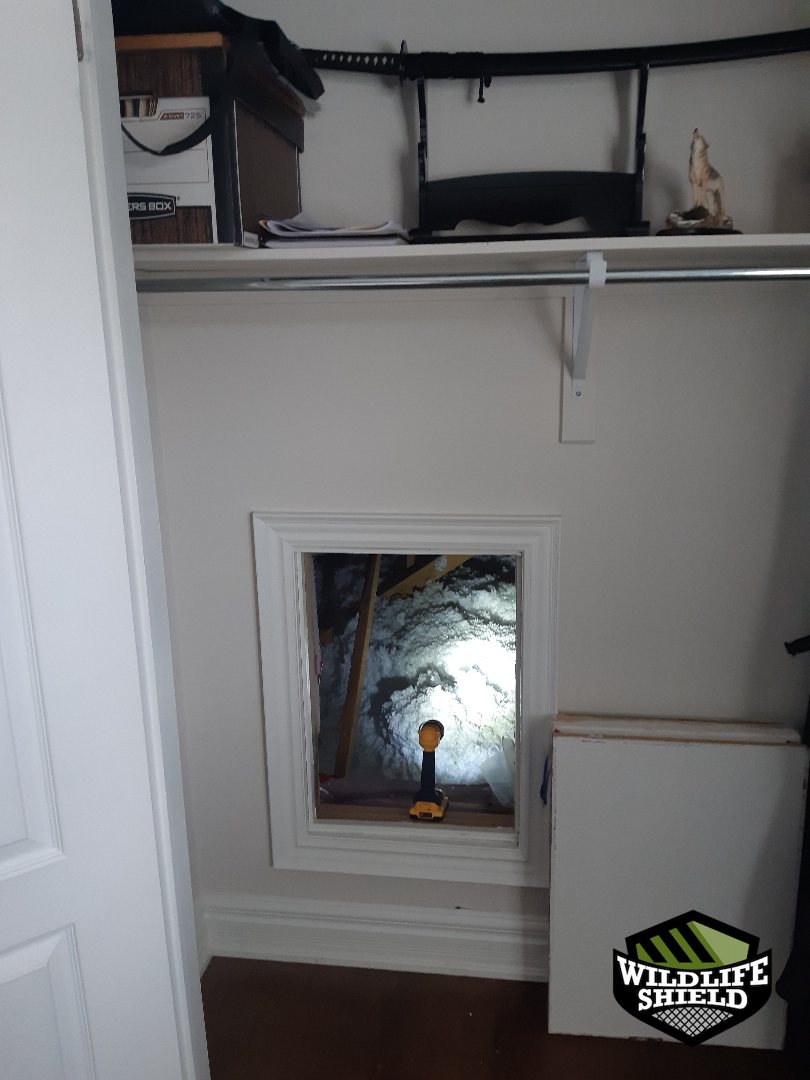
Ardian completed a comprehensive inspection of all three attic spaces and the exterior roofline.

The inspection confirmed:

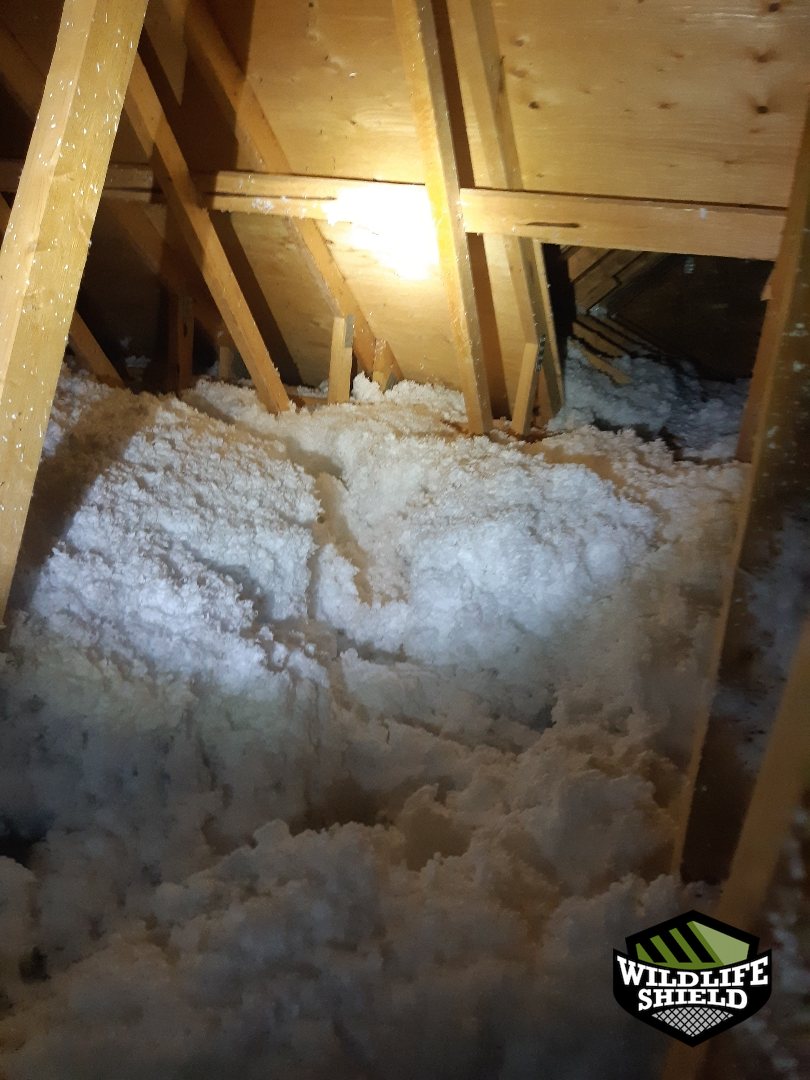
  • Active raccoon use of the attic space.
  • No baby raccoons were present in any of the three attic areas.
  • A primary soffit entry point requiring a one-way door.
  • Additional soffit damage that could provide future wildlife access if left unrepaired.

The photographs show multiple attic spaces with blown insulation, roofline and soffit openings, visible damage to soffit panels, and the installation of a one-way door and galvanized steel mesh at the primary entry location.


Cause Analysis

Raccoons commonly access attic spaces through damaged soffits or gaps where roofing materials meet exterior trim. Homes with multiple attic compartments can provide sheltered travel routes once entry has been established. Permanently securing primary access points after humane removal helps prevent future wildlife intrusion.

Treatment / Removal

During the initial visit, Ardian confirmed the raccoon activity and completed humane removal procedures.

Work performed included:

  • Inspection of all three attic spaces.
  • Thorough inspection for dependent baby raccoons, with none found.
  • Installation of a one-way door at the primary soffit entry point to allow the adult raccoon to leave without re-entering.

Exclusion & Repairs

Following confirmation that the raccoon had vacated the attic, our team returned for the final visit.

The completed work included:

  • Removal of the temporary one-way door.
  • Permanent sealing of the primary entry point.
  • Inspection of the completed exclusion to verify it remained secure.

Additional soffit damage was identified during the inspection. As requested by the homeowner, repairs to those areas were not completed as part of this service.

Outcome & Confirmation

During the second visit, no further raccoon activity was reported or observed. The one-way door was removed, the primary entry point was permanently sealed, and the completed exclusion was inspected to confirm there was no further wildlife access through the treated area.

Technician Notes

Ardian inspected all three attic spaces to ensure no dependent young were present before installing the one-way door. The humane removal process was completed successfully over two visits, and the primary entry point was permanently secured following confirmation that the raccoon had exited.

15 Aug

Humane Raccoon Removal and Roofline Exclusion for a Commercial Warehouse in Toronto

Job Overview

Location: Toronto, Ontario
Structure: Two-story commercial warehouse
Problem: Raccoons entering the roof through damaged exterior openings
Service: Humane raccoon removal and exclusion
Visits: 2

Summary

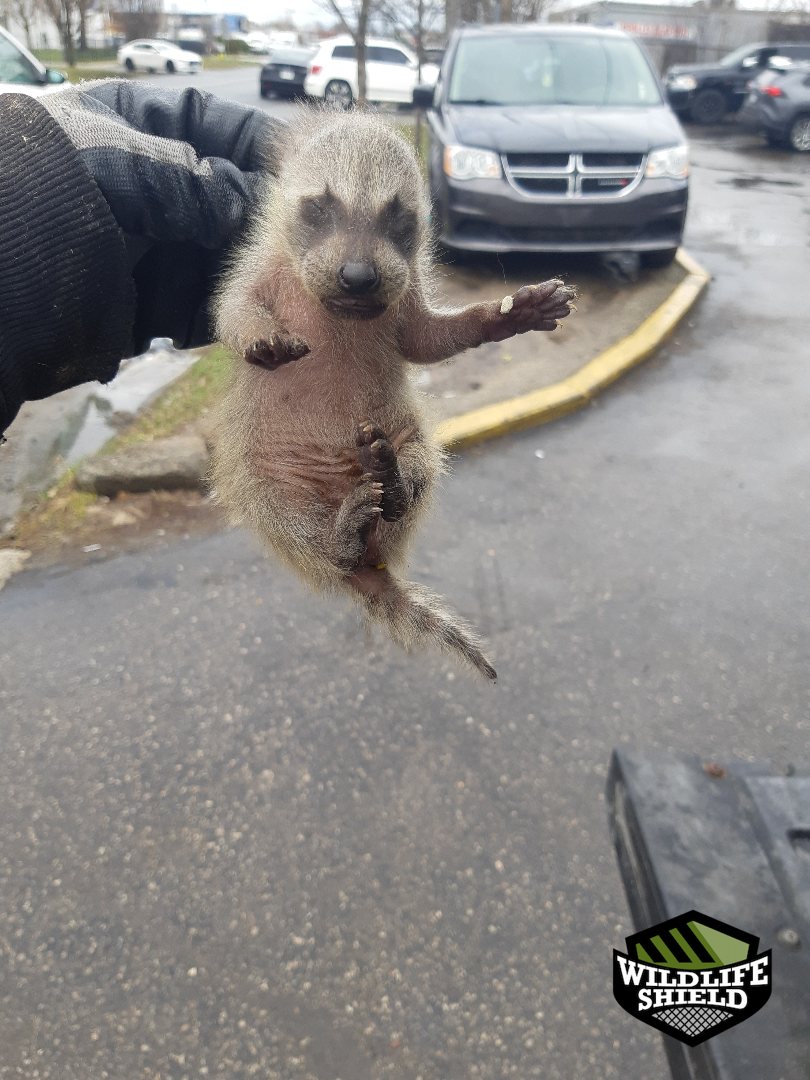
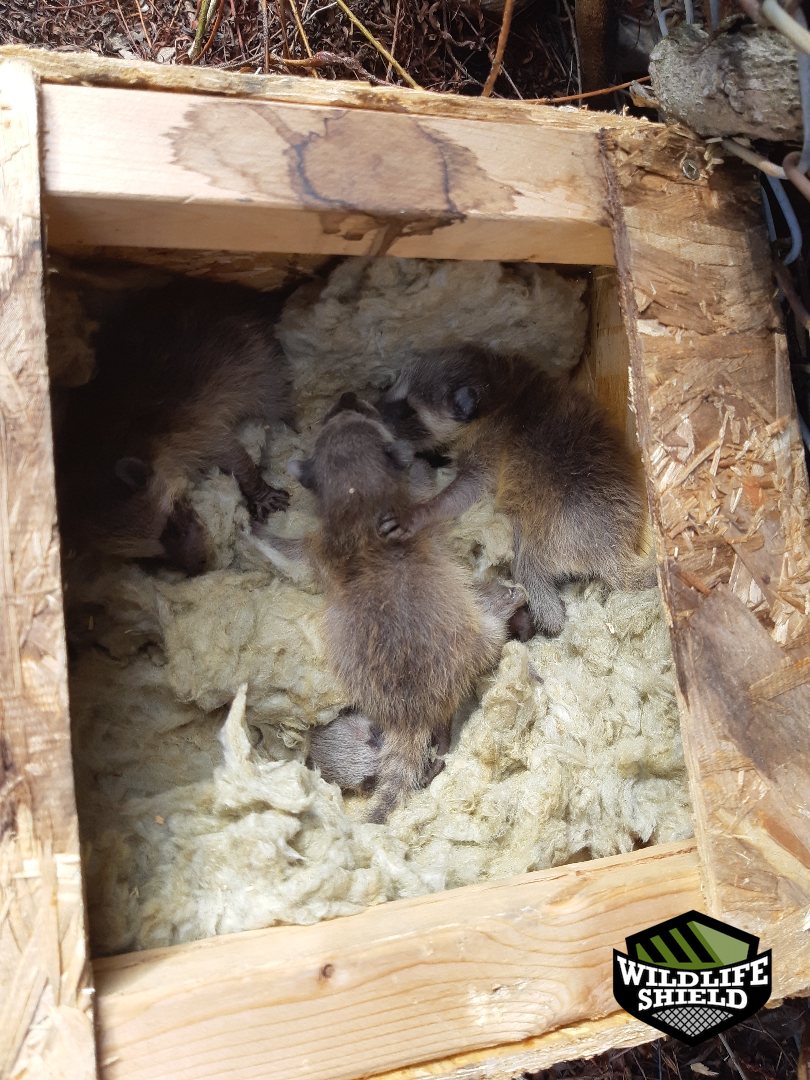
Our team completed a two-visit humane raccoon removal project at a commercial warehouse in Toronto after raccoons entered the roof assembly through damaged exterior openings. Technician Ardian confirmed the activity, safely removed the dependent young from the ceiling space, installed a one-way door to allow the adult raccoon to exit, and completed structural exclusion using galvanized steel mesh. During the follow-up visit, the one-way door was removed, the remaining opening was permanently sealed, and the exclusion work was confirmed to be effective.

Background / Property Context

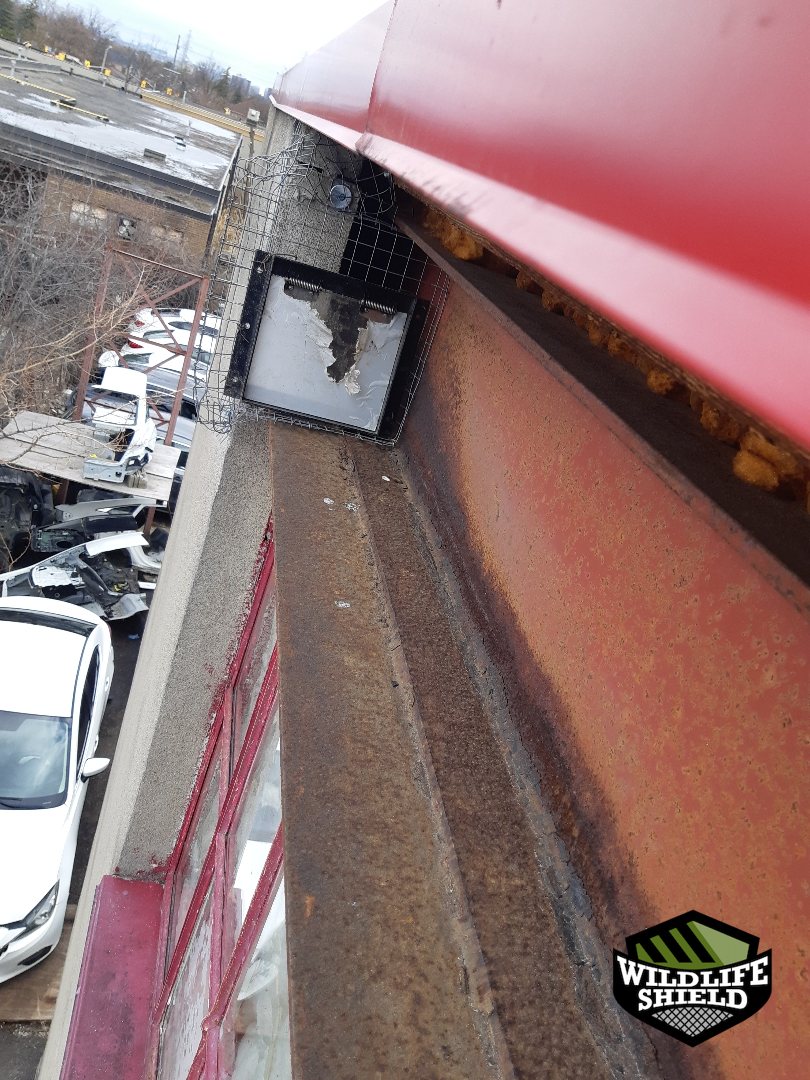
The commercial warehouse featured elevated roofline construction with several deteriorated openings along the exterior wall and roof junction. These conditions provided sheltered access into the ceiling cavity where raccoons established a den.

Customer Concern

The property owner reported raccoon activity within the roof area of the warehouse, including noises from the ceiling. They requested a humane solution that would remove the animals while preventing future entry.

Inspection & Findings

Ardian completed a full inspection of the roofline and interior ceiling areas.

The inspection confirmed:

  • Active raccoon activity within the roof cavity.
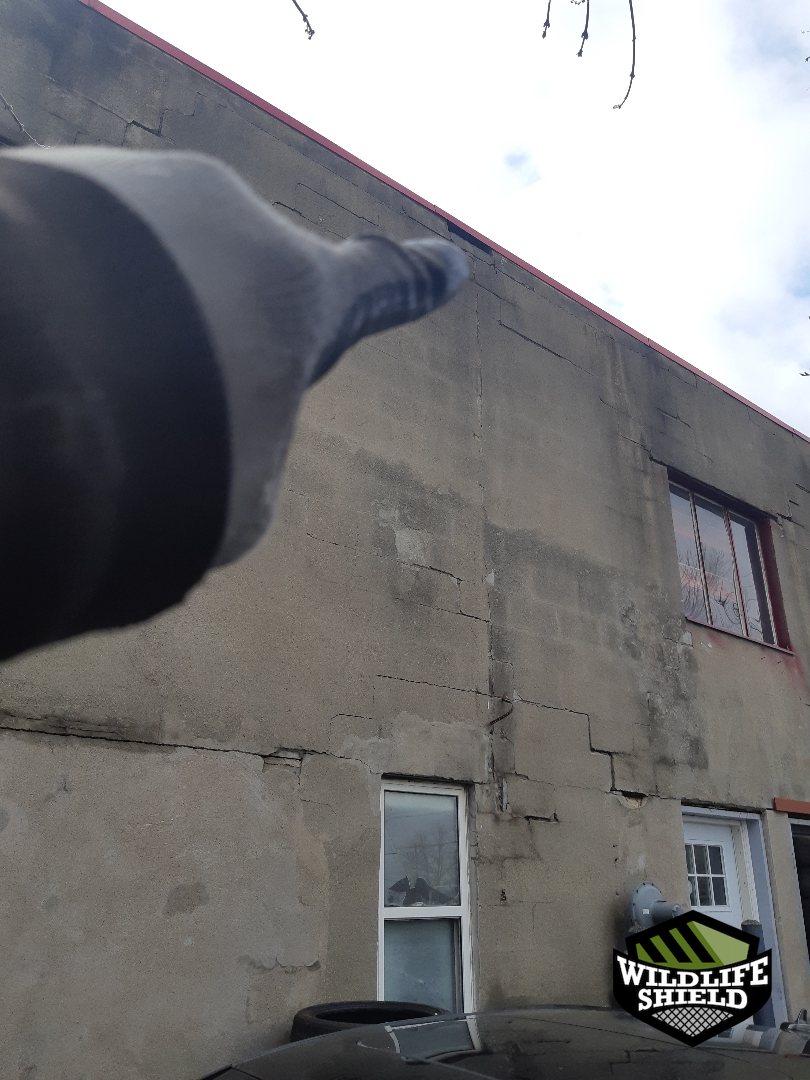
  • A primary entry point at the roofline.
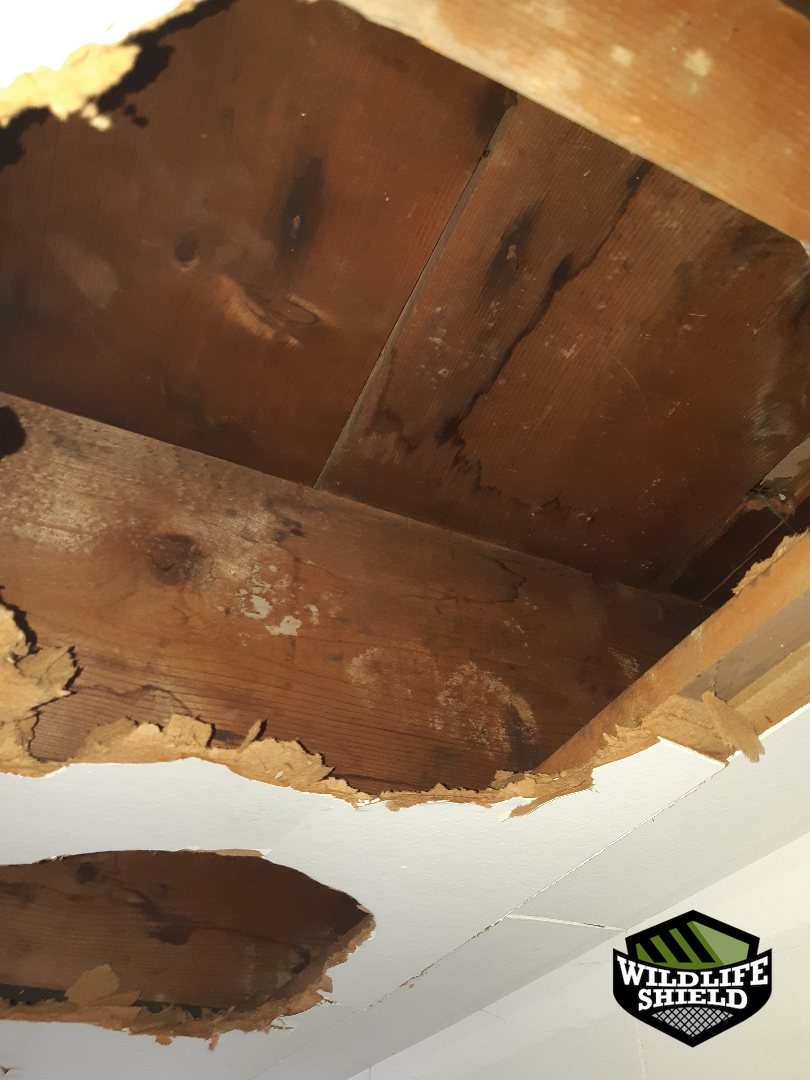
  • Four dependent baby raccoons located within the ceiling void.
  • Several additional structural openings requiring permanent exclusion.

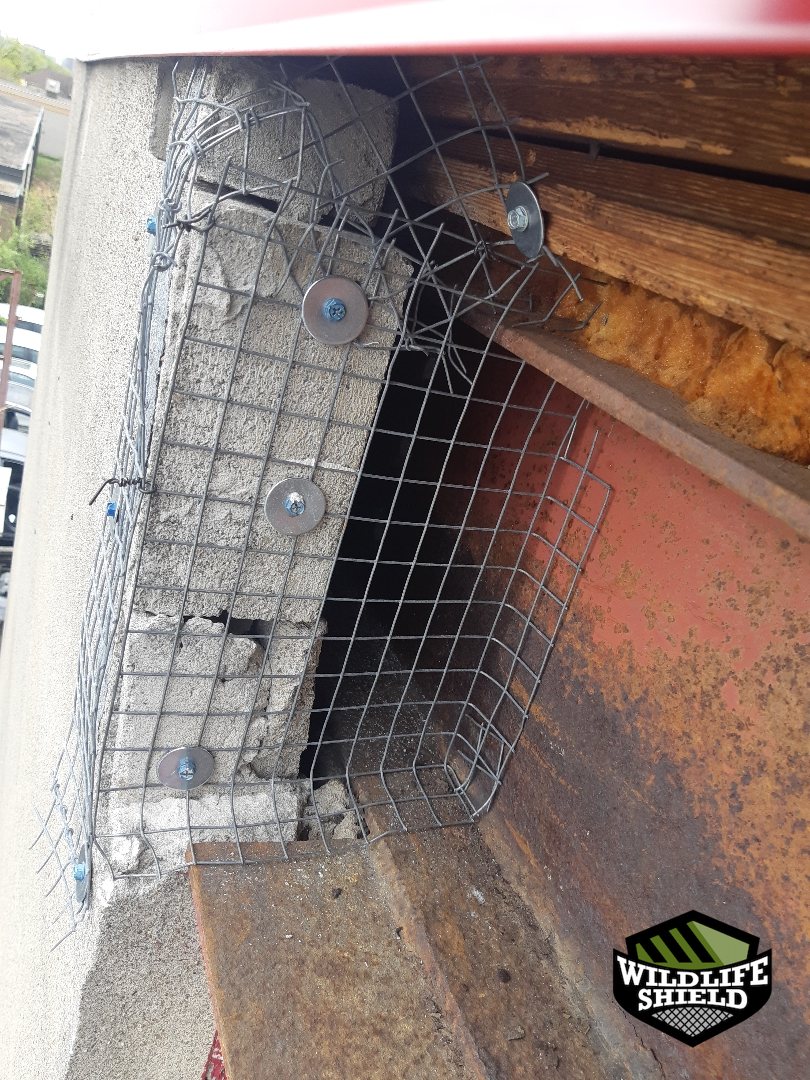
The photographs show damaged ceiling sections that provided access for inspection, dependent young within the nesting area, structural openings along the roofline, galvanized steel mesh installed over vulnerable exterior openings, and a one-way door installed at the primary entry point.

Cause Analysis

Raccoons commonly seek sheltered roof cavities for denning, particularly when exterior construction contains deteriorated openings or gaps near the roofline. Elevated commercial buildings with accessible ledges and structural voids can provide protected entry points. Installing permanent galvanized steel exclusion materials after humane removal helps prevent future wildlife access.

Treatment / Removal

During the initial visit, Ardian confirmed the raccoon activity and completed humane removal procedures.

Work completed included:

  • Inspection of the roofline and interior ceiling cavity.
  • Installation of a one-way door at the primary raccoon entry point.
  • Humane removal of four dependent baby raccoons from the ceiling area.
  • Placement of the young outside the structure to allow natural reunification with the adult after it exited through the one-way door.
  • Sealing of four additional entry points using galvanized steel mesh.

Exclusion & Repairs

Following confirmation that the raccoons had vacated the structure, our team completed the final exclusion work.

The completed repairs included:

  • Removal of the temporary one-way door.
  • Permanent sealing of the primary entry point using galvanized steel mesh.
  • Inspection of all previously completed exclusion work to verify that the roofline remained fully protected against wildlife entry.

Outcome & Confirmation

During the second visit, no further raccoon activity was reported or observed within the warehouse. The one-way door was removed, the remaining entry point was permanently sealed, and all exclusion repairs were inspected and confirmed secure. The customer was satisfied with the completed service.

Technician Notes

Ardian completed the inspection, humane removal, exclusion work, and follow-up over two scheduled visits. The project successfully resolved the raccoon intrusion while protecting the structure with permanent galvanized steel exclusion materials.

27 Jul

Skunk Removal and Foundation Exclusion – Toronto

Job Overview

Location: Toronto, Ontario
Structure: Two-story semi-detached home
Problem: Skunk activity under front deck and along foundation
Service: Humane skunk removal and exclusion
Visits: 2


Summary

We were contacted regarding wildlife activity beneath the foundation of a semi-detached home. Upon inspection, a skunk was confirmed to be burrowing along the foundation wall and using the space beneath the deck as shelter.

Our team completed trenching and full exclusion along the accessible foundation wall, installed a one-way door at the primary burrow entrance, and returned for a follow-up visit to confirm the skunk had vacated. The one-way door was removed and the entry point permanently sealed. No further activity was reported.

Background / Property Context

The property is a two-story semi-detached home with a narrow side yard and deck structure at the front. The soil along the foundation was accessible and showed signs of excavation. The work took place in March under stable weather conditions, with no frozen ground or winter-related access issues.

The foundation wall and deck perimeter provided suitable cover for burrowing wildlife.


Customer Concern

The homeowner reported an animal living beneath the front deck and ongoing digging along the foundation. Activity appeared concentrated at ground level, with visible soil displacement near the structure. The concern was that the animal would continue expanding the burrow system beneath the home.


Inspection & Findings

Technician Ardian conducted a full inspection of the accessible foundation perimeter. A burrow opening was identified along the base of the foundation wall, consistent with skunk activity. Soil displacement and entry depth were typical of a shelter site rather than temporary foraging.

No additional access points were identified beyond the primary burrowing location. The surrounding foundation gap and deck perimeter were evaluated for full exclusion planning.

Photos show:

  • An open foundation-level gap prior to exclusion

  • Trenching along the side wall of the home

  • Installation of galvanized steel mesh fastened to the foundation

  • Mesh bent outward at the base to create an underground barrier

  • Secured fasteners along the wall at consistent spacing

  • Soil backfill following installation


Cause Analysis

Skunks commonly burrow beneath decks and along foundation walls where soil is loose and sheltered. The narrow side yard and protected deck structure provided a concealed and low-disturbance environment.

The absence of buried barrier material along the foundation allowed the skunk to excavate directly at the base of the wall. Early spring conditions often increase denning activity as animals seek stable ground-level shelter.


Treatment / Removal

We followed a standard humane wildlife removal process.

A trench was excavated along approximately ten feet of accessible foundation where burrowing activity was identified. Galvanized steel mesh was secured to the foundation wall and extended one foot below grade and six inches outward to prevent re-entry.

A one-way door was installed at the active burrow entrance. This allowed the skunk to exit safely while preventing it from returning beneath the deck.

All work was completed using durable galvanized materials designed for long-term ground contact.


Exclusion & Repairs

The mesh barrier was mechanically fastened to the foundation using appropriate anchors and washers to prevent displacement. The lower portion of the mesh was bent outward and buried to create a below-grade barrier system.

After confirmation that activity had ceased, the one-way door was removed. The final section of trench at the entry point was sealed and reinforced to complete the exclusion system. Soil was compacted to restore grade along the wall.


Outcome & Confirmation

At the second visit, the homeowner reported no further activity. The one-way door showed signs of use and no new digging was present.

The door was removed, and the final opening was permanently secured. The full exclusion system was inspected and confirmed intact. No further wildlife activity was reported beneath the deck.


Technician Notes

Ardian completed trenching and exclusion along the accessible side of the foundation. Approximately ten feet of galvanized steel mesh was installed and buried one foot deep with a six-inch outward return.

The one-way door functioned as intended. Follow-up inspection confirmed successful humane removal and secure closure of the burrow system.

This work was completed by our Toronto Wildlife control team. For Wildlife control inquiries in Toronto, contact 647-496-2211.

12 Jul

Skunk Removal and Deck Exclusion – Toronto Semi-Detached Home

Job Overview

Location: Toronto, Ontario
Structure: Two-story semi-detached home
Problem: Skunk activity under front deck
Service: Skunk removal and exclusion
Visits: 2


Summary

We responded to a report of wildlife activity beneath a front deck at a two-story semi-detached home in Toronto. Upon inspection, a skunk was confirmed to be burrowing under the deck structure. Our team completed trench-based exclusion and installed a one-way door to allow for humane removal. The issue was resolved over two visits with no further activity reported.

Background / Property Context

The property featured a raised wooden front deck adjacent to brick foundation walls and landscaped garden beds. The deck perimeter had exposed soil along sections of the base, creating conditions suitable for burrowing wildlife.

The work took place in July under stable weather conditions, allowing for uninterrupted excavation and installation.


Customer Concern

The homeowner reported signs of an animal living under the front deck, including visible soil disturbance and suspected burrowing. The concern was potential property damage and ongoing wildlife habitation beneath the structure.


Inspection & Findings

During the initial inspection, Ardian identified an active burrow at the base of the deck. Disturbed soil and a defined tunnel opening were observed along the deck’s edge near the foundation.

Photos show:

  • A burrow opening adjacent to the deck structure

  • Soil displacement along the perimeter

  • Open gaps between the deck skirting and ground level

  • Foundation-level voids that could allow wildlife access

No additional entry points were identified beyond the primary burrowing location.


Cause Analysis

Skunks commonly seek sheltered areas beneath decks and sheds for denning, particularly during warmer months. Structures with exposed soil edges and insufficient ground-level barriers provide easy digging access.

In this case, the open perimeter beneath the deck and soft soil conditions allowed the skunk to establish a den beneath the structure.


Treatment / Removal

As part of our standard humane wildlife protocol, we excavated a trench along the accessible perimeter of the deck.

Six feet of trenching was completed, extending approximately one foot downward and six inches outward from the structure. Galvanized steel mesh was mechanically fastened to the deck base and buried below grade to prevent re-entry.

A one-way door was installed at the active burrow entrance. This device allowed the skunk to exit safely while preventing it from returning beneath the deck.

The work was completed during the first visit after approval on site.


Exclusion & Repairs

The galvanized steel mesh was secured using exterior-grade fasteners and washers to ensure durability against digging pressure. Mesh was shaped and fitted tightly along corners and foundation transitions to eliminate gaps.

Visible foundation openings near grade level were also screened with galvanized mesh to prevent secondary access points.


Outcome & Confirmation

On the second visit, the homeowner reported no further activity. The one-way door showed no signs of ongoing use.

We removed the one-way door and permanently sealed the final entry section with buried mesh. The trench was restored and compacted.
A final inspection confirmed the exclusion was intact and no additional wildlife activity was present.


Technician Notes

Ardian confirmed the burrow was consistent with skunk denning behaviour and that no dependent young were present at the time of service.

All work was completed using humane, non-lethal exclusion methods. The deck perimeter was reinforced below grade to prevent future burrowing.

This work was completed by our Toronto Wildlife control team. For Wildlife control inquiries in Toronto, contact 647-496-2211.

28 Jun

Preventive Raccoon Exclusion on Residential Roof in Toronto

Job Overview

Location: Toronto, Ontario
Structure: Two-storey detached red brick house
Problem: Reported raccoon activity on the roof; entry into the roof system unconfirmed
Service: Raccoon exclusion and rooftop wildlife prevention
Visits: 2

Summary

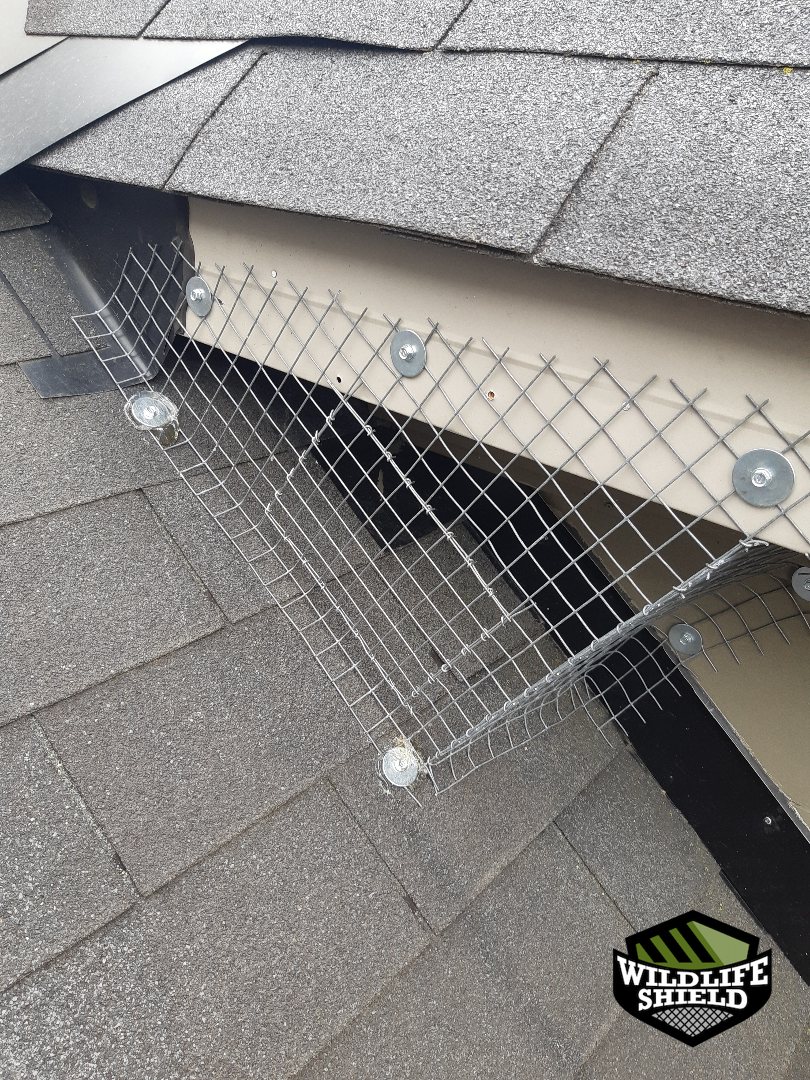
Wildlife Shield was contacted to assess reported raccoon activity on a residential roof in Toronto. While no active roof entry point was confirmed during inspection, multiple vulnerable roof and soffit areas were identified. Preventive exclusion and sanitation work was completed to reduce the risk of raccoon access and future roof damage.
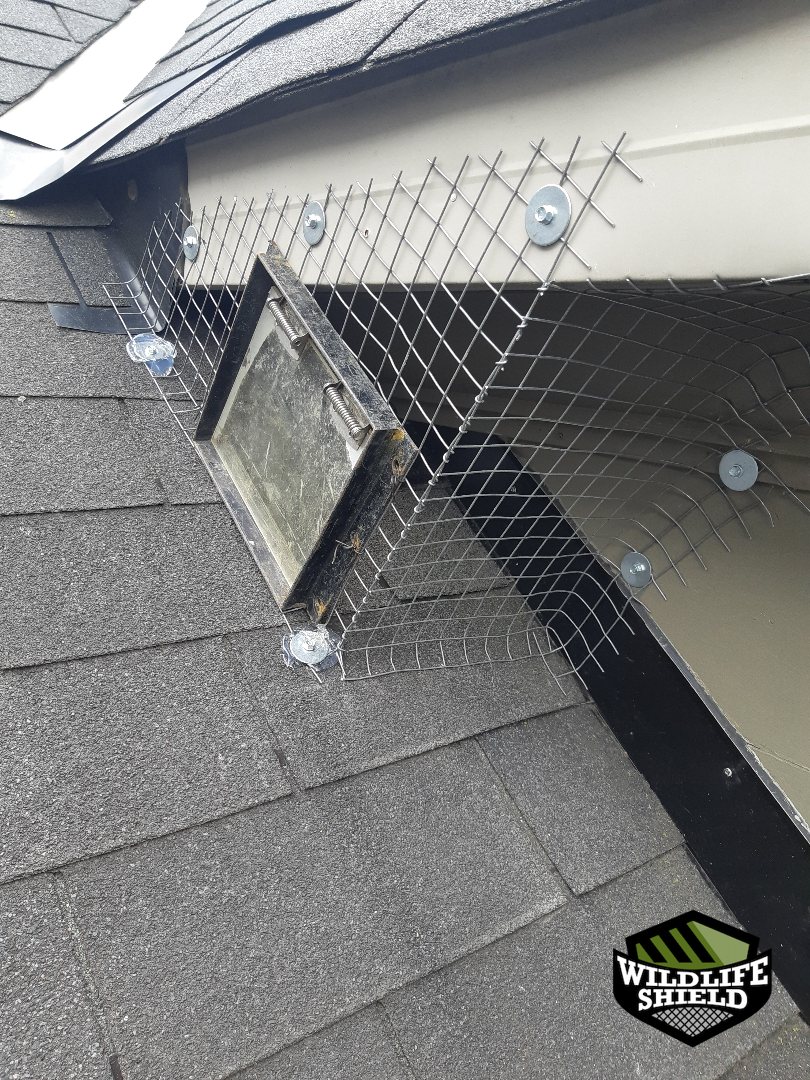
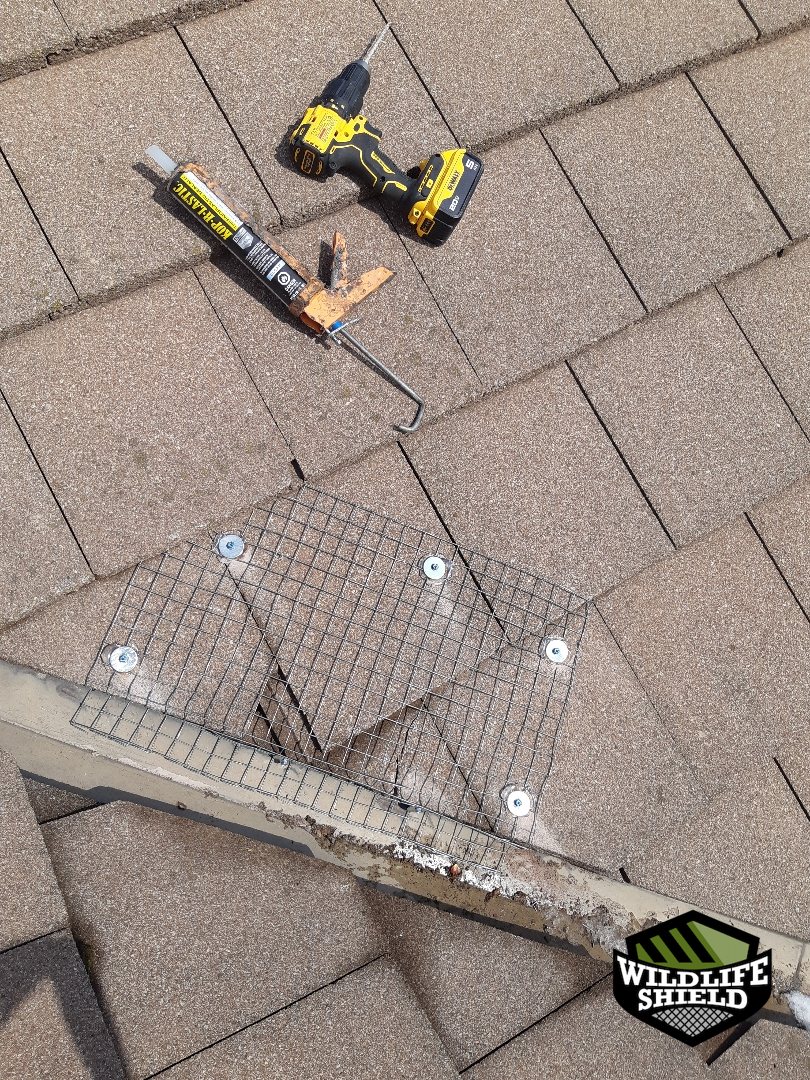
Background / Property Context

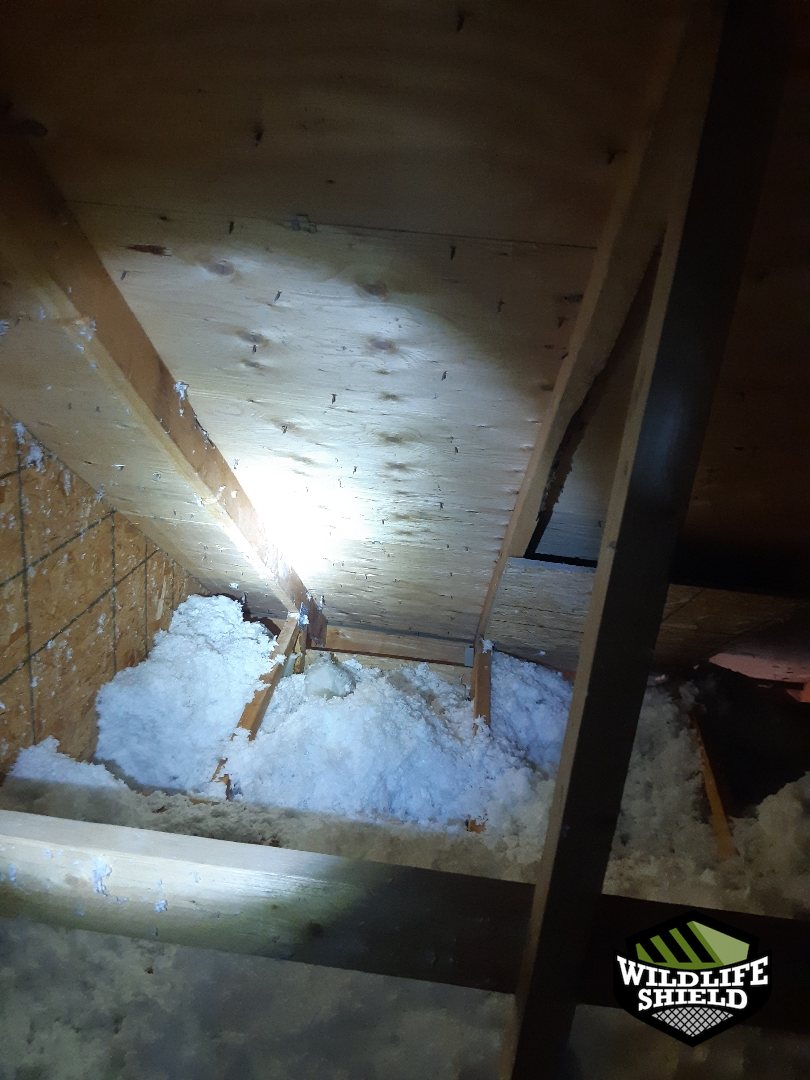
The property is a two-storey detached red brick home with a pitched asphalt shingle roof. Several roof penetrations, soffit intersections, and vent bases were present, which are common attractants for raccoons seeking shelter or leverage points. Mature trees and nearby structures provided roof access opportunities.

Customer Concern

The homeowner reported seeing raccoon activity on the roof and was concerned about the possibility of entry into the roof system or attic space. Although no interior disturbance was reported, the customer requested a thorough inspection and preventive sealing of sensitive areas.

Inspection & Findings

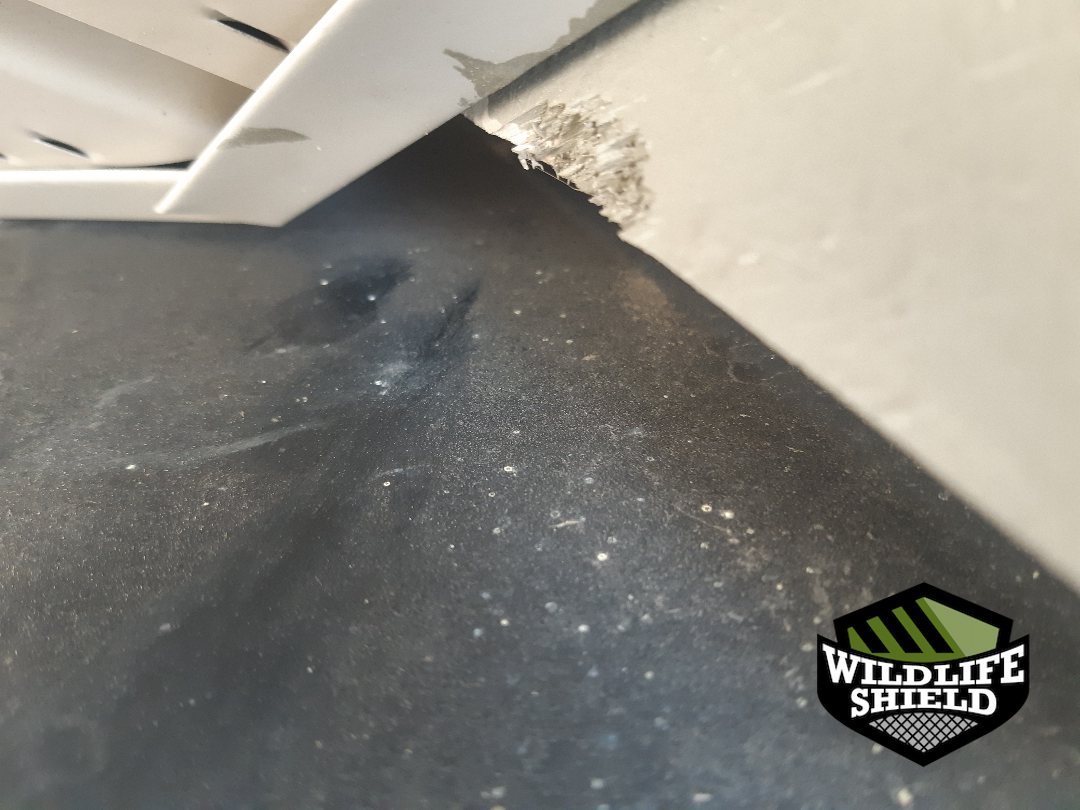
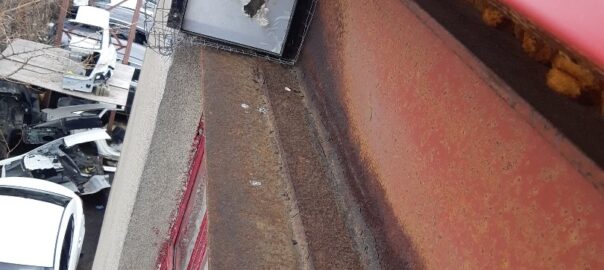
During the initial inspection, Ardian assessed the full roof surface, vents, plumbing stacks, and soffit intersections. No primary entry point into the roof or attic was identified at the time of service. However, staining, debris, and raccoon droppings were observed on roof surfaces, indicating regular rooftop activity. Several roof penetrations and soffit junctions were identified as potential future entry points if left unprotected.
 

Cause Analysis

Raccoons commonly access residential roofs when overhanging trees, adjacent structures, or roof geometry provide climbing opportunities. Roof vents, plumbing stacks, and soffit intersections can be manipulated by raccoons using body weight and leverage, particularly when flashing or shingles loosen over time. Repeated rooftop activity often precedes attempts to gain entry.
Treatment / Removal

No animal removal was required, as no raccoon was occupying the structure at the time of inspection. Preventive exclusion measures were recommended and approved by the homeowner during the initial visit.

Raccoon droppings present on the roof surface were removed and treated using hospital-grade botanical disinfectants, followed by high-temperature steam sanitation exceeding 100 degrees to reduce biological contamination.

Exclusion & Repairs

Wildlife Shield completed the following exclusion work during the first visit:

  • Installed four galvanized steel roof vent covers to prevent raccoon access through vent openings.
  • Sealed three plumbing vent bases with galvanized steel mesh to prevent shingles from being lifted.
  • Secured one large soffit intersection using approximately seven feet of galvanized steel mesh.
  • Reinforced a second soffit intersection with galvanized steel mesh to eliminate access gaps.

All materials were mechanically fastened and conformed to the existing roof and soffit structure to ensure durability and weather resistance.


Outcome & Confirmation

A follow-up visit was completed to confirm that all exclusion materials remained secure and properly fitted. No further raccoon activity was reported by the homeowner. All sealed areas were re-inspected, and the roofline showed no signs of new disturbance or attempted entry.

Technician Notes

Ardian completed a full rooftop inspection and preventive exclusion service. No structural entry was present at the time of inspection. Work focused on long-term wildlife prevention at known raccoon pressure points. All work was completed safely using working-at-heights procedures.

This work was completed by our Toronto Wildlife control team. For Wildlife control inquiries in Toronto, contact 647-496-2211.

14 Jun

Raccoon Exclusion Between Side Fence and Deck – Toronto

Job Overview

Location: Toronto, Ontario
Structure: Semi-attached two-story house with second story built into the roof
Problem: Raccoon activity reported under a deck
Service: Raccoon exclusion
Visits: 2

Summary

We were contacted regarding suspected raccoon activity beneath a rear deck. During inspection, our team confirmed that the animals were not living under the deck itself, but instead had established a denning area within a narrow void between two side fences adjacent to the house. A humane exclusion and full mesh containment were completed over two visits, with no further activity reported following completion.

Background / Property Context

The property is a semi-attached home with limited side-yard clearance. A deck spans the width of the rear yard, restricting access beneath it and concentrating animal movement along the narrow fence line beside the structure. This created a concealed and sheltered corridor suitable for wildlife denning.

Customer Concern

The homeowner reported raccoon activity believed to be coming from under the deck, with concerns about ongoing noise and the presence of young animals.

Inspection & Findings

Inspection confirmed raccoon occupancy within the confined space between two parallel fences along the side of the house. Evidence indicated an adult raccoon and mobile young using this corridor, with access extending toward the deck area. No active denning was found directly beneath the deck structure.

Photos show a long, narrow gap between fence structures and the house, with exposed soil at the base and overhead coverage created by adjacent structures. The area appeared shielded from view and weather.


Cause Analysis

The issue developed due to a combination of tight structural spacing and limited human access along the side of the house. The fence configuration created a protected travel and nesting corridor that raccoons could access from ground level. Seasonal breeding behavior likely contributed to the presence of both an adult raccoon and young in this location.

Treatment / Removal

Because the deck spanned the full width of the yard and could not be excluded directly, exclusion efforts focused on the side fence corridor. Galvanized steel mesh was installed along both sides and across the top of the fenced gap to fully contain the area. One-way doors were installed to allow the adult raccoon and mobile young to exit safely without re-entry. All work was completed using humane, non-lethal methods.

Exclusion & Repairs

The steel mesh was securely fastened to existing wood and structural surfaces using mechanical fasteners and washers. Mesh coverage extended from ground level to the upper fence line to eliminate climb-back opportunities. Photos show tightly secured galvanized mesh following the contour of the fence line and house, with no visible gaps remaining.


Outcome & Confirmation

At the follow-up visit, the homeowner reported no new raccoon activity. The one-way doors were removed, and the exclusion work was inspected in full. No movement, entry attempts, or signs of wildlife activity were observed through the fenced corridor or beneath the deck. The exclusion remained intact, and the issue was considered resolved.

Technician Notes

The work was completed over two visits by our technician, Ardian. Due to the deck occupying the entire yard width, exclusion under the deck was not feasible; however, full containment of the side fence corridor successfully addressed the access point. All materials remained secure at the final inspection.