03 May

Squirrel and Raccoon Attic and Deck Exclusion – Toronto

Job Overview

Location: Toronto, Ontario
Structure: Two-story Victorian century home with raised foundation
Problem: Early-morning attic noise consistent with squirrel activity; secondary wildlife presence under rear deck
Service: Squirrel and raccoon removal and exclusion
Visits: 2

Summary

Wildlife Shield responded to reports of attic activity at a century home and completed a full inspection that identified squirrel access at the soffit and a raccoon denning area beneath the rear deck. Humane one-way doors and permanent exclusion materials were installed to resolve both issues. A follow-up visit confirmed successful removal and secure exclusion.

Background / Property Context

The property is an older Victorian-style home with original wood soffits and a raised foundation. The age and construction materials presented natural vulnerability points along the roofline and deck areas that wildlife could exploit.

Customer Concern

The homeowner reported early-morning noise in the attic, raising concerns about squirrels entering the structure. During the inspection, additional wildlife activity was identified beneath the back deck.

Inspection & Findings

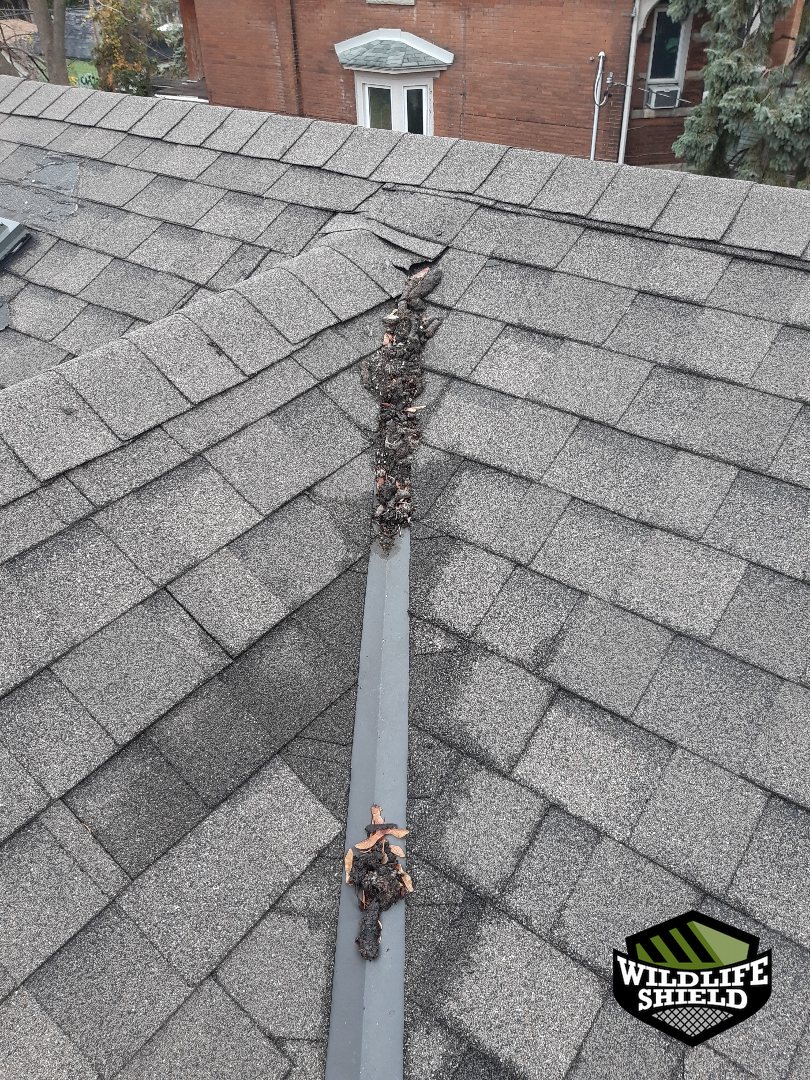
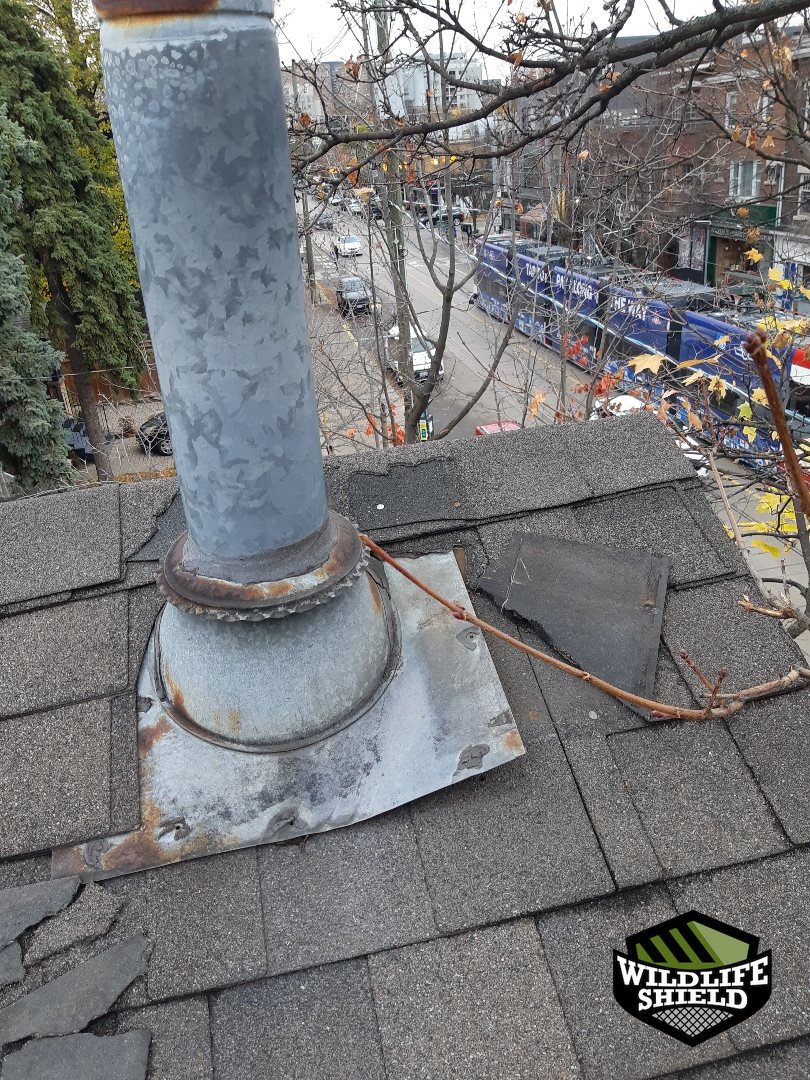
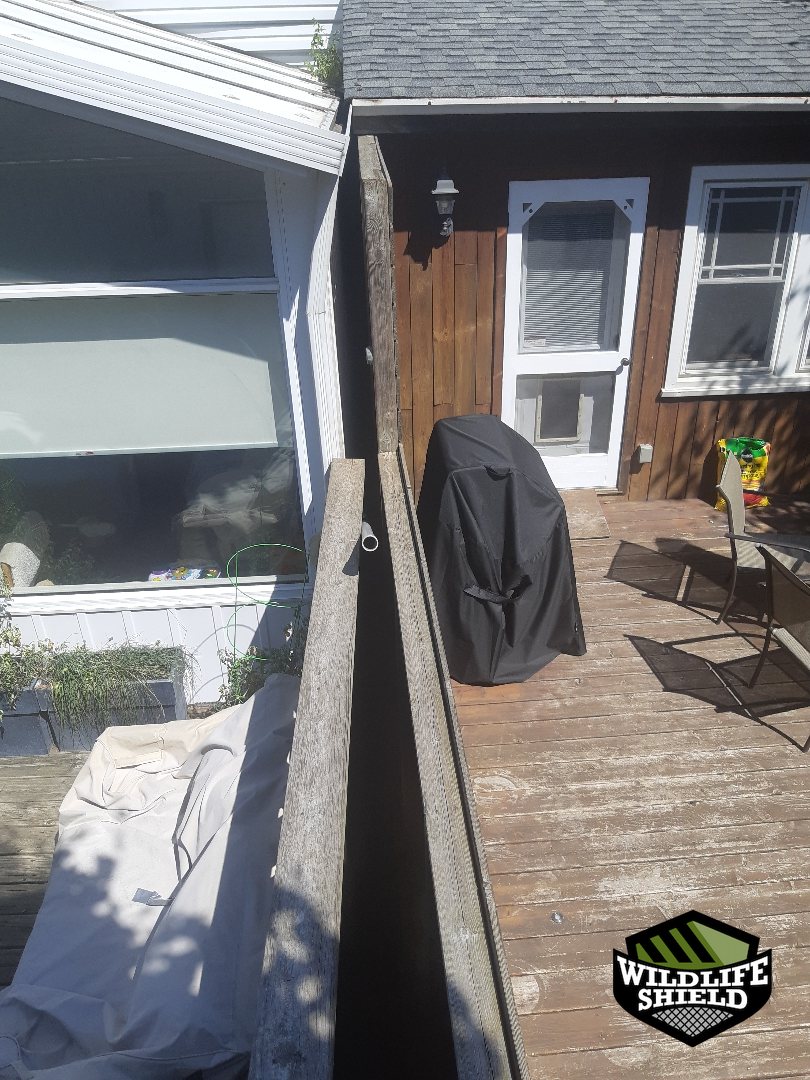
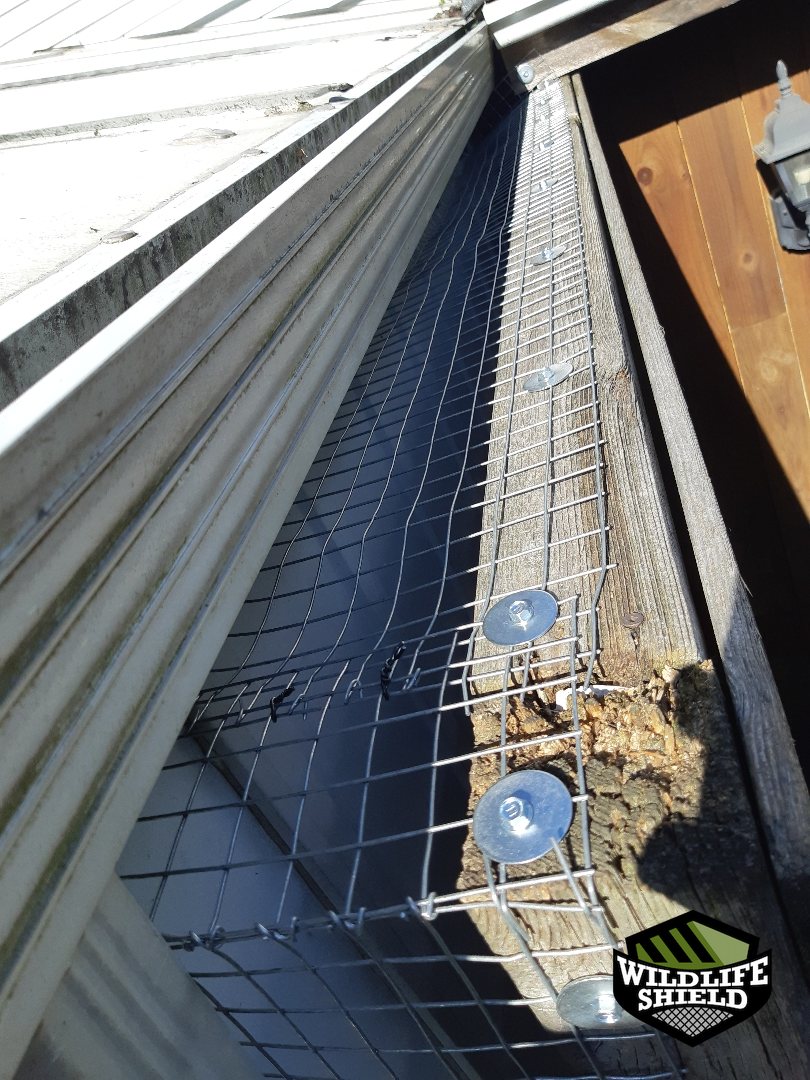
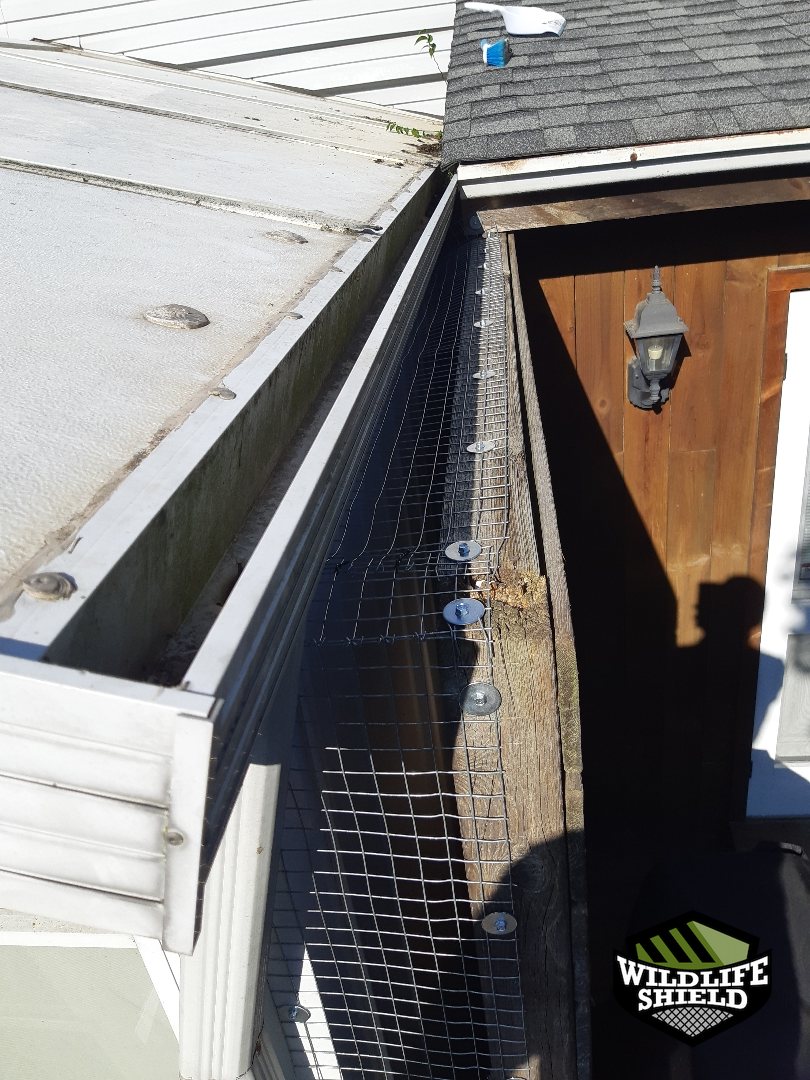
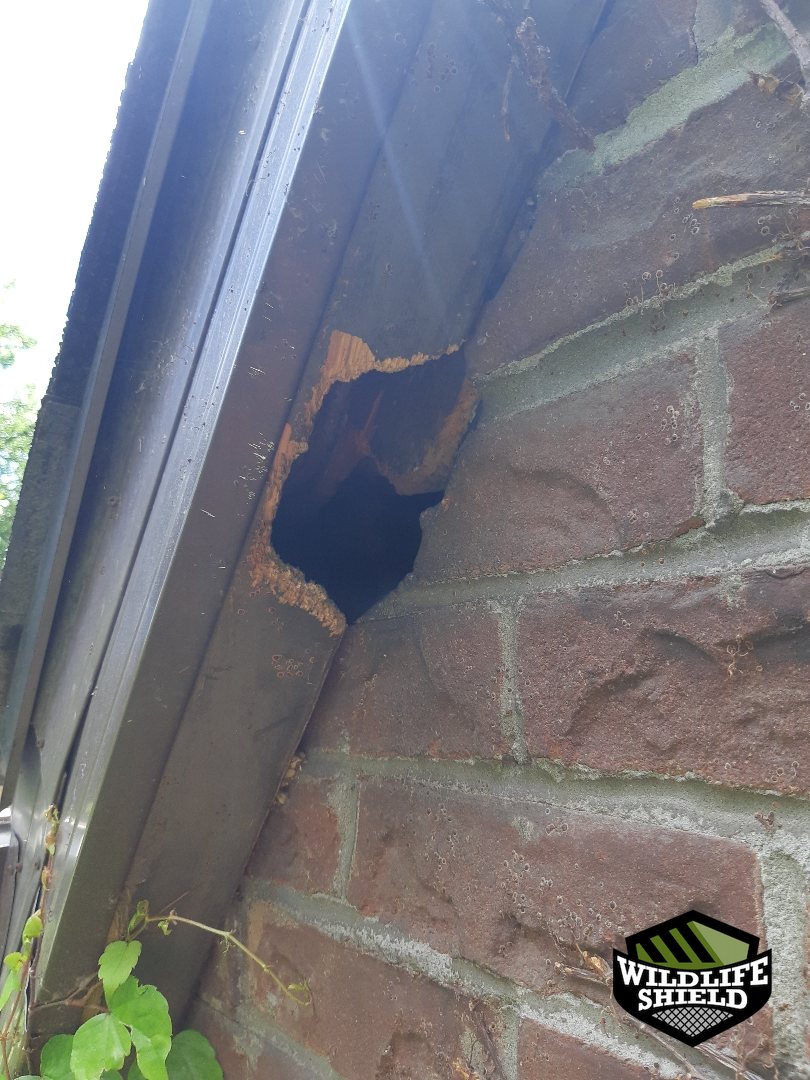
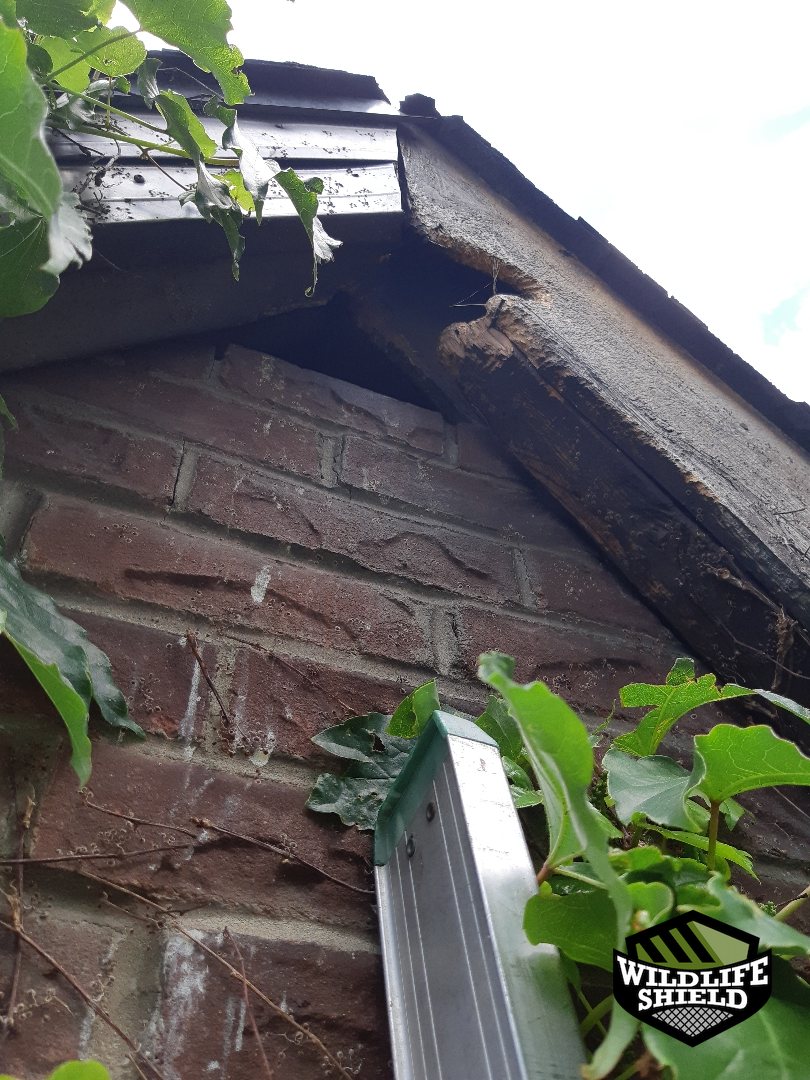
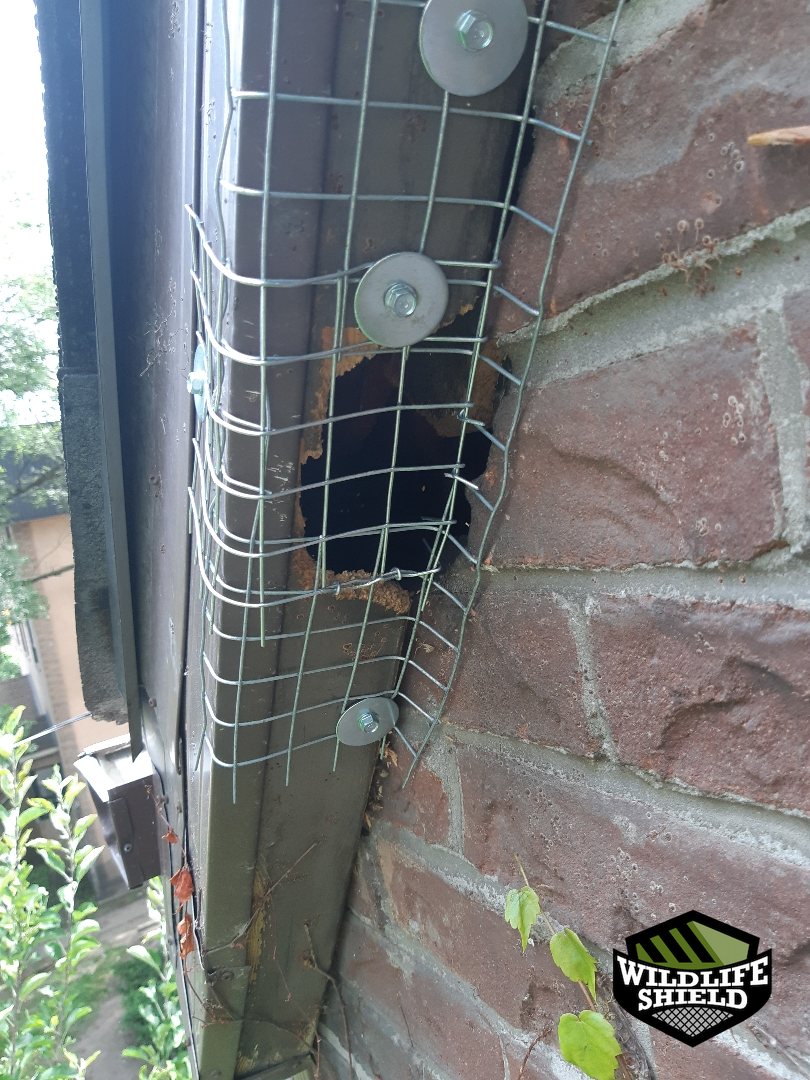
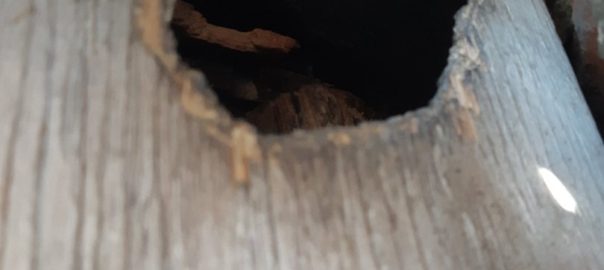
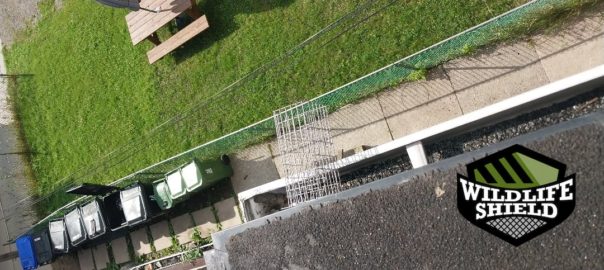
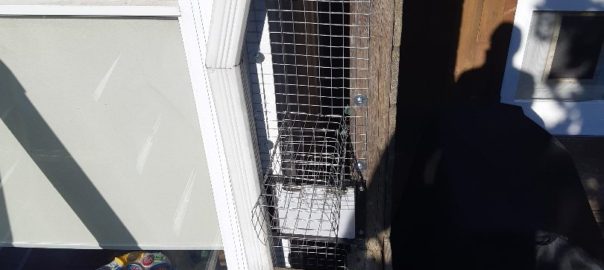
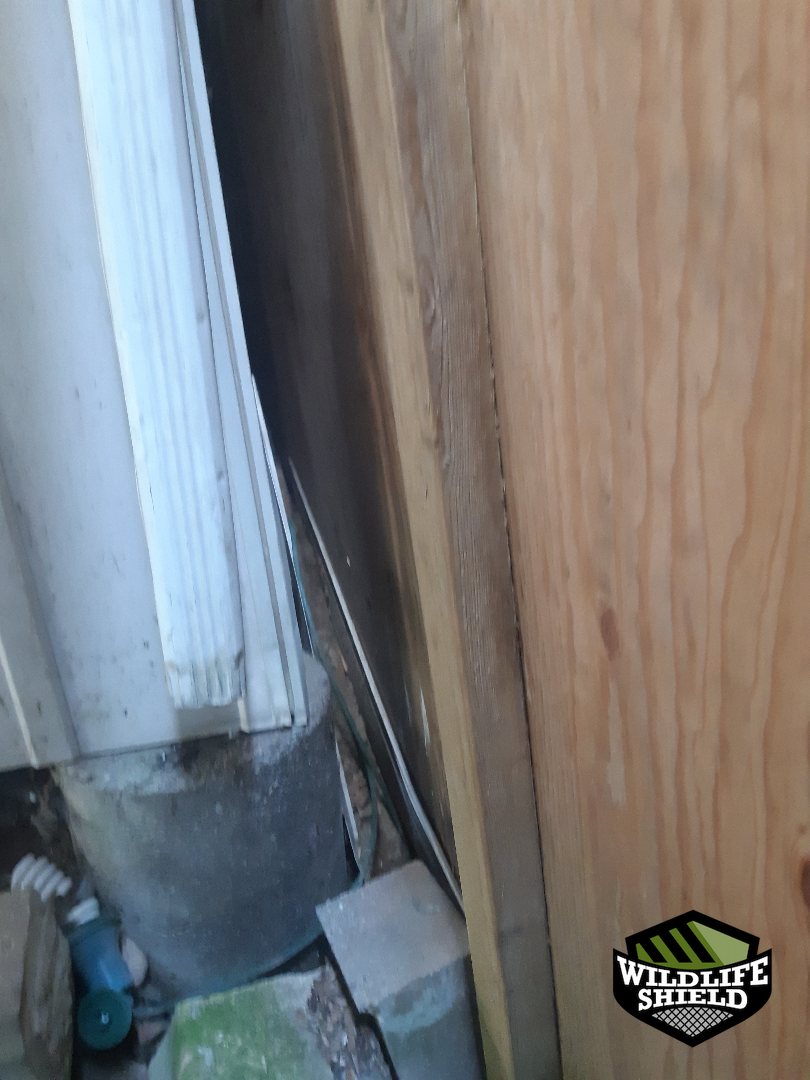
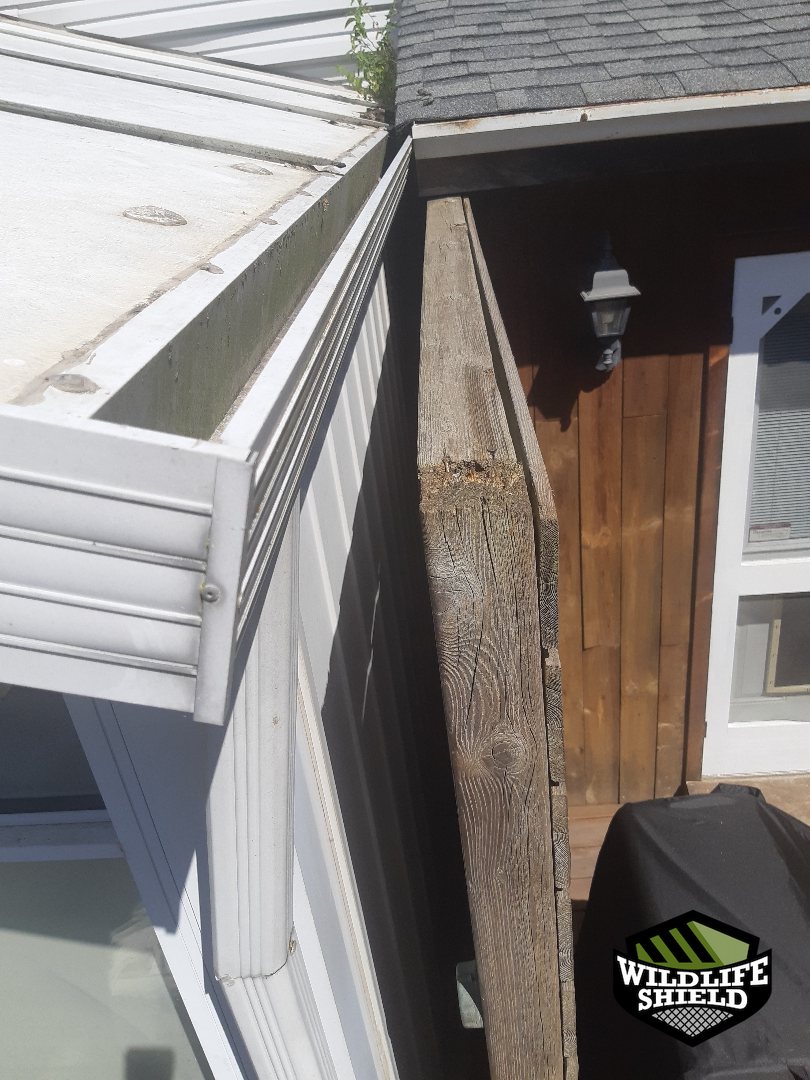
A roof-level inspection was completed by two technicians due to the height and safety requirements. An opening was observed at a soffit-to-wall intersection where the wood had been chewed through, consistent with squirrel entry behavior. At the rear of the property, signs of raccoon activity were found beneath the deck, including an opening suitable for an adult raccoon and dependent young.


Cause Analysis

Older wood soffits are more susceptible to chewing and deterioration, especially on century homes. Elevated rooflines provide squirrels with easy access points, while enclosed deck structures offer raccoons sheltered denning areas. These combined features created multiple entry opportunities for wildlife.

Treatment / Removal

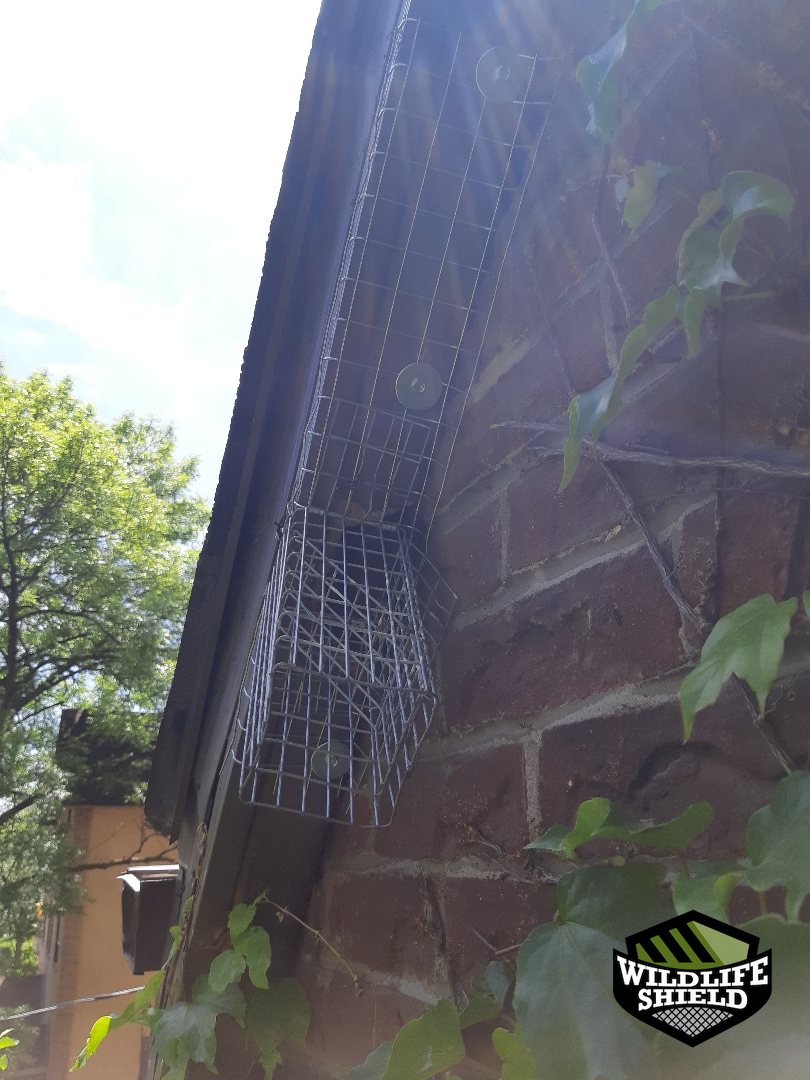
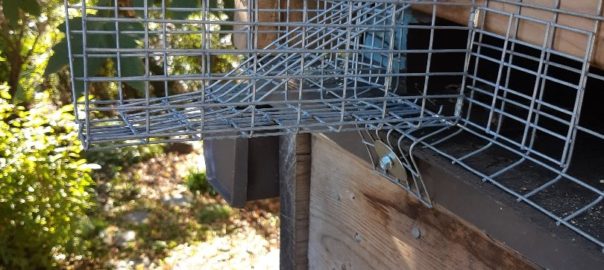
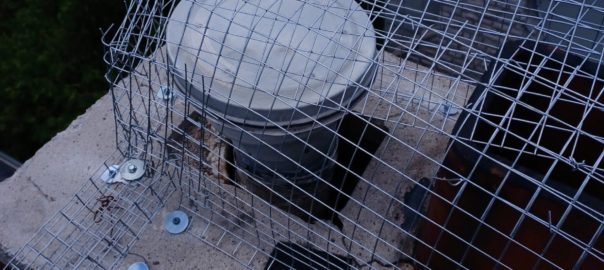
During the first visit, humane, non-lethal exclusion measures were installed. A one-way door was placed over the soffit opening to allow squirrels to exit without re-entry. A raccoon one-way door was installed at the deck entry point to allow the adult to leave, along with a separate provision to ensure dependent young could vacate safely.

Exclusion & Repairs

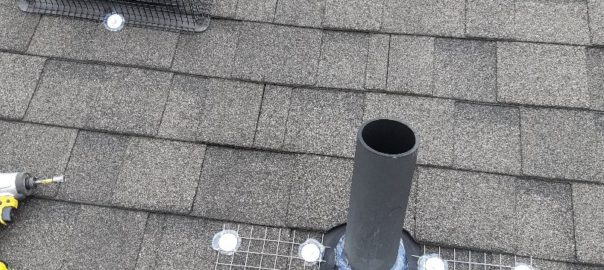
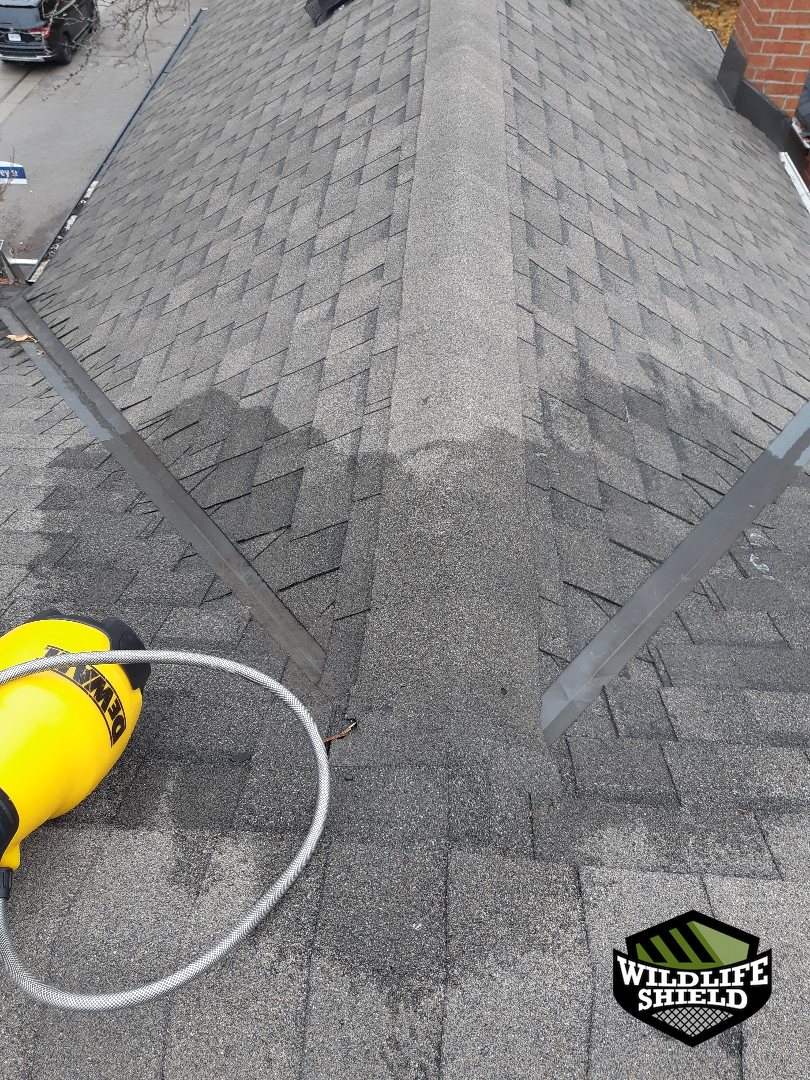
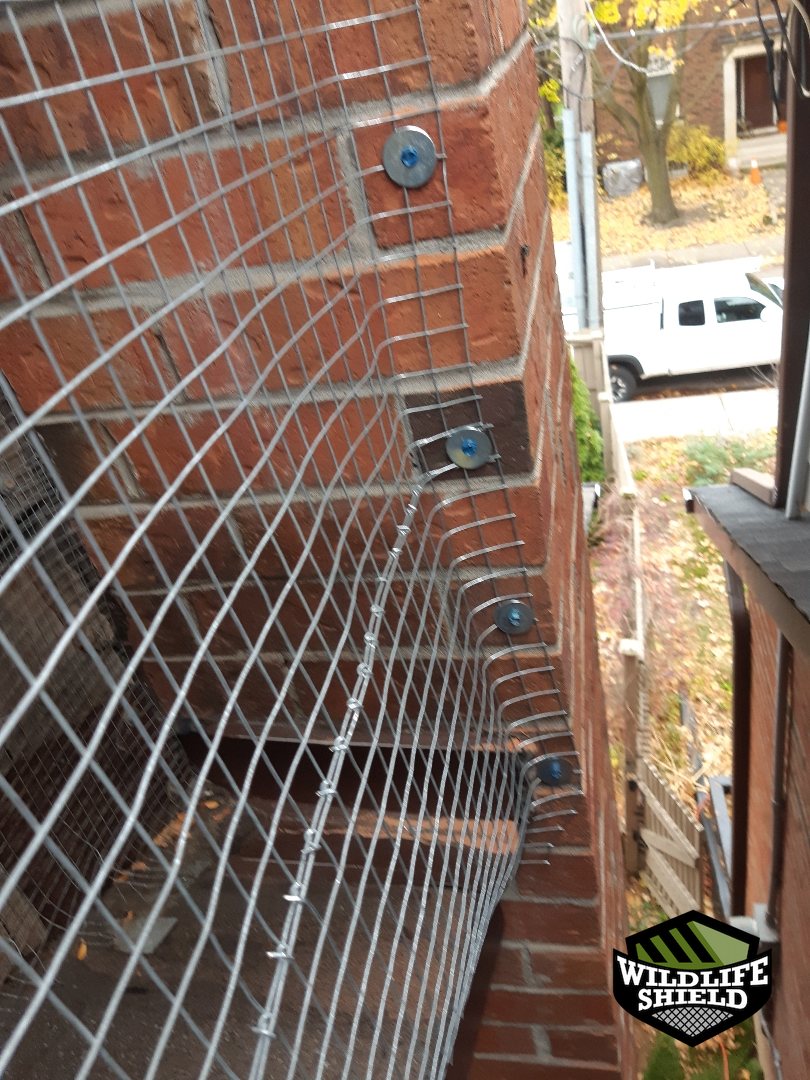
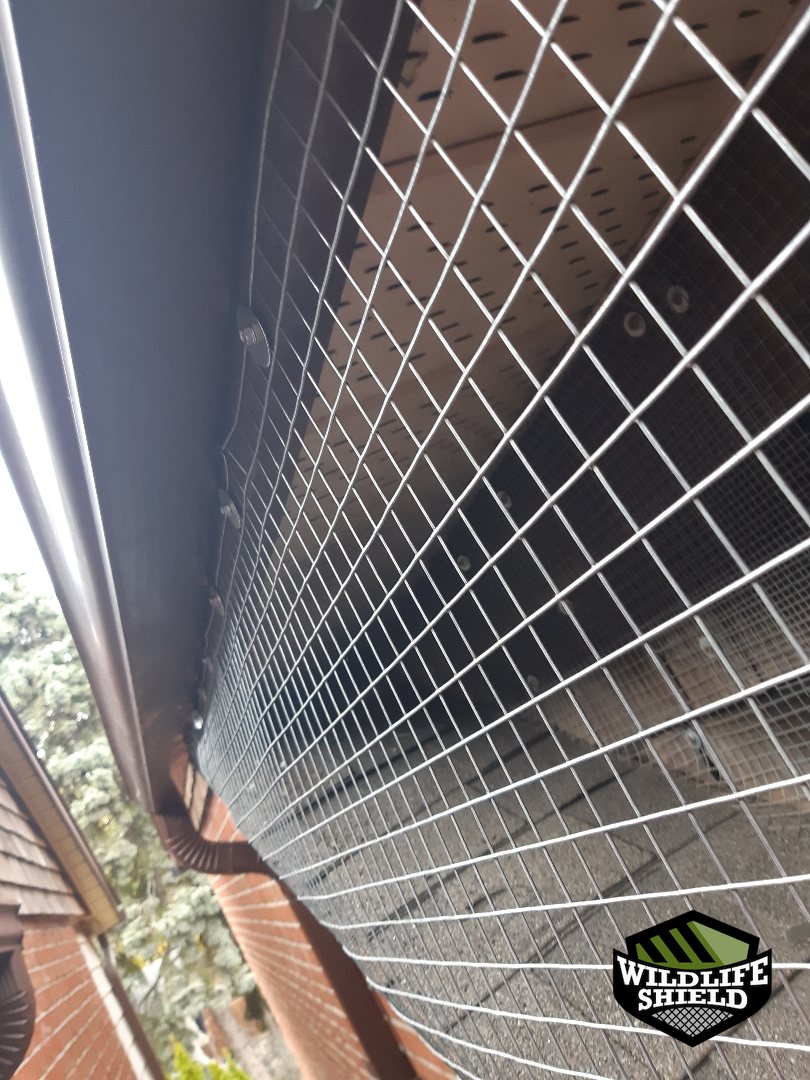
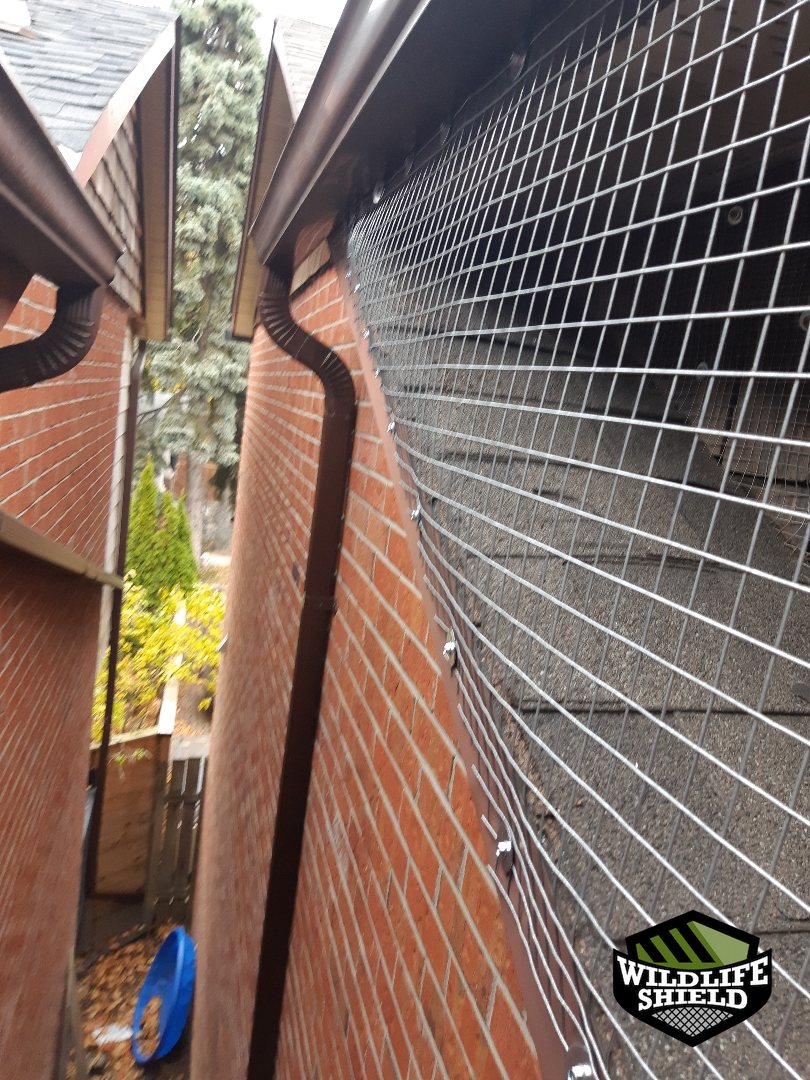
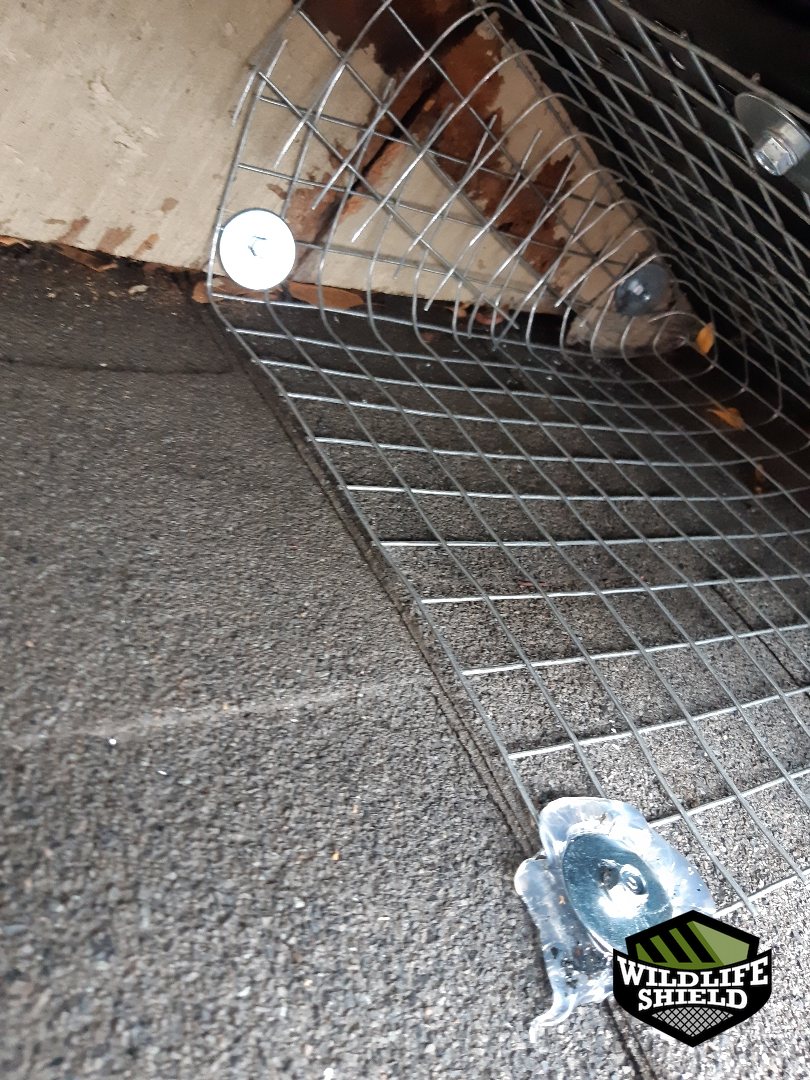
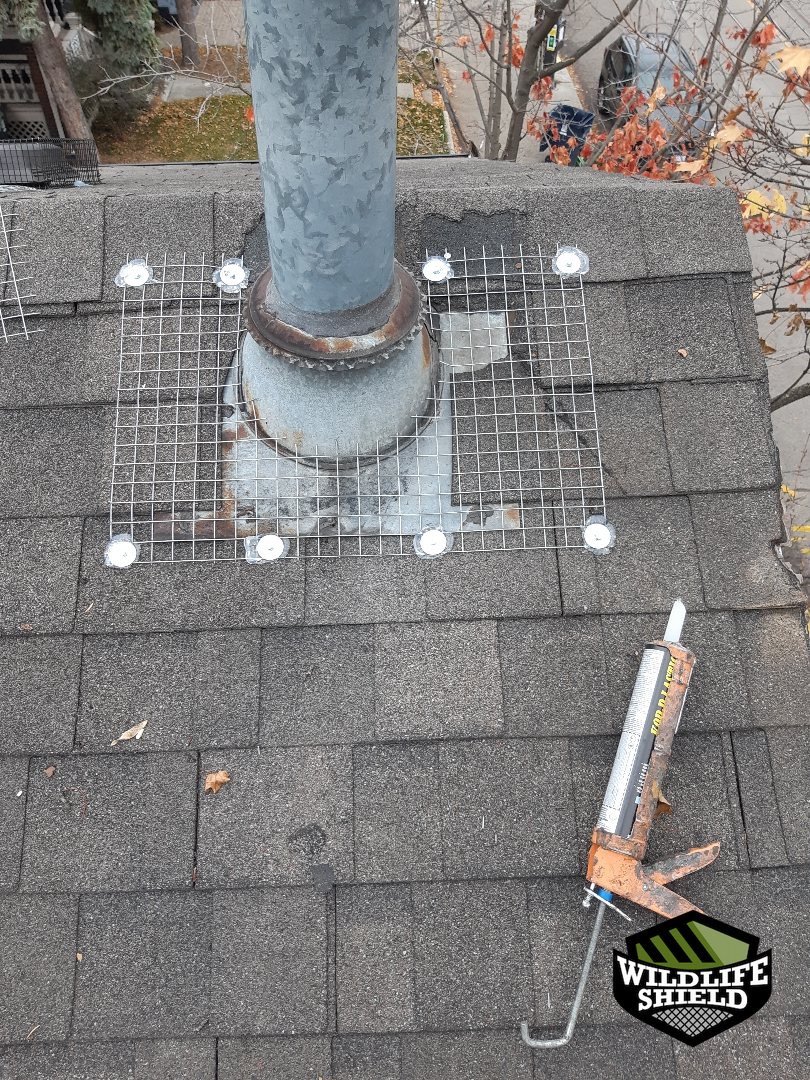
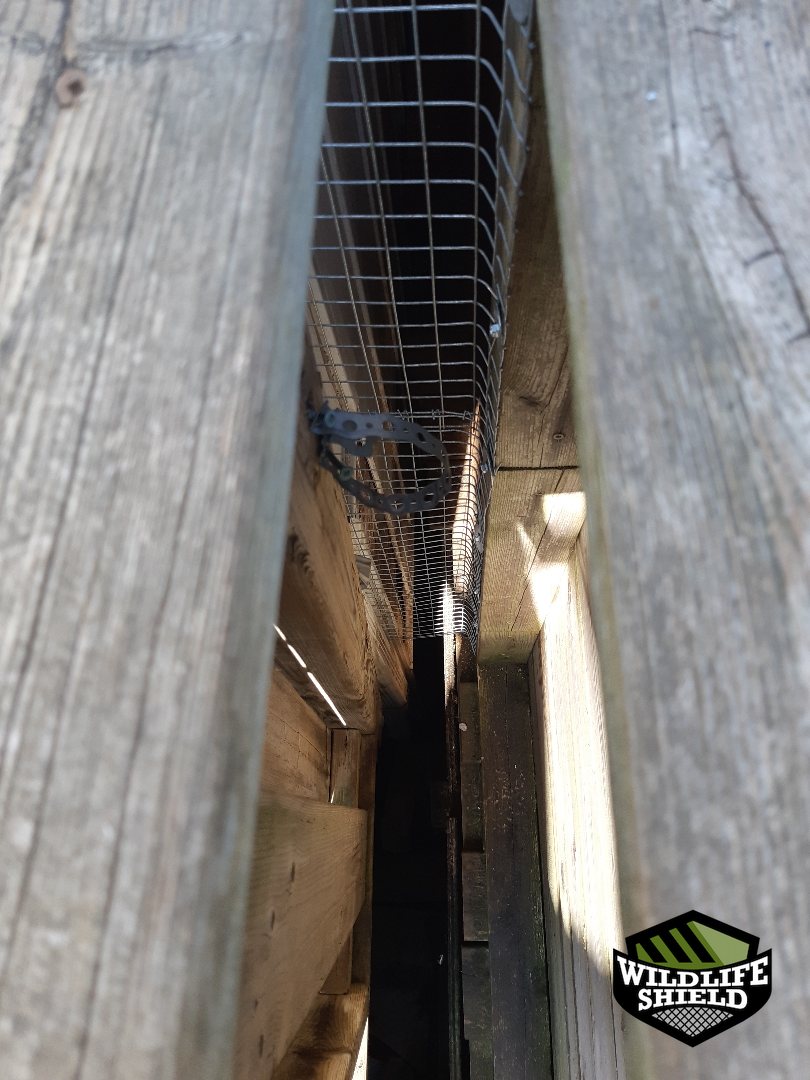
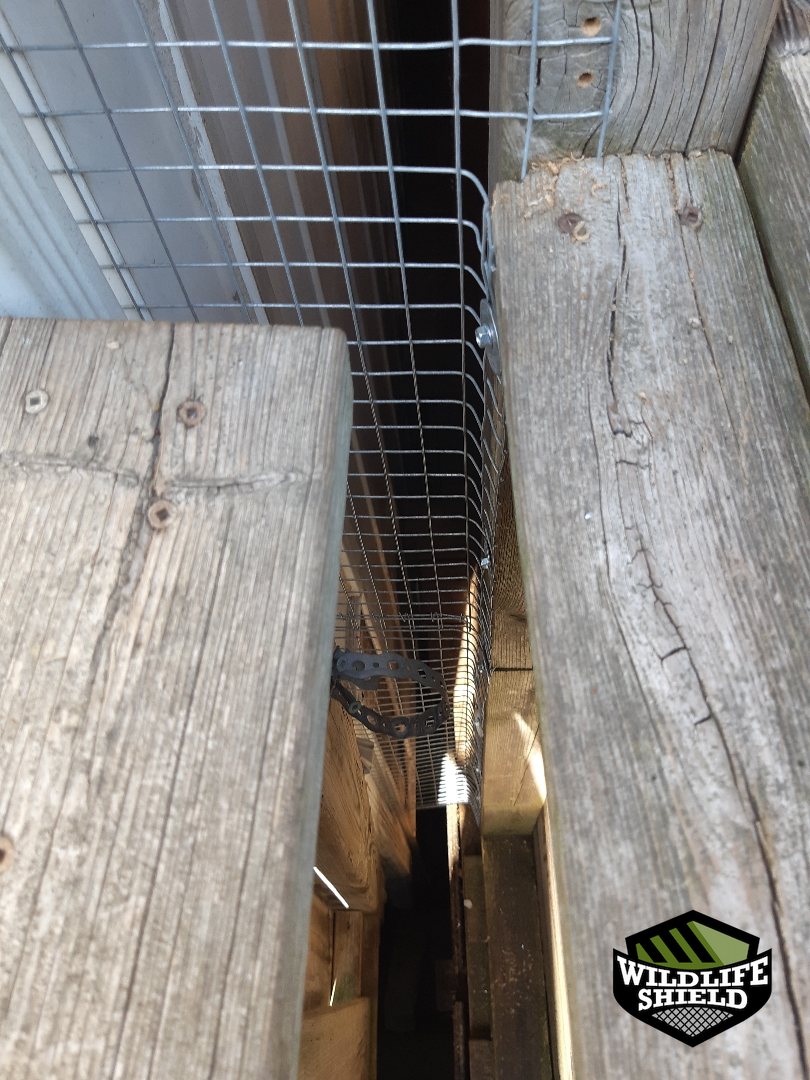
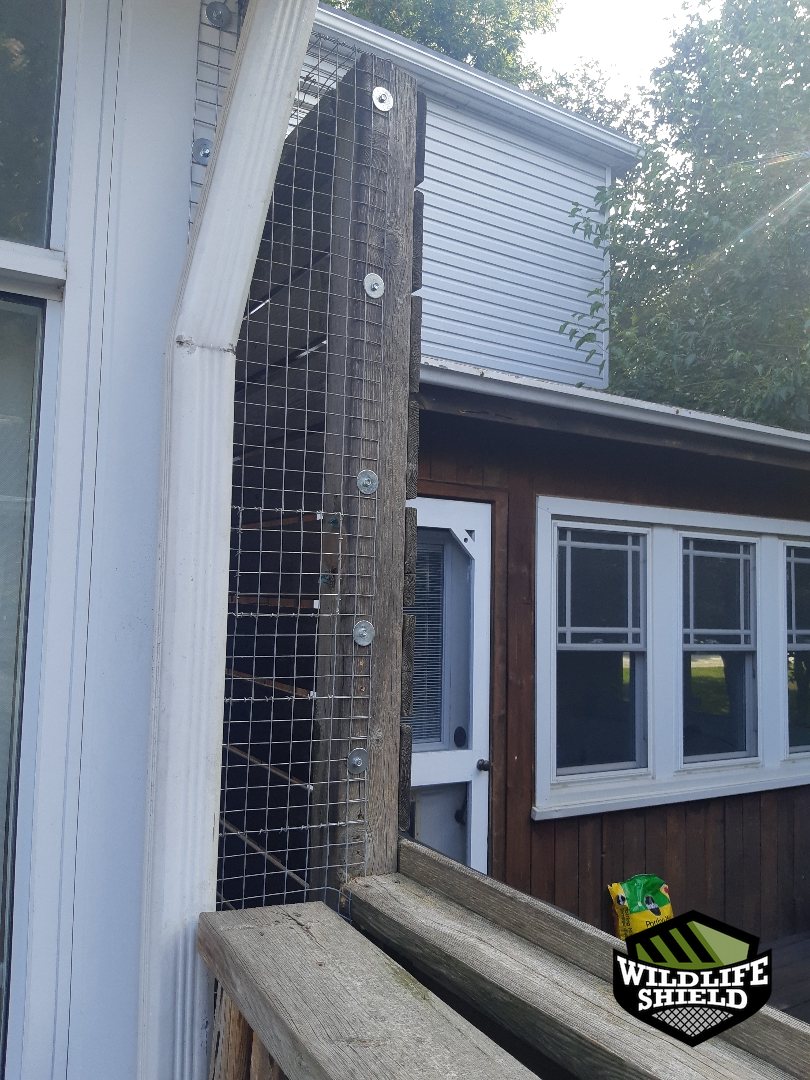
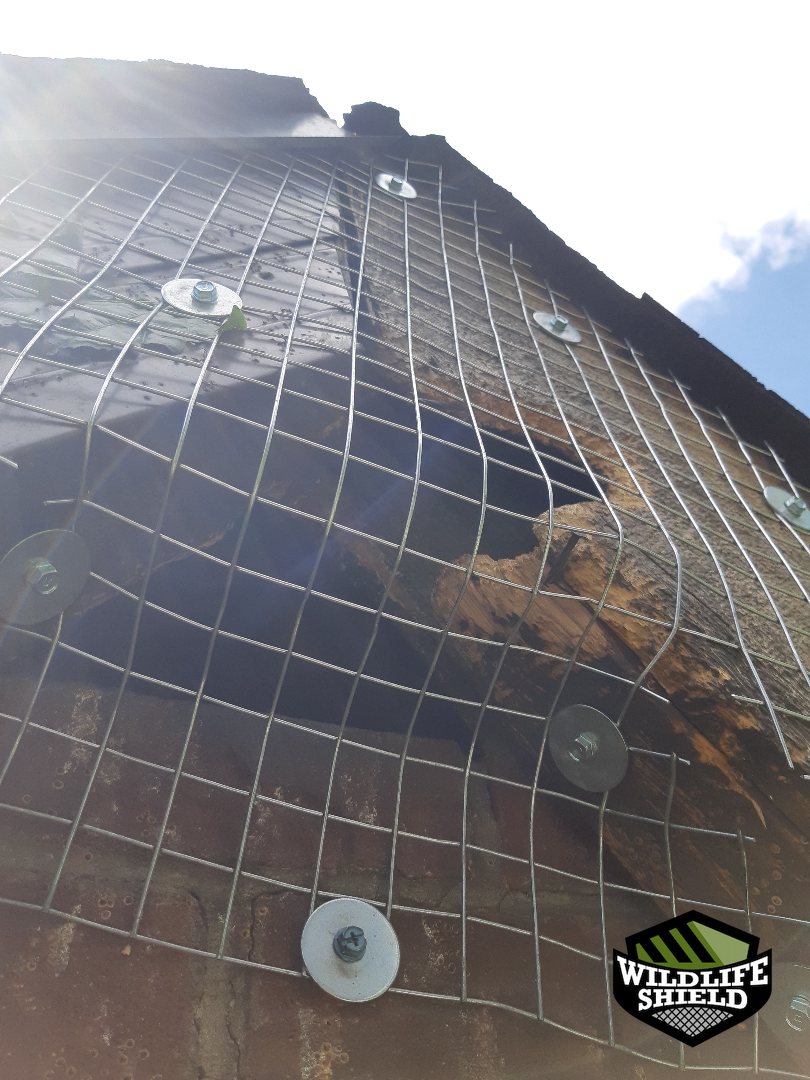
Galvanized steel mesh was installed over approximately fifteen feet beneath the deck to prevent future access. Additional galvanized mesh was secured at a secondary soffit area near the roof peak. All materials were fastened to cover existing gaps while maintaining ventilation and structural integrity.


Outcome & Confirmation

On the second visit, the homeowner reported no further wildlife activity. All one-way doors were removed, and the exclusion work was reinspected with no deficiencies found. No additional entry points or signs of return activity were observed.


Technician Notes

The work was completed without access limitations. Due to roof height, a two-technician setup was used for safety. Technician Ardian completed the primary roofline exclusion with support from Blerti during installation and final inspection.

This work was completed by our Toronto Wildlife control team. For Wildlife control inquiries in Toronto, contact 647-496-2211.
05 Apr

Raccoon Removal from Basement Ceiling and Crawlspace — Toronto

Job Overview

Location: Toronto, Ontario
Structure: Three-story Victorian century home with a front deck
Problem: Raccoon with young accessed crawlspace and basement ceiling after burrowing under deck and foundation
Service: Humane raccoon removal and structural exclusion
Visits: Two visits

Summary

We were contacted regarding persistent raccoon activity in the basement ceiling of a multi-level century home. Inspection confirmed a raccoon had burrowed under a rear deck, tunneled beneath the foundation, and accessed the basement ceiling cavity. The presence of young increased the complexity of the job and required careful, humane handling. All entry points were addressed and the structure was fully secured to prevent recurrence.

Background / Property Context

The property is an older Victorian home with a raised rear deck and crawlspace construction. The deck design and soil conditions allowed wildlife access beneath the structure, creating concealed pathways to the foundation wall and interior ceiling voids.

Customer Concern

The homeowner reported ongoing noise in the basement ceiling, including heavy movement and vocalizations consistent with wildlife. There were concerns that the animal had established a den inside the structure and that young were present.

Inspection & Findings

Our inspection identified multiple access points beneath the rear deck where soil had been displaced. A burrow was traced from under the deck, along the foundation, and into the crawlspace area. From there, the raccoon had entered the basement ceiling cavity.

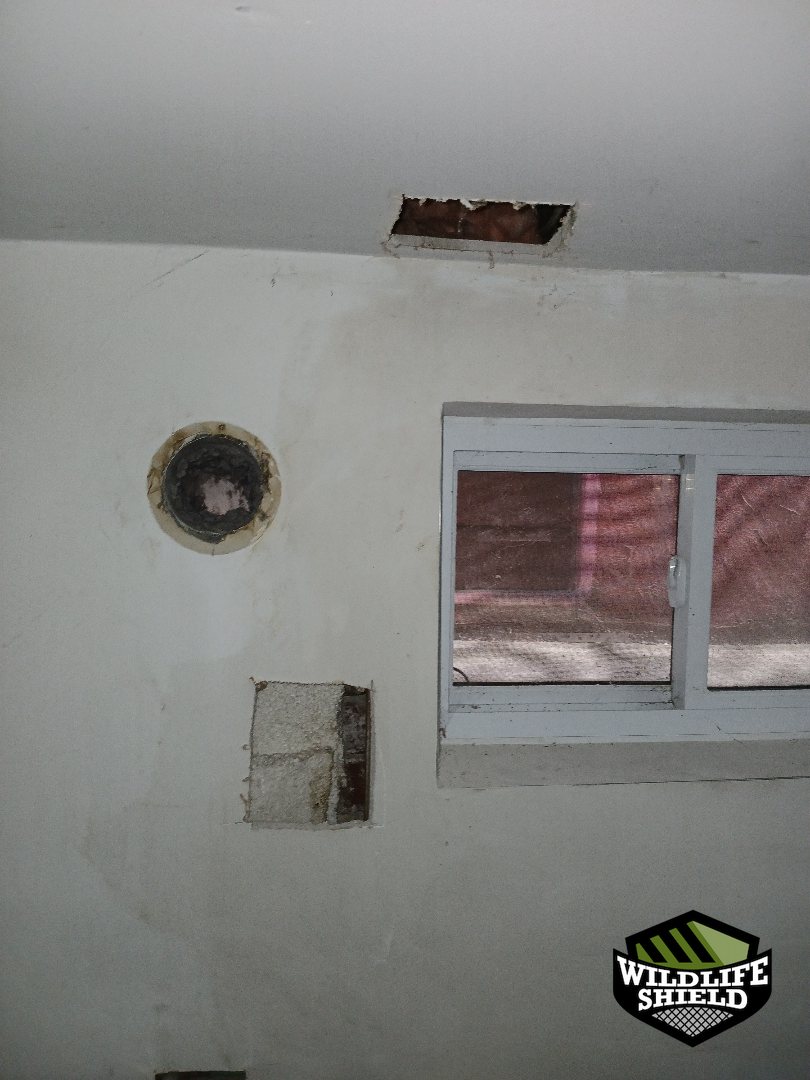
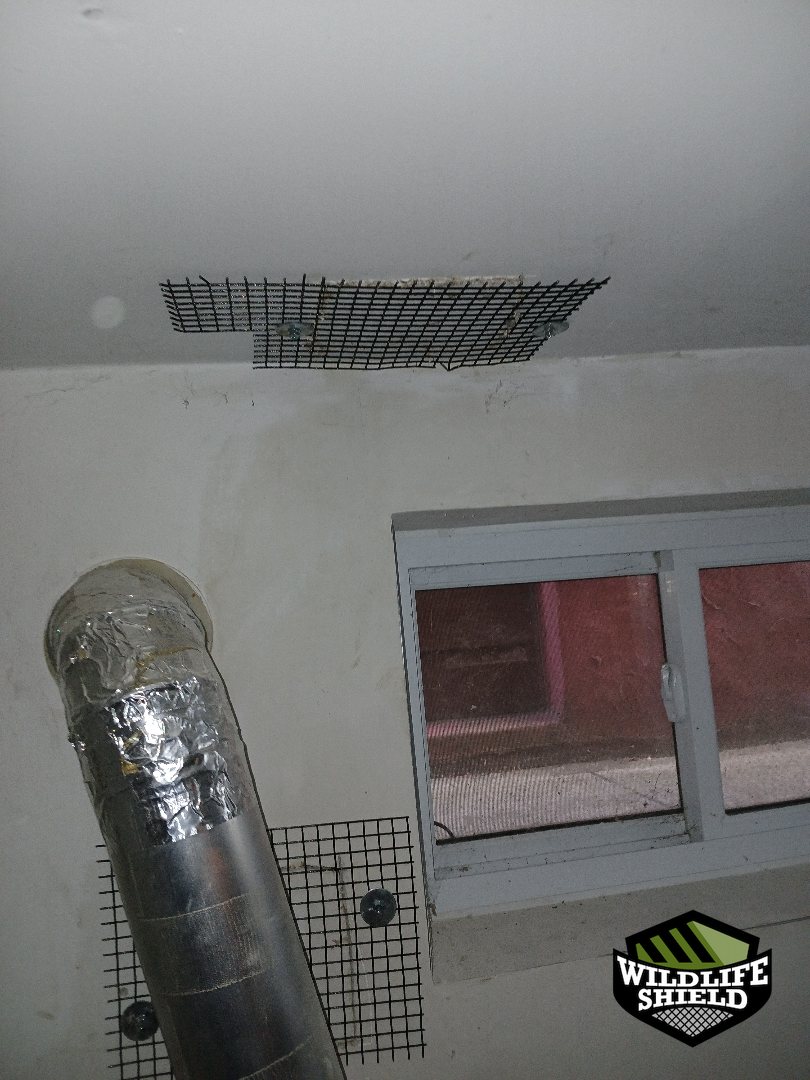
Interior inspection of the basement ceiling showed damaged drywall and signs of wildlife entry. Audio confirmation indicated the presence of young in the ceiling space.

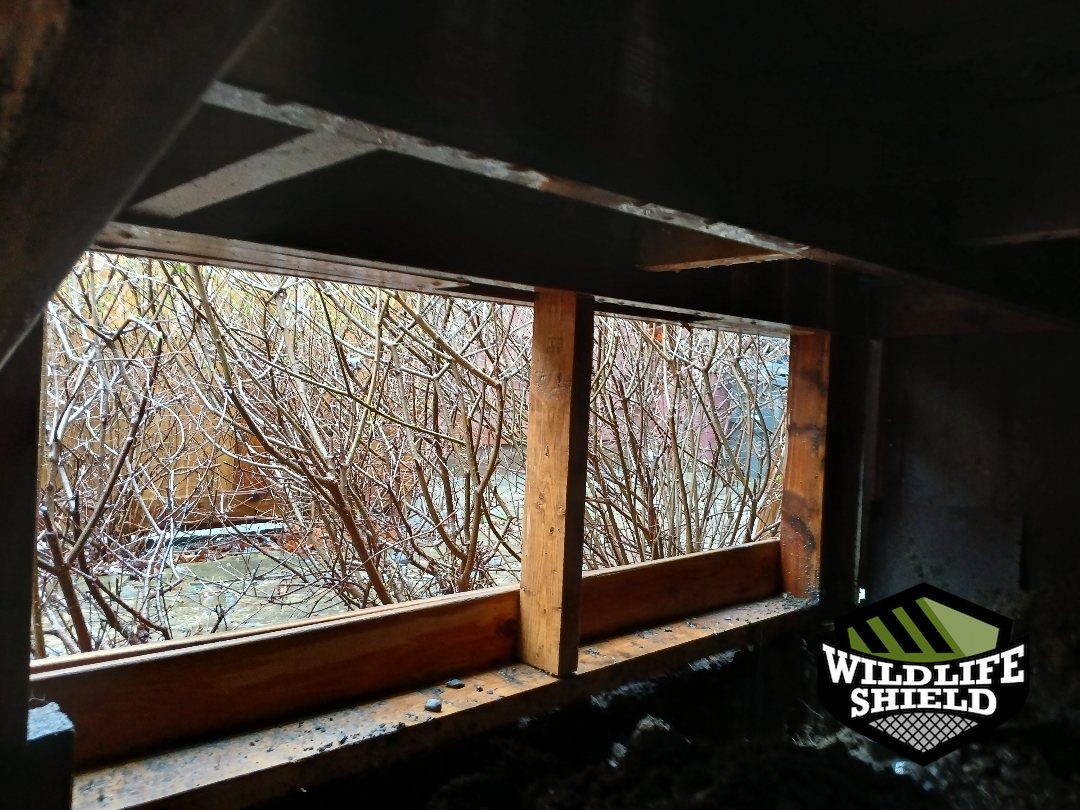
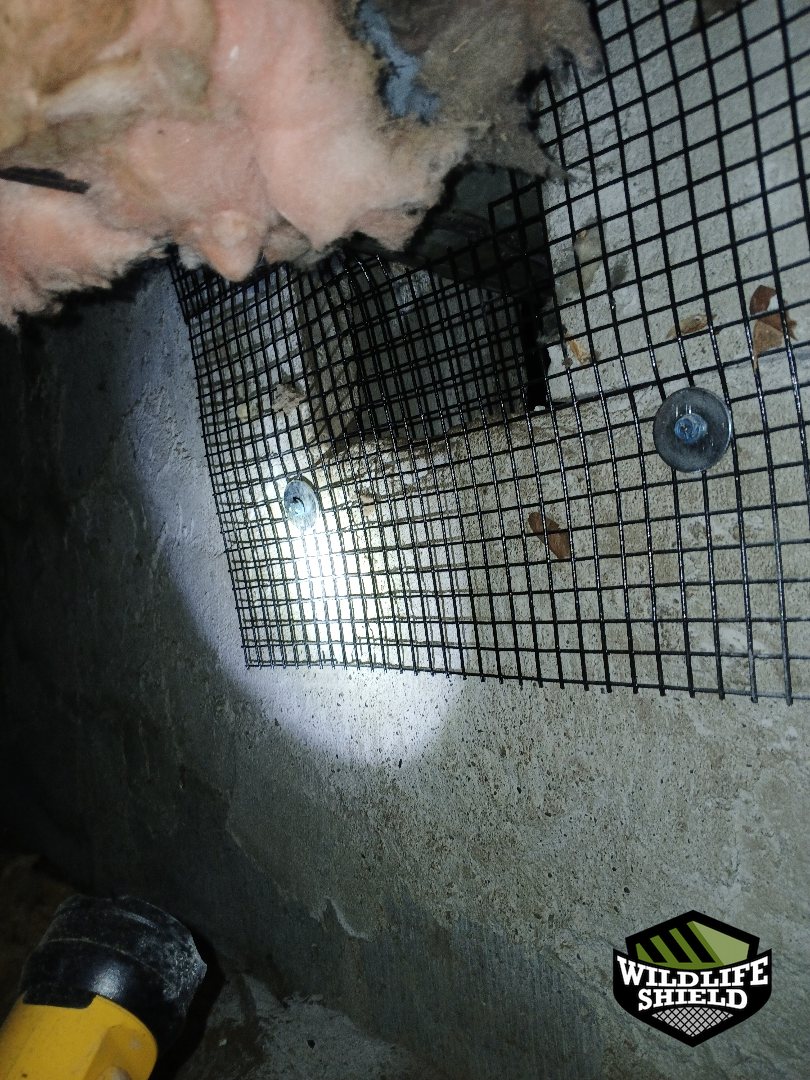
Photos show open foundation penetrations, vent openings without proper screening, and areas where drywall had been compromised to allow access.


Cause Analysis

Raccoons commonly seek sheltered denning areas during spring, especially in properties with decks and crawlspaces. In this case, soft soil adjacent to the deck and unprotected foundation openings allowed excavation beneath the structure. The age of the home and existing penetrations made the basement ceiling accessible once the crawlspace was reached.

Treatment / Removal

During the initial visit, technician Richard conducted a full exterior and interior assessment and identified all primary and secondary access points. A humane removal plan was established to ensure the adult raccoon could safely relocate her young.

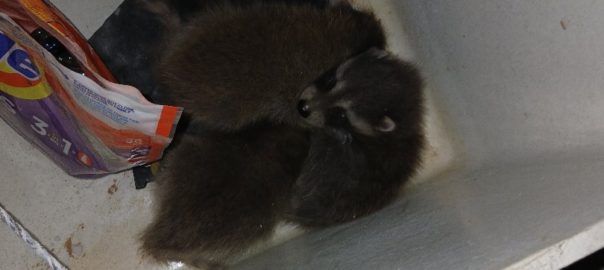
During the second visit, interior drywall was carefully opened to access the ceiling cavity. The young raccoons were retrieved, which prompted the adult to vacate the structure naturally and relocate with them. No trapping or forced removal was required, and no one-way door was ultimately needed due to the immediate vacating behavior.

Exclusion & Repairs

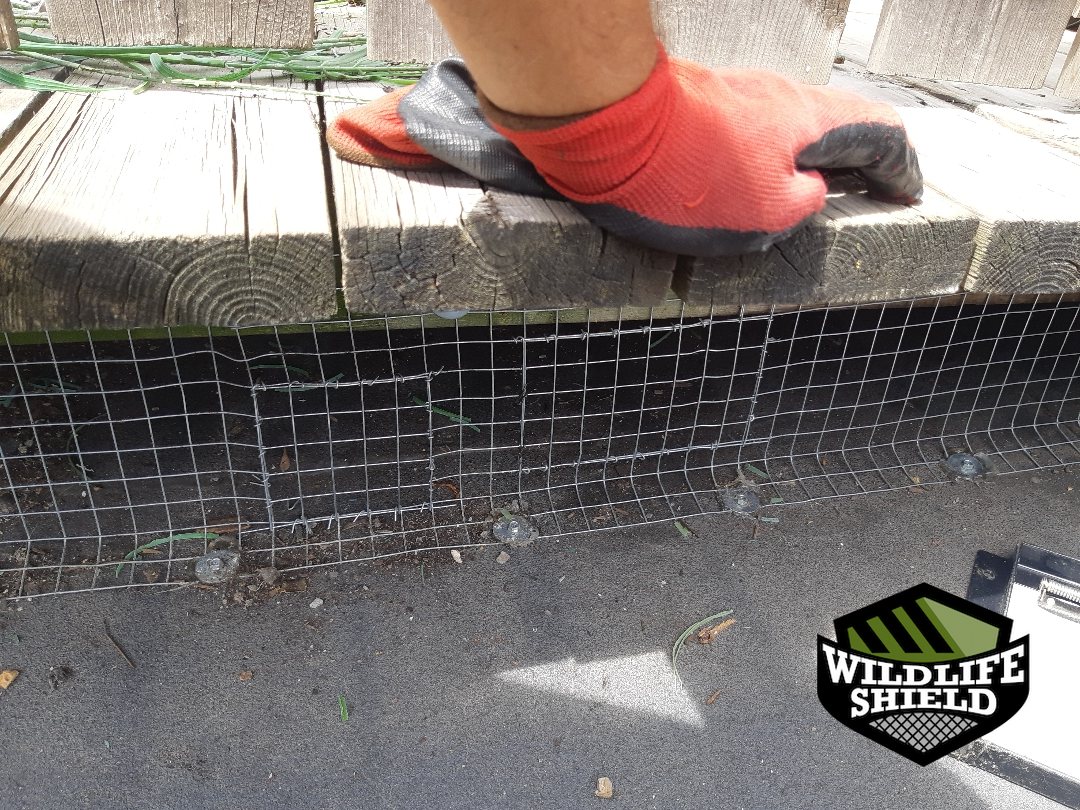
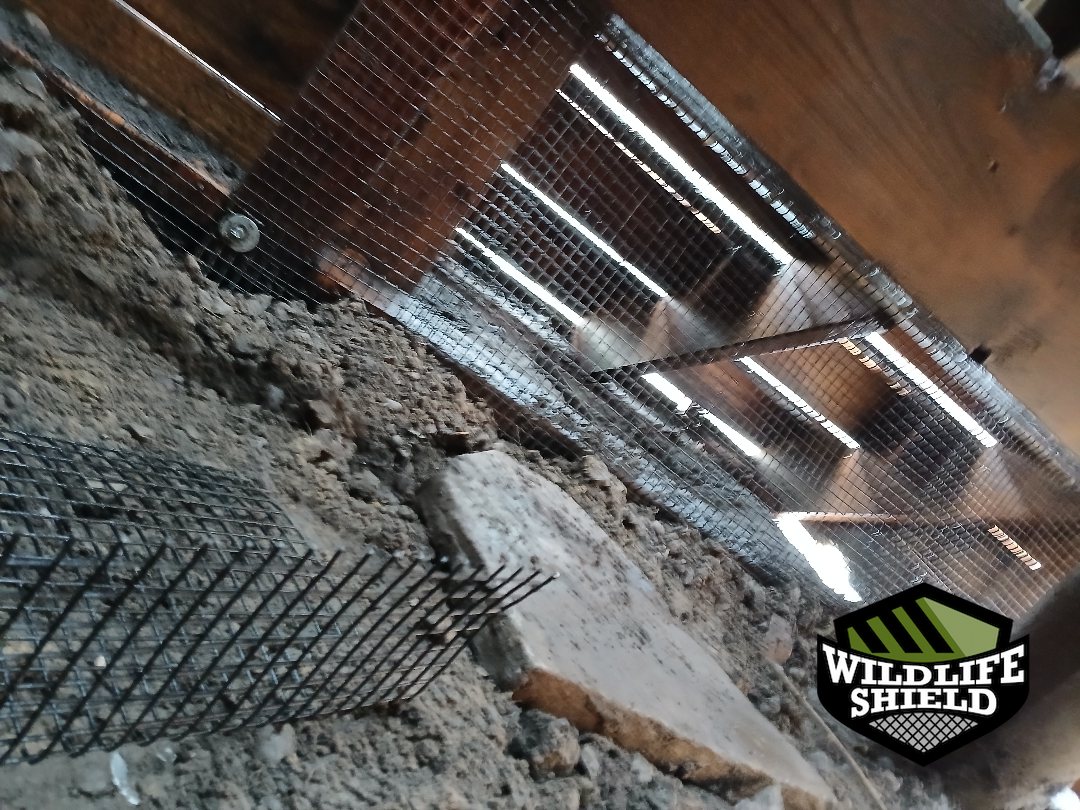
Following removal, trenching was completed along the accessible perimeter of the deck. Galvanized steel mesh was secured to the structure and buried approximately one foot deep and extended outward to prevent future burrowing.

Foundation and vent openings were screened with heavy-gauge mesh, and interior access points were sealed. Photos show mesh installation over wall penetrations and along foundation gaps to restore the structural barrier.


Outcome & Confirmation

A final inspection confirmed that all identified entry points were properly secured and that no wildlife remained within the structure. The raccoon and young successfully relocated, and no further activity was reported following completion of the work. The exclusion system was left intact and inspected before closing the job.

Technician Notes

This was a complex wildlife intrusion involving multiple access pathways and young present inside a finished ceiling cavity. Coordination between interior access and exterior exclusion was required to resolve the issue without harm. All work was completed without weather or access limitations.

This work was completed by our Toronto Wildlife control team. For Wildlife control inquiries in Toronto, contact 647-496-2211.
06 Feb

Squirrel Exclusion and Roofline Repair – Toronto

Job Overview

Location: Toronto, Ontario
Structure: Large three-storey red brick house with first- and second-floor front porches
Problem: Squirrel activity in first-floor roof overhang
Service: Squirrel exclusion and roofline sealing
Visits: 5

Summary

We addressed a long-standing squirrel issue affecting the first-floor roof overhang of a multi-storey residential property. Repeated inspections identified multiple access points along deteriorated roofline and drip edge sections. Humane exclusion and phased sealing were completed over several visits to fully resolve the activity. Read More

16 Jan

Squirrel Entry Exclusion at Rear Soffit and Deck Line – Toronto

Job Overview

Location: Toronto, Ontario
Structure: Three-storey Victorian residential home
Problem: Squirrel activity in wall and attic areas
Service: Humane squirrel exclusion and exterior sealing
Visits: Three visits

Summary

Our team completed a multi-visit squirrel exclusion at a tall Victorian home in Toronto after the homeowner reported recurring early-morning and evening noises inside the wall and attic spaces. Inspection confirmed squirrel entry at a rear siding intersection, along with an additional opening being accessed by birds. Humane one-way doors and targeted exterior exclusion were installed, followed by follow-up sealing and final confirmation that all wildlife activity had ceased. Read More

02 Jan

Squirrel Entry and Roofline Exclusion — Old Toronto

Job Overview

Location: Old Toronto, Ontario
Structure: Three-storey detached house with flat roof
Problem: Squirrel activity reported in third-storey ceiling/attic area
Service: Humane squirrel removal and exterior exclusion
Visits: Three visits

Summary

Our team addressed reported squirrel activity in the upper attic area of a three-storey detached home in Old Toronto. The work was completed over three visits and included humane eviction using a one-way door, followed by permanent sealing of the entry point and later installation of extended roofline exclusion. No further activity was reported after completion. Read More

26 Dec

Squirrel Entry Through Chimney and Utility Line on Large Manor Home – North York

Job Overview

Location: North York, Ontario
Structure: Large manor-style residential home with multiple roofs and attic spaces
Problem: Squirrel activity within walls and attic
Service: Humane squirrel removal and full exterior exclusion
Visits: Four visits

Summary

Wildlife Shield was contacted after the homeowner reported early-morning noises coming from inside the walls and attic spaces. Our inspection confirmed multiple squirrel entry points on a large, complex roofline. Over four visits, we installed and relocated one-way doors as new access points were identified, then completed permanent exclusion once activity had stopped. Read More