Preventive Raccoon Exclusion on Residential Roof in Toronto
Job Overview
Location: Toronto, Ontario
Structure: Two-storey detached red brick house
Problem: Reported raccoon activity on the roof; entry into the roof system unconfirmed
Service: Raccoon exclusion and rooftop wildlife prevention
Visits: 2
Summary
Wildlife Shield was contacted to assess reported raccoon activity on a residential roof in Toronto. While no active roof entry point was confirmed during inspection, multiple vulnerable roof and soffit areas were identified. Preventive exclusion and sanitation work was completed to reduce the risk of raccoon access and future roof damage.
Background / Property Context
The property is a two-storey detached red brick home with a pitched asphalt shingle roof. Several roof penetrations, soffit intersections, and vent bases were present, which are common attractants for raccoons seeking shelter or leverage points. Mature trees and nearby structures provided roof access opportunities.
Customer Concern
The homeowner reported seeing raccoon activity on the roof and was concerned about the possibility of entry into the roof system or attic space. Although no interior disturbance was reported, the customer requested a thorough inspection and preventive sealing of sensitive areas.
Inspection & Findings
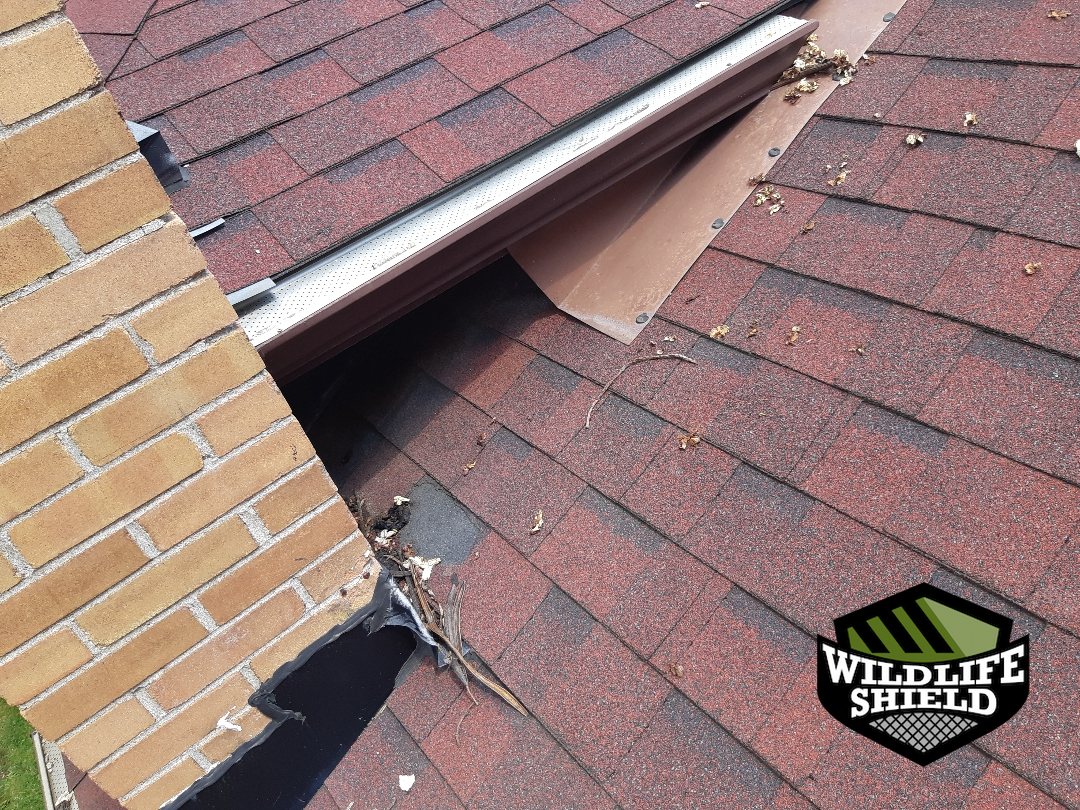
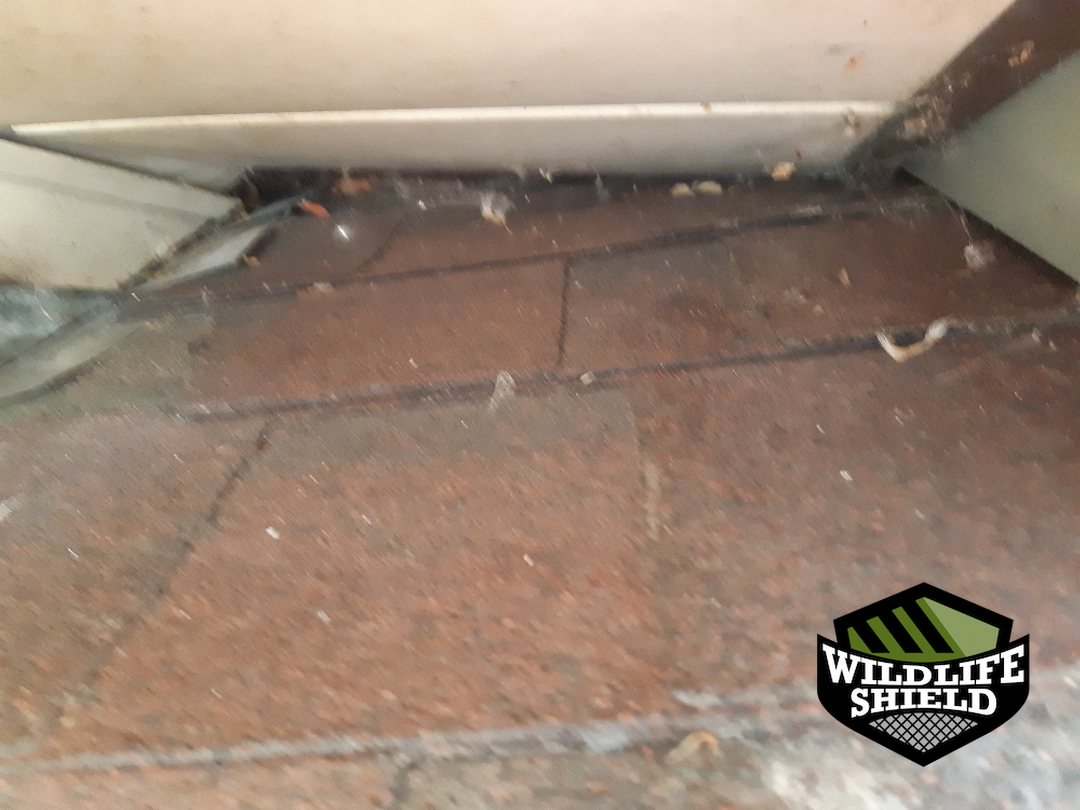
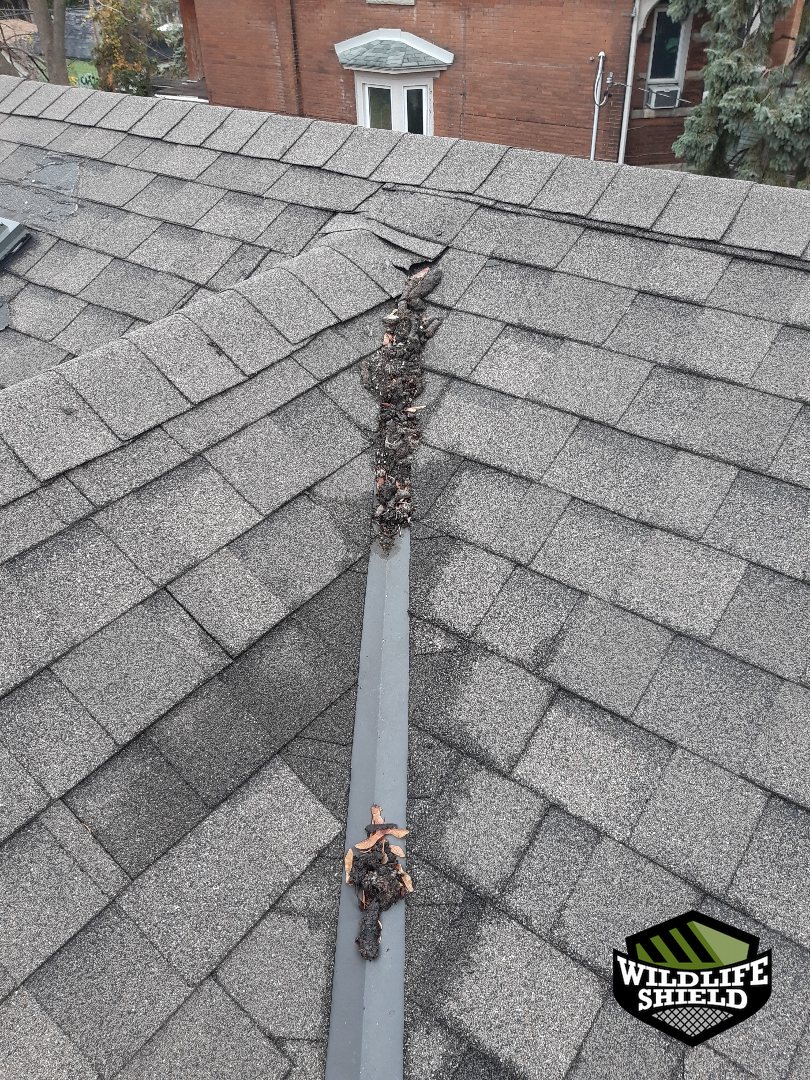
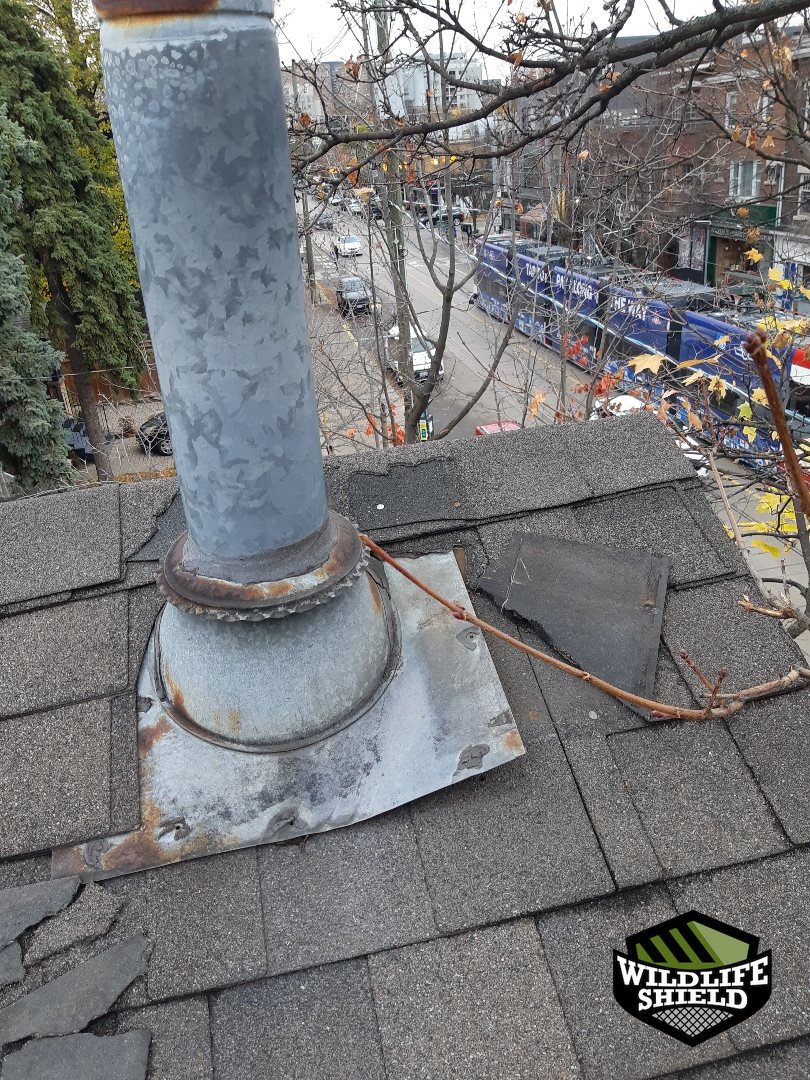
During the initial inspection, Ardian assessed the full roof surface, vents, plumbing stacks, and soffit intersections. No primary entry point into the roof or attic was identified at the time of service. However, staining, debris, and raccoon droppings were observed on roof surfaces, indicating regular rooftop activity. Several roof penetrations and soffit junctions were identified as potential future entry points if left unprotected.
Cause Analysis
Raccoons commonly access residential roofs when overhanging trees, adjacent structures, or roof geometry provide climbing opportunities. Roof vents, plumbing stacks, and soffit intersections can be manipulated by raccoons using body weight and leverage, particularly when flashing or shingles loosen over time. Repeated rooftop activity often precedes attempts to gain entry.
Treatment / Removal
No animal removal was required, as no raccoon was occupying the structure at the time of inspection. Preventive exclusion measures were recommended and approved by the homeowner during the initial visit.
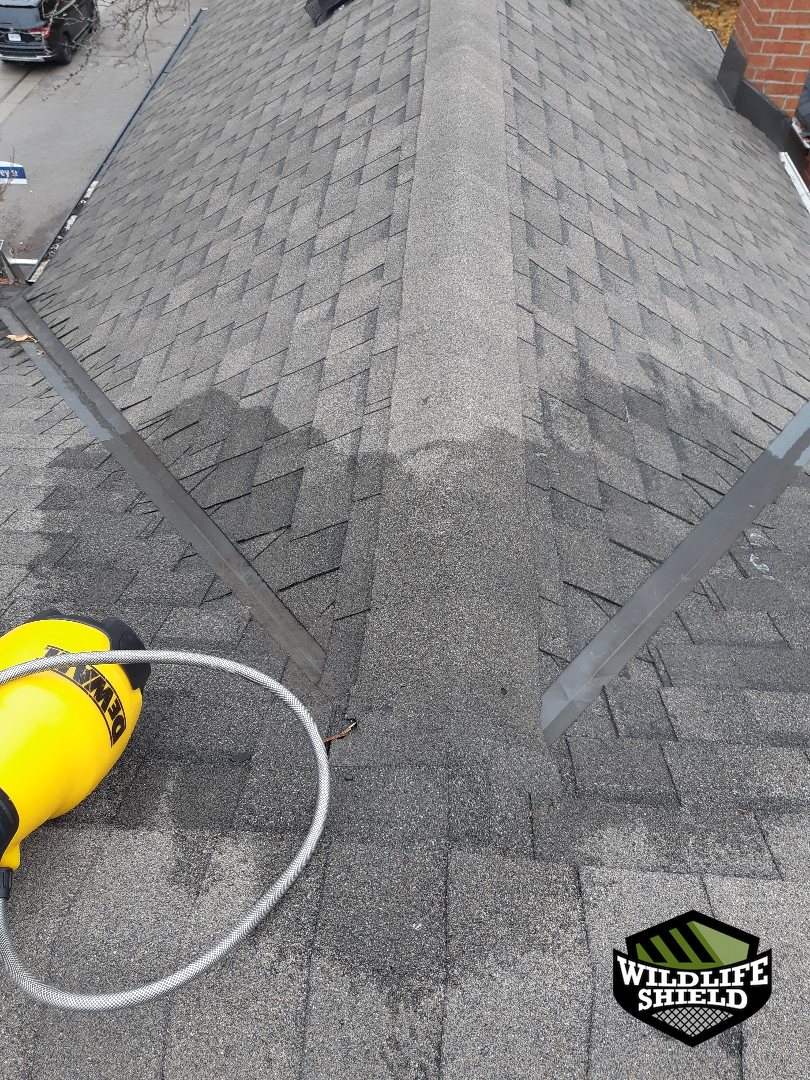
Raccoon droppings present on the roof surface were removed and treated using hospital-grade botanical disinfectants, followed by high-temperature steam sanitation exceeding 100 degrees to reduce biological contamination.
Exclusion & Repairs
Wildlife Shield completed the following exclusion work during the first visit:
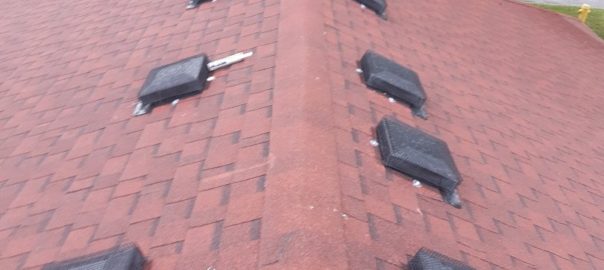
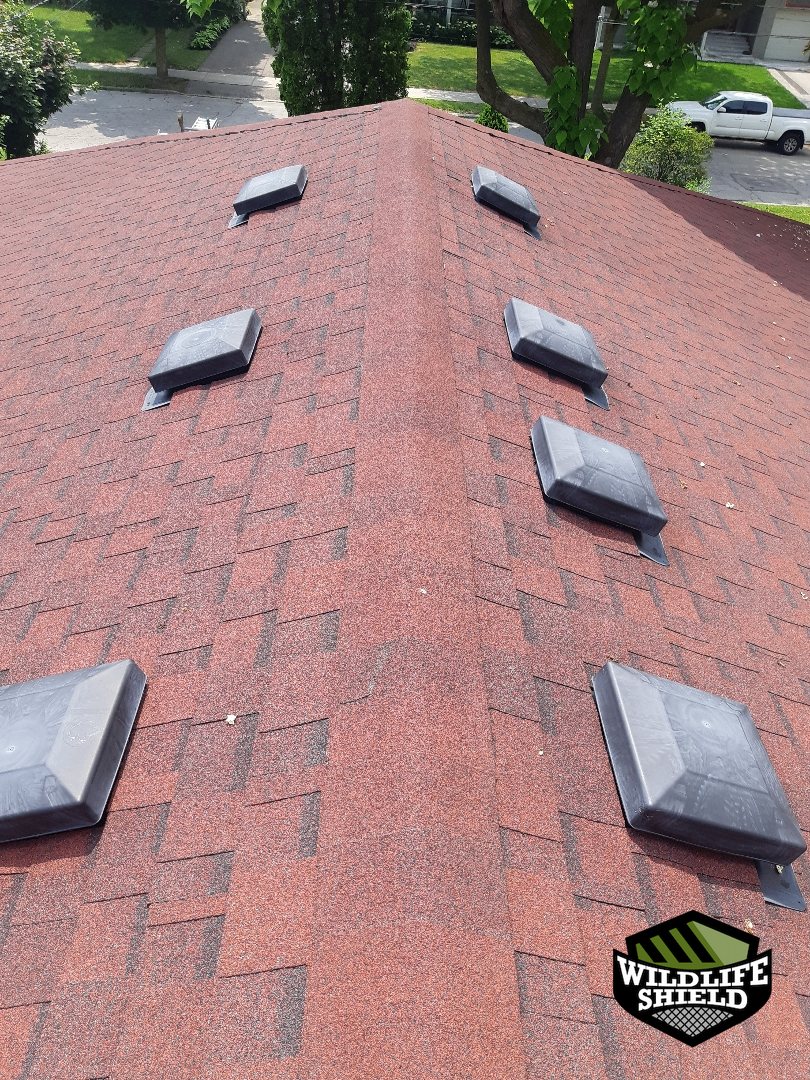
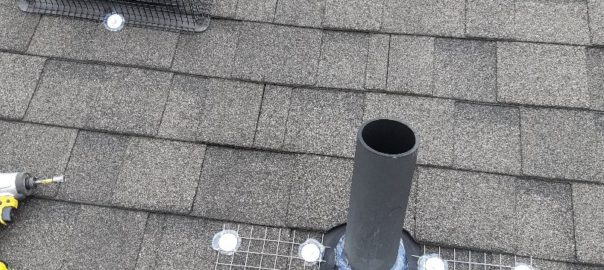
- Installed four galvanized steel roof vent covers to prevent raccoon access through vent openings.
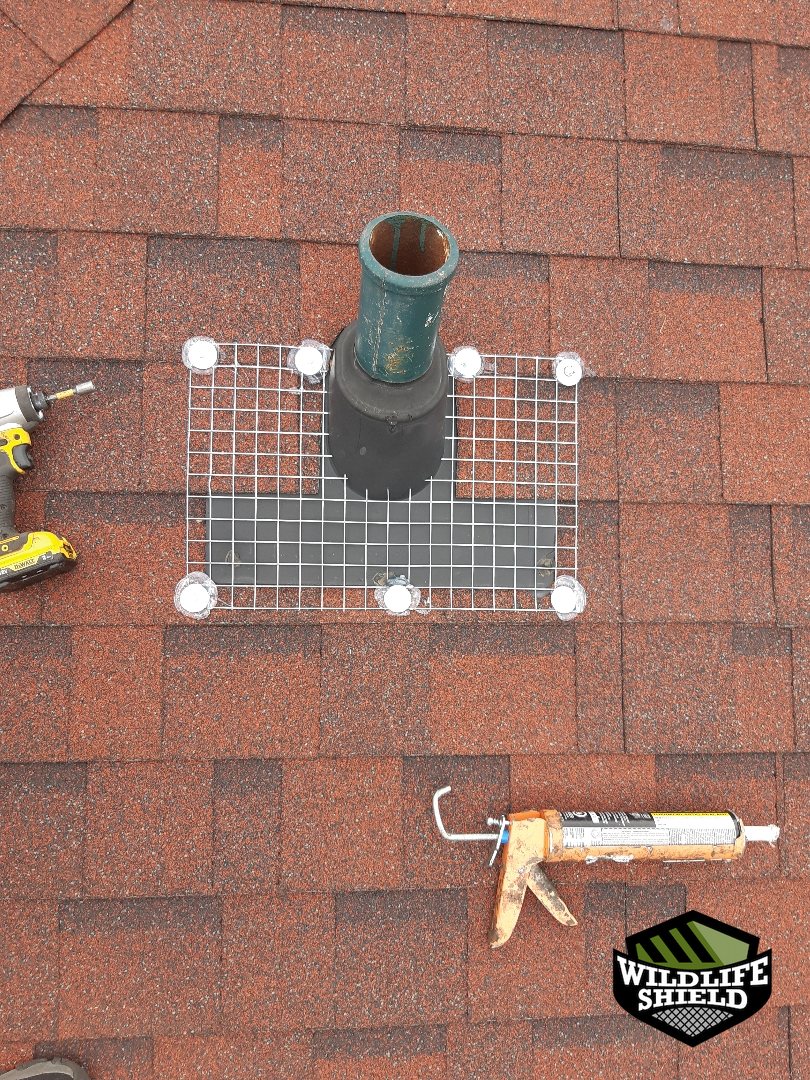
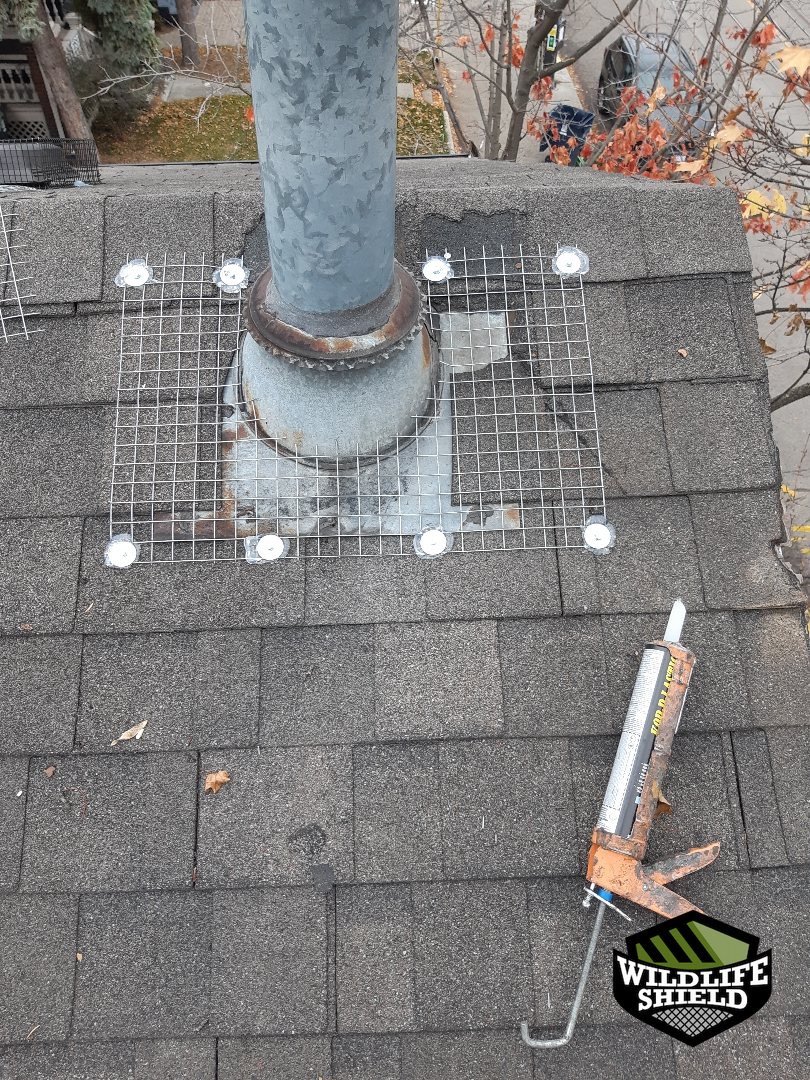
- Sealed three plumbing vent bases with galvanized steel mesh to prevent shingles from being lifted.
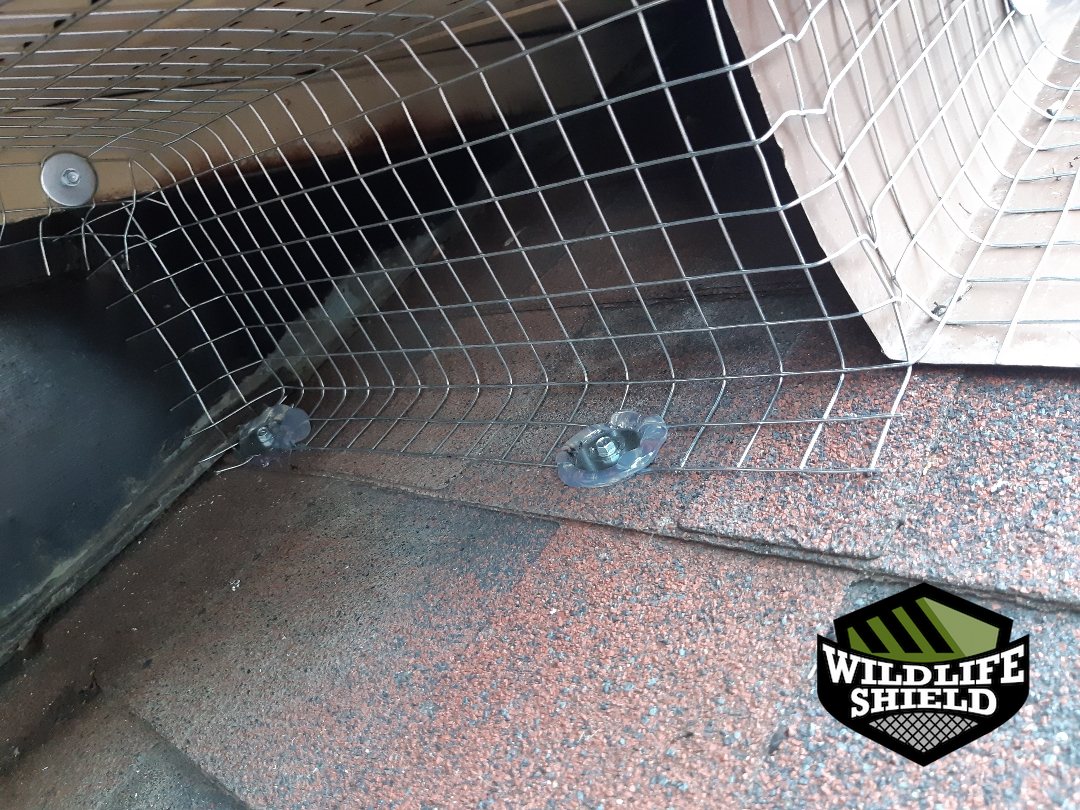
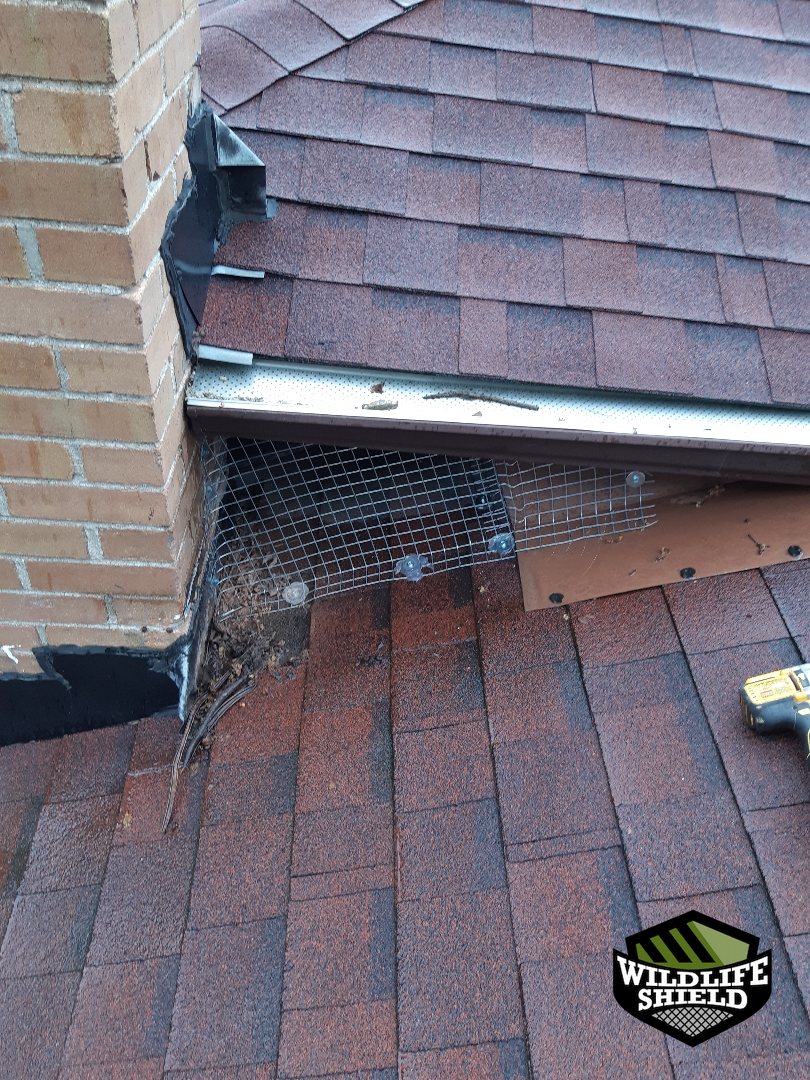
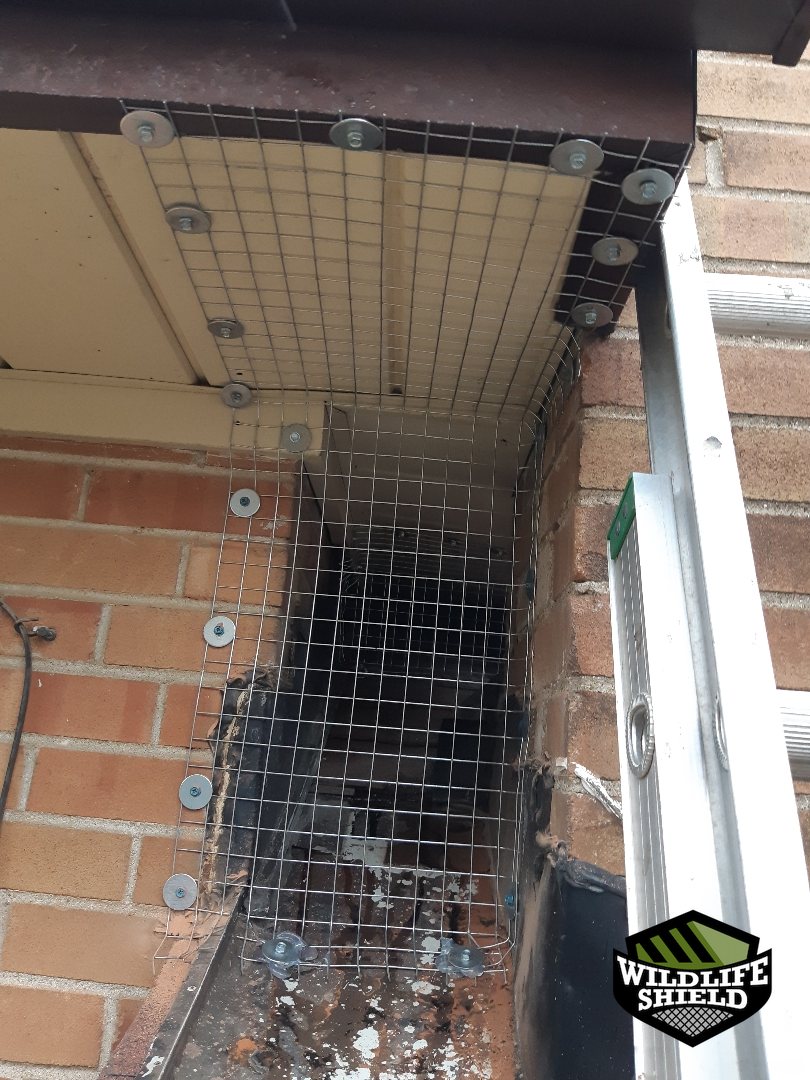
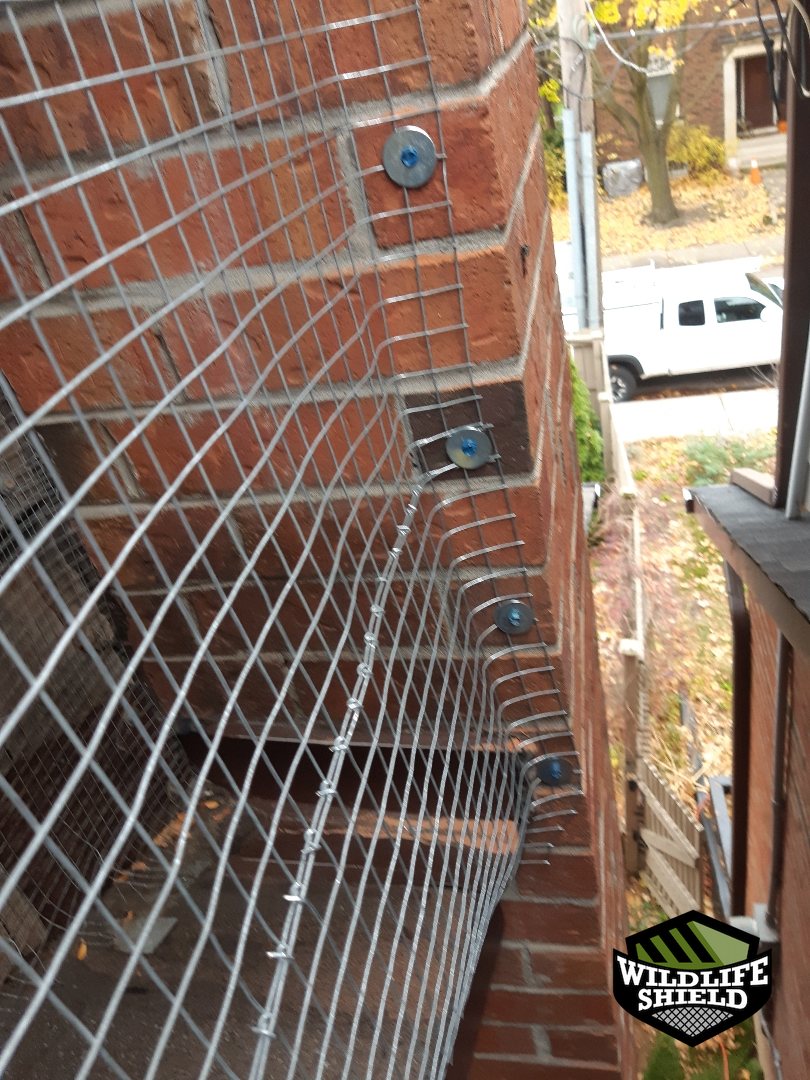
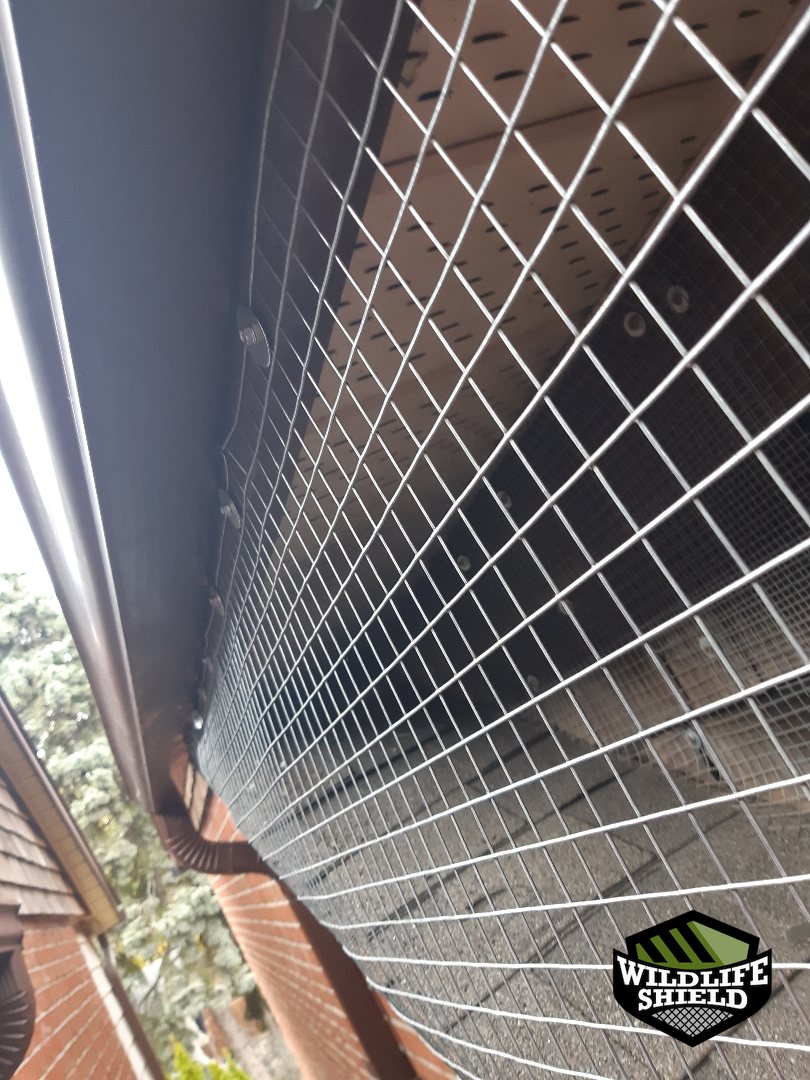
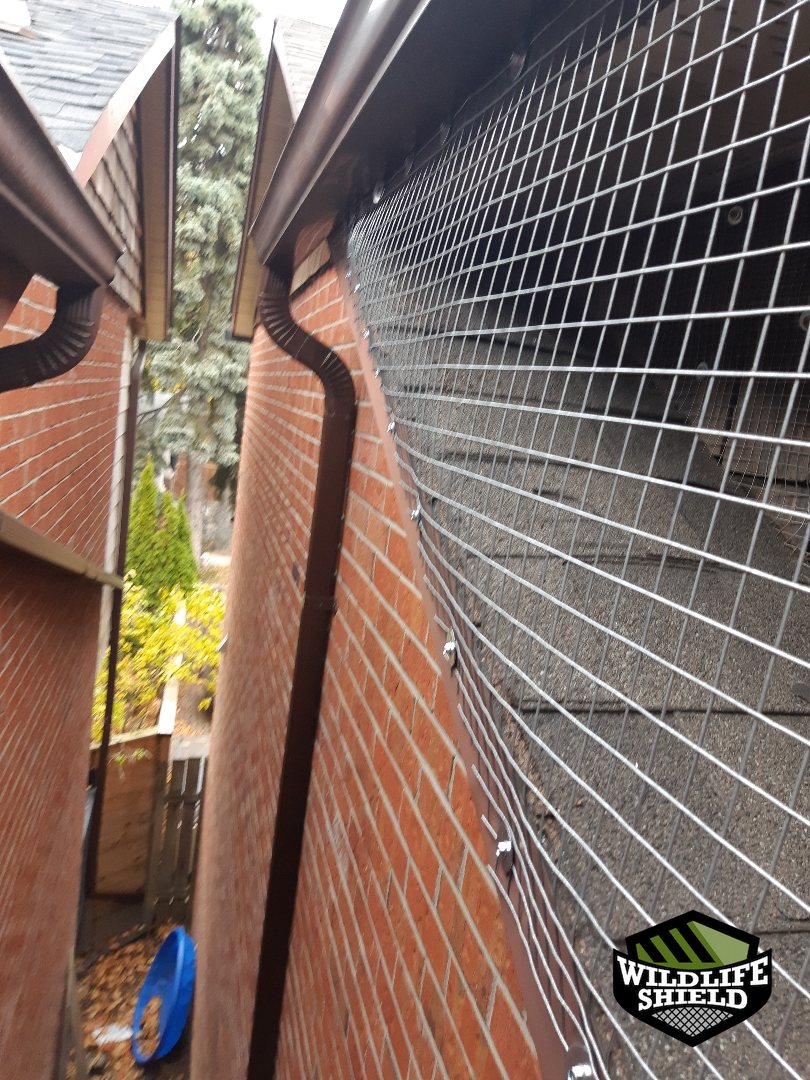
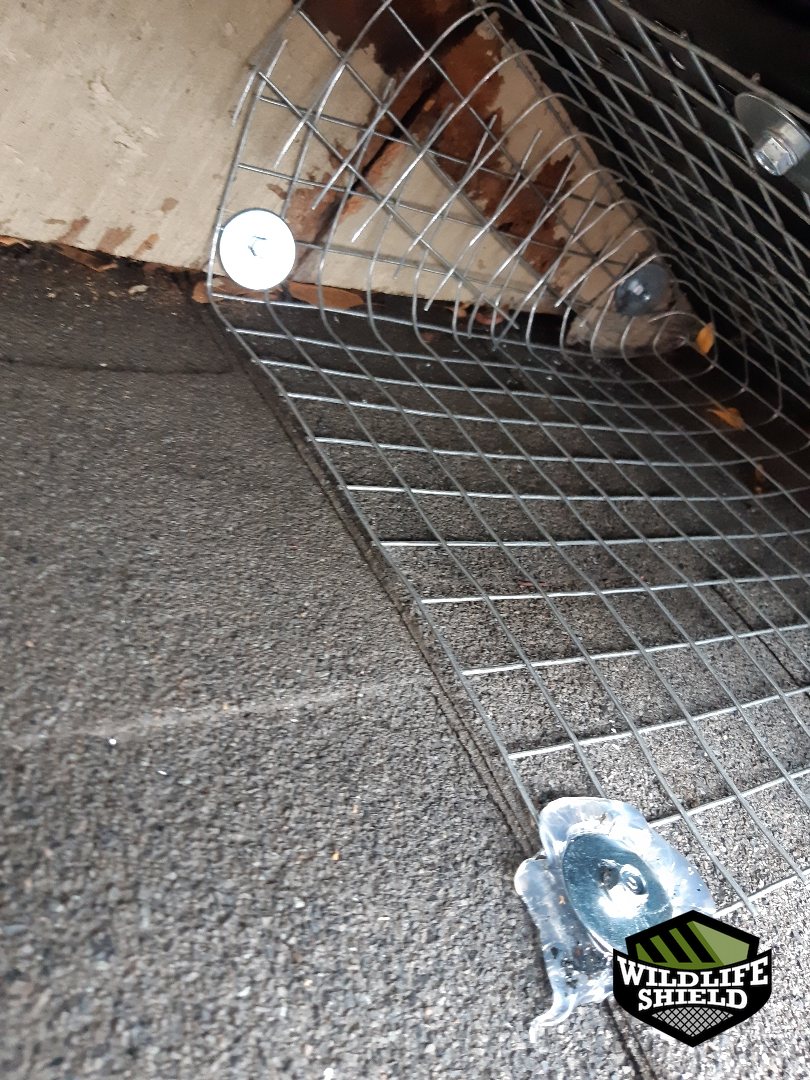
- Secured one large soffit intersection using approximately seven feet of galvanized steel mesh.
- Reinforced a second soffit intersection with galvanized steel mesh to eliminate access gaps.
All materials were mechanically fastened and conformed to the existing roof and soffit structure to ensure durability and weather resistance.
Outcome & Confirmation
A follow-up visit was completed to confirm that all exclusion materials remained secure and properly fitted. No further raccoon activity was reported by the homeowner. All sealed areas were re-inspected, and the roofline showed no signs of new disturbance or attempted entry.
Technician Notes
Ardian completed a full rooftop inspection and preventive exclusion service. No structural entry was present at the time of inspection. Work focused on long-term wildlife prevention at known raccoon pressure points. All work was completed safely using working-at-heights procedures.
This work was completed by our Toronto Wildlife control team. For Wildlife control inquiries in Toronto, contact 647-496-2211.