Preventative Roofline Wildlife Exclusion – North York
Job Overview
Location: North York, Ontario
Structure: Detached bungalow with red brick exterior
Problem: Concern about potential wildlife access through the roof
Service: General wildlife inspection and preventative exclusion
Visits: 2 visits
Summary
Wildlife Shield completed a two-visit service for a detached bungalow in North York after the homeowner reported frequent wildlife activity on the property and roof. Although no active entry points were found during inspection, the homeowner elected to proceed with preventative exclusion to reduce future risk. All work was completed using durable, non-lethal exclusion methods designed to protect roofline vulnerabilities.
Background / Property Context
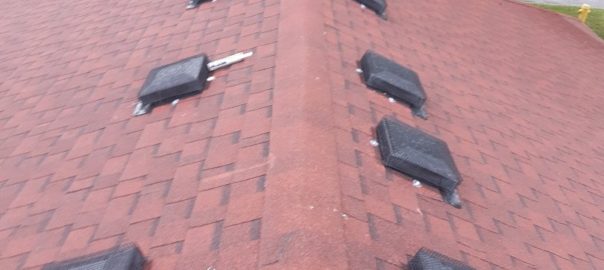
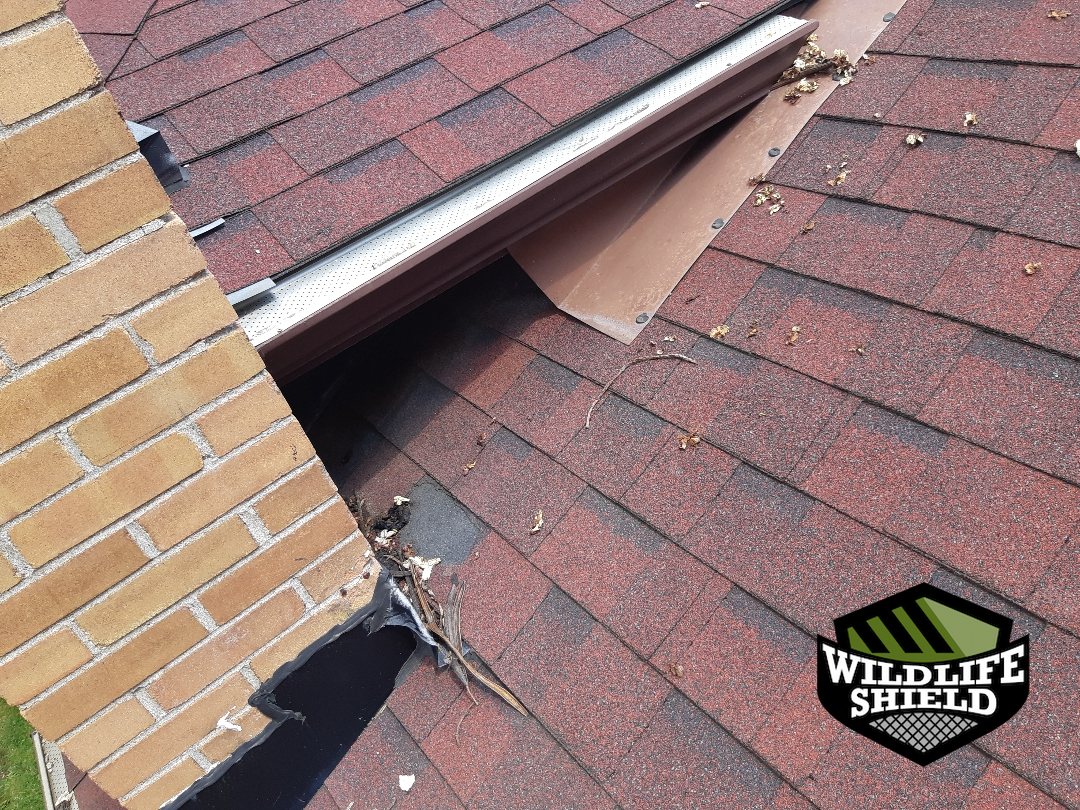
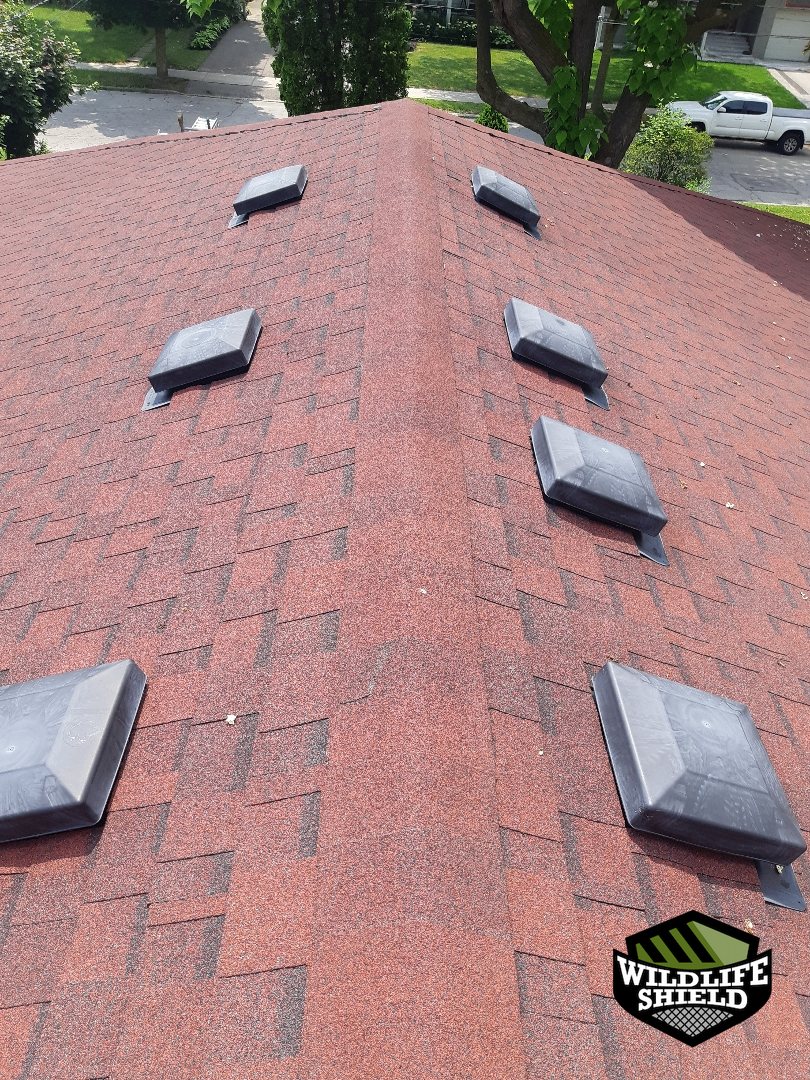
The property is a single-storey red brick bungalow with multiple roof penetrations, including roof vents, a plumbing vent, soffit intersections, and chimney flashing areas. These features are common access points for wildlife if left unprotected, particularly in residential neighbourhoods with mature trees nearby.
Customer Concern
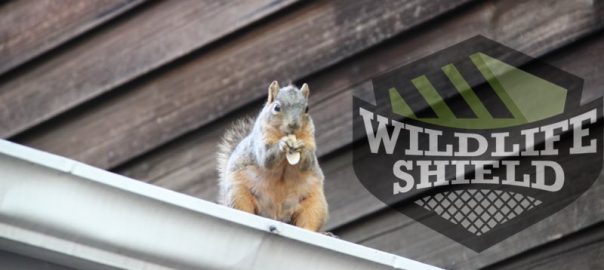
The homeowner was concerned that wildlife observed on the roof could eventually gain access to the attic or roof cavity. They requested a professional inspection to confirm whether any animals had already entered and to identify potential risk areas.
Inspection & Findings
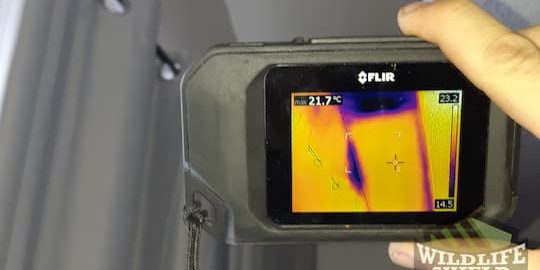
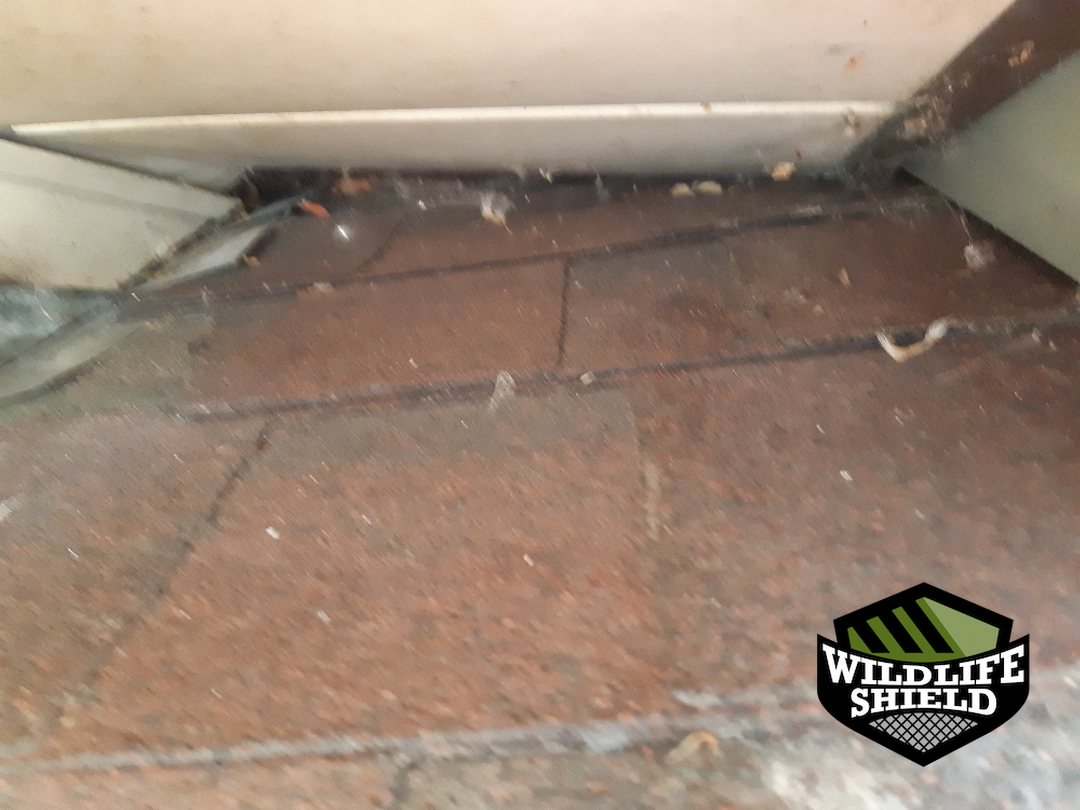
During the initial inspection, our technician accessed the roofline and attic-adjacent areas to check for signs of entry, damage, or displacement of roofing components. No active entry points, openings, or evidence of wildlife nesting were found at the time of inspection. Several roof features were identified as potential future access points if left unprotected.
Cause Analysis
Wildlife frequently investigates rooflines while moving across residential properties, especially where trees provide easy access. Roof vents, plumbing vent bases, soffit intersections, and chimney flashing can create small gaps over time due to weathering and building movement. Preventative exclusion helps address these vulnerabilities before animals are able to exploit them.
Treatment / Removal
No wildlife removal was required, as there was no confirmed entry or active infestation. The service focused entirely on preventative measures.
Exclusion & Repairs
On the second visit, Wildlife Shield returned to complete roofline exclusion work. This included:
- Installation of ten galvanized steel roof vent covers
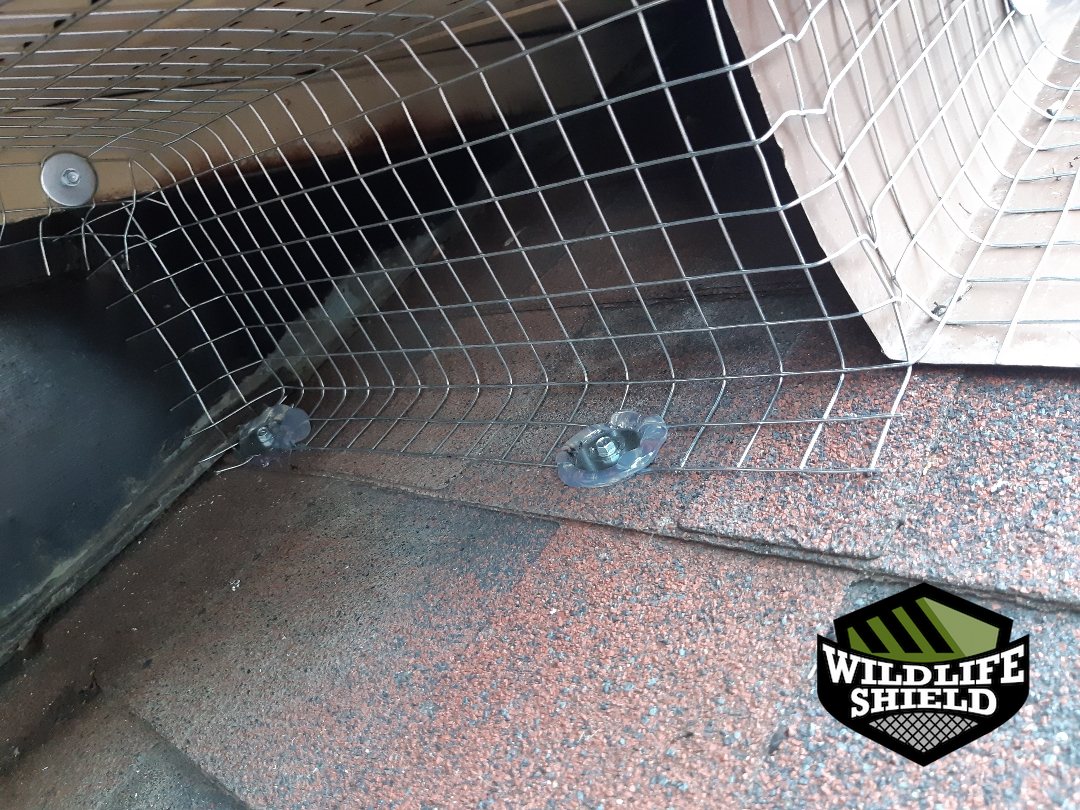
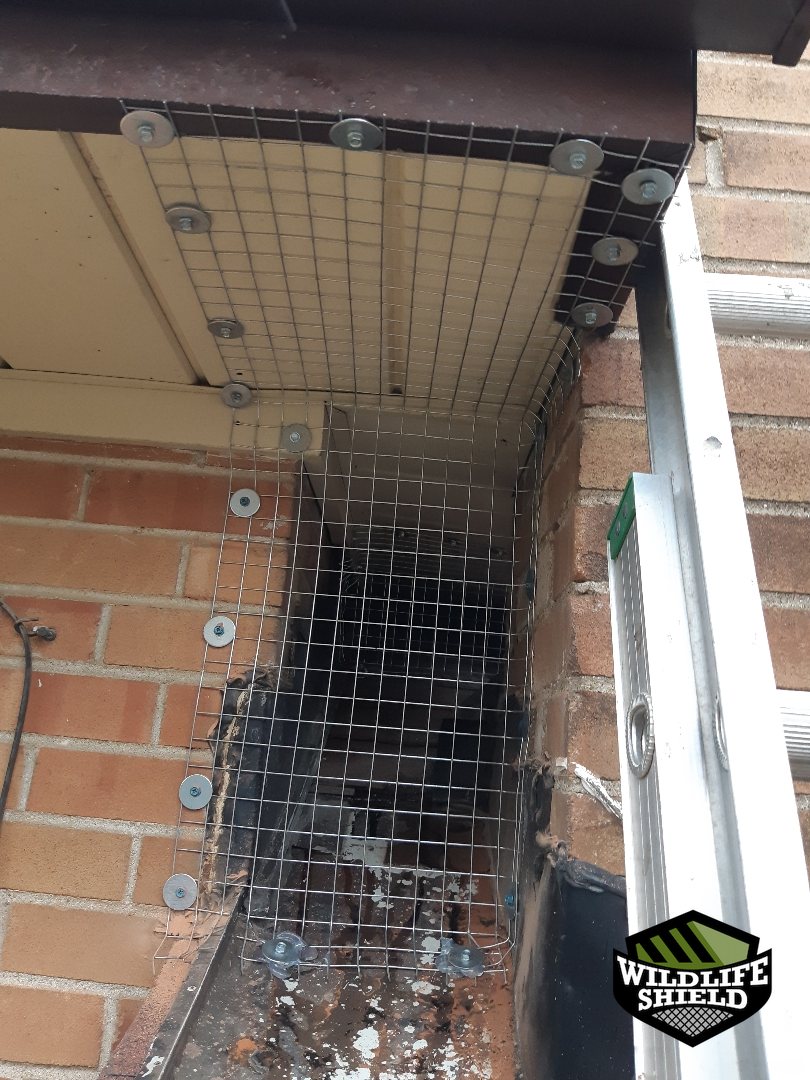
- Sealing of a soffit intersection using galvanized steel mesh
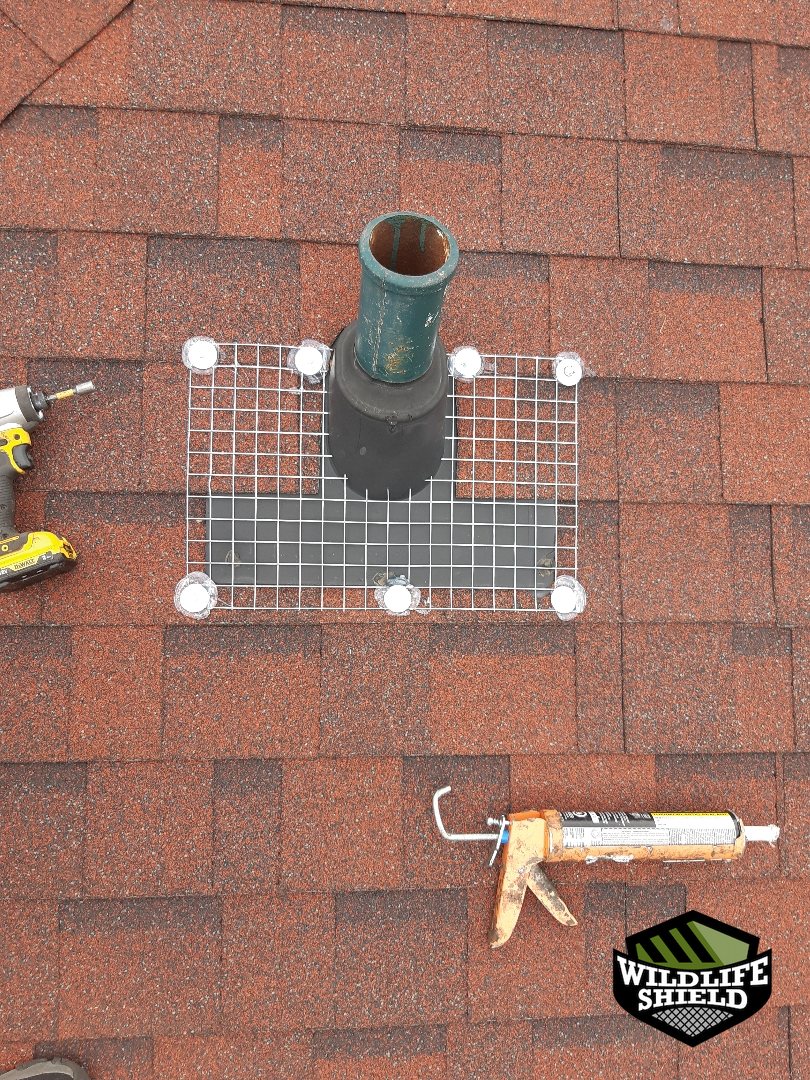
- Sealing the base of one plumbing vent to prevent access beneath the shingles
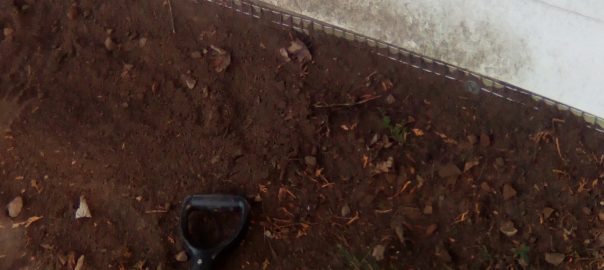
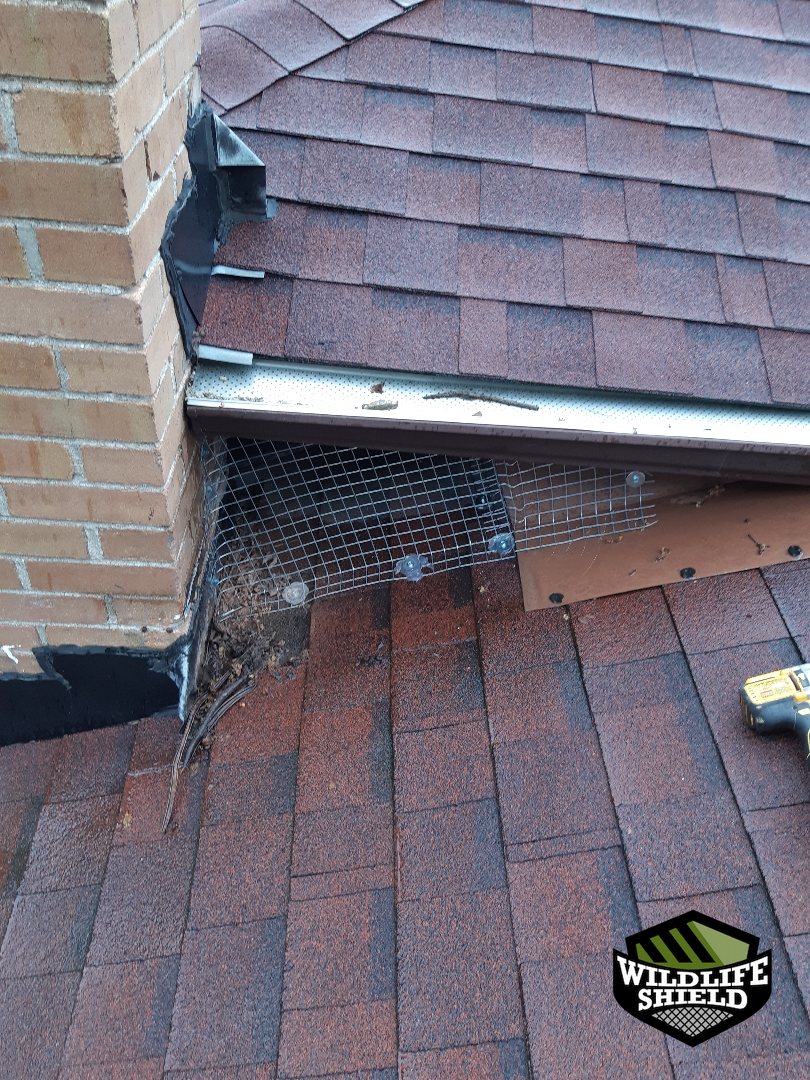
Photos from the service show galvanized mesh and vent covers securely fastened around roof penetrations, as well as completed screening at chimney and roofline intersections.
Outcome & Confirmation
Following the exclusion work, all identified roofline vulnerabilities were protected. A final inspection confirmed that screening and vent covers were properly secured and that no gaps remained. No further wildlife activity was reported after completion of the work.
Technician Notes
The inspection and exclusion work were completed by our technician, Ardian. The homeowner expressed relief after the inspection confirmed no existing entry and was satisfied with proceeding proactively to protect the roof and attic from future wildlife access.