28 Jun

Preventive Raccoon Exclusion on Residential Roof in Toronto

Job Overview

Location: Toronto, Ontario
Structure: Two-storey detached red brick house
Problem: Reported raccoon activity on the roof; entry into the roof system unconfirmed
Service: Raccoon exclusion and rooftop wildlife prevention
Visits: 2

Summary

Wildlife Shield was contacted to assess reported raccoon activity on a residential roof in Toronto. While no active roof entry point was confirmed during inspection, multiple vulnerable roof and soffit areas were identified. Preventive exclusion and sanitation work was completed to reduce the risk of raccoon access and future roof damage.

Background / Property Context

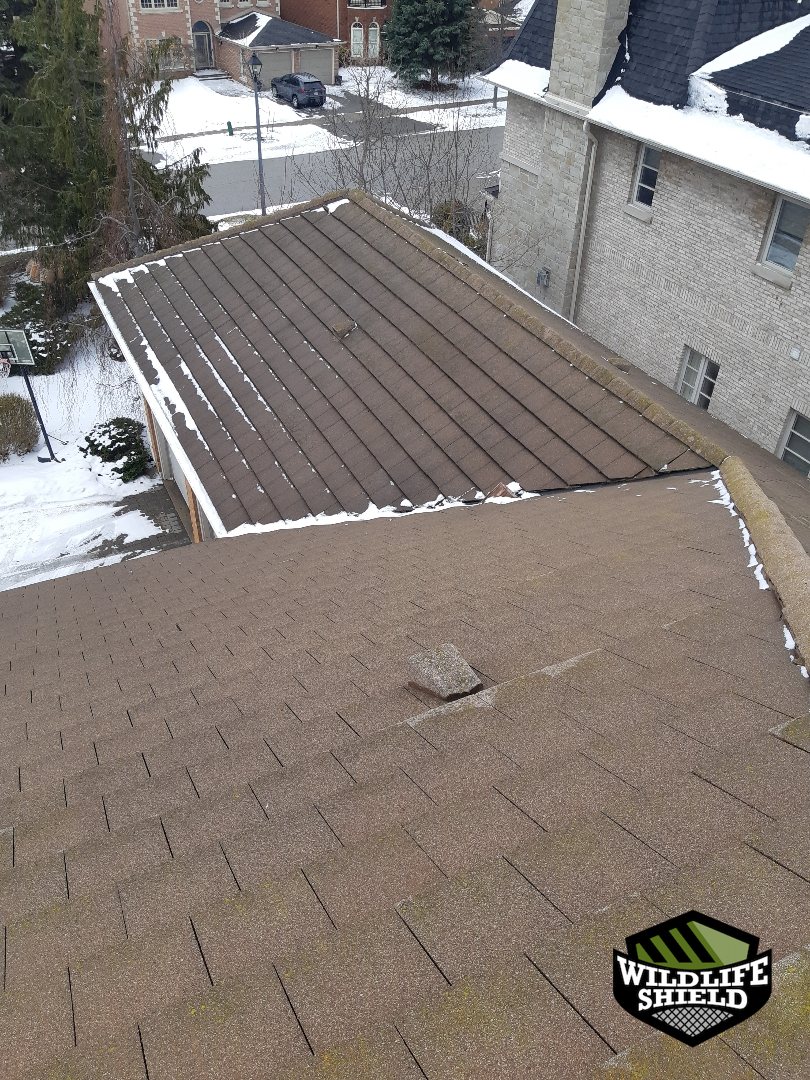
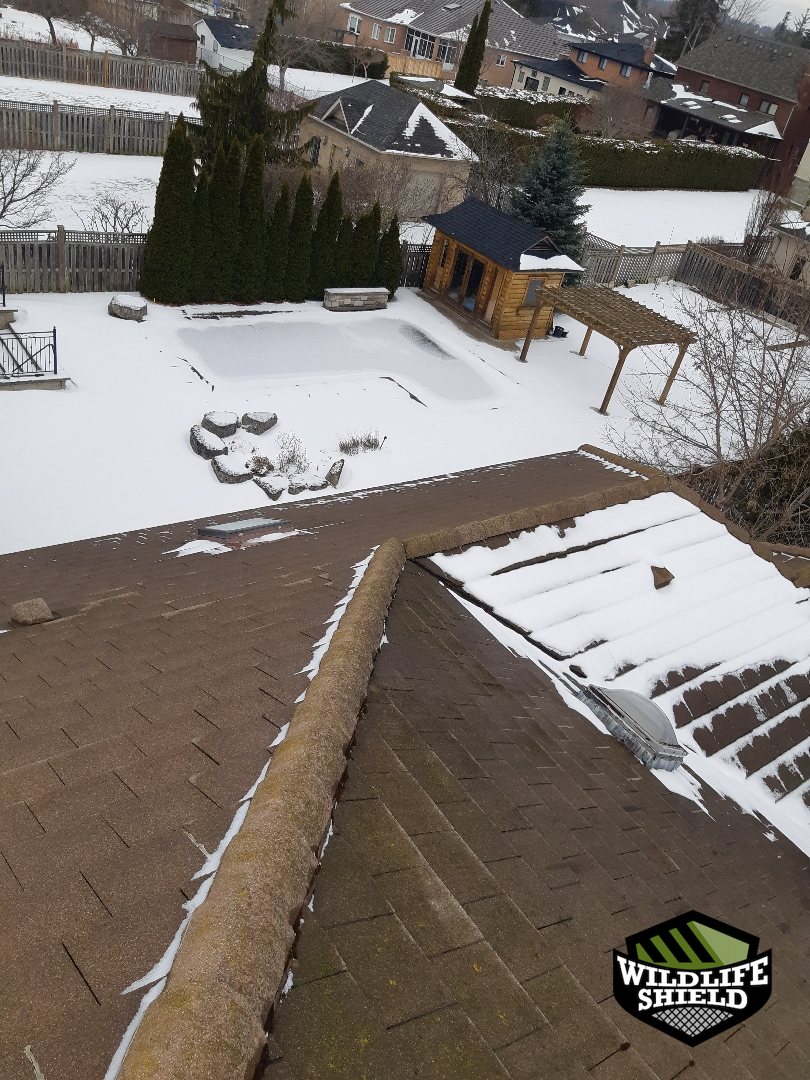
The property is a two-storey detached red brick home with a pitched asphalt shingle roof. Several roof penetrations, soffit intersections, and vent bases were present, which are common attractants for raccoons seeking shelter or leverage points. Mature trees and nearby structures provided roof access opportunities.

Customer Concern

The homeowner reported seeing raccoon activity on the roof and was concerned about the possibility of entry into the roof system or attic space. Although no interior disturbance was reported, the customer requested a thorough inspection and preventive sealing of sensitive areas.

Inspection & Findings

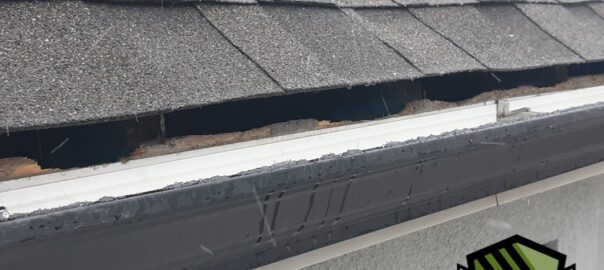
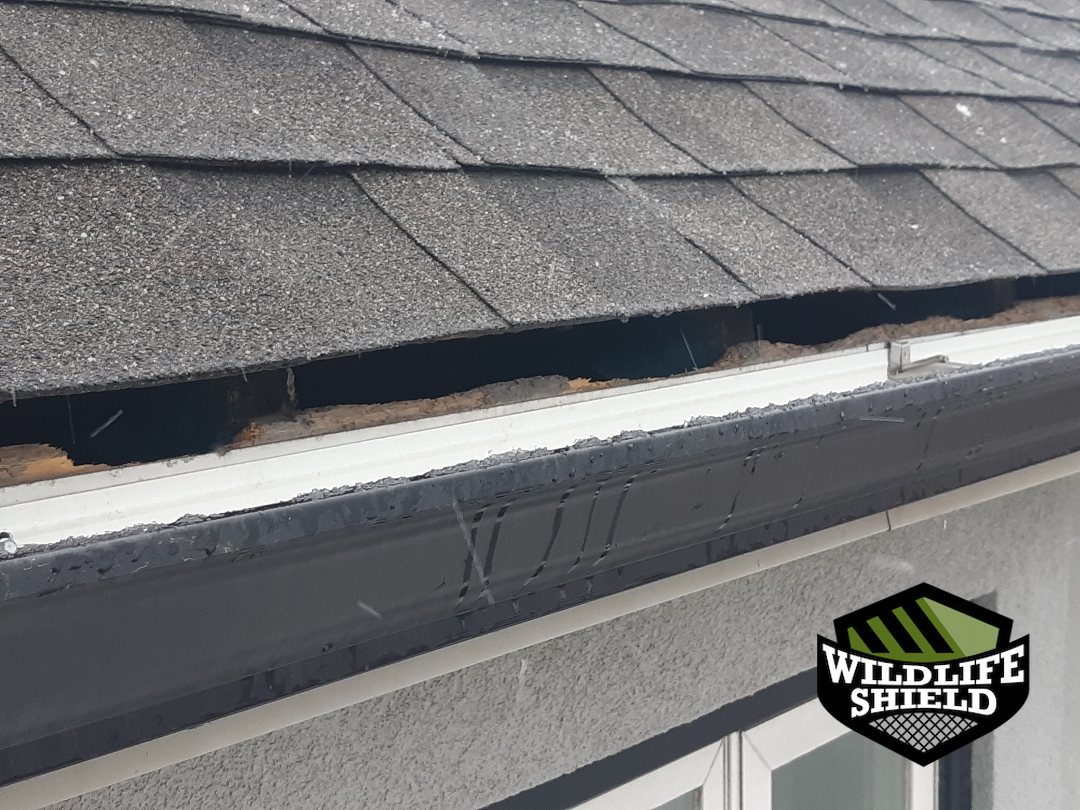
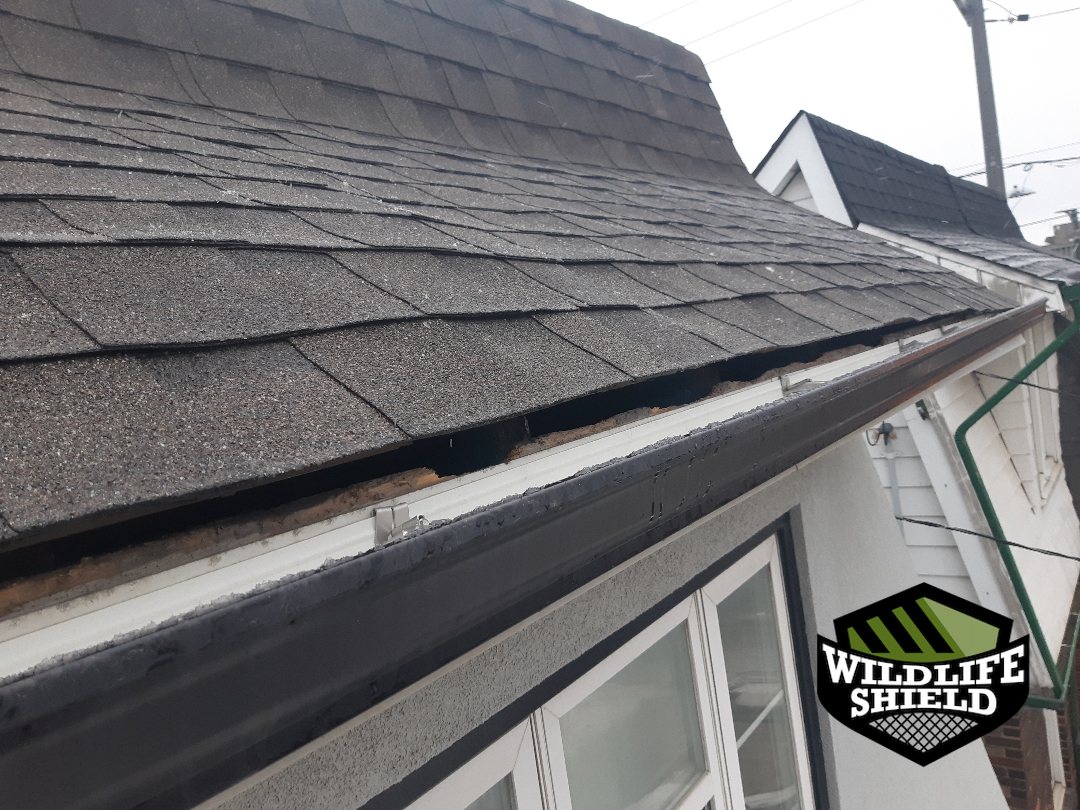
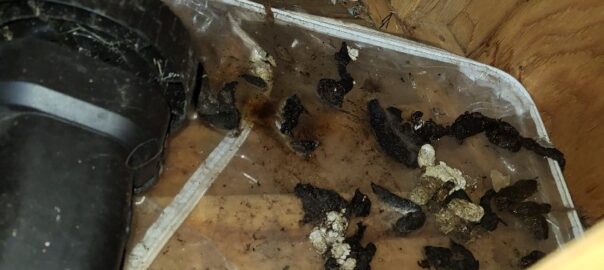
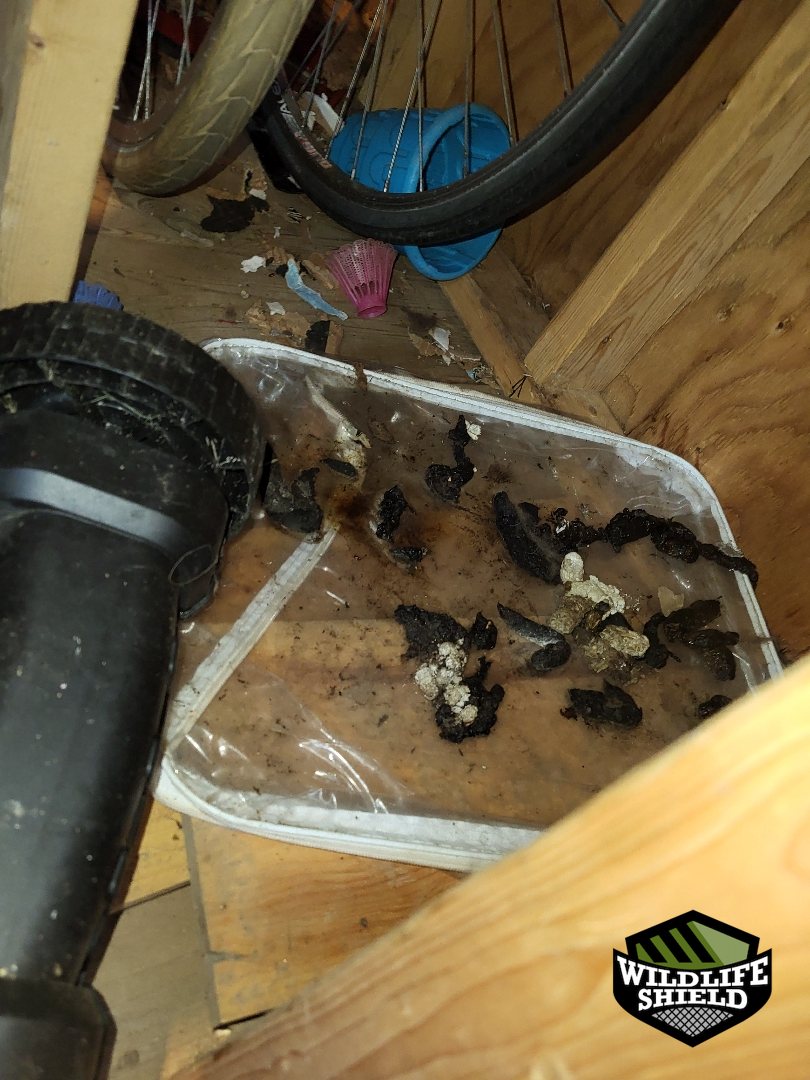
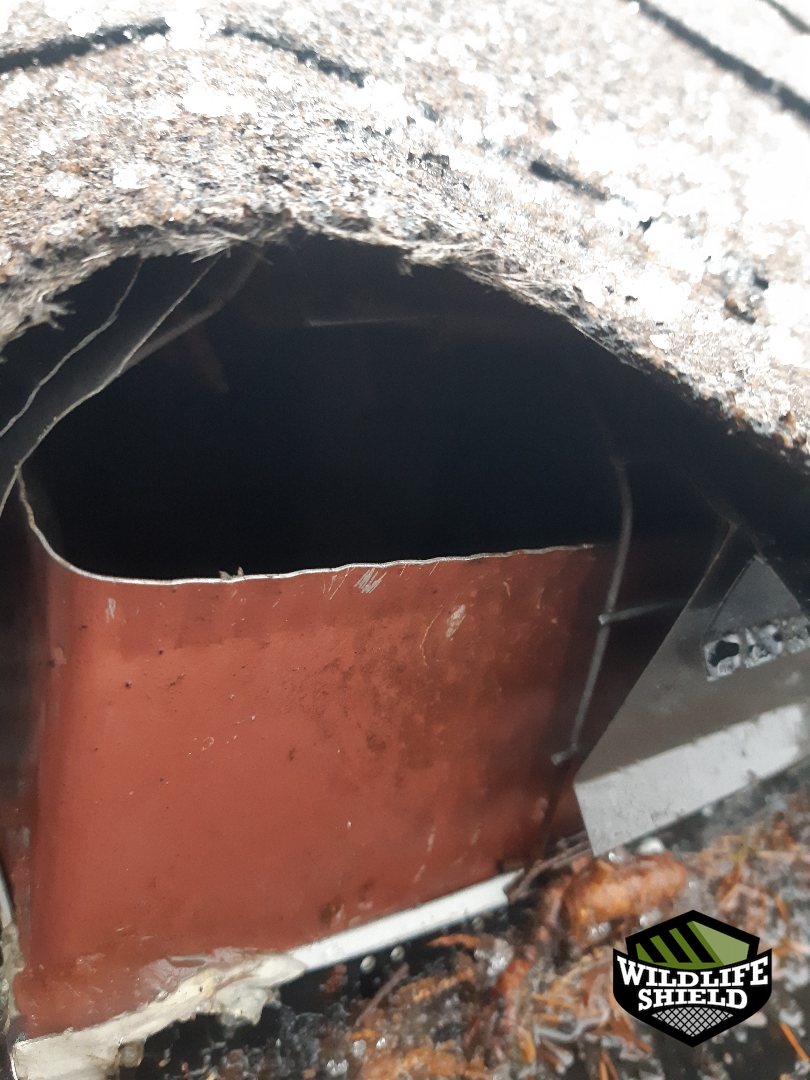
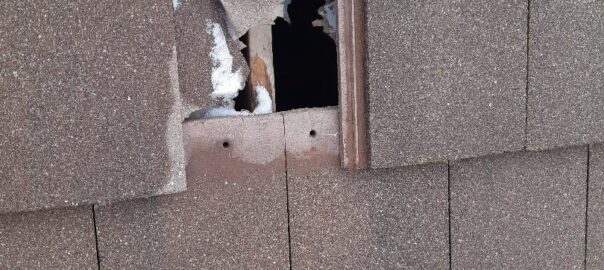
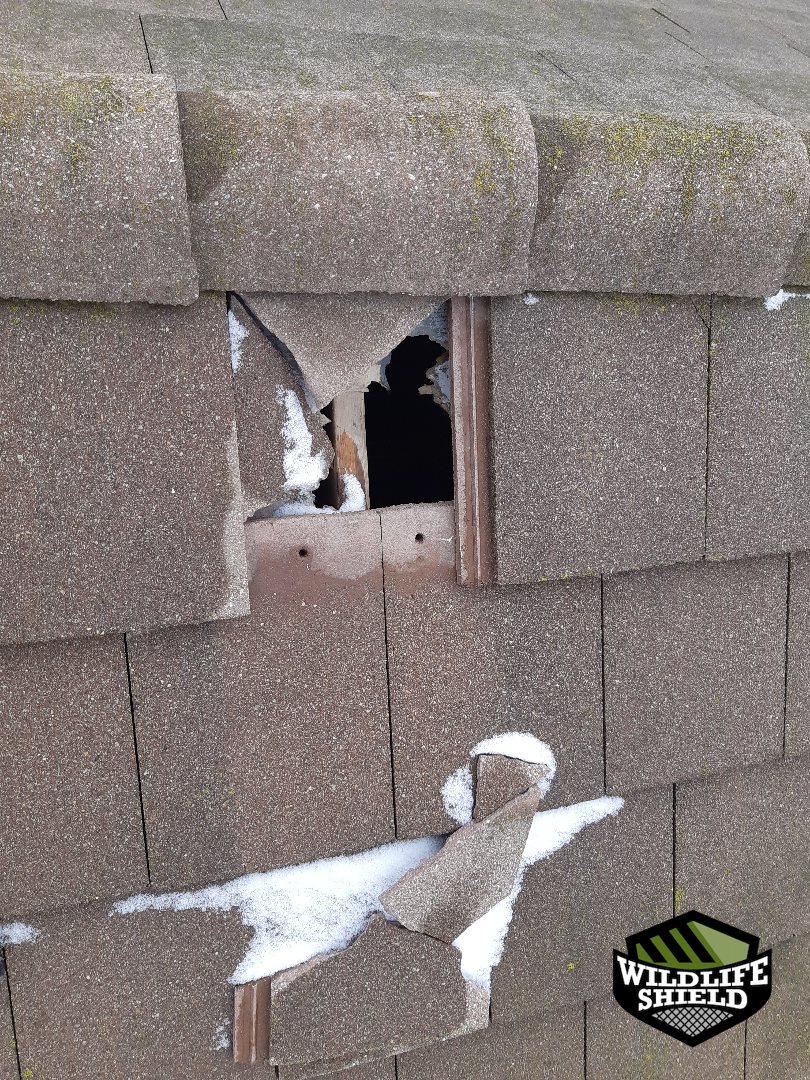
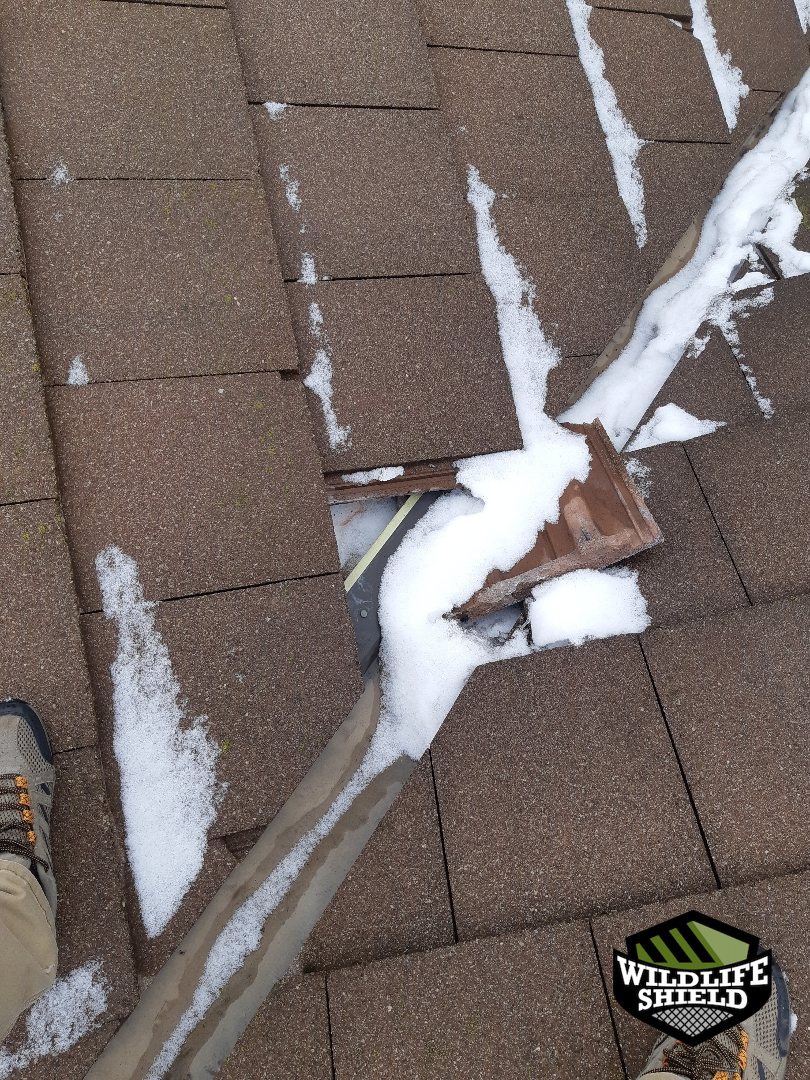
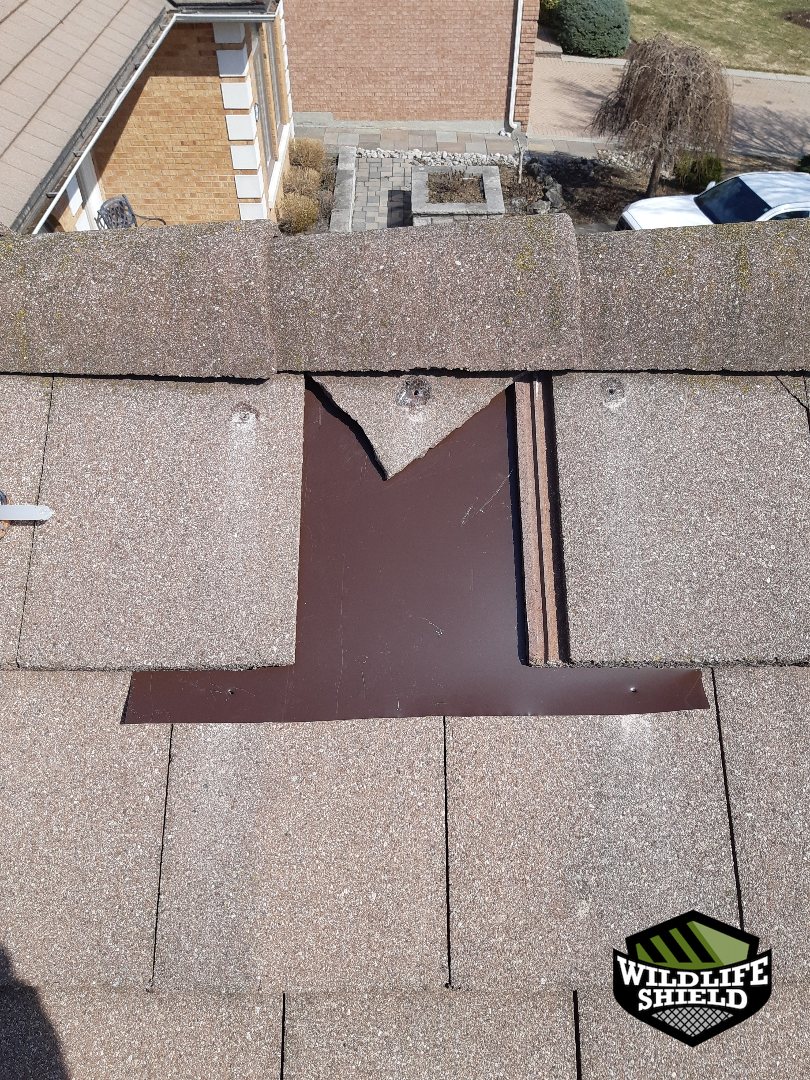
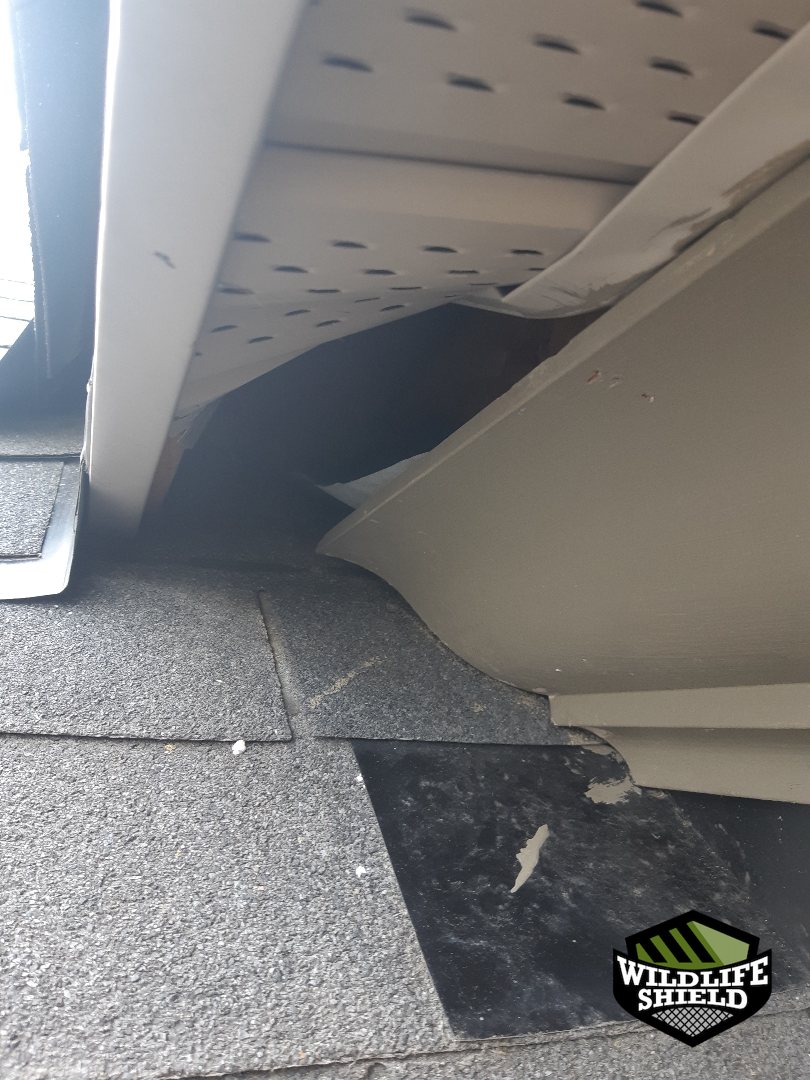
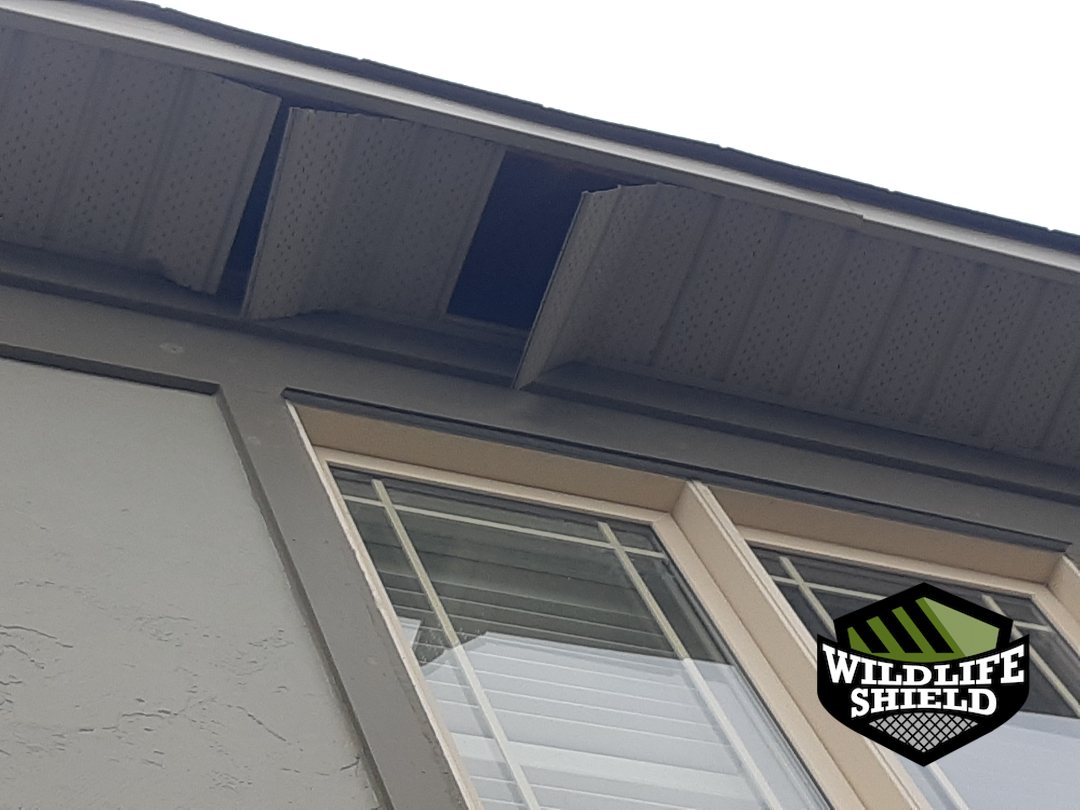
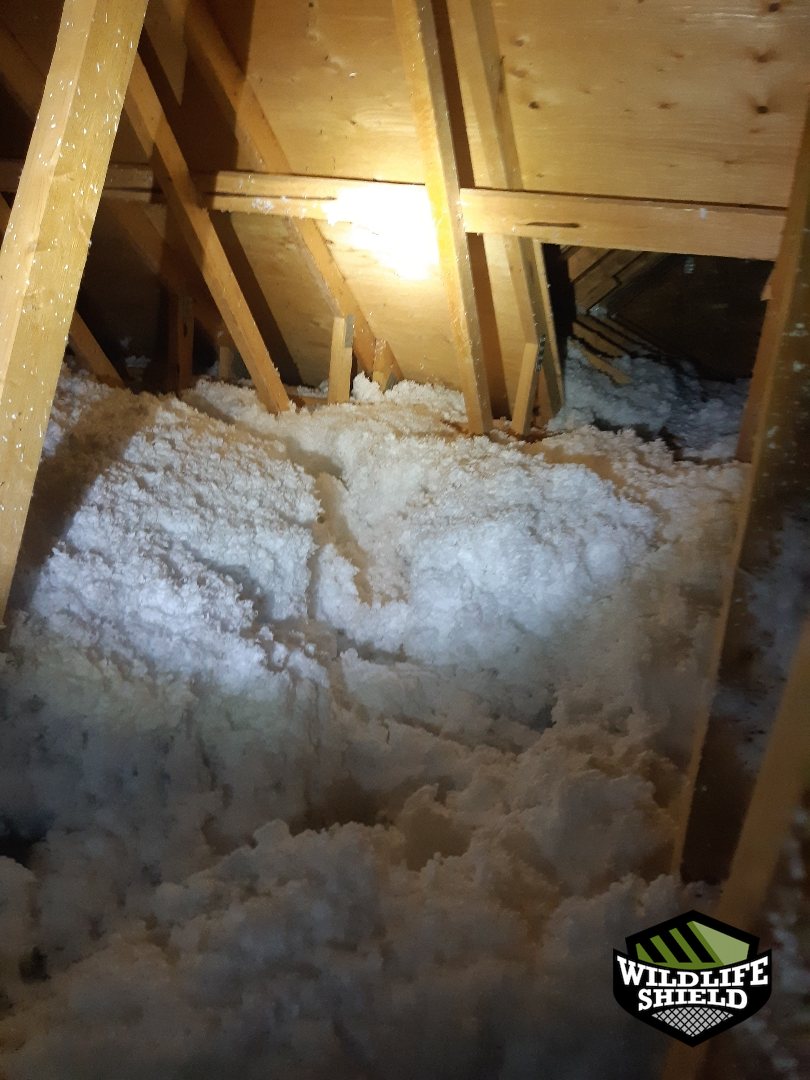
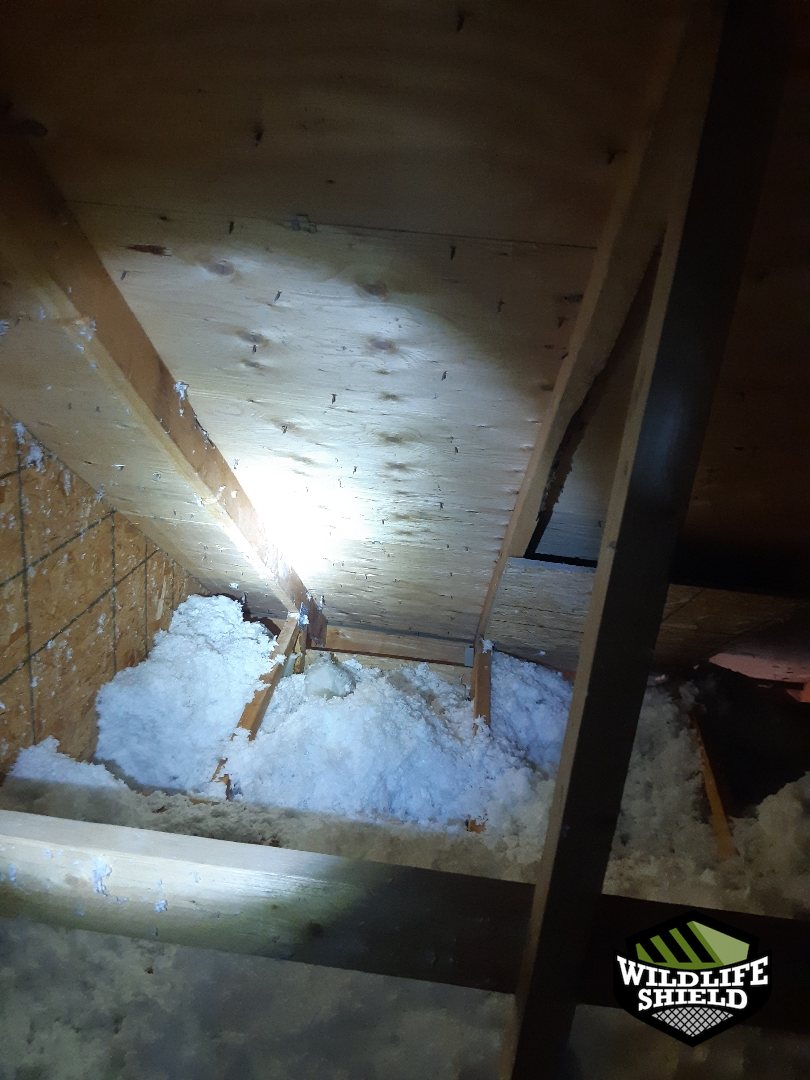
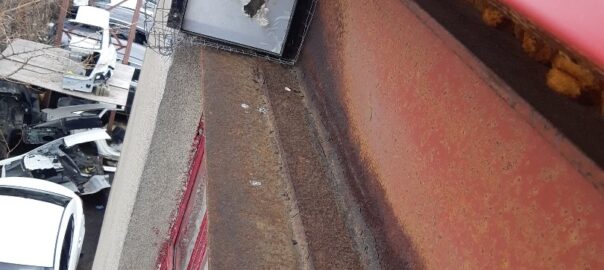
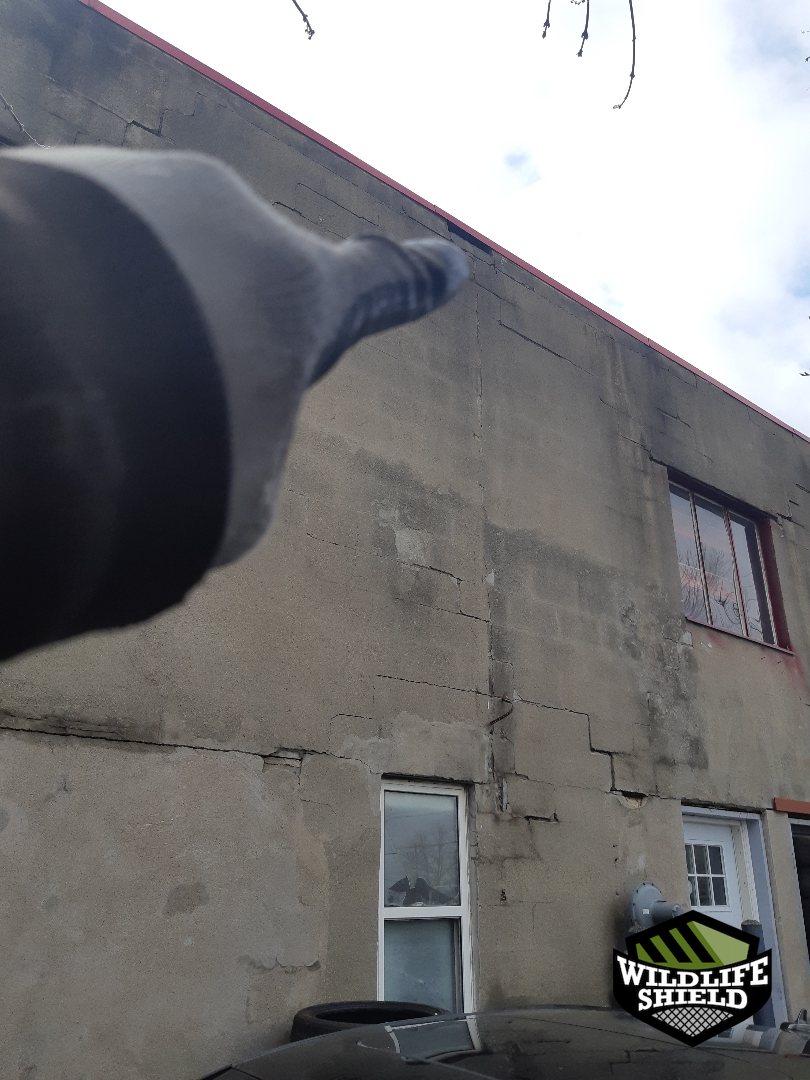
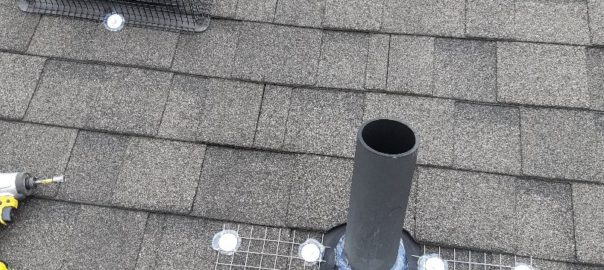
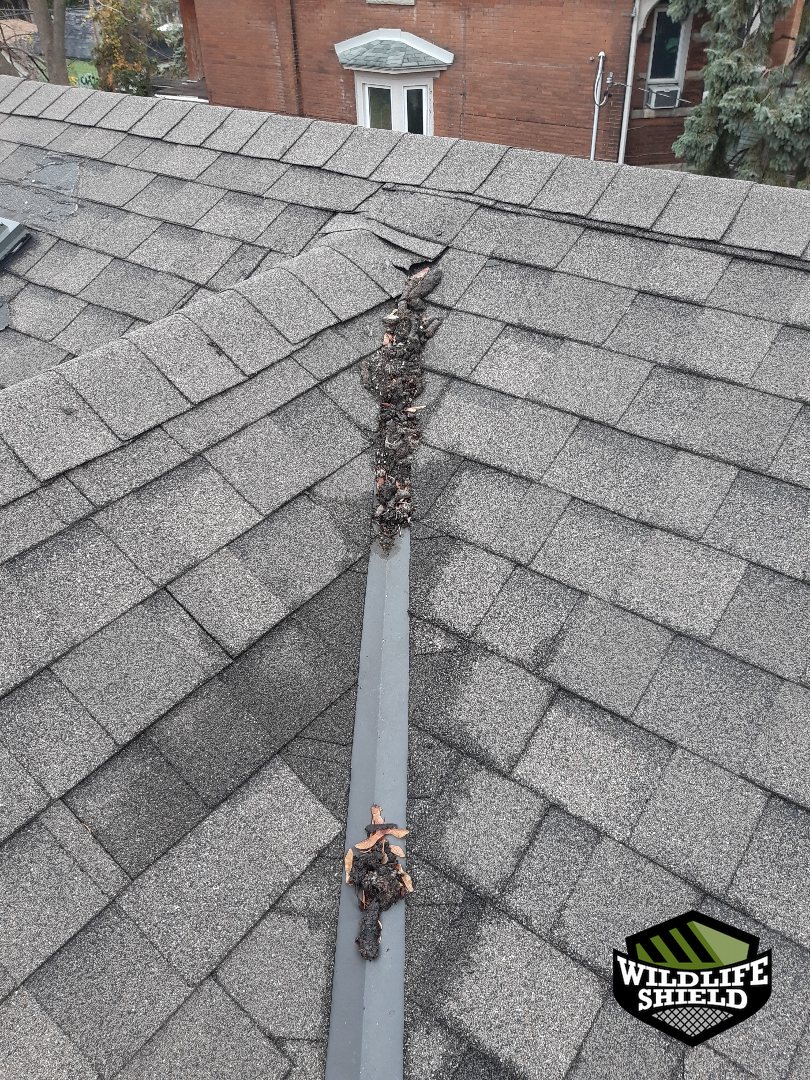
During the initial inspection, Ardian assessed the full roof surface, vents, plumbing stacks, and soffit intersections. No primary entry point into the roof or attic was identified at the time of service. However, staining, debris, and raccoon droppings were observed on roof surfaces, indicating regular rooftop activity. Several roof penetrations and soffit junctions were identified as potential future entry points if left unprotected.


Cause Analysis

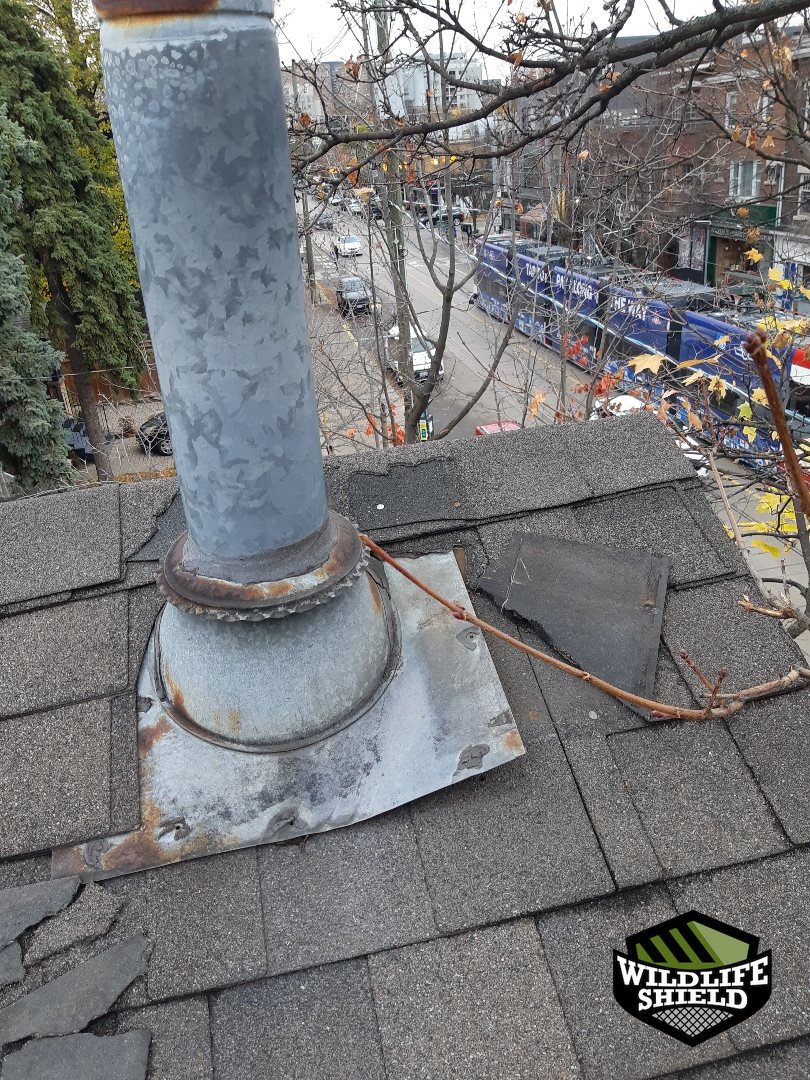
Raccoons commonly access residential roofs when overhanging trees, adjacent structures, or roof geometry provide climbing opportunities. Roof vents, plumbing stacks, and soffit intersections can be manipulated by raccoons using body weight and leverage, particularly when flashing or shingles loosen over time. Repeated rooftop activity often precedes attempts to gain entry.

Treatment / Removal

No animal removal was required, as no raccoon was occupying the structure at the time of inspection. Preventive exclusion measures were recommended and approved by the homeowner during the initial visit.

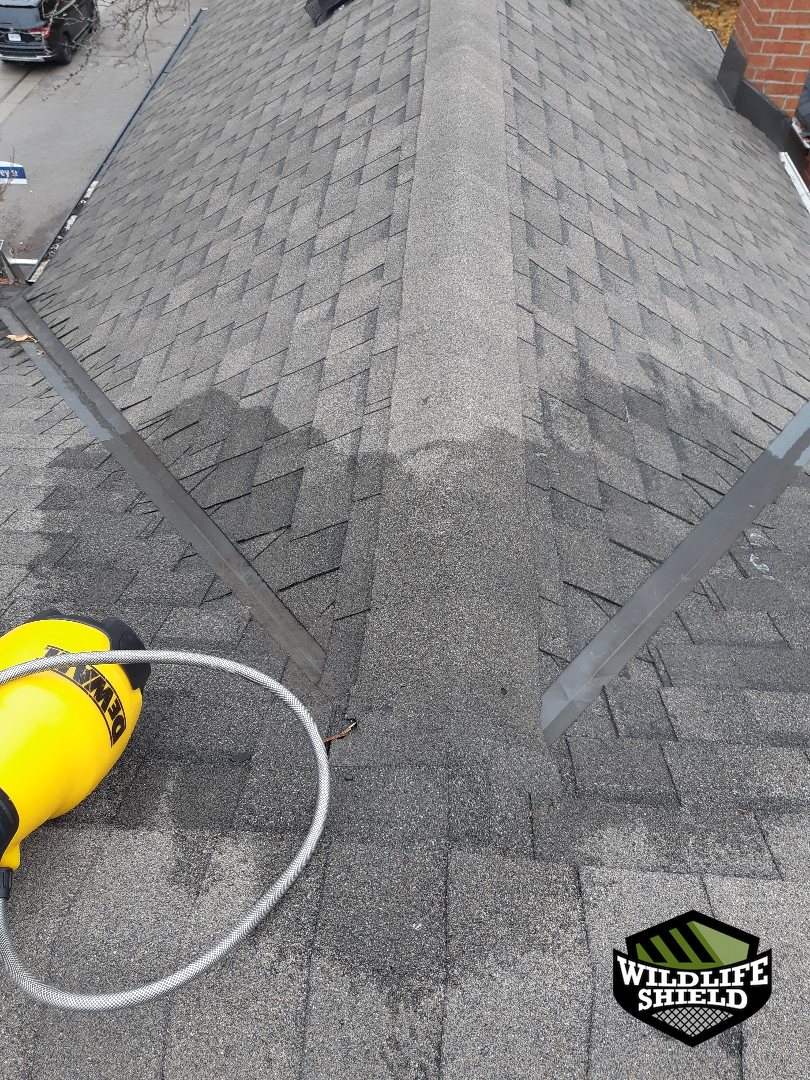
Raccoon droppings present on the roof surface were removed and treated using hospital-grade botanical disinfectants, followed by high-temperature steam sanitation exceeding 100 degrees to reduce biological contamination.

Exclusion & Repairs

Wildlife Shield completed the following exclusion work during the first visit:

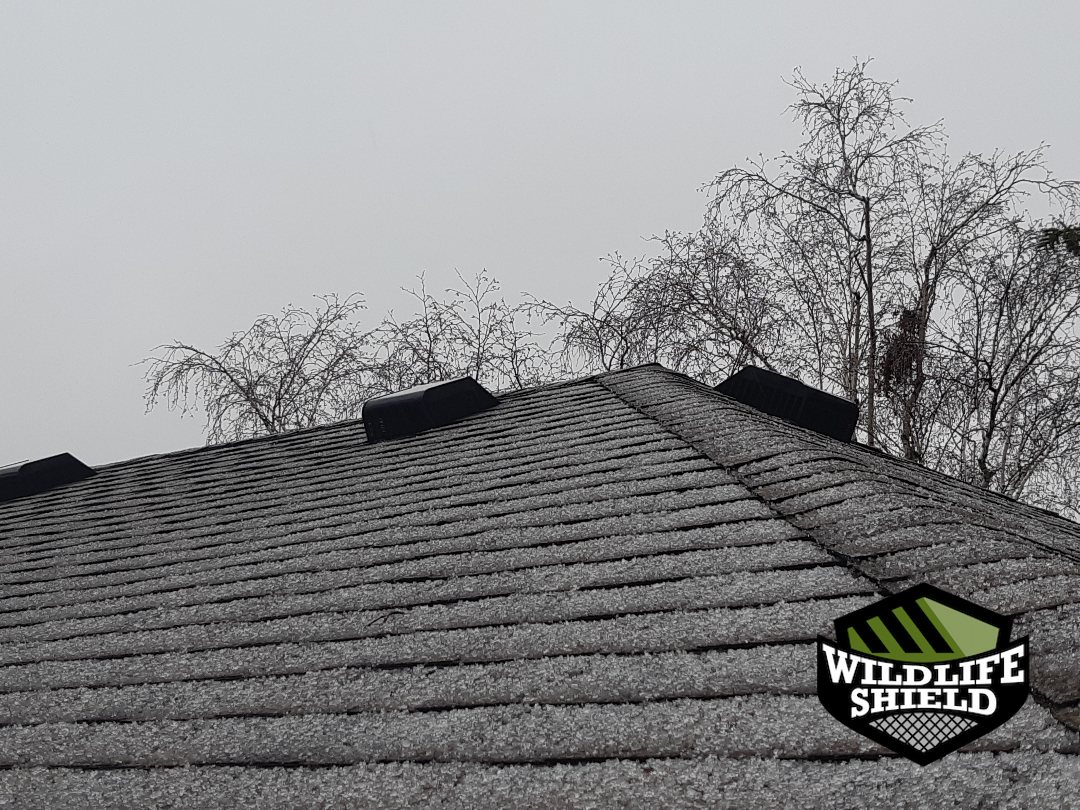
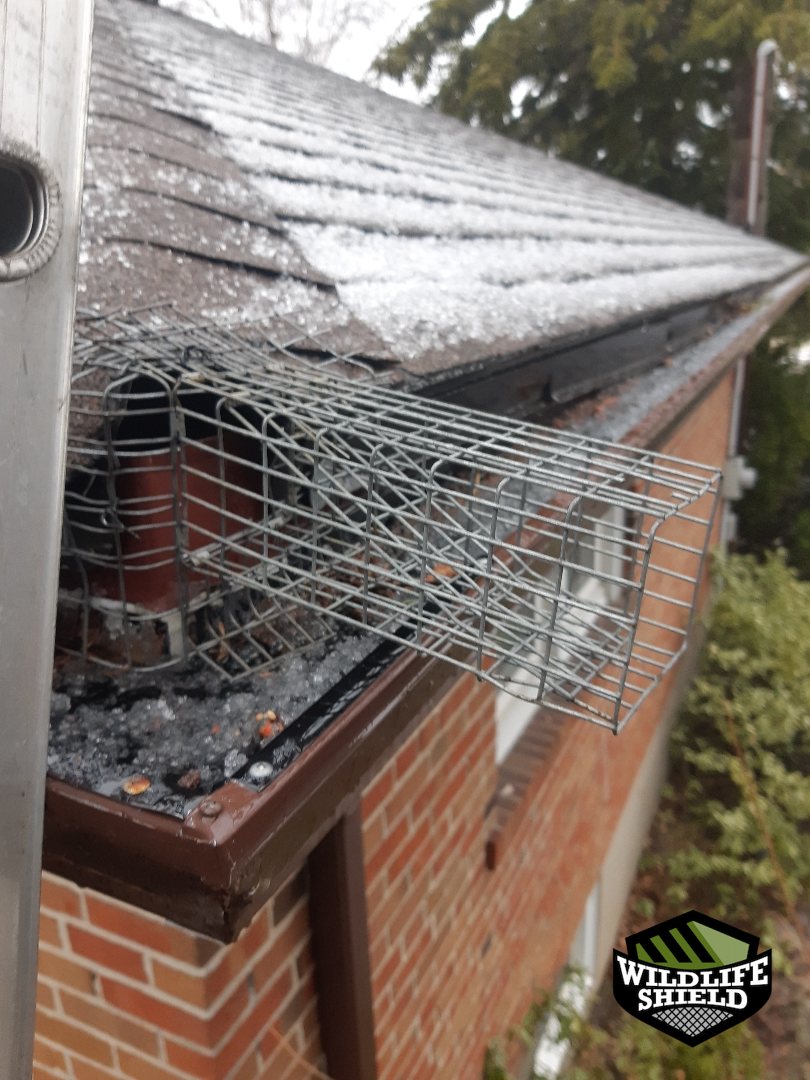
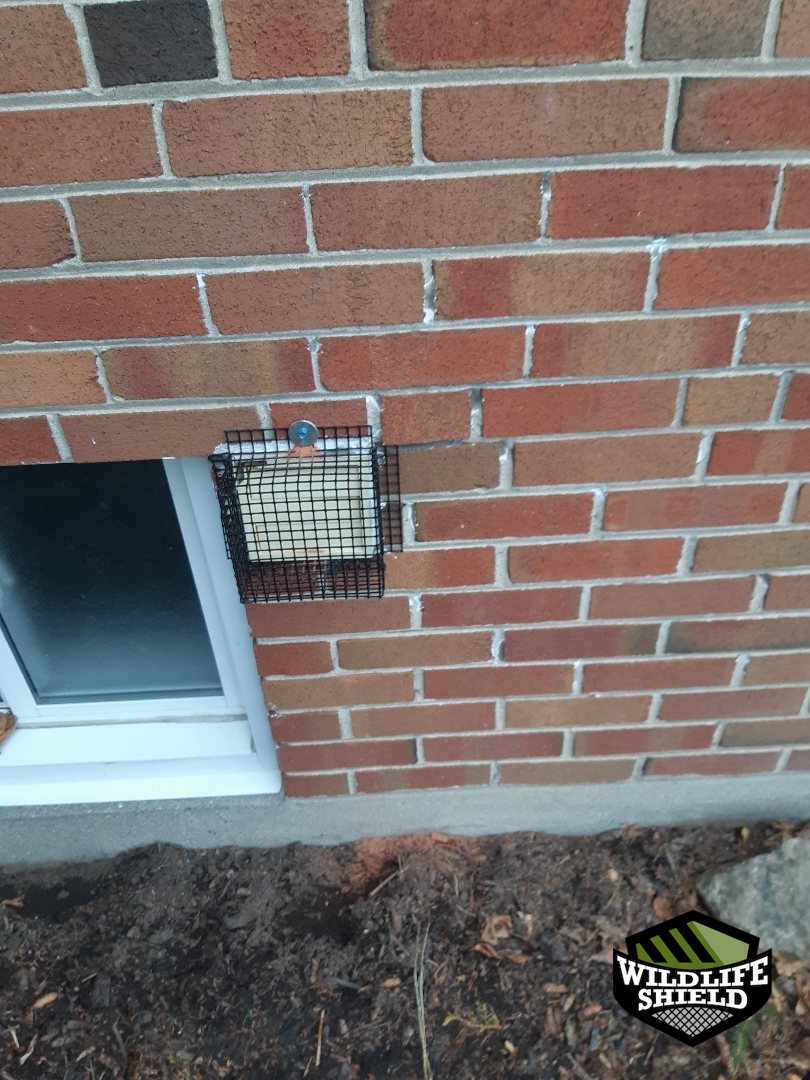
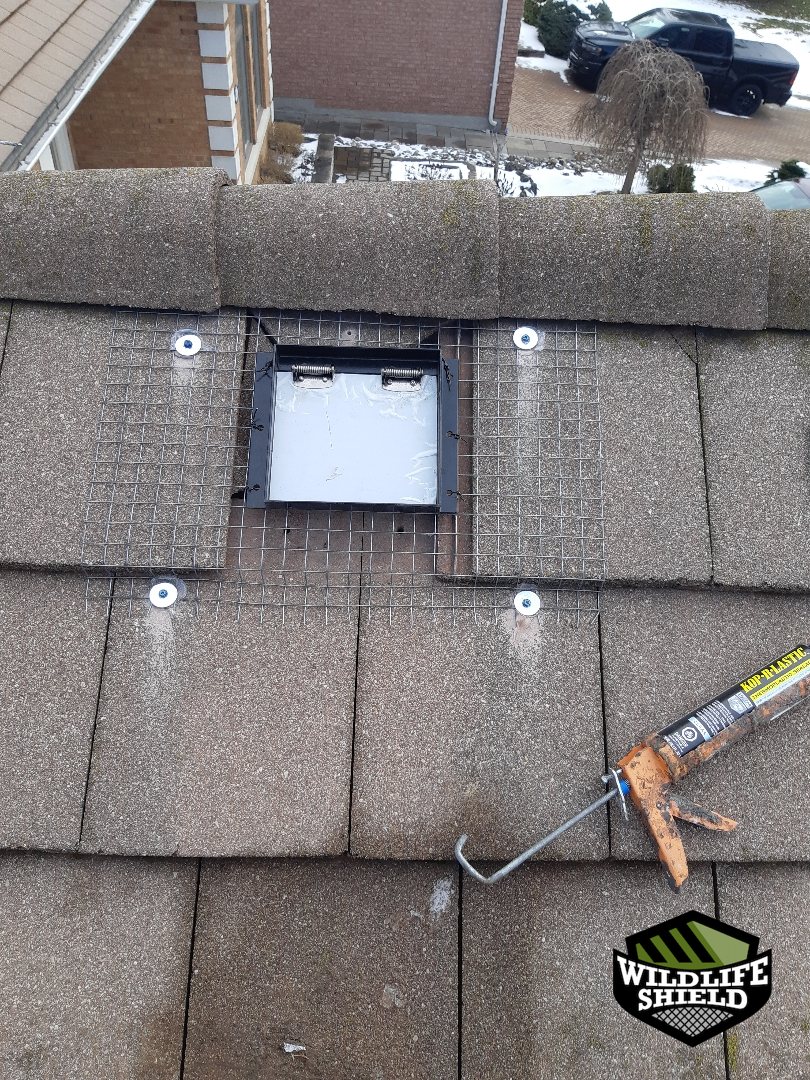
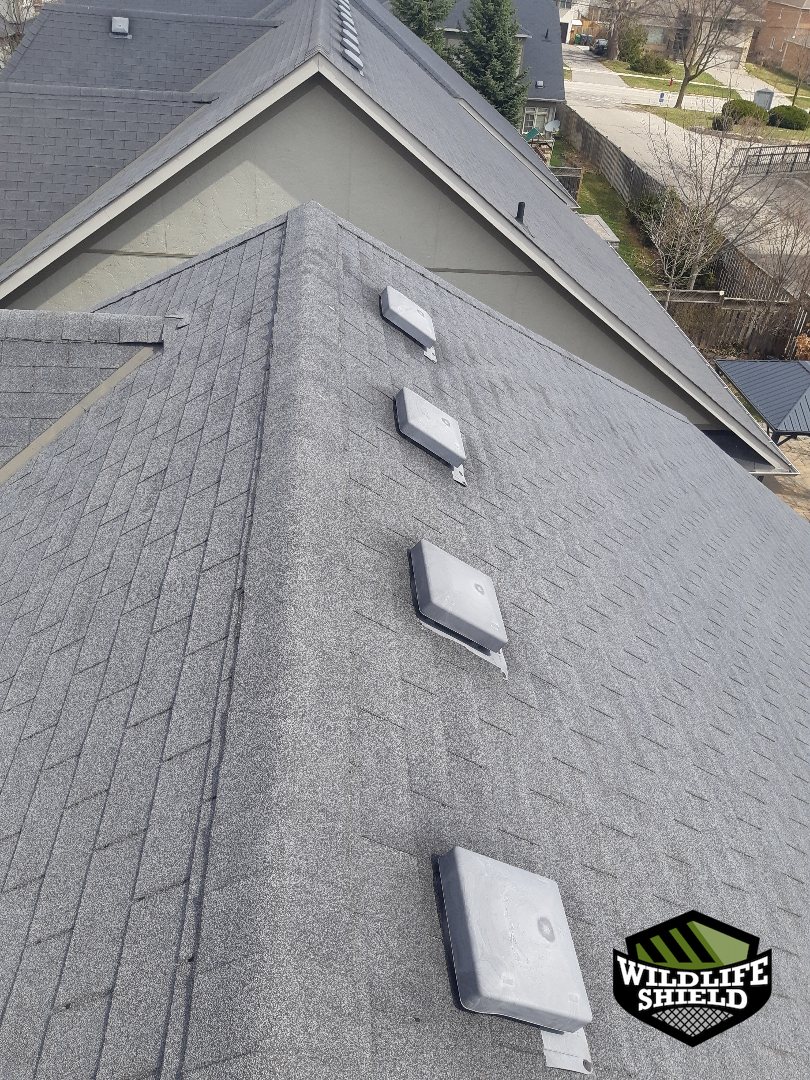
  • Installed four galvanized steel roof vent covers to prevent raccoon access through vent openings.
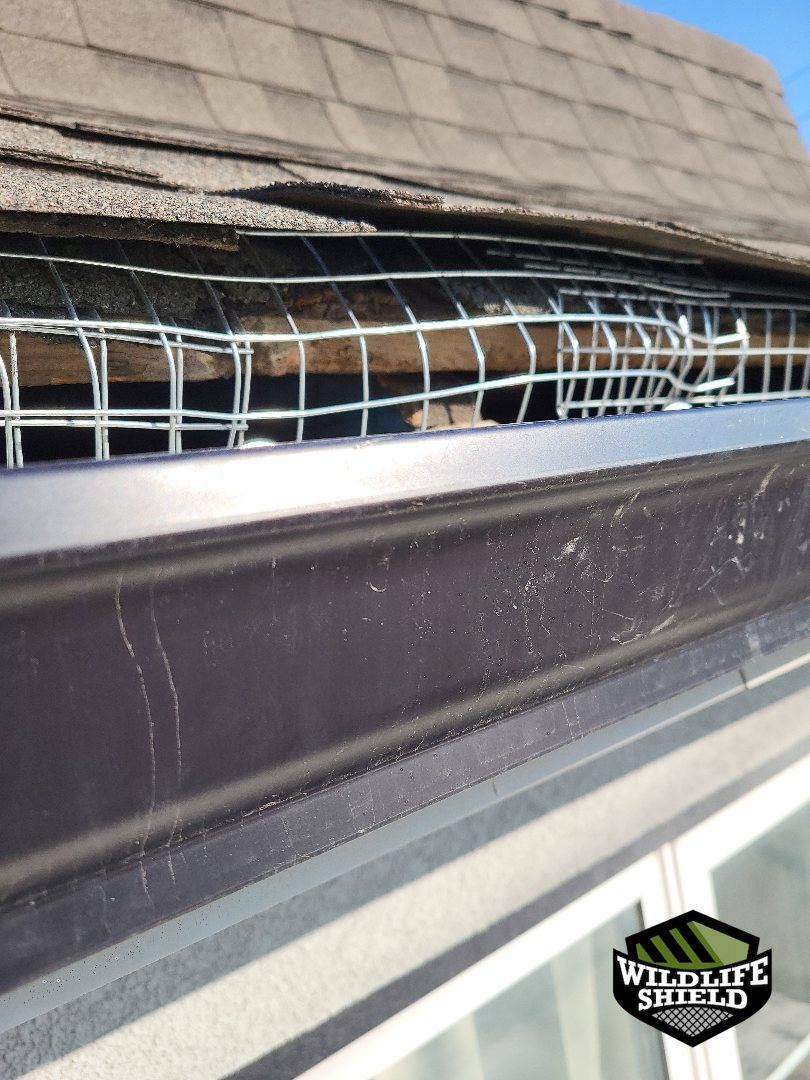
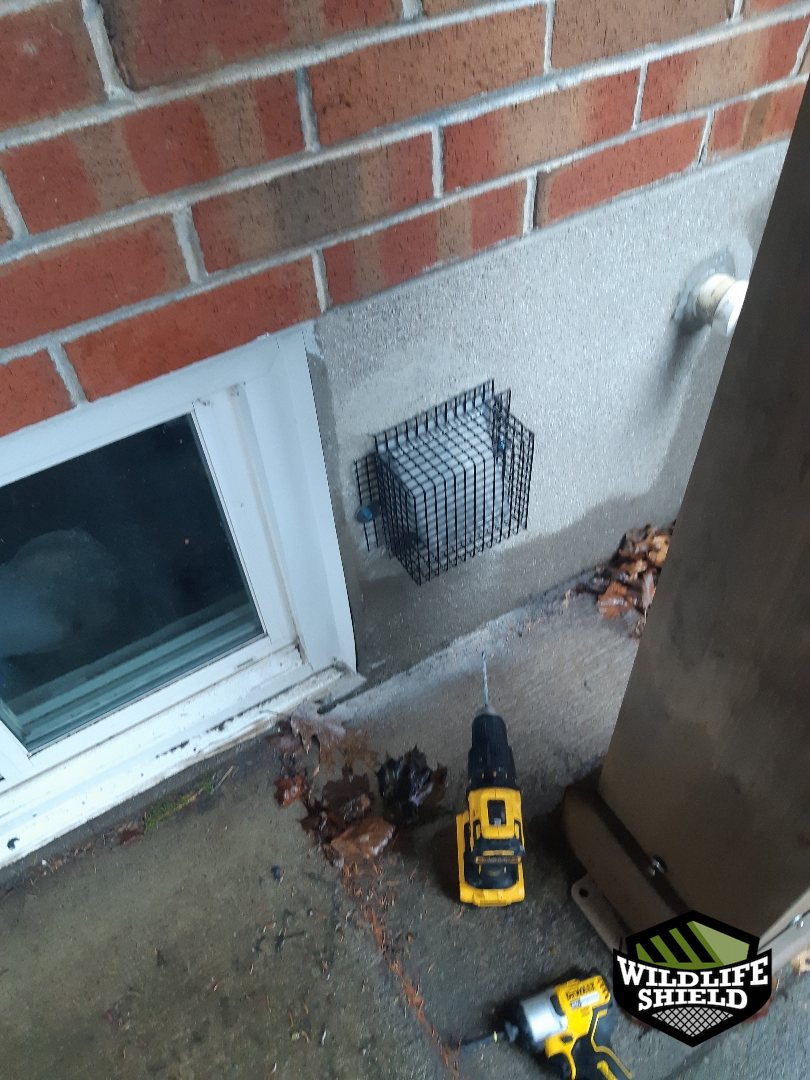
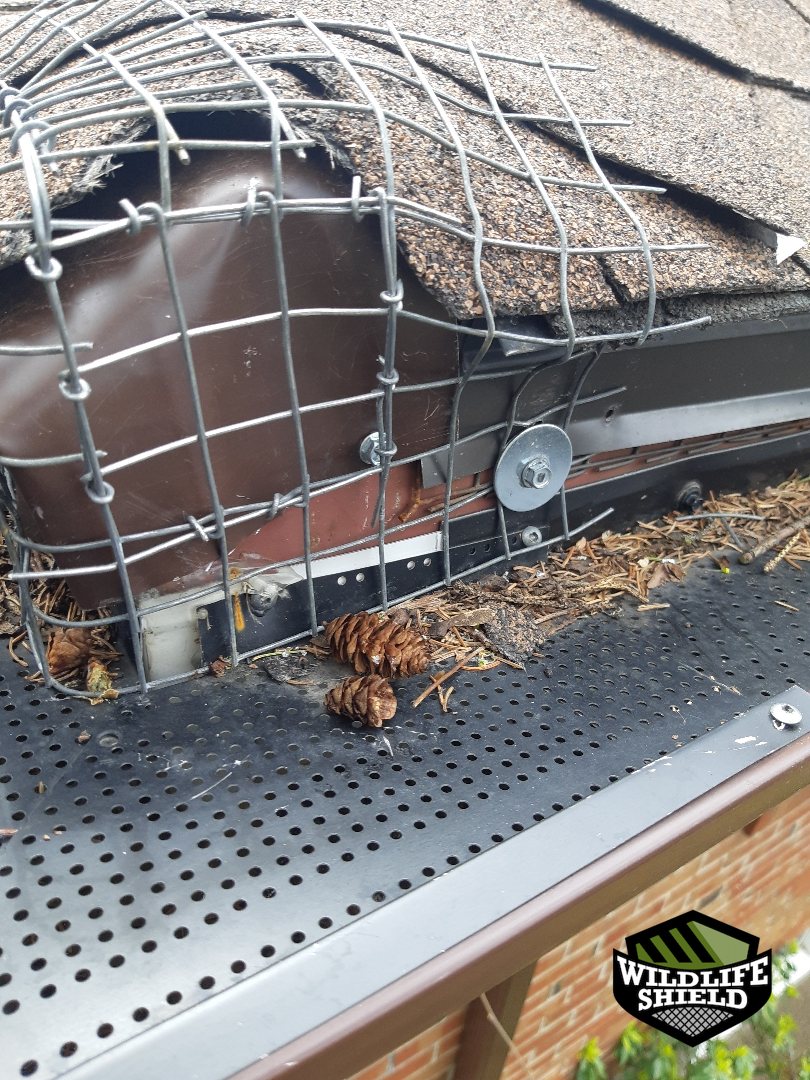
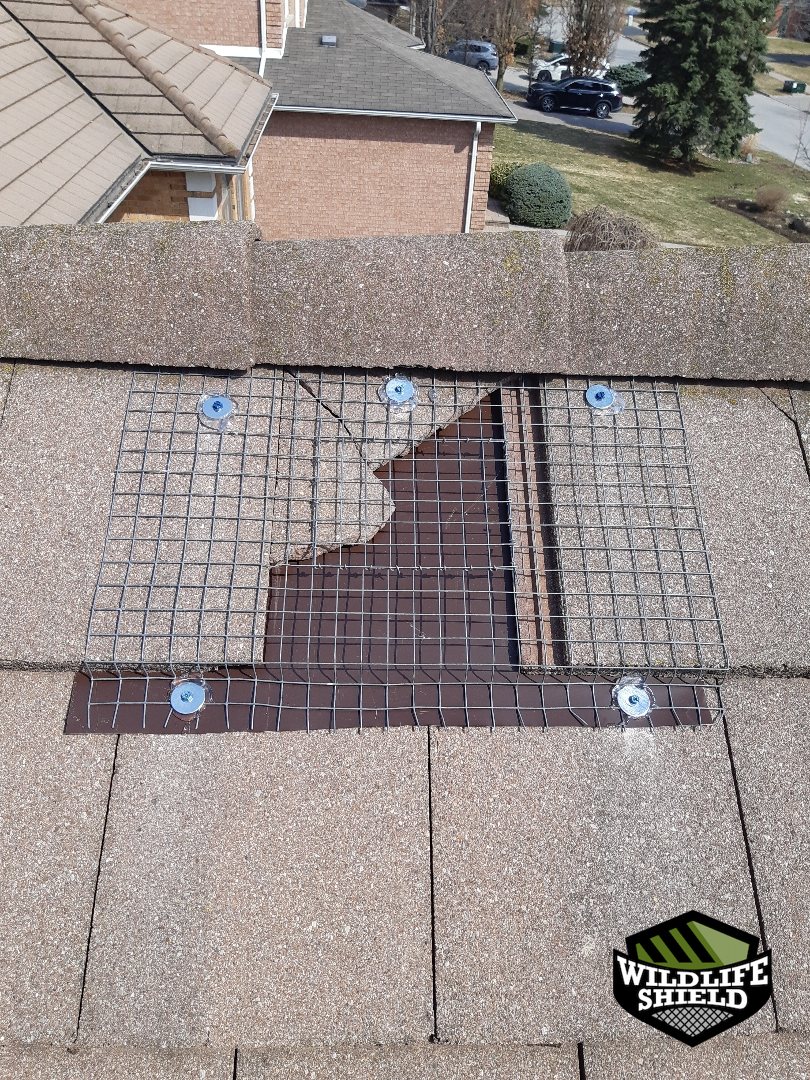
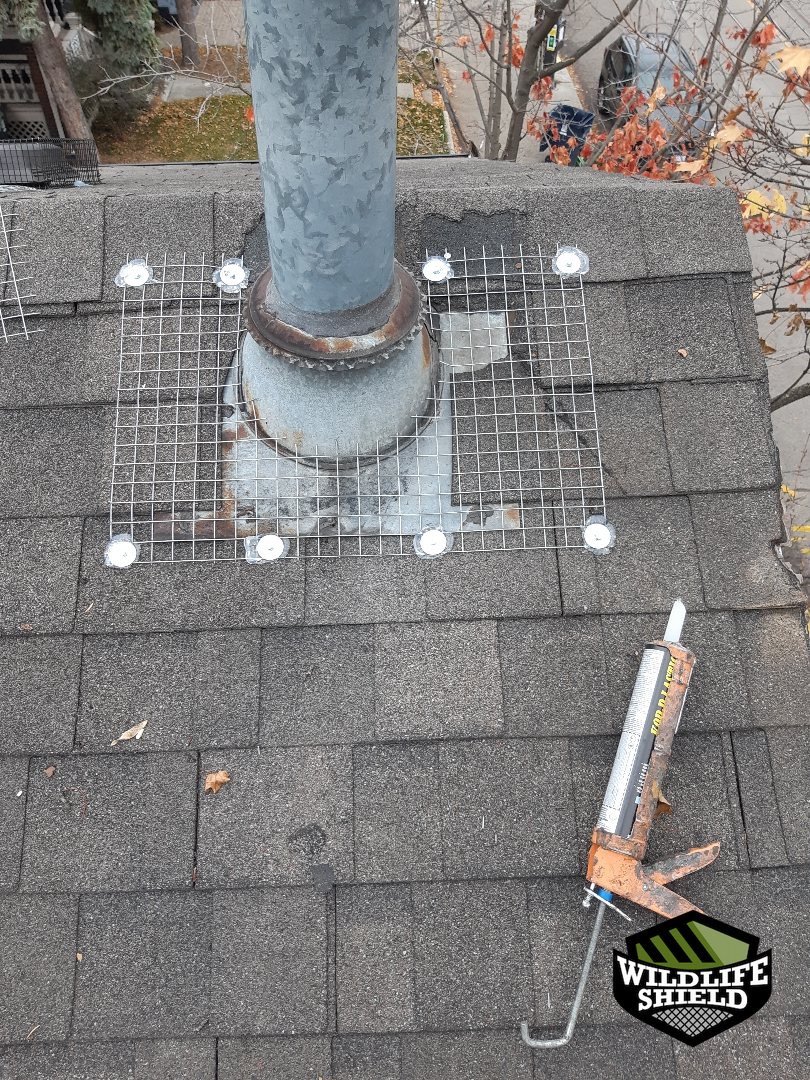
  • Sealed three plumbing vent bases with galvanized steel mesh to prevent shingles from being lifted.
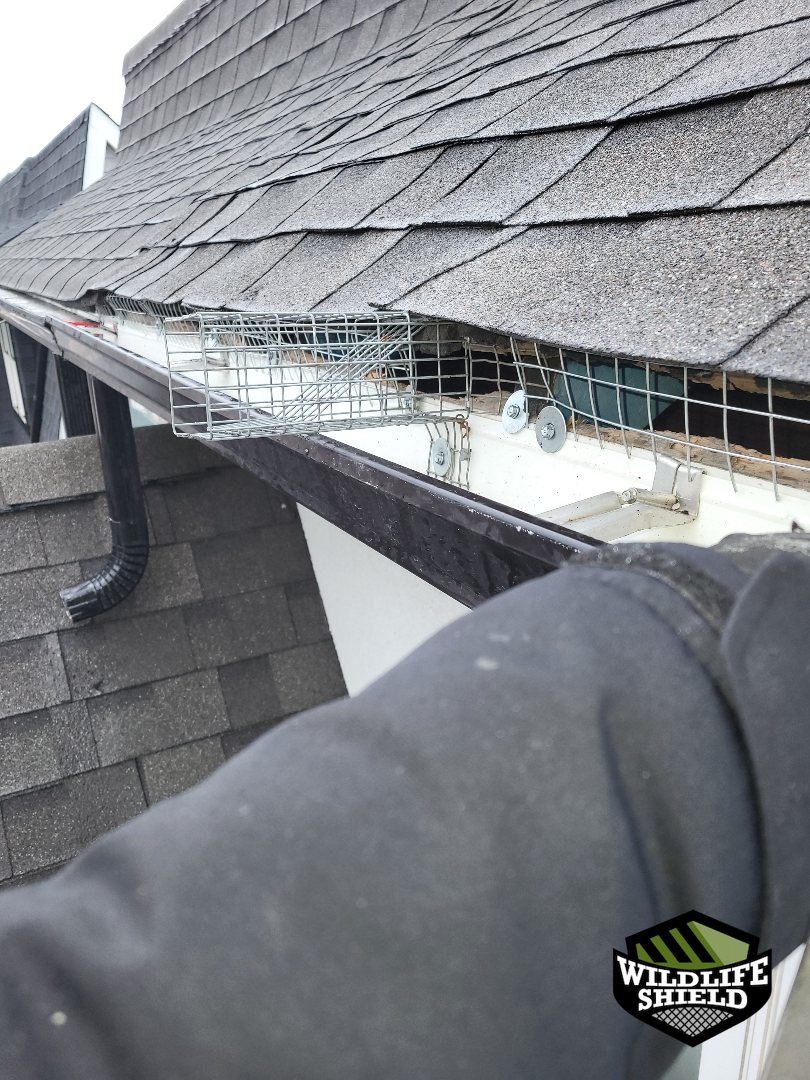
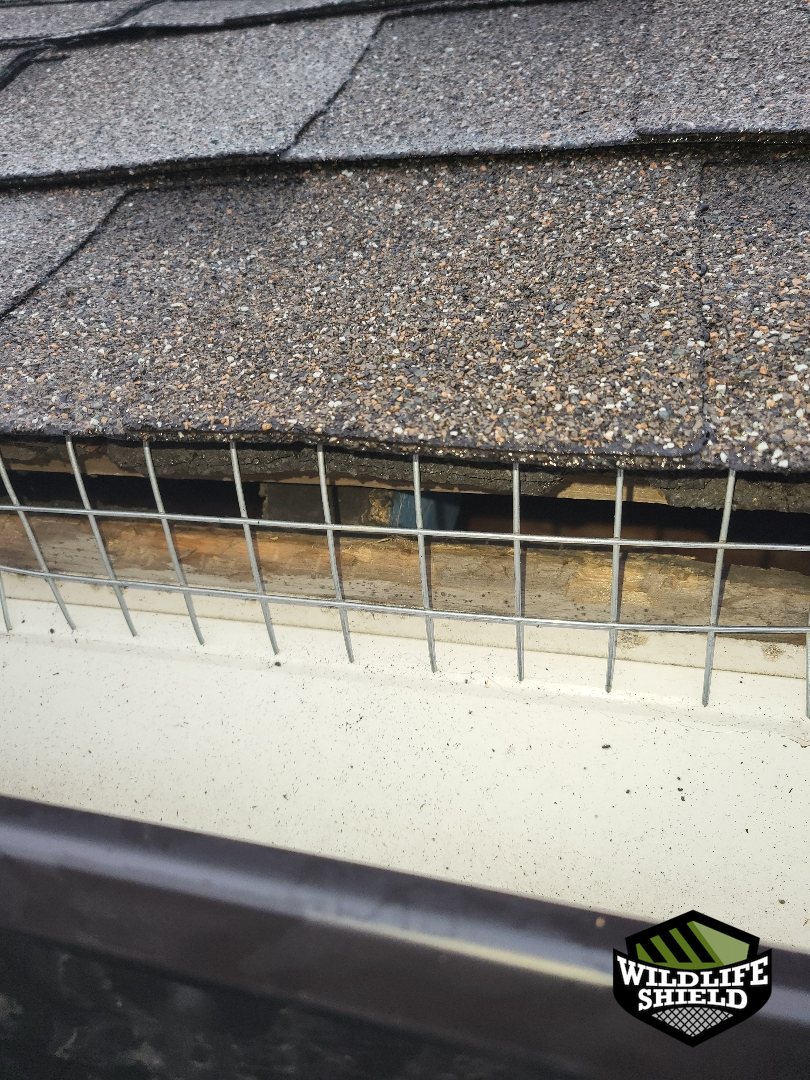
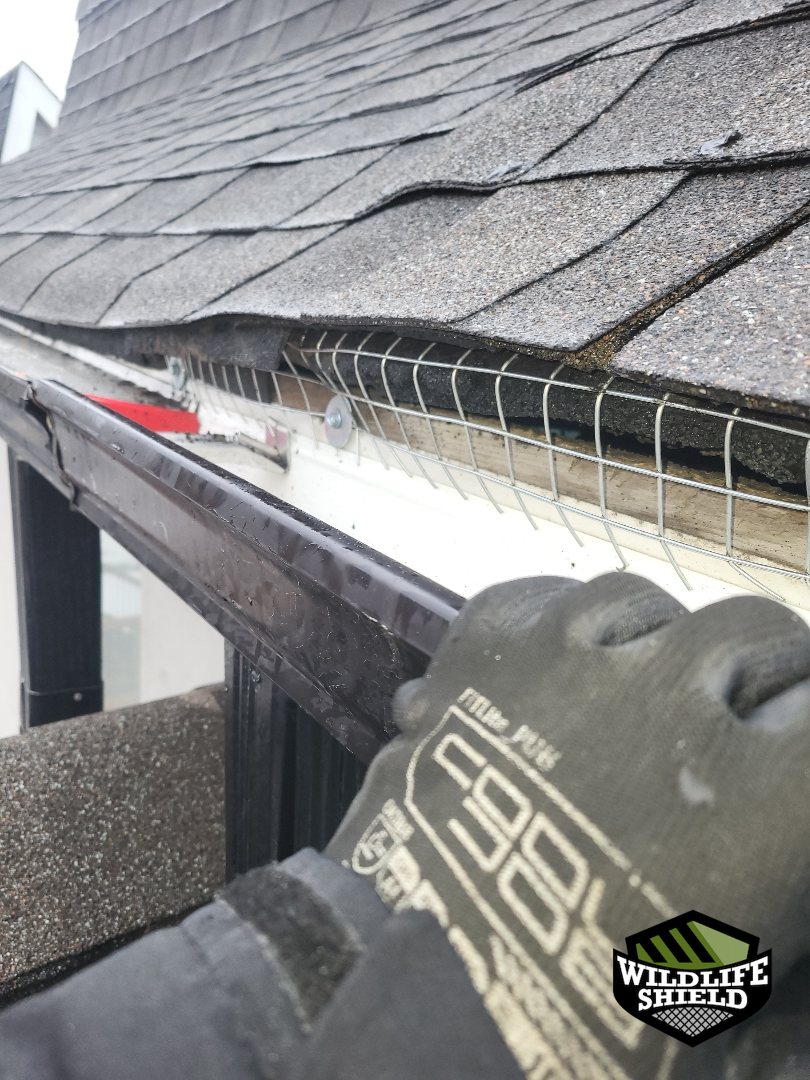
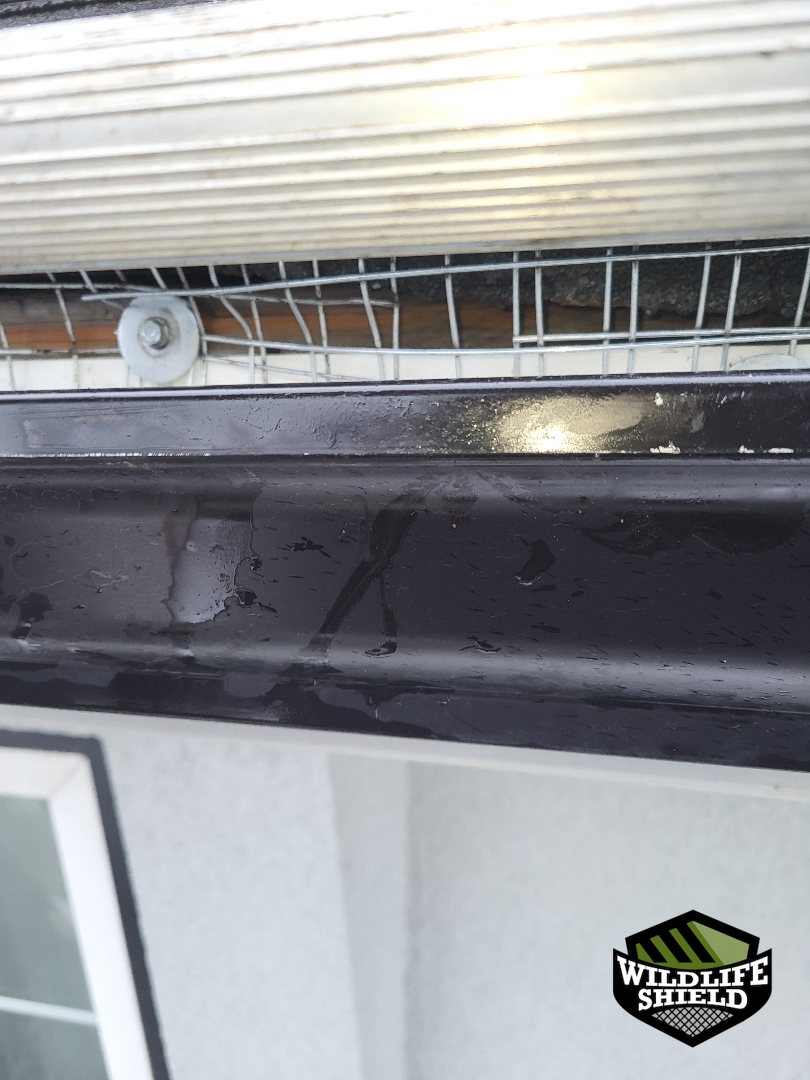
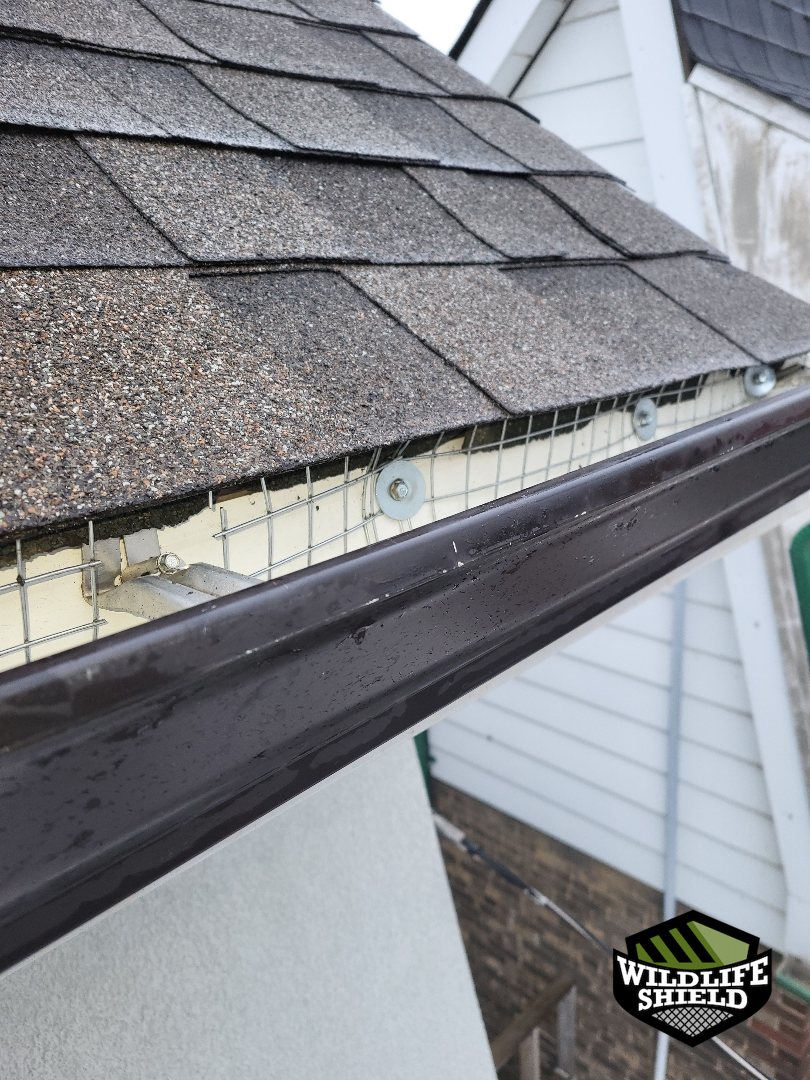
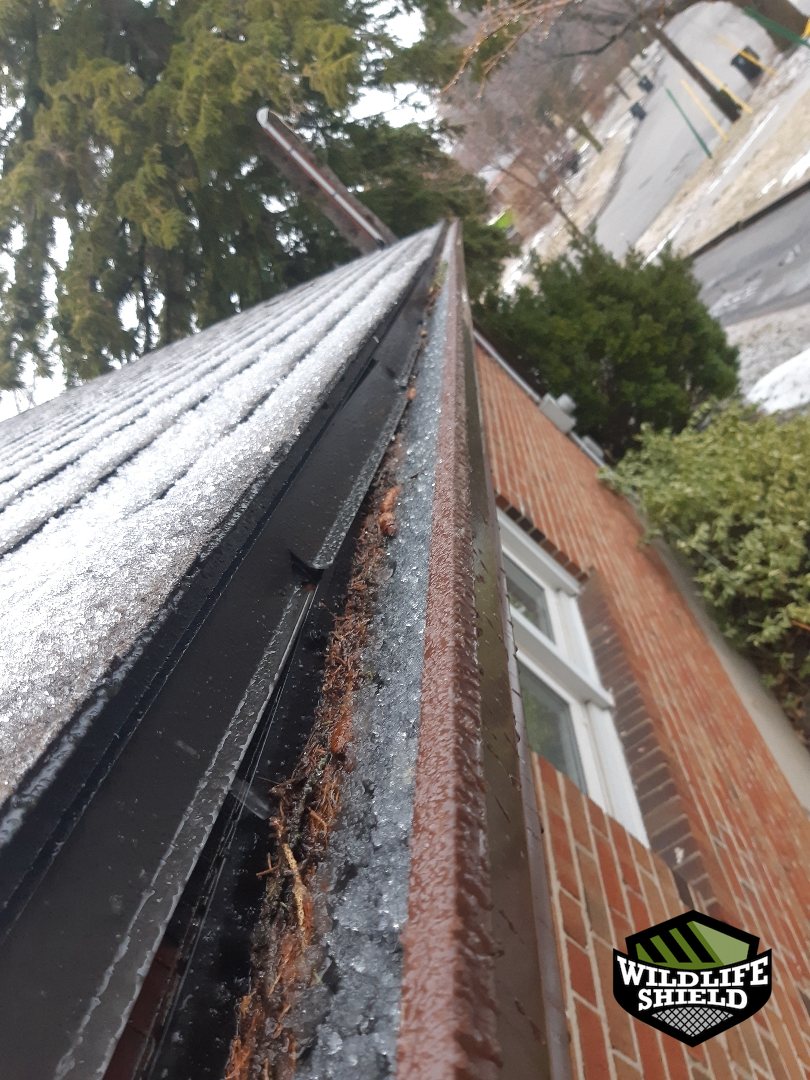
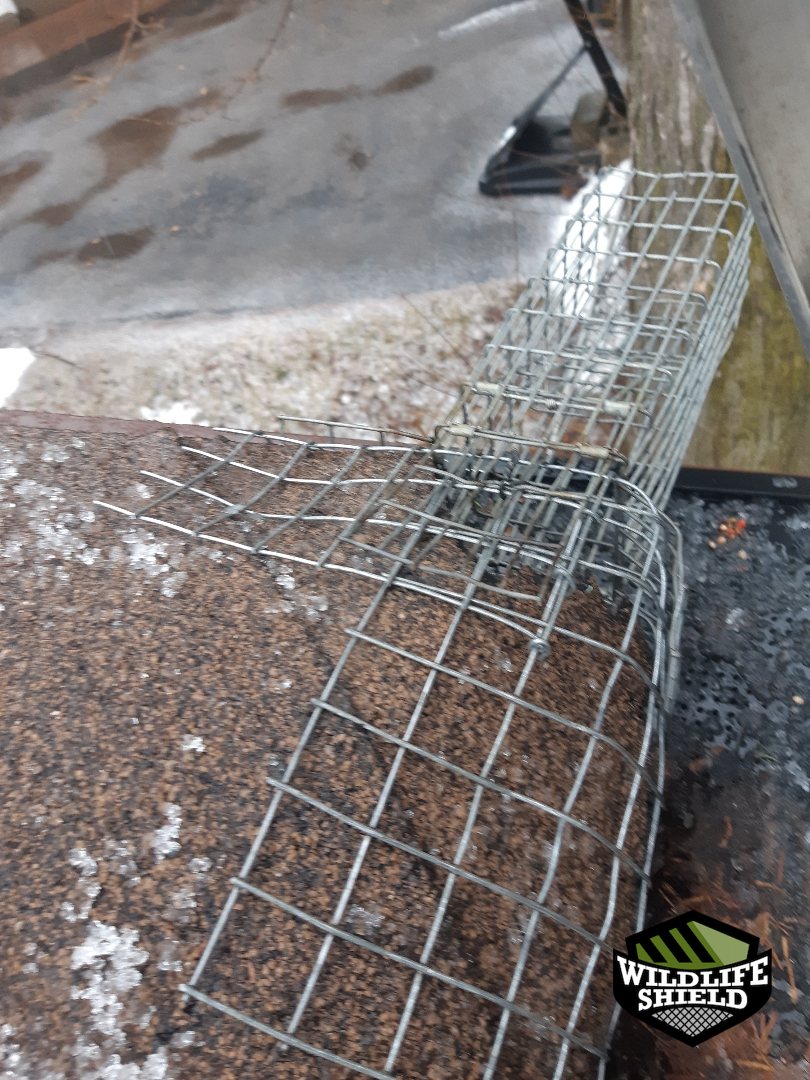
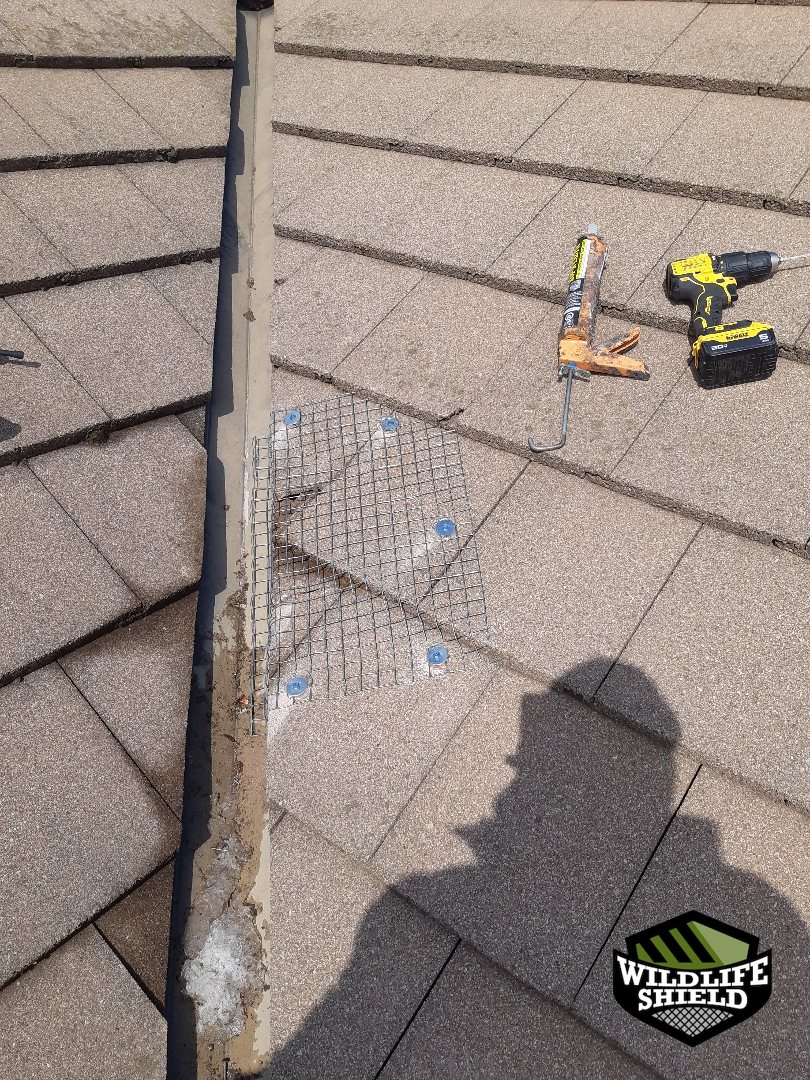
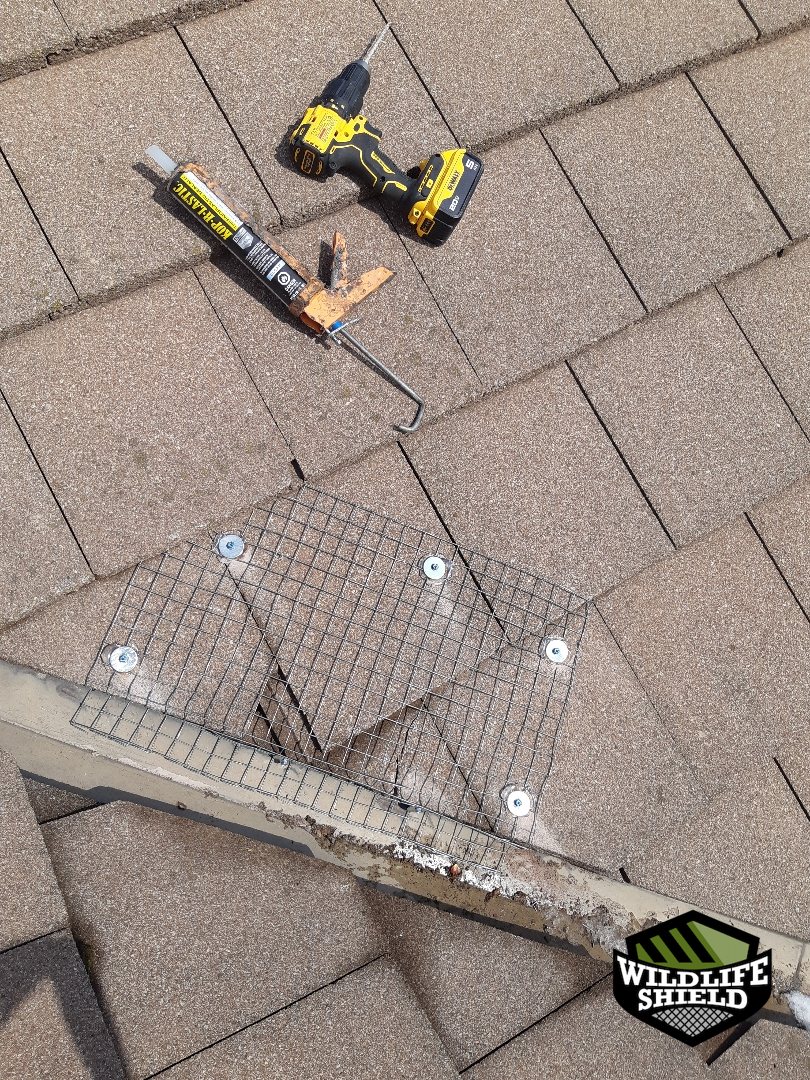
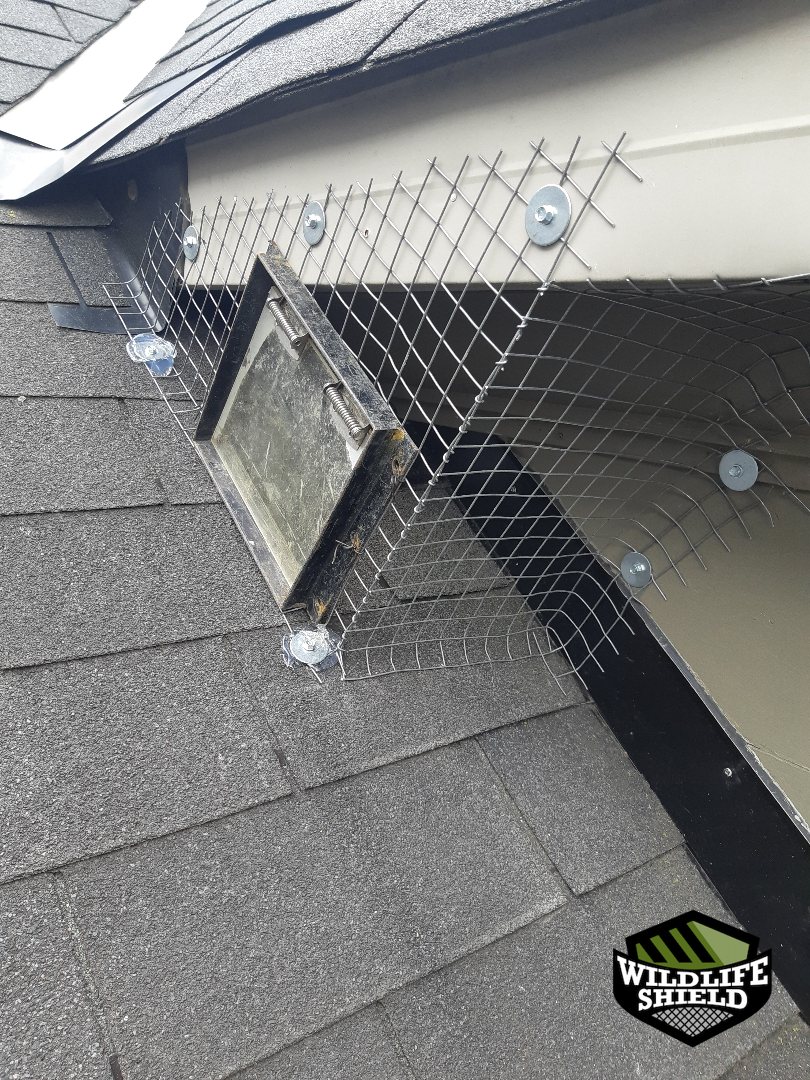
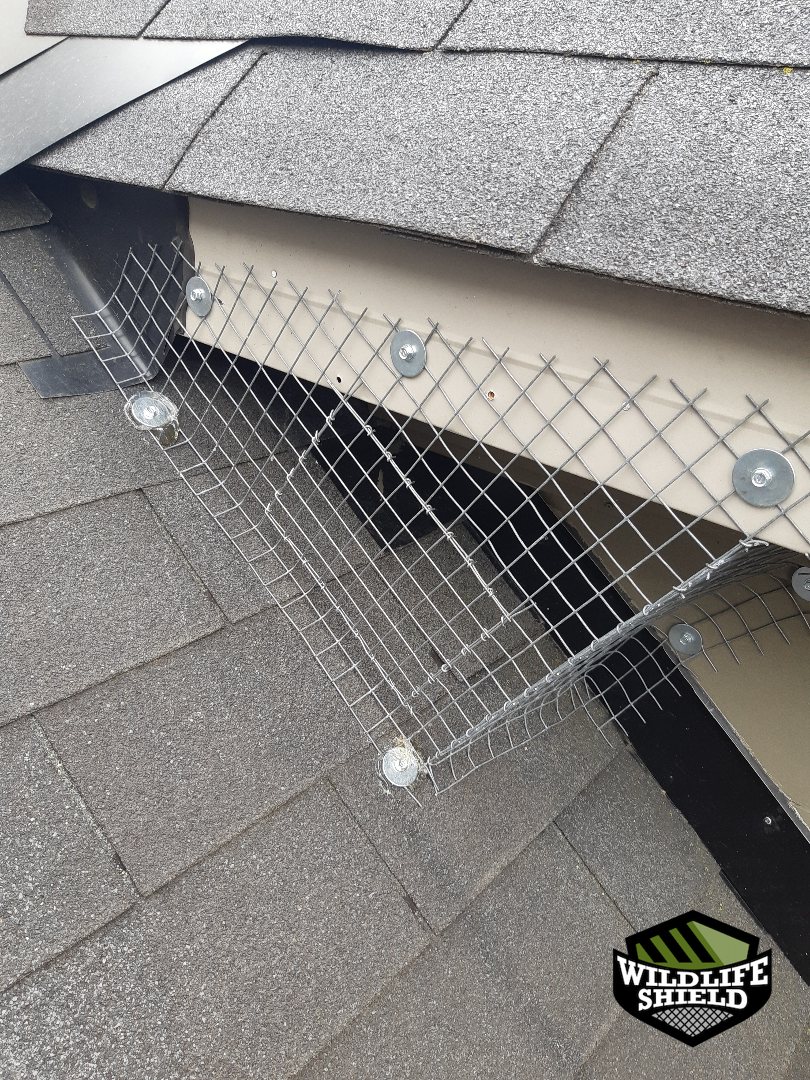
  • Secured one large soffit intersection using approximately seven feet of galvanized steel mesh.
  • Reinforced a second soffit intersection with galvanized steel mesh to eliminate access gaps.

All materials were mechanically fastened and conformed to the existing roof and soffit structure to ensure durability and weather resistance.


Outcome & Confirmation

A follow-up visit was completed to confirm that all exclusion materials remained secure and properly fitted. No further raccoon activity was reported by the homeowner. All sealed areas were re-inspected, and the roofline showed no signs of new disturbance or attempted entry.

Technician Notes

Ardian completed a full rooftop inspection and preventive exclusion service. No structural entry was present at the time of inspection. Work focused on long-term wildlife prevention at known raccoon pressure points. All work was completed safely using working-at-heights procedures.

This work was completed by our Toronto Wildlife control team. For Wildlife control inquiries in Toronto, contact 647-496-2211.

14 Jun

Raccoon Exclusion Between Side Fence and Deck – Toronto

Job Overview

Location: Toronto, Ontario
Structure: Semi-attached two-story house with second story built into the roof
Problem: Raccoon activity reported under a deck
Service: Raccoon exclusion
Visits: 2

Summary

We were contacted regarding suspected raccoon activity beneath a rear deck. During inspection, our team confirmed that the animals were not living under the deck itself, but instead had established a denning area within a narrow void between two side fences adjacent to the house. A humane exclusion and full mesh containment were completed over two visits, with no further activity reported following completion.

Background / Property Context

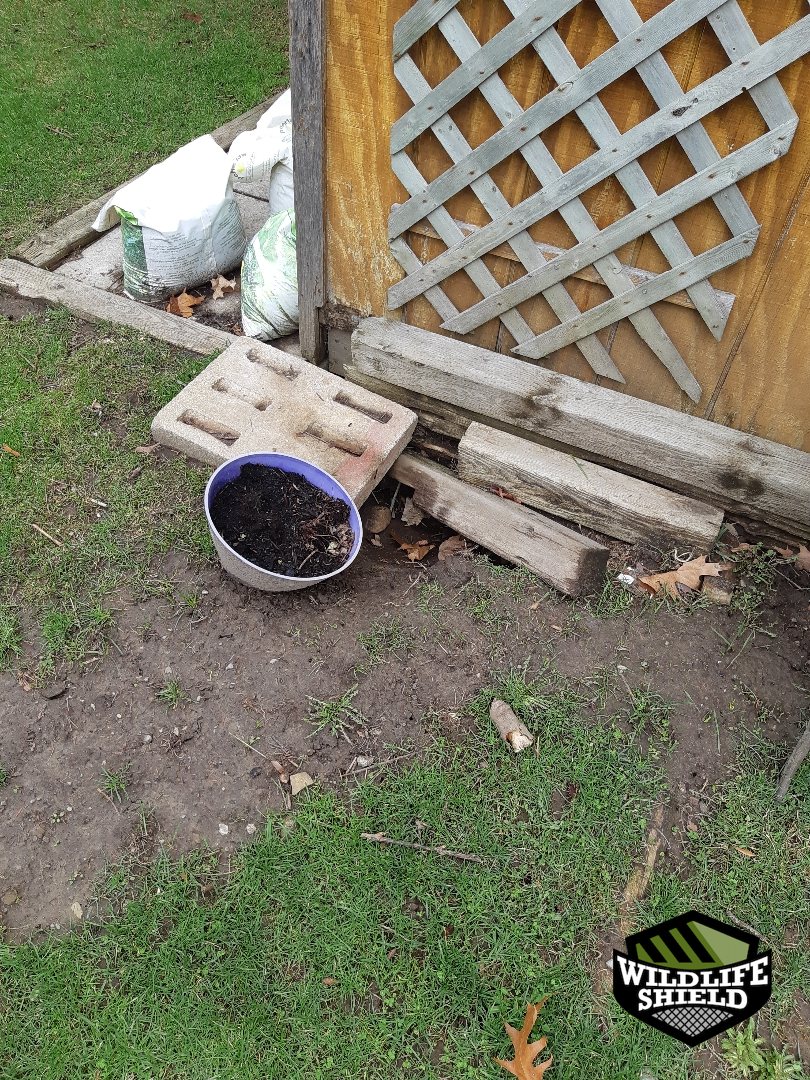
The property is a semi-attached home with limited side-yard clearance. A deck spans the width of the rear yard, restricting access beneath it and concentrating animal movement along the narrow fence line beside the structure. This created a concealed and sheltered corridor suitable for wildlife denning.

Customer Concern

The homeowner reported raccoon activity believed to be coming from under the deck, with concerns about ongoing noise and the presence of young animals.

Inspection & Findings

Inspection confirmed raccoon occupancy within the confined space between two parallel fences along the side of the house. Evidence indicated an adult raccoon and mobile young using this corridor, with access extending toward the deck area. No active denning was found directly beneath the deck structure.

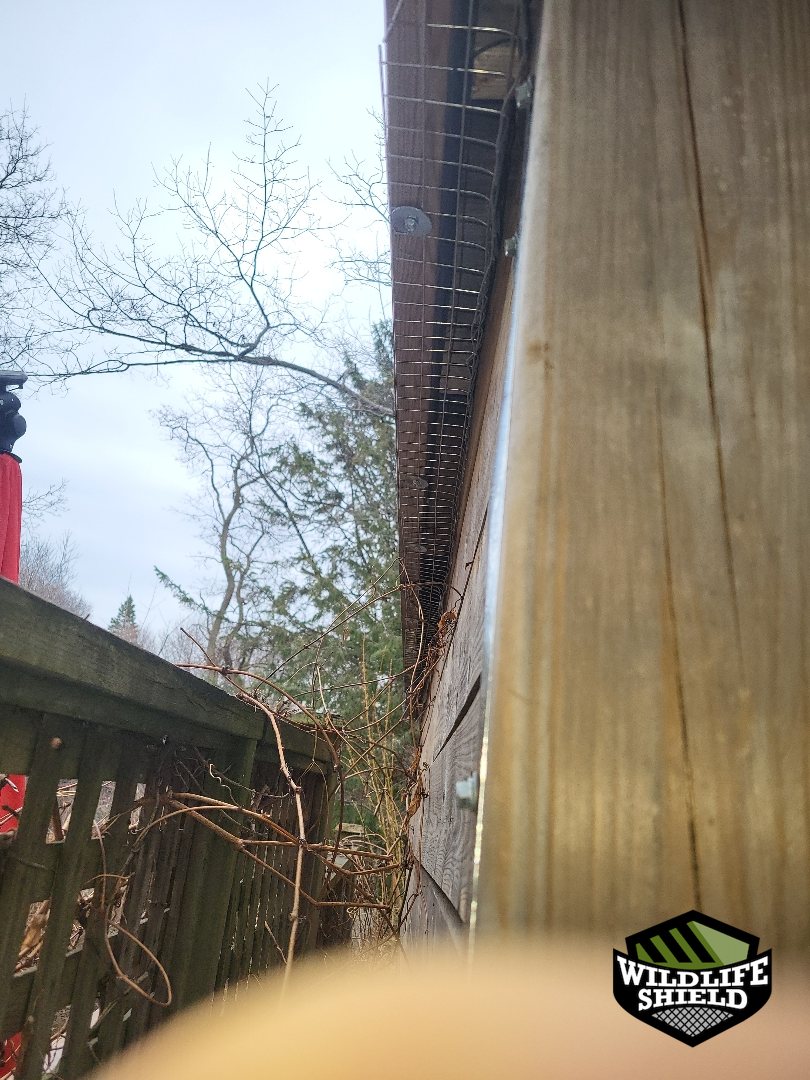
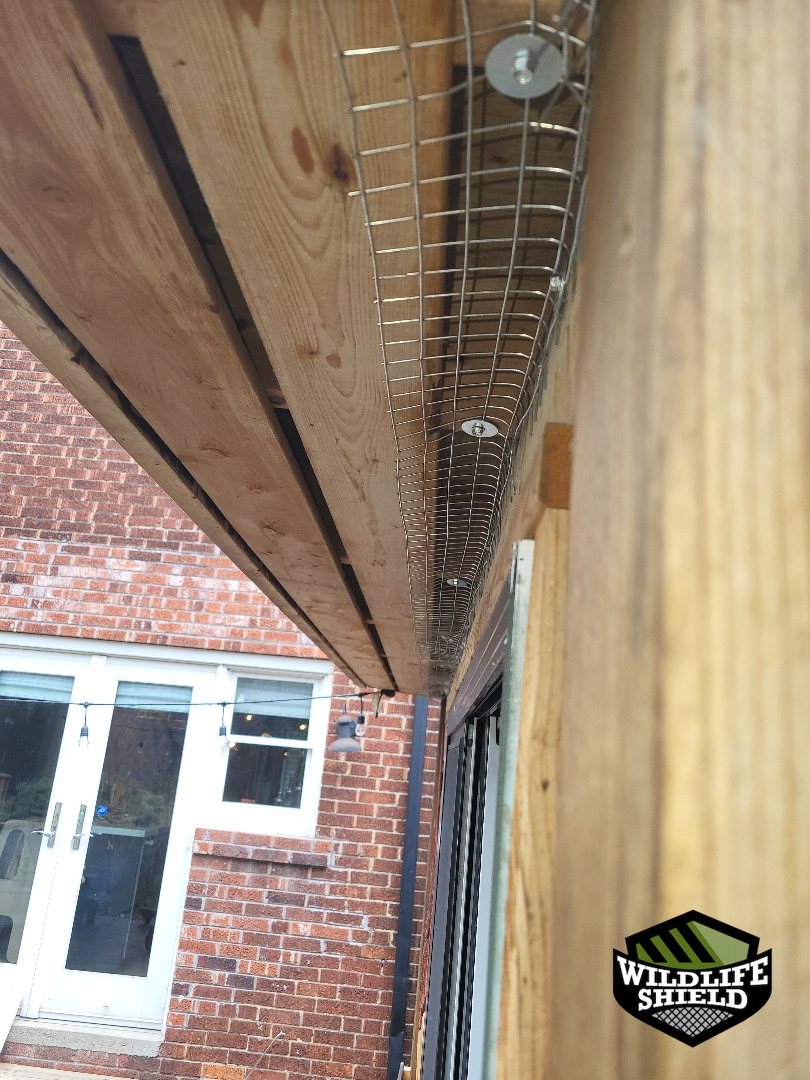
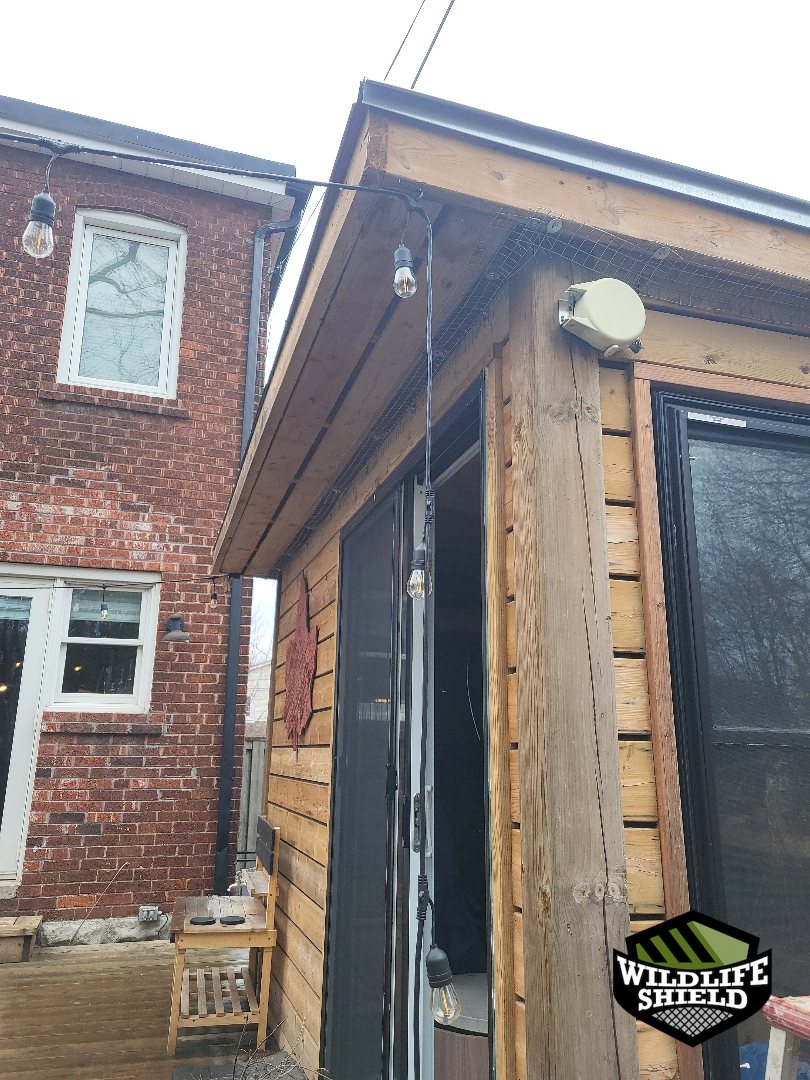
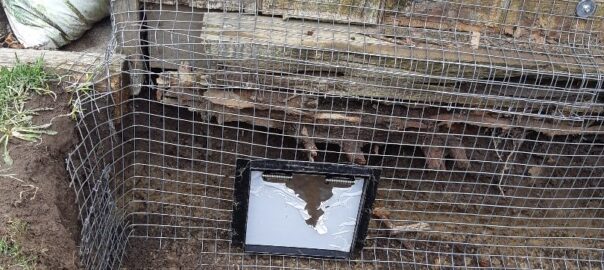
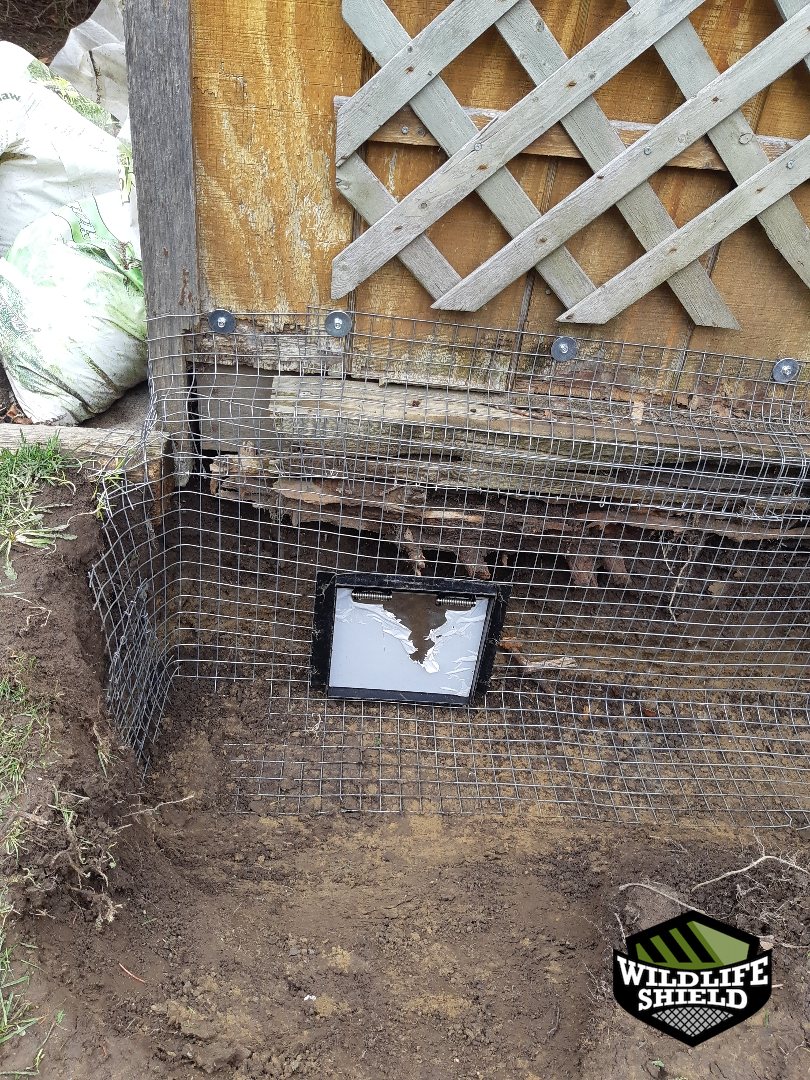
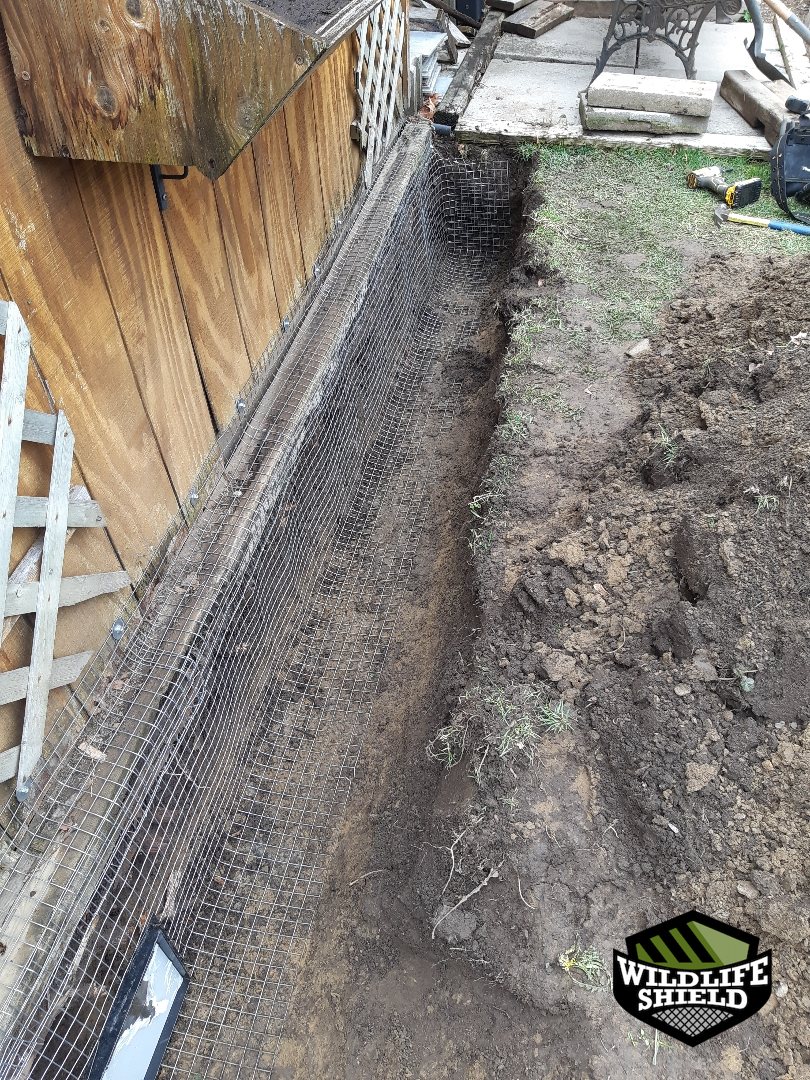
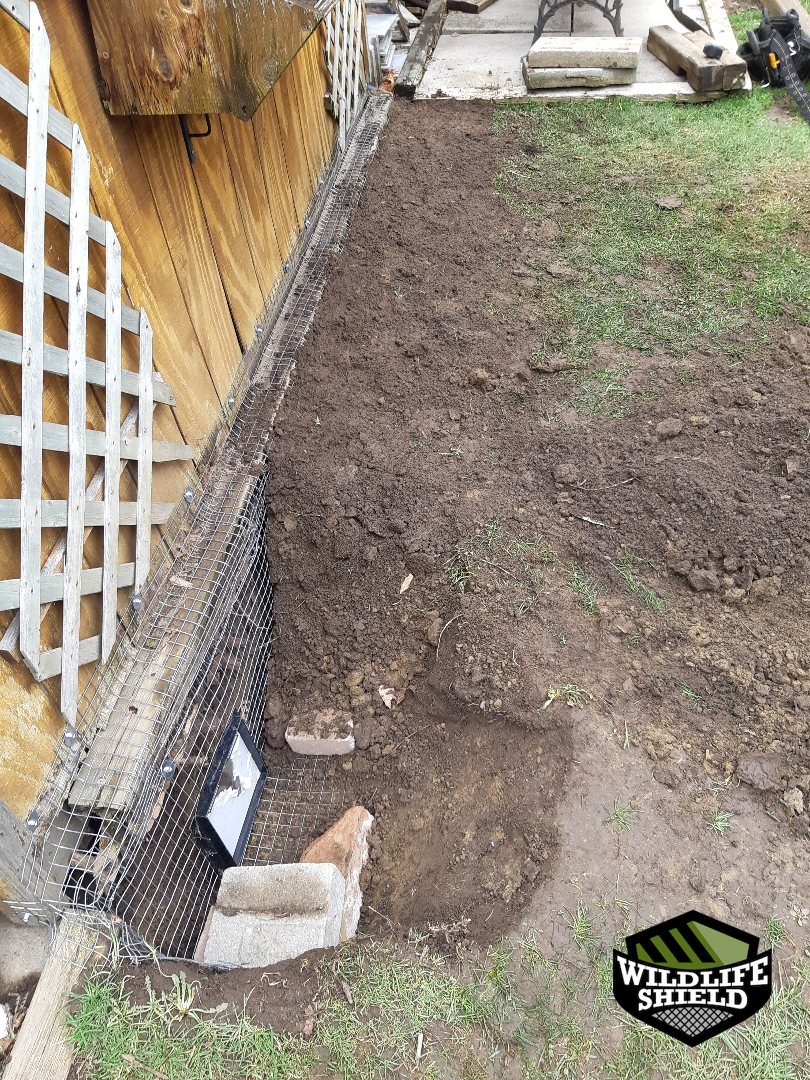
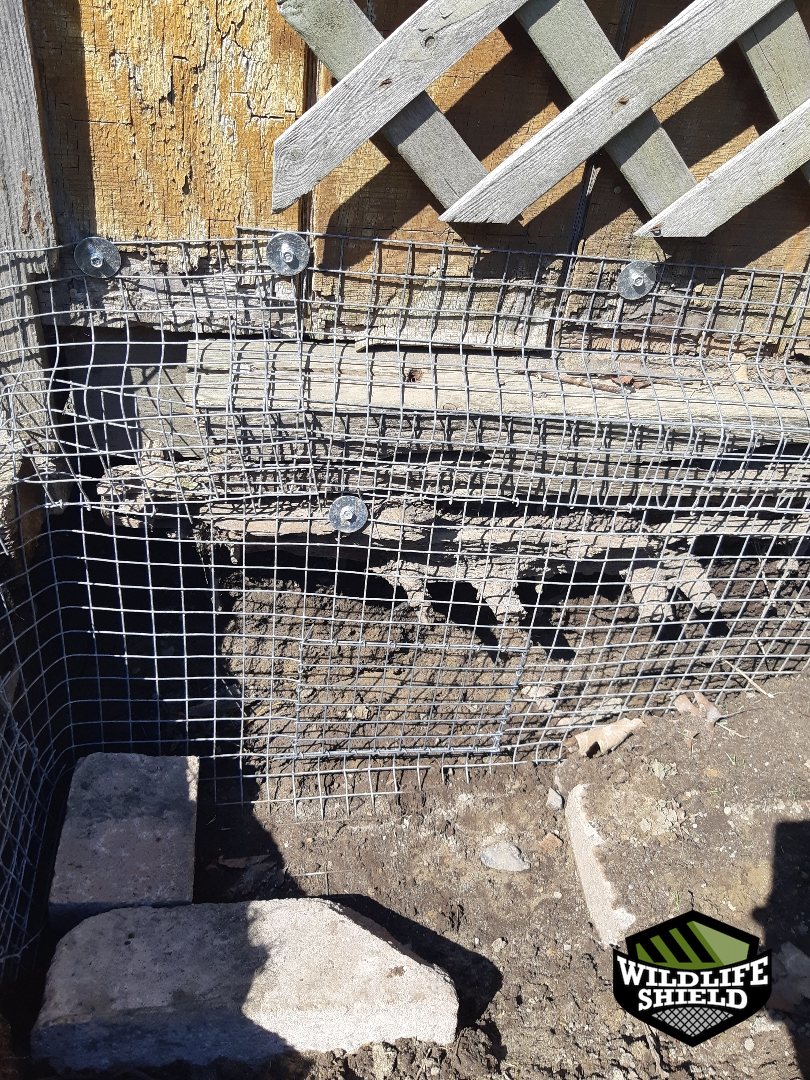
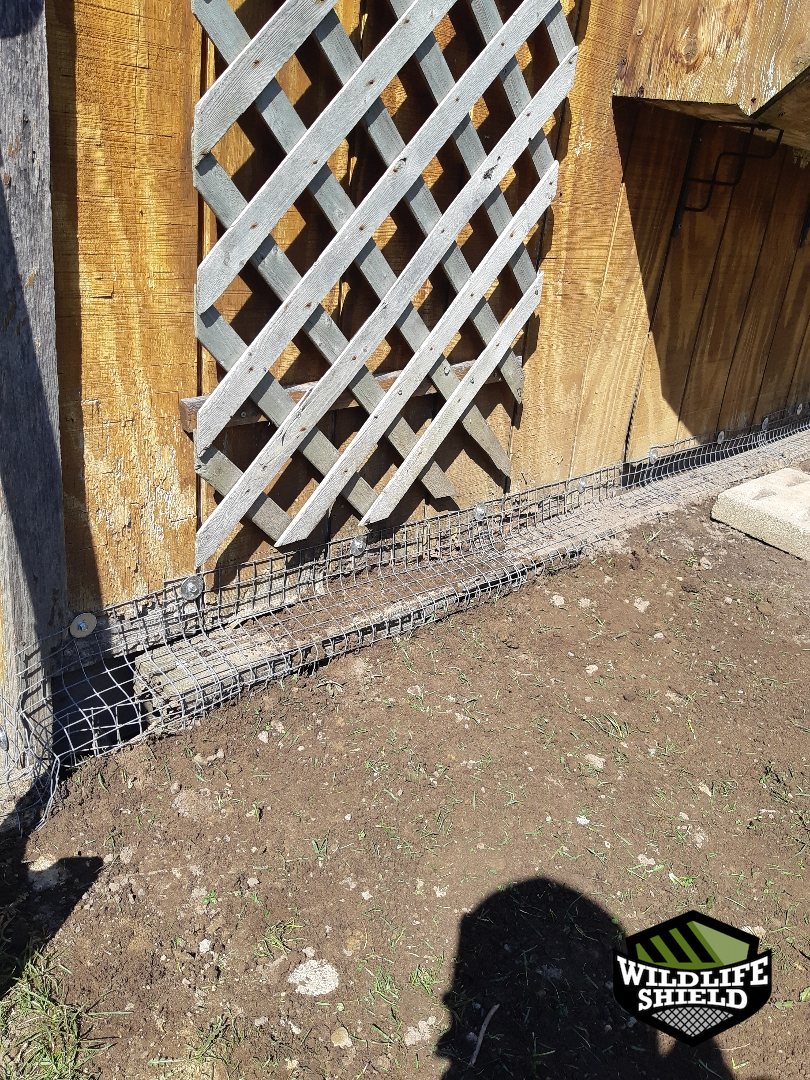
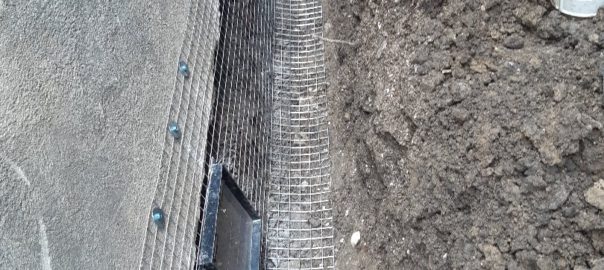
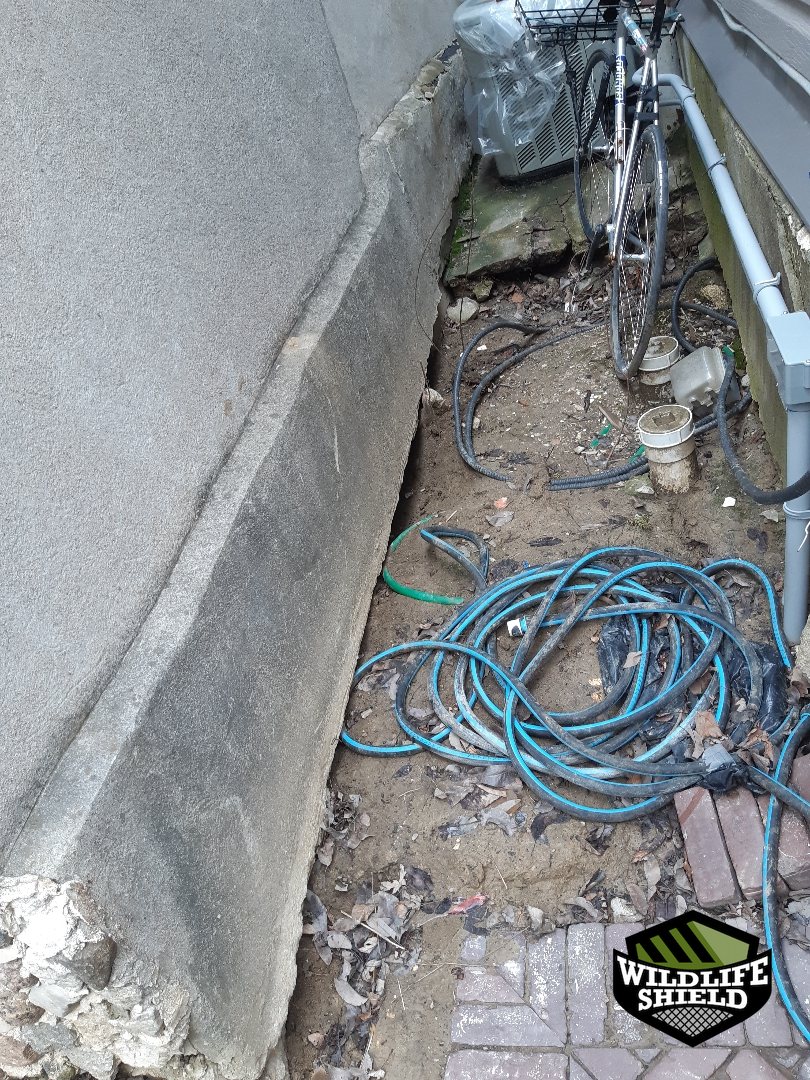
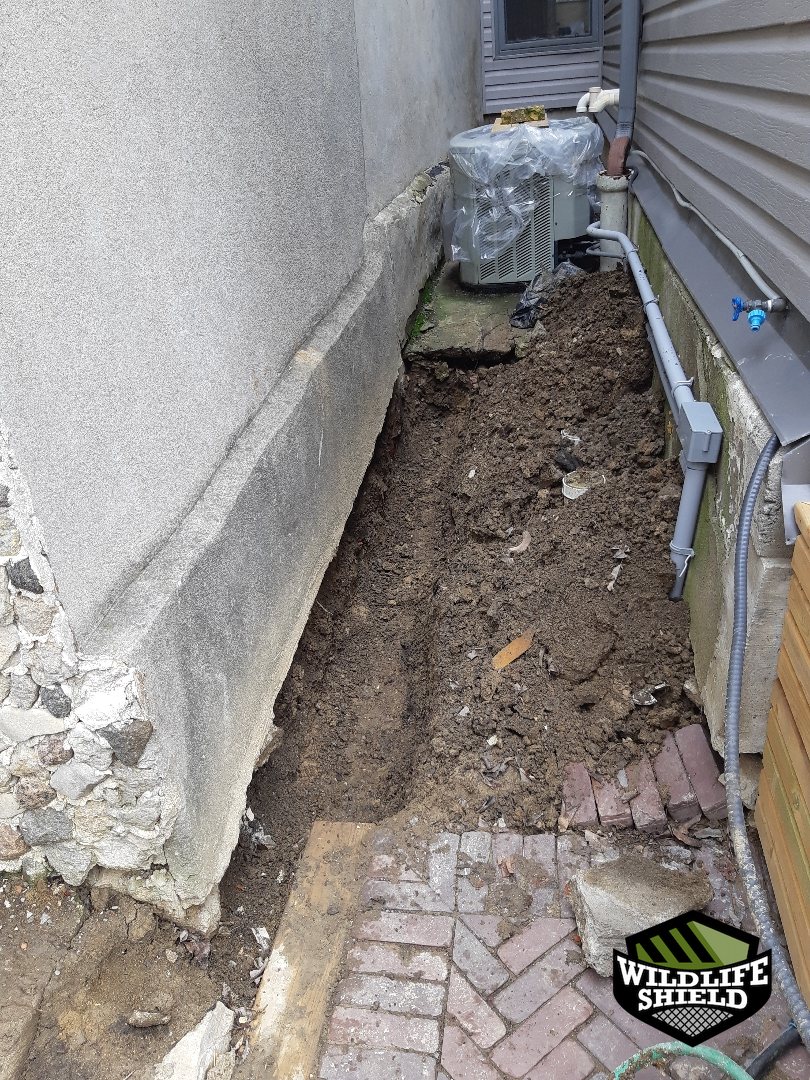
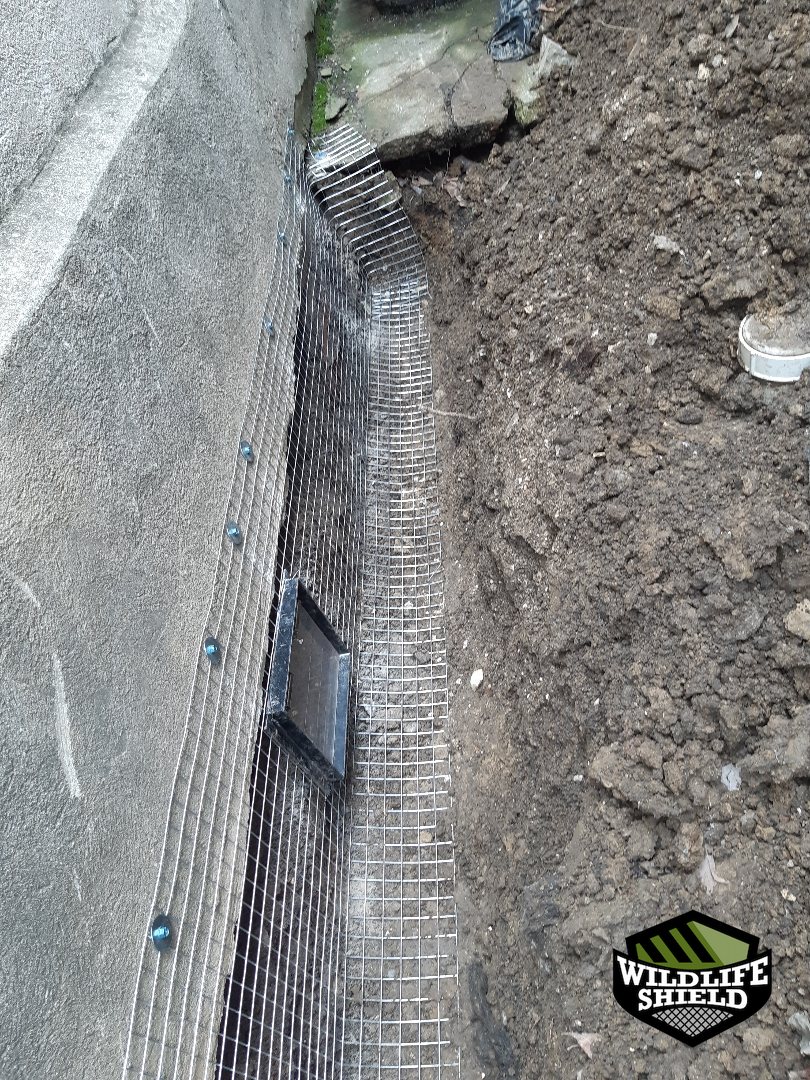
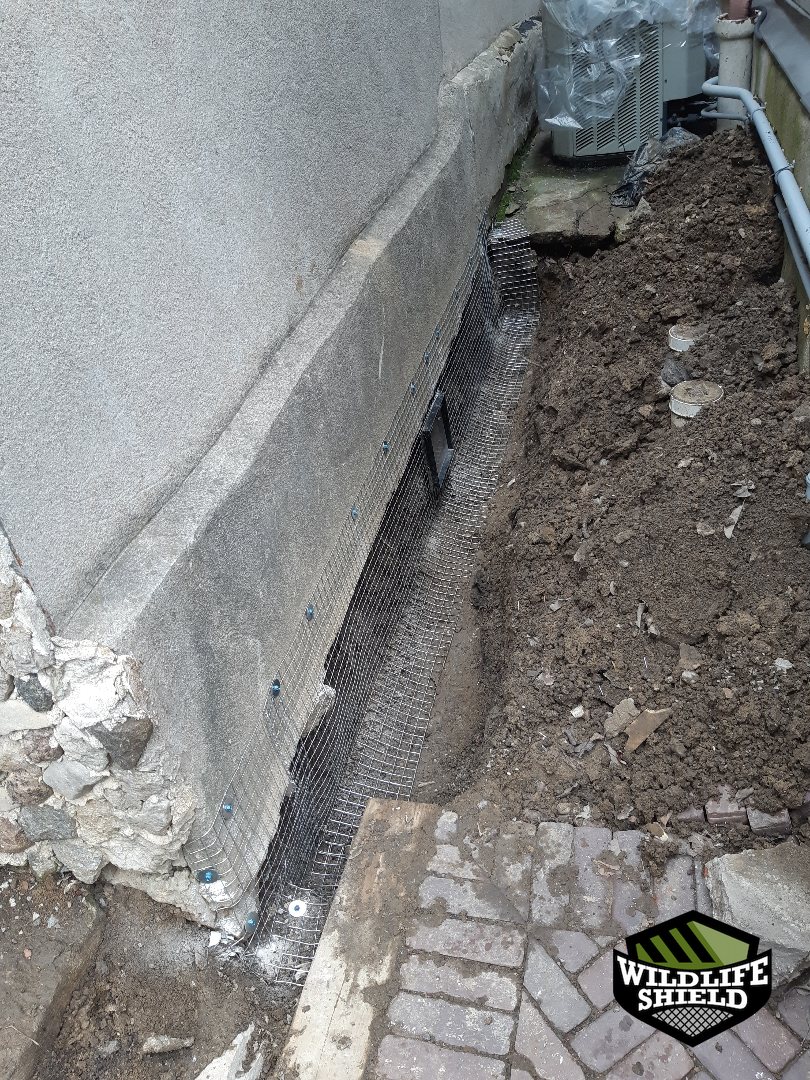
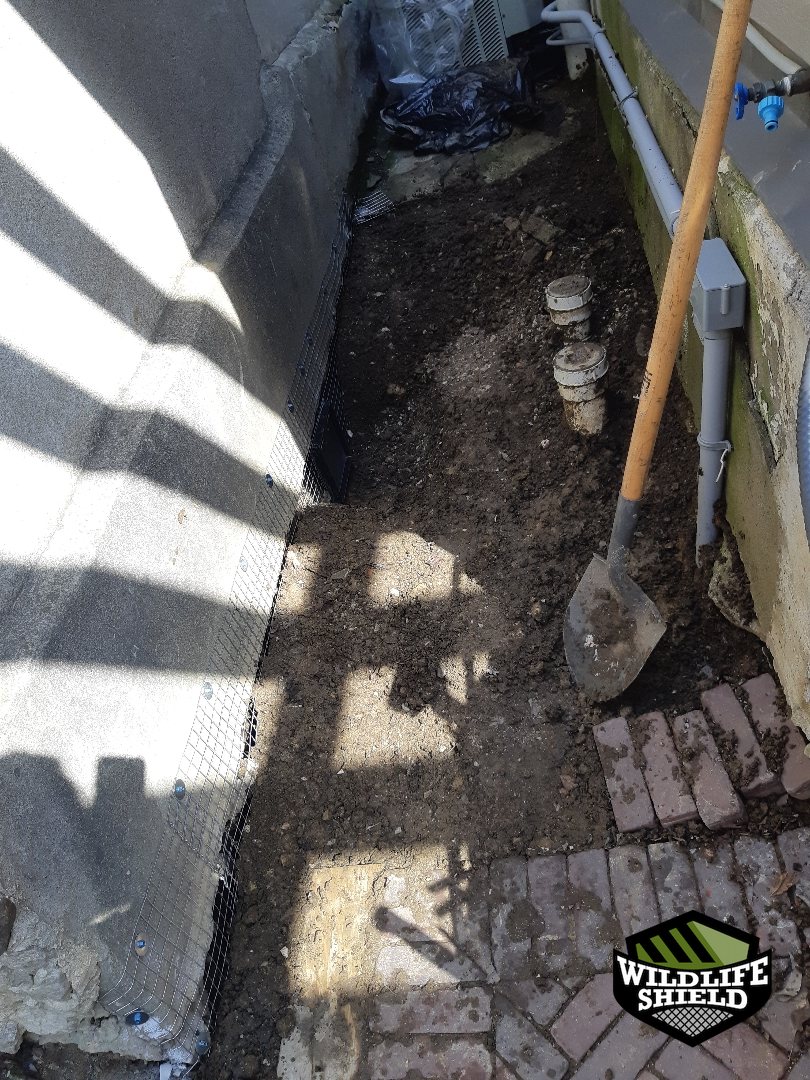
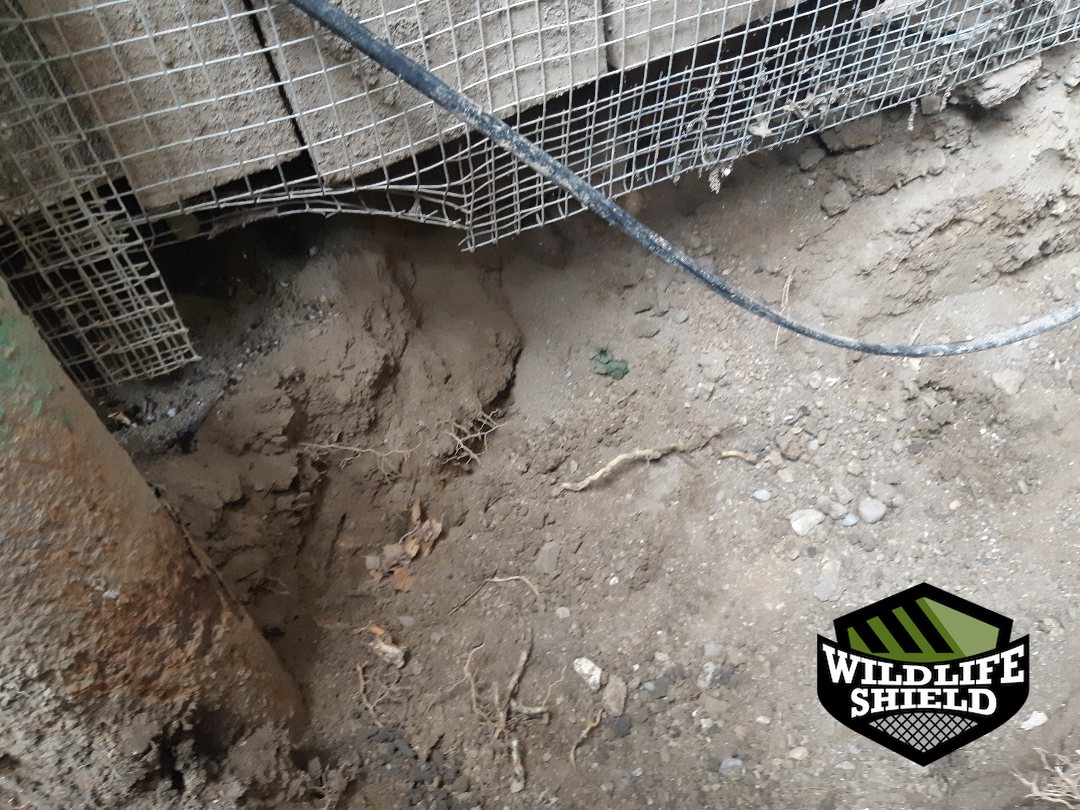
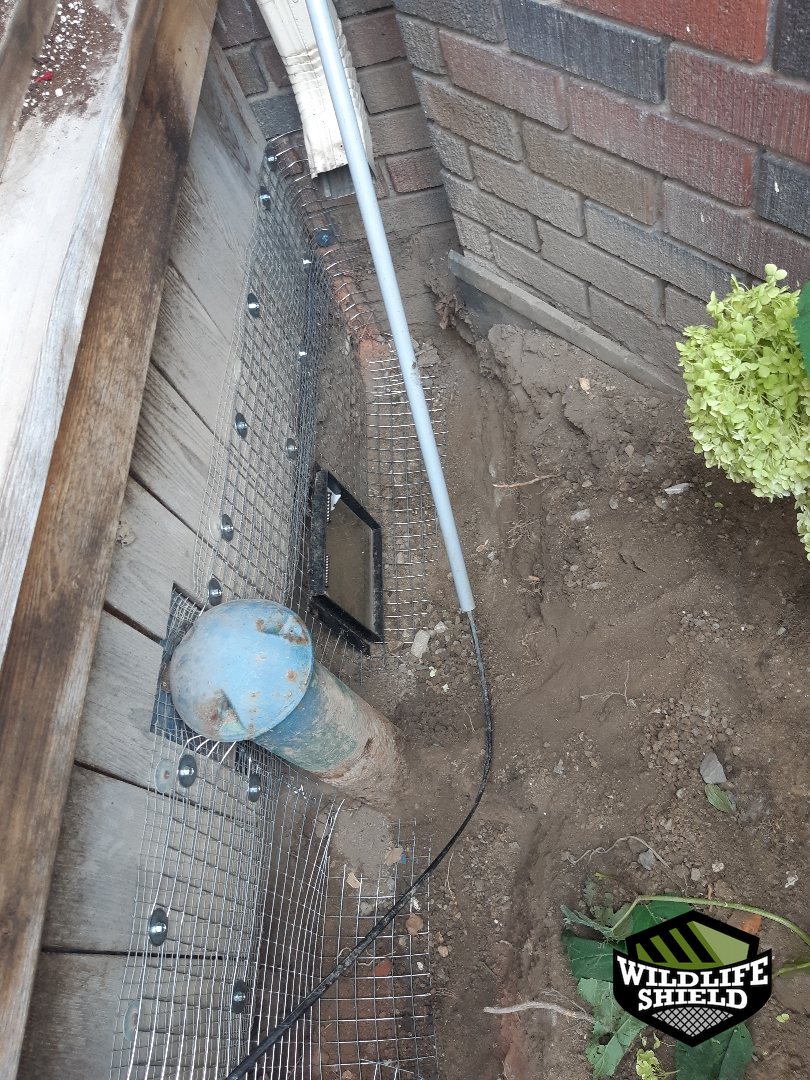
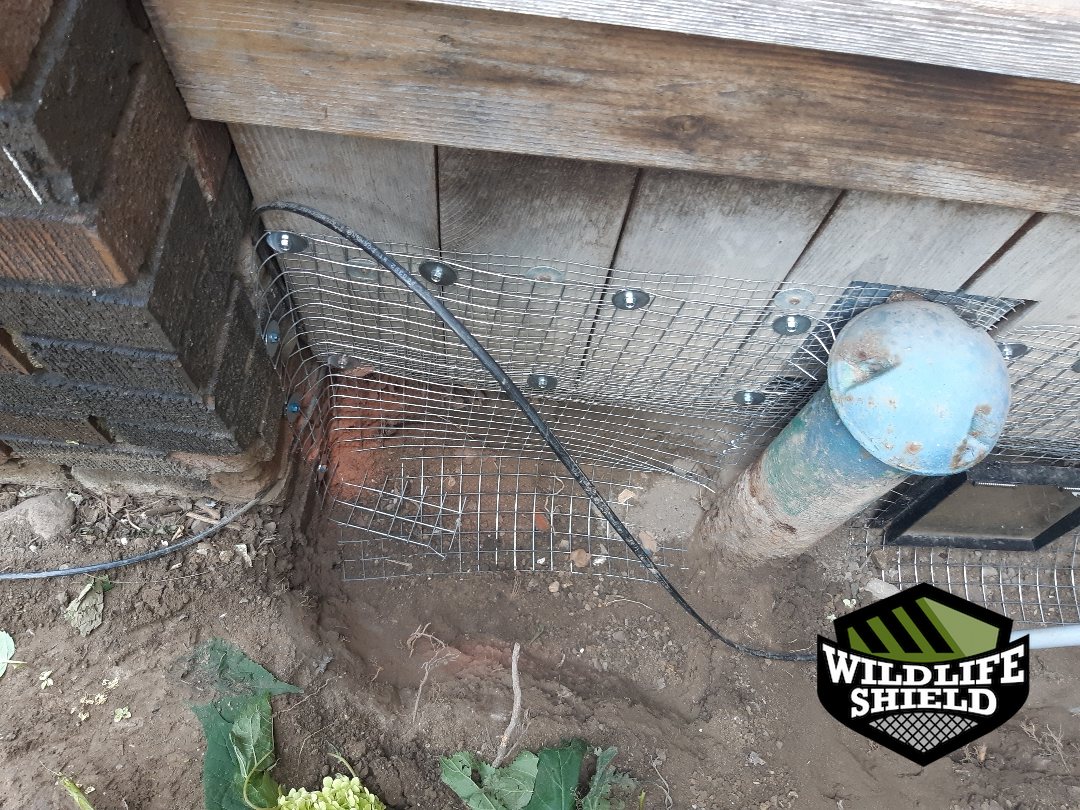
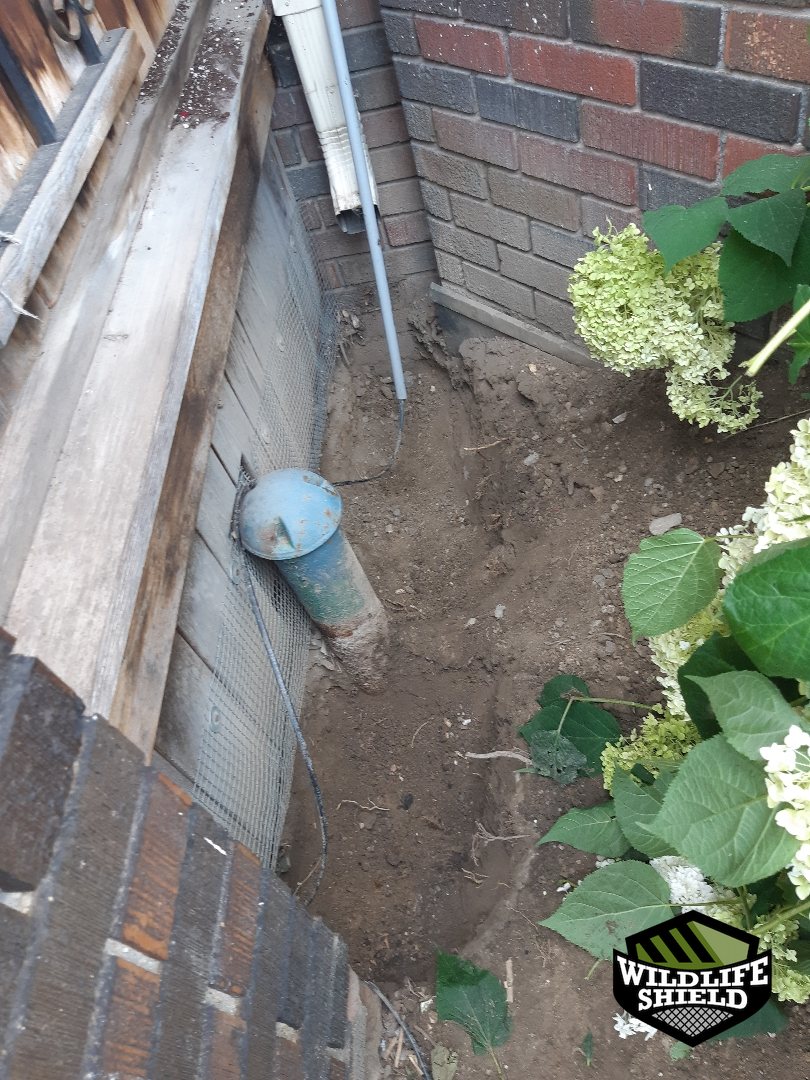
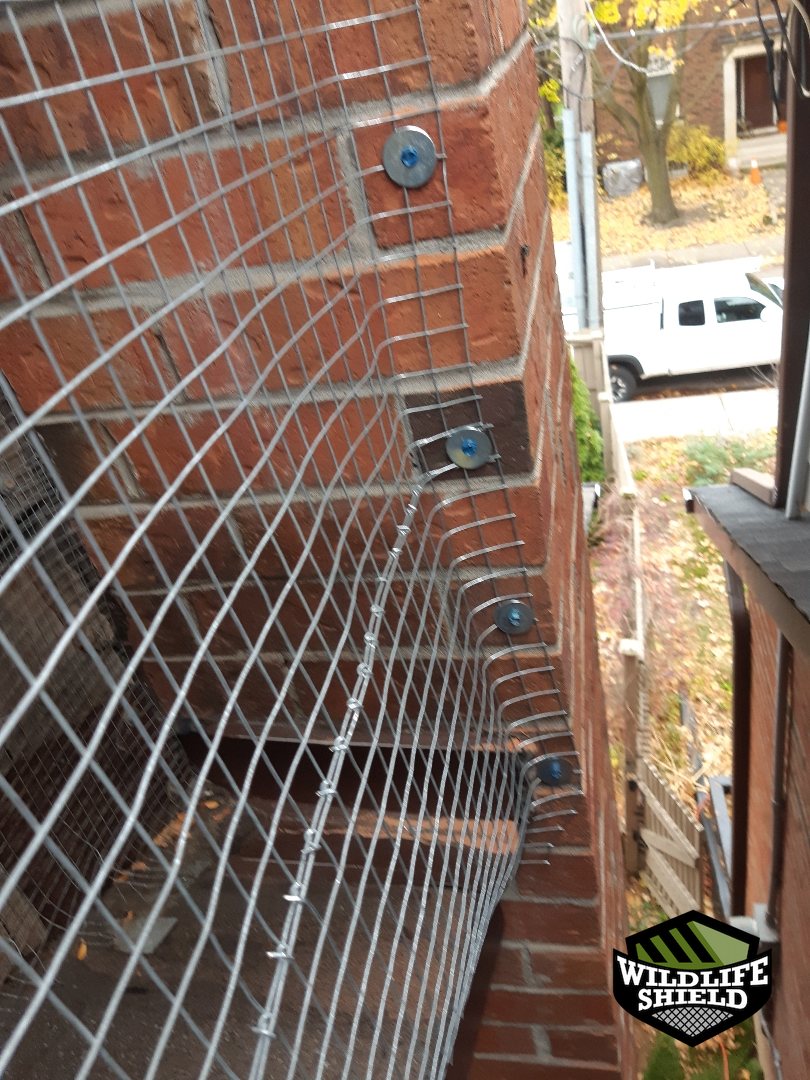
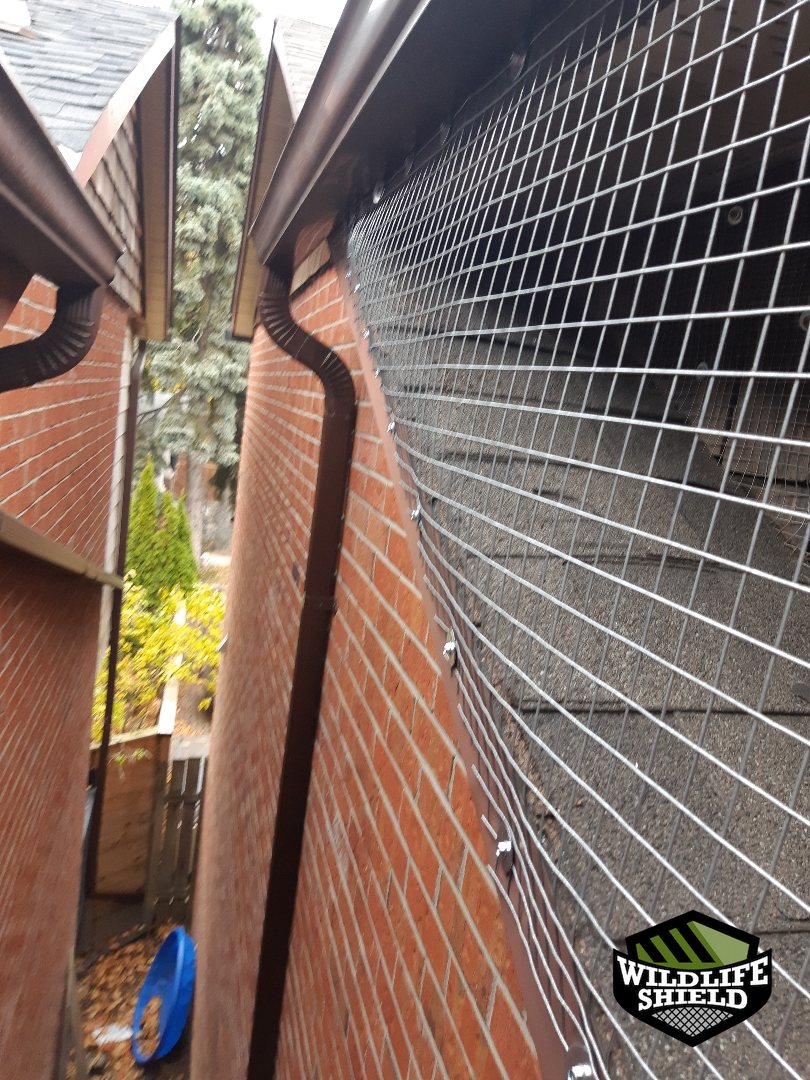
Photos show a long, narrow gap between fence structures and the house, with exposed soil at the base and overhead coverage created by adjacent structures. The area appeared shielded from view and weather.


Cause Analysis

The issue developed due to a combination of tight structural spacing and limited human access along the side of the house. The fence configuration created a protected travel and nesting corridor that raccoons could access from ground level. Seasonal breeding behavior likely contributed to the presence of both an adult raccoon and young in this location.

Treatment / Removal

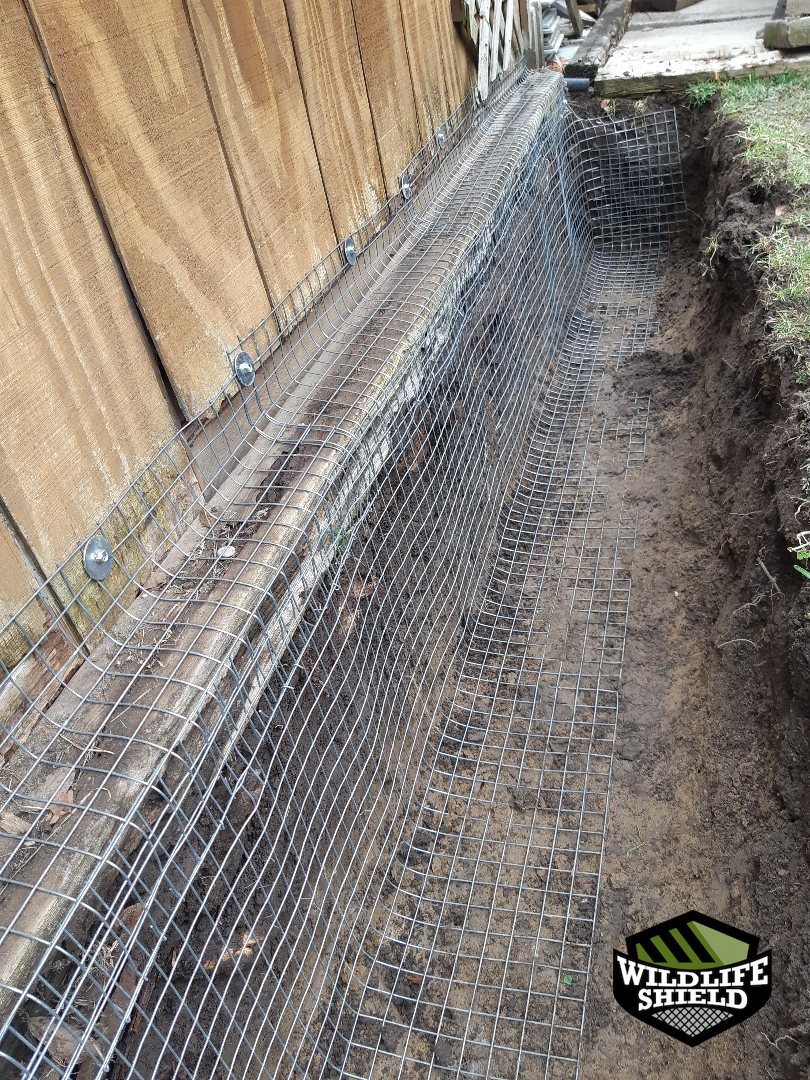
Because the deck spanned the full width of the yard and could not be excluded directly, exclusion efforts focused on the side fence corridor. Galvanized steel mesh was installed along both sides and across the top of the fenced gap to fully contain the area. One-way doors were installed to allow the adult raccoon and mobile young to exit safely without re-entry. All work was completed using humane, non-lethal methods.

Exclusion & Repairs

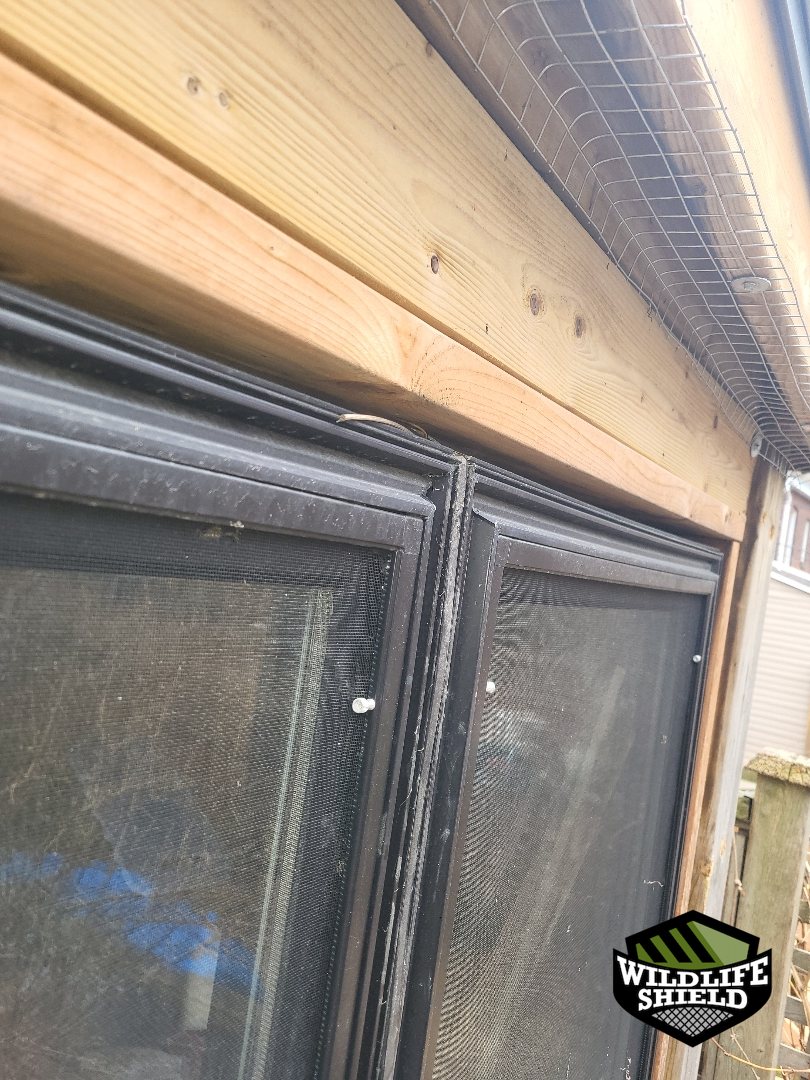
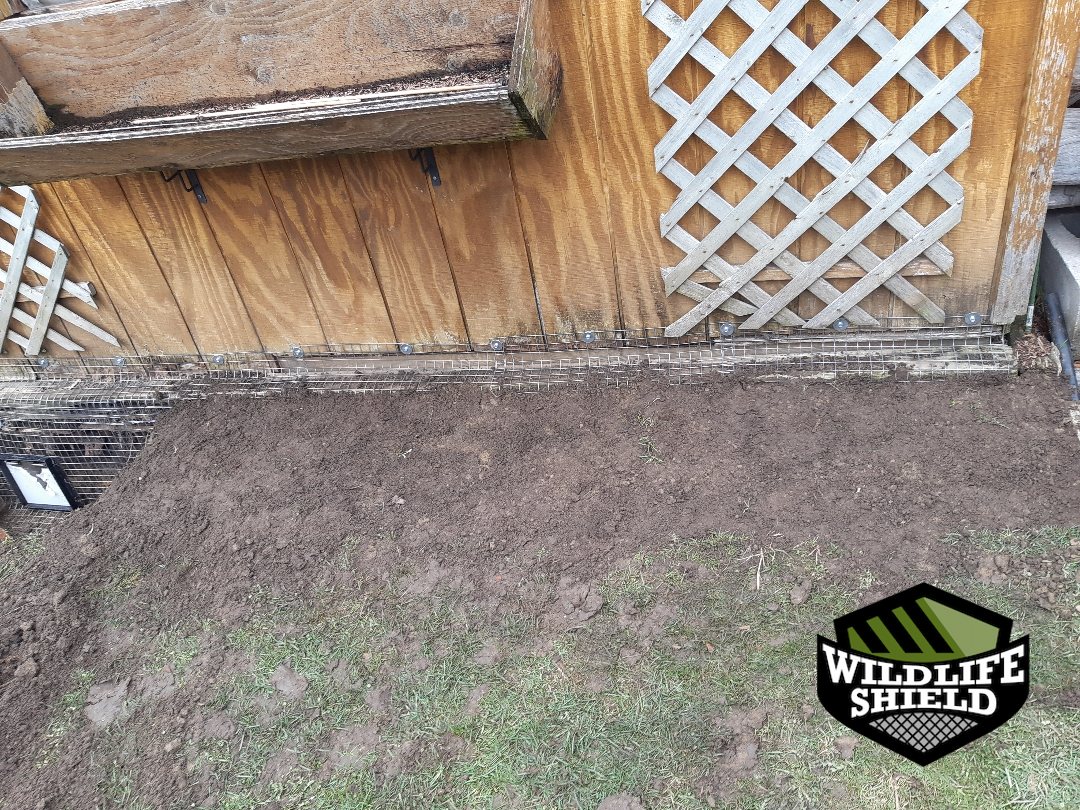
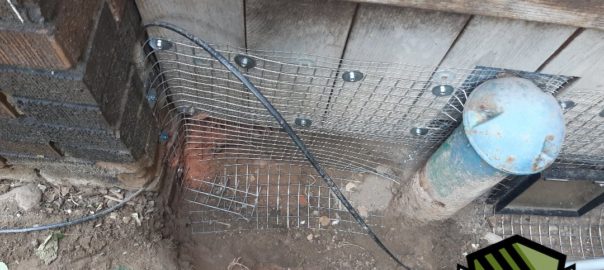
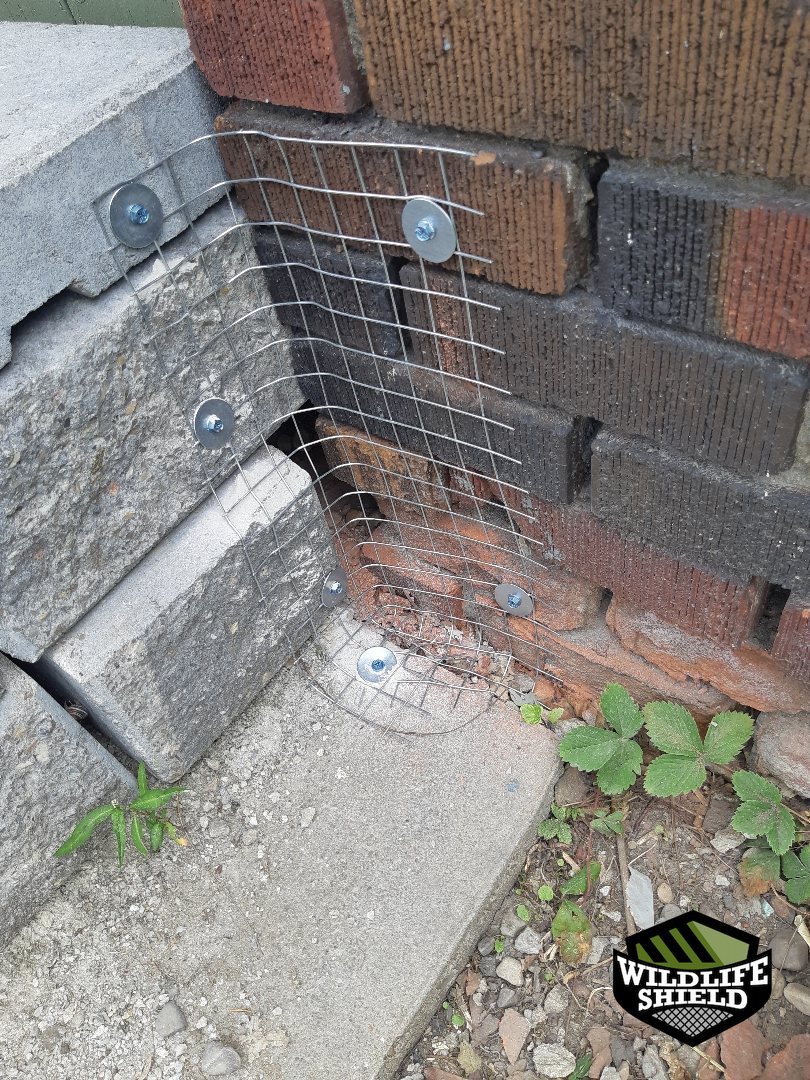
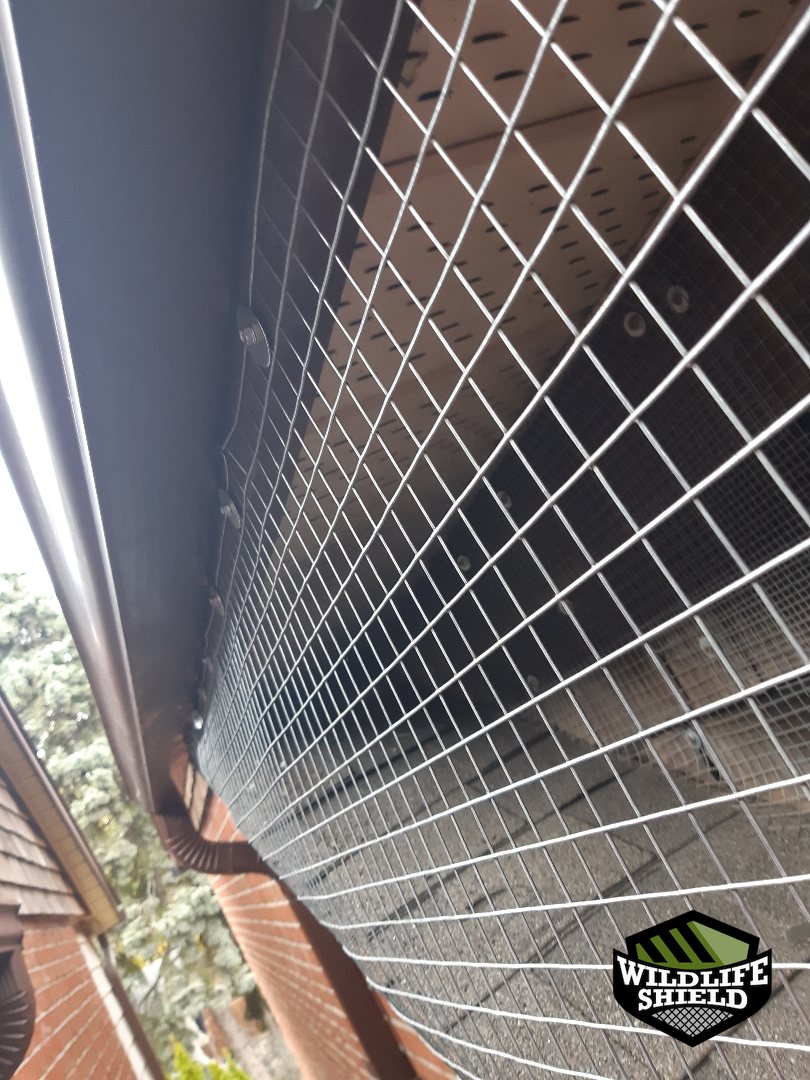
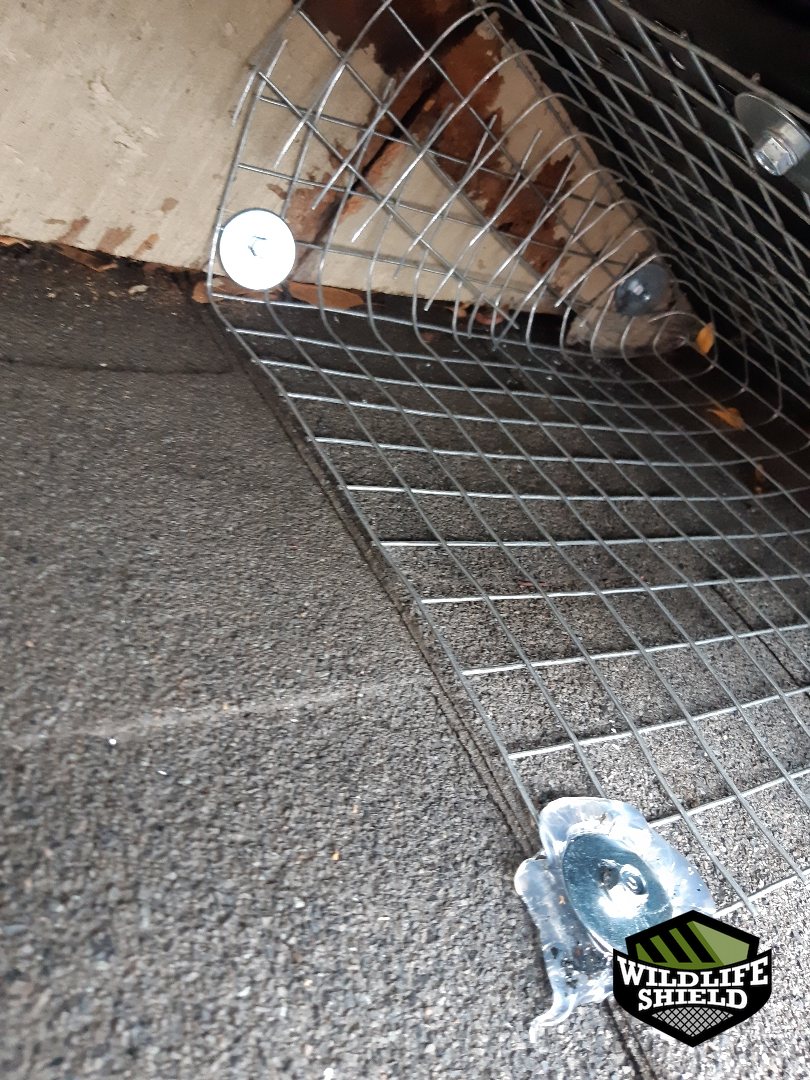
The steel mesh was securely fastened to existing wood and structural surfaces using mechanical fasteners and washers. Mesh coverage extended from ground level to the upper fence line to eliminate climb-back opportunities. Photos show tightly secured galvanized mesh following the contour of the fence line and house, with no visible gaps remaining.


Outcome & Confirmation

At the follow-up visit, the homeowner reported no new raccoon activity. The one-way doors were removed, and the exclusion work was inspected in full. No movement, entry attempts, or signs of wildlife activity were observed through the fenced corridor or beneath the deck. The exclusion remained intact, and the issue was considered resolved.

Technician Notes

The work was completed over two visits by our technician, Ardian. Due to the deck occupying the entire yard width, exclusion under the deck was not feasible; however, full containment of the side fence corridor successfully addressed the access point. All materials remained secure at the final inspection.

31 May

Raccoon Exclusion and Bell Tower Disinfection – Toronto

Job Overview

Location: Toronto, Ontario
Structure: Church building with two storeys and a three-storey bell tower
Problem: Long-standing raccoon activity inside the bell tower
Service: Raccoon exclusion and interior disinfection
Visits: 2 visits

Summary

Wildlife Shield was contacted to address prolonged raccoon activity inside a church bell tower. Inspection confirmed extensive contamination across multiple levels and several accessible entry points through damaged shuttered windows. The project required staged cleaning, humane removal, and permanent exclusion to restore the space and prevent re-entry.

Background / Property Context

The structure is a large church with a multi-level bell tower. The tower includes open, shuttered windows without glass and interior wooden framing, creating elevated, sheltered areas attractive to wildlife. Access within the tower spans multiple floors connected by structural beams and platforms.

Customer Concern

The customer reported ongoing raccoon presence in the bell tower over an extended period, with concerns about contamination, odour, and continued access by wildlife.

Inspection & Findings

During the initial inspection, our team identified years’ worth of raccoon droppings distributed across several floors of the bell tower. Multiple entry points were observed, primarily through damaged wooden shutters on open windows. Nesting material and heavy debris accumulation were visible on ledges and structural surfaces. No active animals were directly observed during the inspection, but signs indicated regular use of the space.


Cause Analysis

Bell towers provide elevated, quiet environments that are appealing to raccoons for denning. Open or damaged shuttered windows allowed repeated access over time. The lack of physical barriers and the height of the structure reduced natural disturbance, enabling long-term occupancy.

Treatment / Removal

Visit 1:
The first visit focused on inspection and contamination management. Technician Ardian completed a detailed assessment of all accessible levels to identify primary and secondary entry points. Due to the volume of droppings, a comprehensive cleaning process was carried out. Hospital-grade botanical sterilizers were applied to contaminated surfaces, followed by boiling steam treatment to neutralize pathogens, including the risk of raccoon roundworm. This process made the area safe for continued work and preparation for exclusion. Following the inspection and cleaning, a detailed exclusion plan was prepared and approved by the customer.


Visit 2:
On the return visit, humane exclusion measures were installed throughout the bell tower. An adult raccoon one-way door was installed to allow any remaining adult animals to exit. A second one-way door was installed to accommodate mature juveniles. All identified access points were addressed, including six shuttered windows, which were sealed using galvanized steel mesh securely fastened to prevent wildlife entry while maintaining ventilation.

Exclusion & Repairs

Galvanized steel screening was installed over all accessible shuttered window openings. Mesh was cut and secured to match the shape of each opening, ensuring full coverage with no gaps. All exclusion materials were wildlife-resistant and suitable for long-term exterior exposure.


Outcome & Confirmation

Following installation, the one-way doors were left in place for the appropriate period to allow animals to vacate naturally. On final inspection, the one-way doors were removed, exclusion materials were checked, and no further signs of raccoon activity were observed. The bell tower was confirmed secure, and the customer reported no continued wildlife presence.

Technician Notes

Ardian documented heavy, long-term contamination across multiple floors, requiring extensive cleaning prior to exclusion. Due to the height and layout of the bell tower, access and movement between levels were carefully managed. All work was completed using humane, non-lethal methods with permanent exclusion installed on every identified opening.

This work was completed by our Toronto Wildlife control team. For Wildlife control inquiries in Toronto, contact 647-496-2211.

17 May

Preventative Roofline Wildlife Exclusion – North York

Job Overview

Location: North York, Ontario
Structure: Detached bungalow with red brick exterior
Problem: Concern about potential wildlife access through the roof
Service: General wildlife inspection and preventative exclusion
Visits: 2 visits

Summary

Wildlife Shield completed a two-visit service for a detached bungalow in North York after the homeowner reported frequent wildlife activity on the property and roof. Although no active entry points were found during inspection, the homeowner elected to proceed with preventative exclusion to reduce future risk. All work was completed using durable, non-lethal exclusion methods designed to protect roofline vulnerabilities.

Background / Property Context

The property is a single-storey red brick bungalow with multiple roof penetrations, including roof vents, a plumbing vent, soffit intersections, and chimney flashing areas. These features are common access points for wildlife if left unprotected, particularly in residential neighbourhoods with mature trees nearby.

Customer Concern

The homeowner was concerned that wildlife observed on the roof could eventually gain access to the attic or roof cavity. They requested a professional inspection to confirm whether any animals had already entered and to identify potential risk areas.

Inspection & Findings

During the initial inspection, our technician accessed the roofline and attic-adjacent areas to check for signs of entry, damage, or displacement of roofing components. No active entry points, openings, or evidence of wildlife nesting were found at the time of inspection. Several roof features were identified as potential future access points if left unprotected.


Cause Analysis

Wildlife frequently investigates rooflines while moving across residential properties, especially where trees provide easy access. Roof vents, plumbing vent bases, soffit intersections, and chimney flashing can create small gaps over time due to weathering and building movement. Preventative exclusion helps address these vulnerabilities before animals are able to exploit them.

Treatment / Removal

No wildlife removal was required, as there was no confirmed entry or active infestation. The service focused entirely on preventative measures.

Exclusion & Repairs

On the second visit, Wildlife Shield returned to complete roofline exclusion work. This included:

  • Installation of ten galvanized steel roof vent covers
  • Sealing of a soffit intersection using galvanized steel mesh
  • Sealing the base of one plumbing vent to prevent access beneath the shingles

Photos from the service show galvanized mesh and vent covers securely fastened around roof penetrations, as well as completed screening at chimney and roofline intersections.


Outcome & Confirmation

Following the exclusion work, all identified roofline vulnerabilities were protected. A final inspection confirmed that screening and vent covers were properly secured and that no gaps remained. No further wildlife activity was reported after completion of the work.

Technician Notes

The inspection and exclusion work were completed by our technician, Ardian. The homeowner expressed relief after the inspection confirmed no existing entry and was satisfied with proceeding proactively to protect the roof and attic from future wildlife access.

03 May

Squirrel and Raccoon Attic and Deck Exclusion – Toronto

Job Overview

Location: Toronto, Ontario
Structure: Two-story Victorian century home with raised foundation
Problem: Early-morning attic noise consistent with squirrel activity; secondary wildlife presence under rear deck
Service: Squirrel and raccoon removal and exclusion
Visits: 2

Summary

Wildlife Shield responded to reports of attic activity at a century home and completed a full inspection that identified squirrel access at the soffit and a raccoon denning area beneath the rear deck. Humane one-way doors and permanent exclusion materials were installed to resolve both issues. A follow-up visit confirmed successful removal and secure exclusion.

Background / Property Context

The property is an older Victorian-style home with original wood soffits and a raised foundation. The age and construction materials presented natural vulnerability points along the roofline and deck areas that wildlife could exploit.

Customer Concern

The homeowner reported early-morning noise in the attic, raising concerns about squirrels entering the structure. During the inspection, additional wildlife activity was identified beneath the back deck.

Inspection & Findings

A roof-level inspection was completed by two technicians due to the height and safety requirements. An opening was observed at a soffit-to-wall intersection where the wood had been chewed through, consistent with squirrel entry behavior. At the rear of the property, signs of raccoon activity were found beneath the deck, including an opening suitable for an adult raccoon and dependent young.


Cause Analysis

Older wood soffits are more susceptible to chewing and deterioration, especially on century homes. Elevated rooflines provide squirrels with easy access points, while enclosed deck structures offer raccoons sheltered denning areas. These combined features created multiple entry opportunities for wildlife.

Treatment / Removal

During the first visit, humane, non-lethal exclusion measures were installed. A one-way door was placed over the soffit opening to allow squirrels to exit without re-entry. A raccoon one-way door was installed at the deck entry point to allow the adult to leave, along with a separate provision to ensure dependent young could vacate safely.

Exclusion & Repairs

Galvanized steel mesh was installed over approximately fifteen feet beneath the deck to prevent future access. Additional galvanized mesh was secured at a secondary soffit area near the roof peak. All materials were fastened to cover existing gaps while maintaining ventilation and structural integrity.


Outcome & Confirmation

On the second visit, the homeowner reported no further wildlife activity. All one-way doors were removed, and the exclusion work was reinspected with no deficiencies found. No additional entry points or signs of return activity were observed.


Technician Notes

The work was completed without access limitations. Due to roof height, a two-technician setup was used for safety. Technician Ardian completed the primary roofline exclusion with support from Blerti during installation and final inspection.

This work was completed by our Toronto Wildlife control team. For Wildlife control inquiries in Toronto, contact 647-496-2211.

19 Apr

Raccoon Removal From Second-Floor Roof Overhang – Toronto

Job Overview

Location: Toronto, Ontario
Structure: Three-storey Victorian century home
Problem: Raccoon activity on roof with mobile young present
Service: Humane raccoon removal and roofline exclusion
Visits: Two

Summary

Wildlife Shield was contacted regarding raccoon activity on a Victorian-style home where young raccoons were observed moving across the roof surface. An inspection confirmed access through a second-floor roof overhang. A two-visit humane removal and exclusion process was completed, with follow-up confirmation of successful eviction and secure repairs.

Background / Property Context

The property is a multi-storey century home with slate roofing, brick masonry, and stepped rooflines. The second-floor roof overhang created sheltered voids along flashing and soffit transitions, which can be vulnerable on older structures when materials deteriorate over time.

Customer Concern

The homeowner reported repeated raccoon activity on the roof and observed young raccoons moving independently. There were concerns about further damage to the roof structure and continued access into the home if the animals were not removed properly.

Inspection & Findings

During the initial inspection, technicians identified an entry point at the second-floor roof overhang. Signs of nesting activity were present, including displaced insulation and debris on the roof surface below the entry area. The young raccoons were confirmed to be mobile, allowing for the use of one-way exclusion methods.


Cause Analysis

Raccoons commonly target roof overhangs on older homes due to weakened wood, aged flashing, and sheltered access points. Elevated rooflines provide safety from ground threats while offering proximity to attic voids suitable for denning. Once access is established, repeated use can quickly worsen existing structural gaps.

Treatment / Removal

On the first visit, a humane removal strategy was implemented by Richard and Blerti. A raccoon-specific one-way door was installed over the identified entry point to allow the adult raccoon to exit while preventing re-entry. Given that the young were mobile, an additional one-way door was installed to allow them to vacate the structure safely on their own.

Exclusion & Repairs

Approximately ten feet of galvanized steel mesh was installed along the roof overhang to reinforce the vulnerable area and prevent future access. The mesh was securely fastened to follow the roofline contours and flashing transitions. No access limitations were encountered during installation.

Outcome & Confirmation

At the follow-up visit, the homeowner reported no further raccoon activity. All one-way doors were removed, and the exclusion work was inspected and found to be intact with no signs of tampering or re-entry. The roof overhang remained secure, and no additional wildlife activity was observed.

Technician Notes

  • Entry point located at second-floor roof overhang
  • Mobile young confirmed prior to exclusion
  • One-way doors functioned as intended
  • Galvanized mesh installed without structural limitations
  • Final inspection confirmed successful removal and exclusion

This work was completed by our Toronto Wildlife control team. For Wildlife control inquiries in Toronto, contact 647-496-2211.

05 Apr

Raccoon Removal from Basement Ceiling and Crawlspace — Toronto

Job Overview

Location: Toronto, Ontario
Structure: Three-story Victorian century home with a front deck
Problem: Raccoon with young accessed crawlspace and basement ceiling after burrowing under deck and foundation
Service: Humane raccoon removal and structural exclusion
Visits: Two visits

Summary

We were contacted regarding persistent raccoon activity in the basement ceiling of a multi-level century home. Inspection confirmed a raccoon had burrowed under a rear deck, tunneled beneath the foundation, and accessed the basement ceiling cavity. The presence of young increased the complexity of the job and required careful, humane handling. All entry points were addressed and the structure was fully secured to prevent recurrence.

Background / Property Context

The property is an older Victorian home with a raised rear deck and crawlspace construction. The deck design and soil conditions allowed wildlife access beneath the structure, creating concealed pathways to the foundation wall and interior ceiling voids.

Customer Concern

The homeowner reported ongoing noise in the basement ceiling, including heavy movement and vocalizations consistent with wildlife. There were concerns that the animal had established a den inside the structure and that young were present.

Inspection & Findings

Our inspection identified multiple access points beneath the rear deck where soil had been displaced. A burrow was traced from under the deck, along the foundation, and into the crawlspace area. From there, the raccoon had entered the basement ceiling cavity.

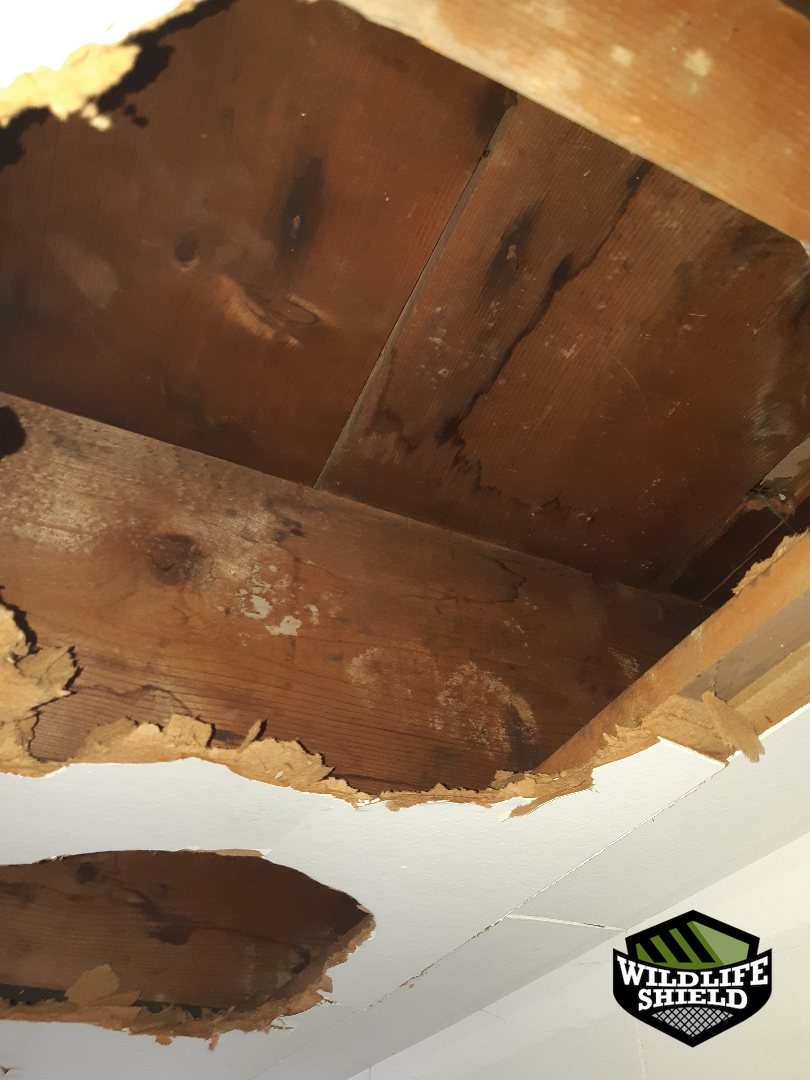
Interior inspection of the basement ceiling showed damaged drywall and signs of wildlife entry. Audio confirmation indicated the presence of young in the ceiling space.

Photos show open foundation penetrations, vent openings without proper screening, and areas where drywall had been compromised to allow access.


Cause Analysis

Raccoons commonly seek sheltered denning areas during spring, especially in properties with decks and crawlspaces. In this case, soft soil adjacent to the deck and unprotected foundation openings allowed excavation beneath the structure. The age of the home and existing penetrations made the basement ceiling accessible once the crawlspace was reached.

Treatment / Removal

During the initial visit, technician Richard conducted a full exterior and interior assessment and identified all primary and secondary access points. A humane removal plan was established to ensure the adult raccoon could safely relocate her young.

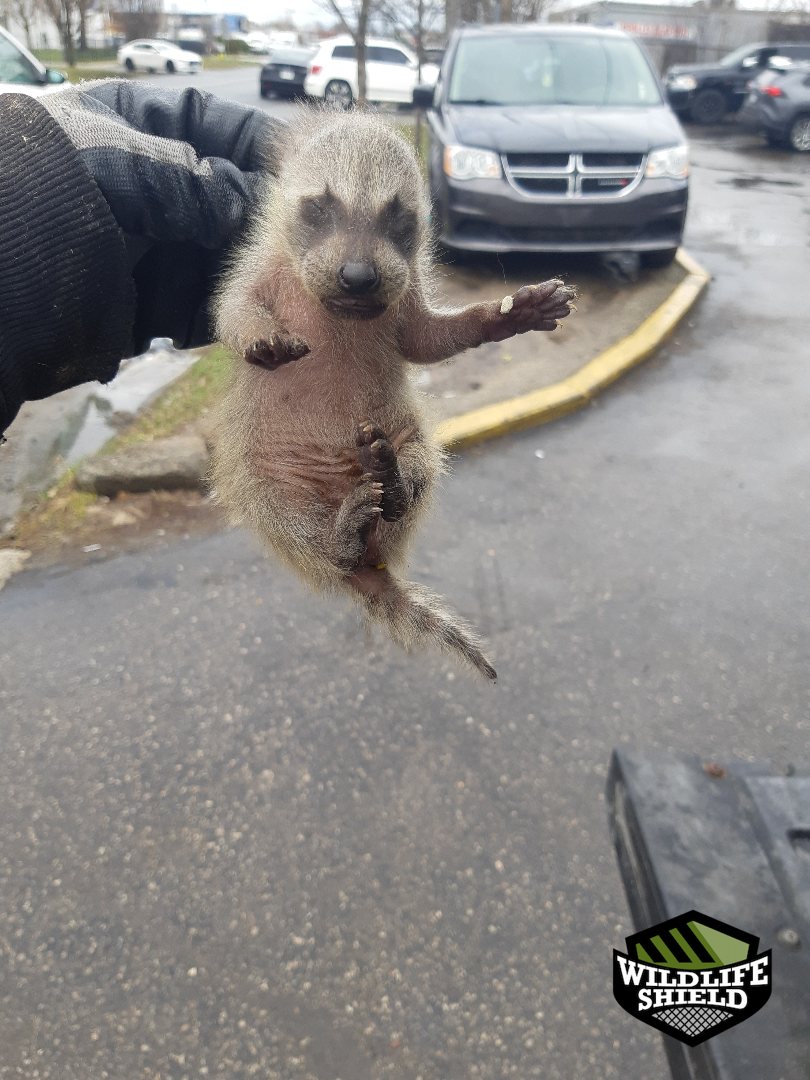
During the second visit, interior drywall was carefully opened to access the ceiling cavity. The young raccoons were retrieved, which prompted the adult to vacate the structure naturally and relocate with them. No trapping or forced removal was required, and no one-way door was ultimately needed due to the immediate vacating behavior.

Exclusion & Repairs

Following removal, trenching was completed along the accessible perimeter of the deck. Galvanized steel mesh was secured to the structure and buried approximately one foot deep and extended outward to prevent future burrowing.

Foundation and vent openings were screened with heavy-gauge mesh, and interior access points were sealed. Photos show mesh installation over wall penetrations and along foundation gaps to restore the structural barrier.


Outcome & Confirmation

A final inspection confirmed that all identified entry points were properly secured and that no wildlife remained within the structure. The raccoon and young successfully relocated, and no further activity was reported following completion of the work. The exclusion system was left intact and inspected before closing the job.

Technician Notes

This was a complex wildlife intrusion involving multiple access pathways and young present inside a finished ceiling cavity. Coordination between interior access and exterior exclusion was required to resolve the issue without harm. All work was completed without weather or access limitations.

This work was completed by our Toronto Wildlife control team. For Wildlife control inquiries in Toronto, contact 647-496-2211.

03 Apr

Raccoon Chimney Entry – Chimney Exclusion on Attached Victorian Home – Toronto

Job Overview

Location: Toronto, Ontario
Structure: Three-story attached Victorian century home, red brick
Problem: Raccoon activity on roof with suspected chimney entry
Service: Raccoon removal and chimney exclusion
Visits: 2

Summary

Our team addressed raccoon activity originating from a chimney on a high, three-story attached home. Inspection confirmed chimney access despite prior roofline sealing. Humane exclusion was completed using one-way devices appropriate for late baby season, followed by permanent chimney sealing once activity ceased. Read More

20 Mar

Raccoon Removal and Deck Exclusion – Scarborough

Job Overview

Location: Scarborough, Ontario
Structure: Two-story home with brick on the first floor, siding on the second floor, and a large rear deck
Problem: Raccoon activity beneath the deck
Service: Raccoon removal and full deck exclusion
Visits: 2

Summary

Wildlife Shield responded to reports of animal activity beneath a rear deck at a residential property in Scarborough. Inspection confirmed raccoon use of the area. Due to seasonal ground conditions in November, work was scheduled to proceed once the soil was suitable for trenching. Humane eviction and full perimeter exclusion were completed over two visits, with no further activity reported. Read More
06 Mar

Raccoon Removal and Deck Exclusion — Toronto

Job Overview

Location: Toronto, Ontario
Structure: Three-story Victorian century home with a front deck
Problem: Wildlife activity reported under front deck
Service: Raccoon removal and deck exclusion
Visits: Two

Summary

The customer reported a wild animal living under the deck. After an inspection it was clear the animal was a raccoon. Our team completed a two-visit raccoon removal and exclusion project at a century home in Toronto. Activity was confirmed beneath the front deck, and a full perimeter trench-and-mesh exclusion system was installed with a one-way door. Follow-up confirmed successful eviction and no further wildlife activity. Read More