Humane Raccoon Removal from a Clay Tile Roof in Richmond Hill
Job Overview
Location: Richmond Hill, Ontario
Structure: Two-story detached house
Problem: Raccoons entering the attic through openings in a clay tile roof
Service: Humane raccoon removal and roof entry point exclusion
Visits: 2
Summary
Our team completed a two-visit humane raccoon removal project at a detached home in Richmond Hill after raccoons entered the attic through damaged sections of a clay tile roof. Technician Ardian inspected the attic for dependent young, installed a one-way door to allow the adult raccoon to leave safely, and secured an additional roof entry point with galvanized steel mesh. At the follow-up visit, the one-way door was removed and the primary entry point was permanently sealed after confirming there was no further wildlife activity.
Background / Property Context
The home featured a clay tile roof, which requires careful inspection and repair because displaced or broken tiles can create concealed openings into the attic. The inspection identified multiple vulnerable areas where wildlife had gained access beneath the roofing materials.
Customer Concern
The homeowner reported hearing raccoon activity in the attic and wanted the animals removed humanely while preventing future entry through the roof.
Inspection & Findings
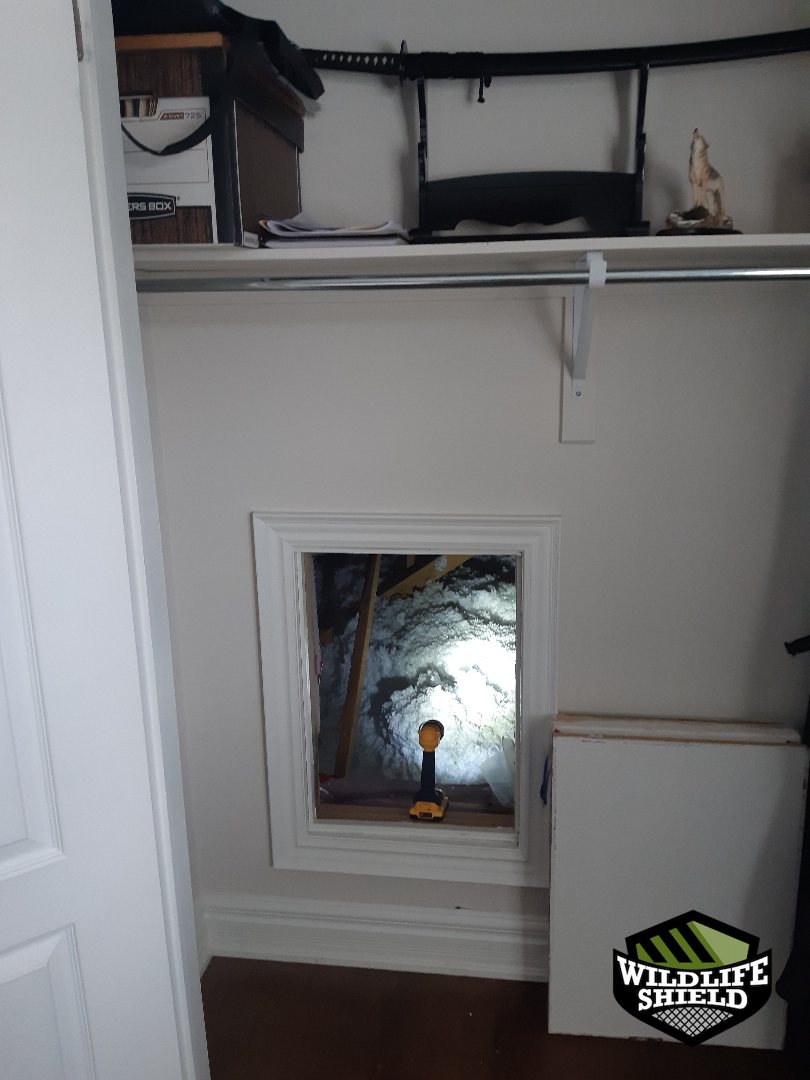
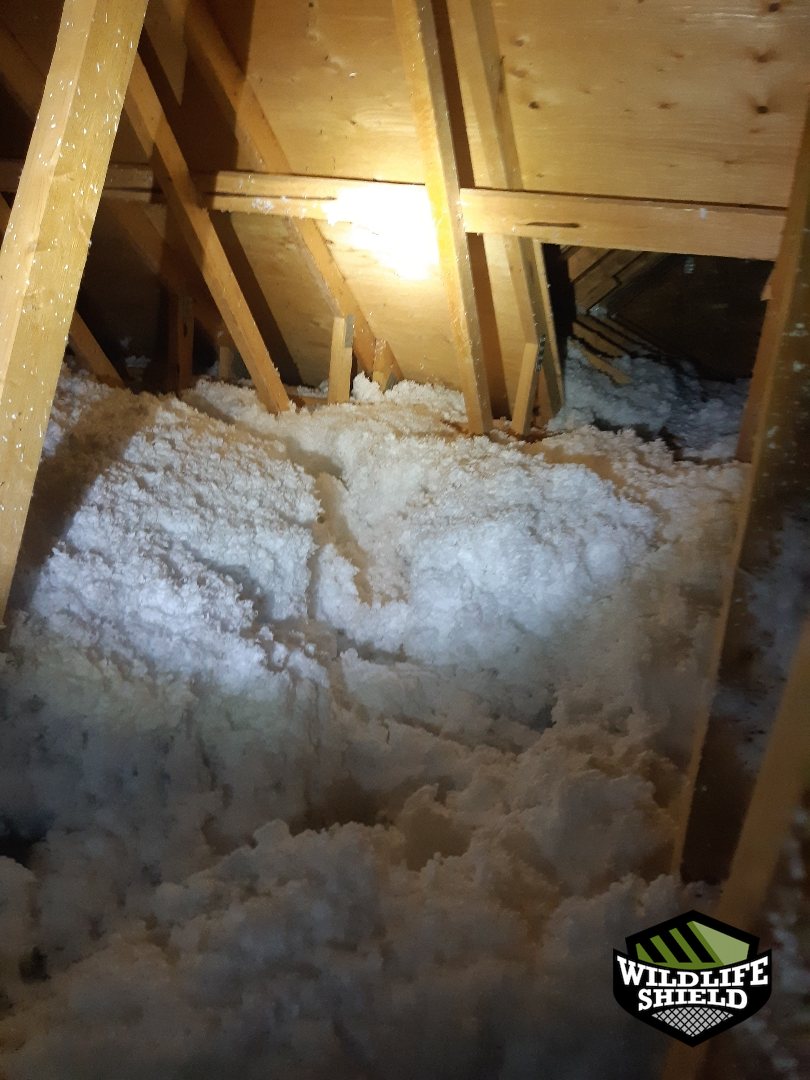
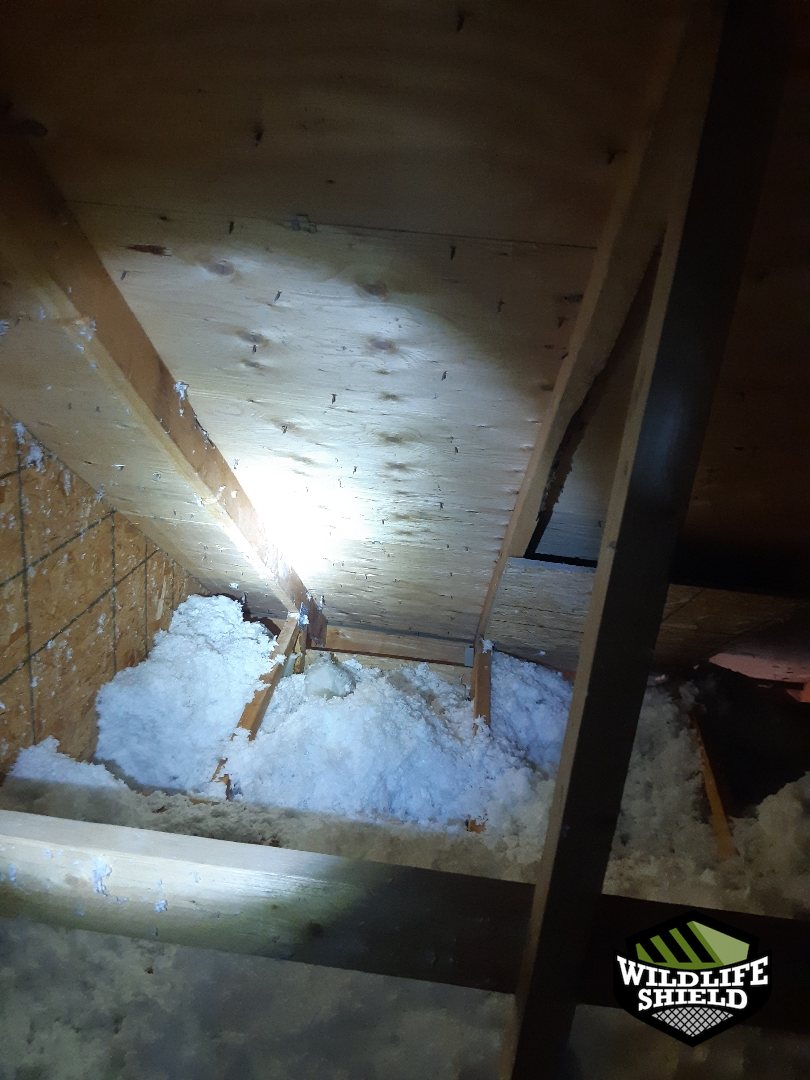
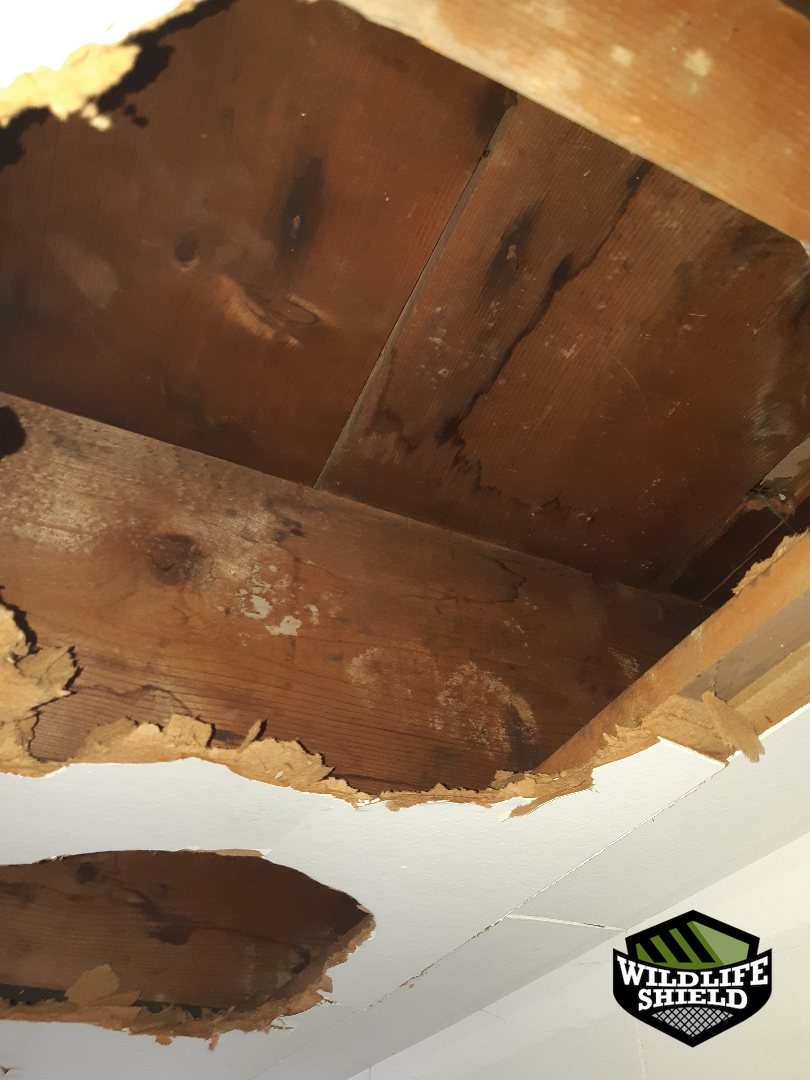
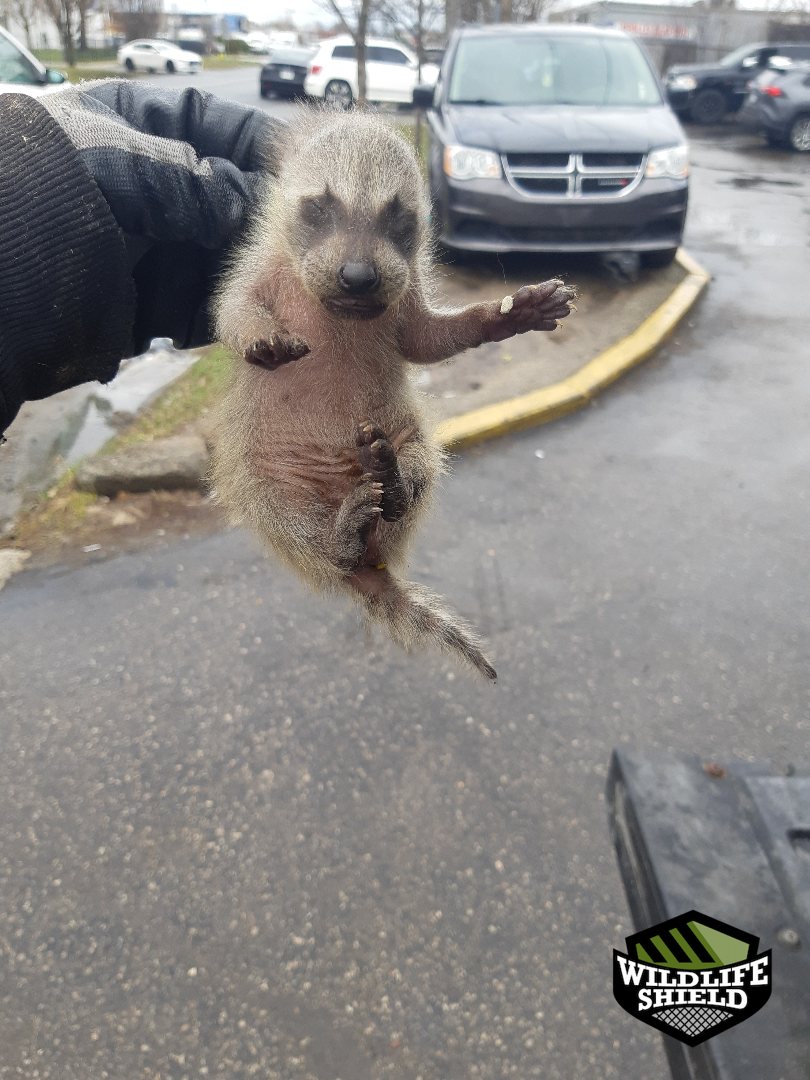
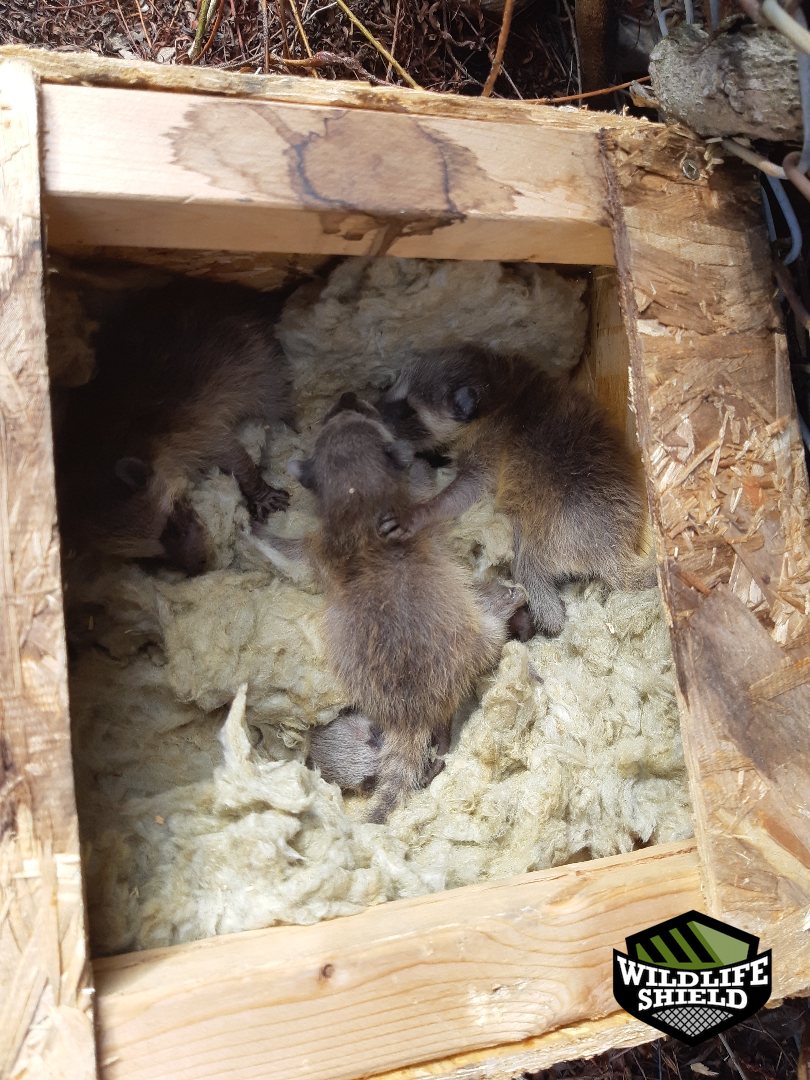
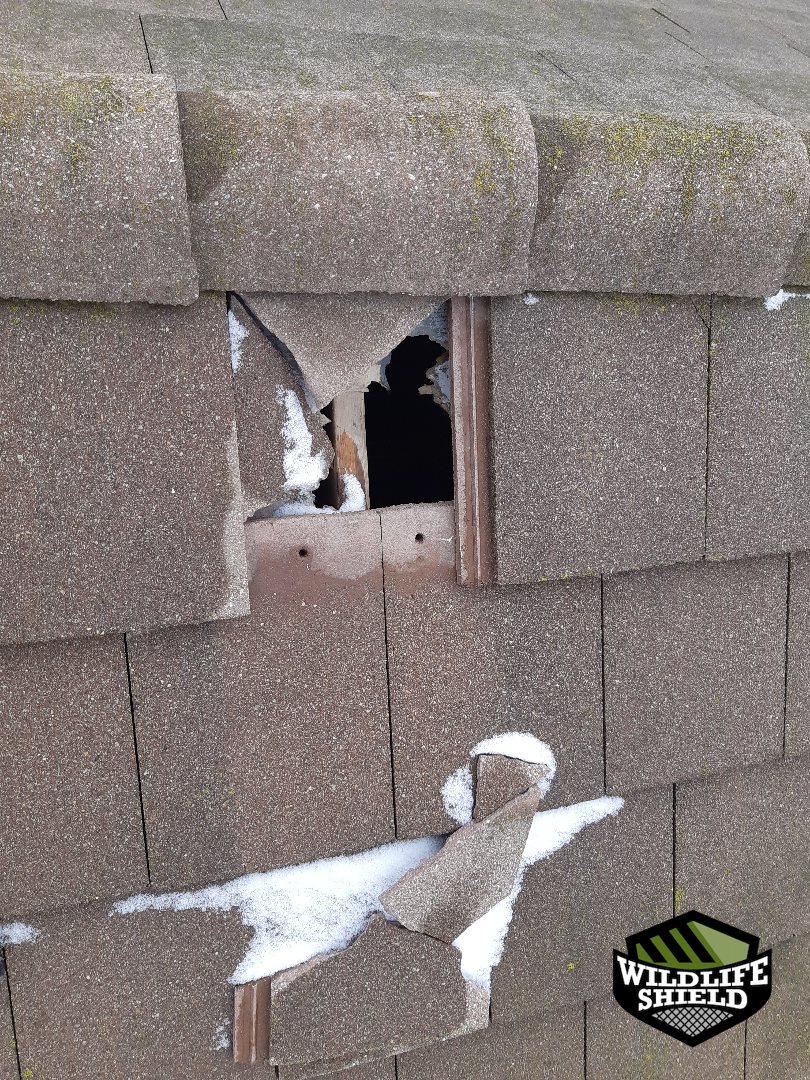
Ardian completed a full roof and attic inspection and confirmed active raccoon access through damaged roof tiles. The attic was carefully inspected for raccoon babies, and none were found.
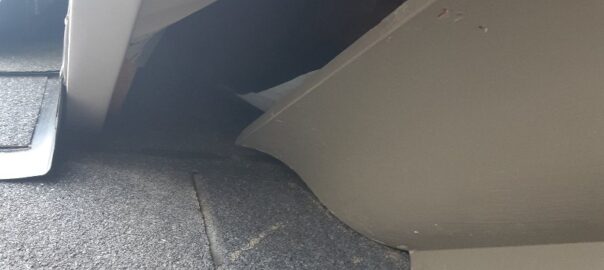
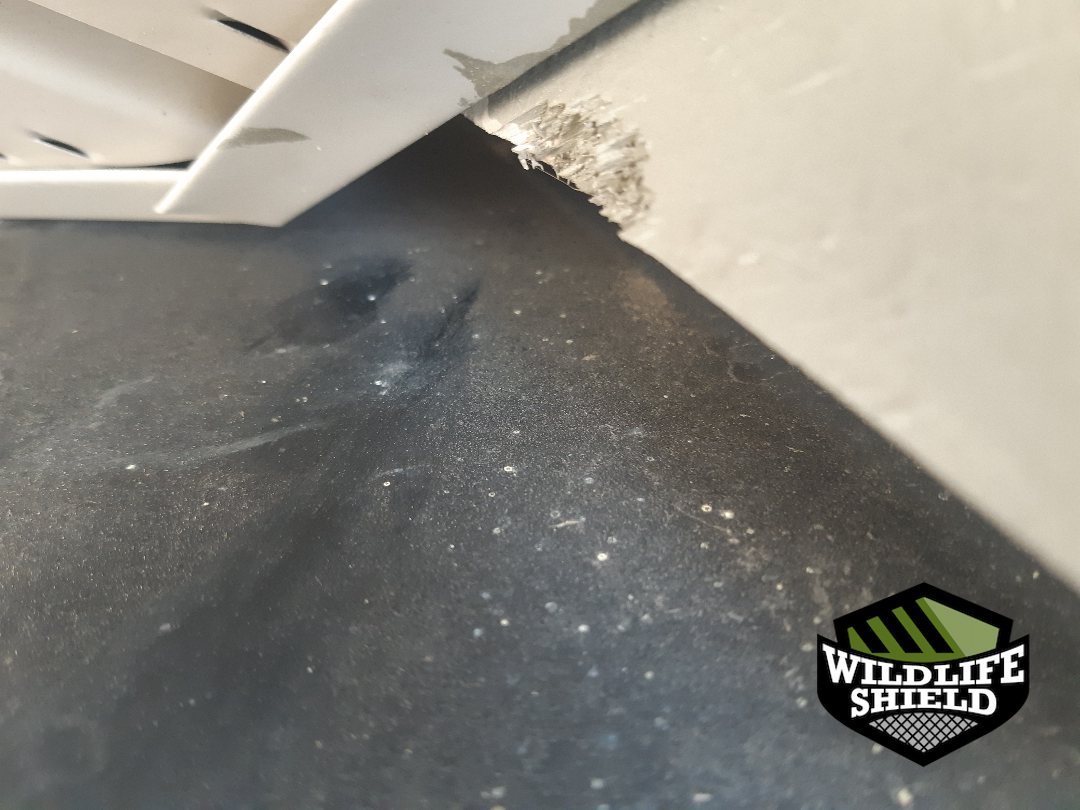
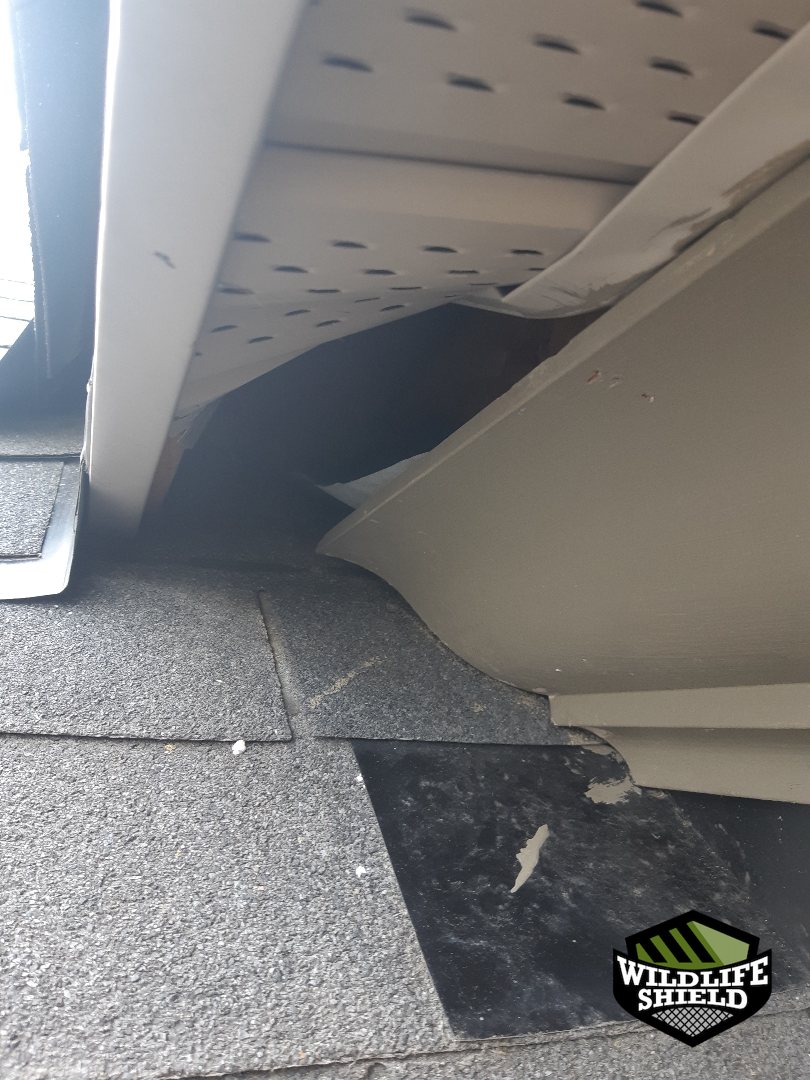
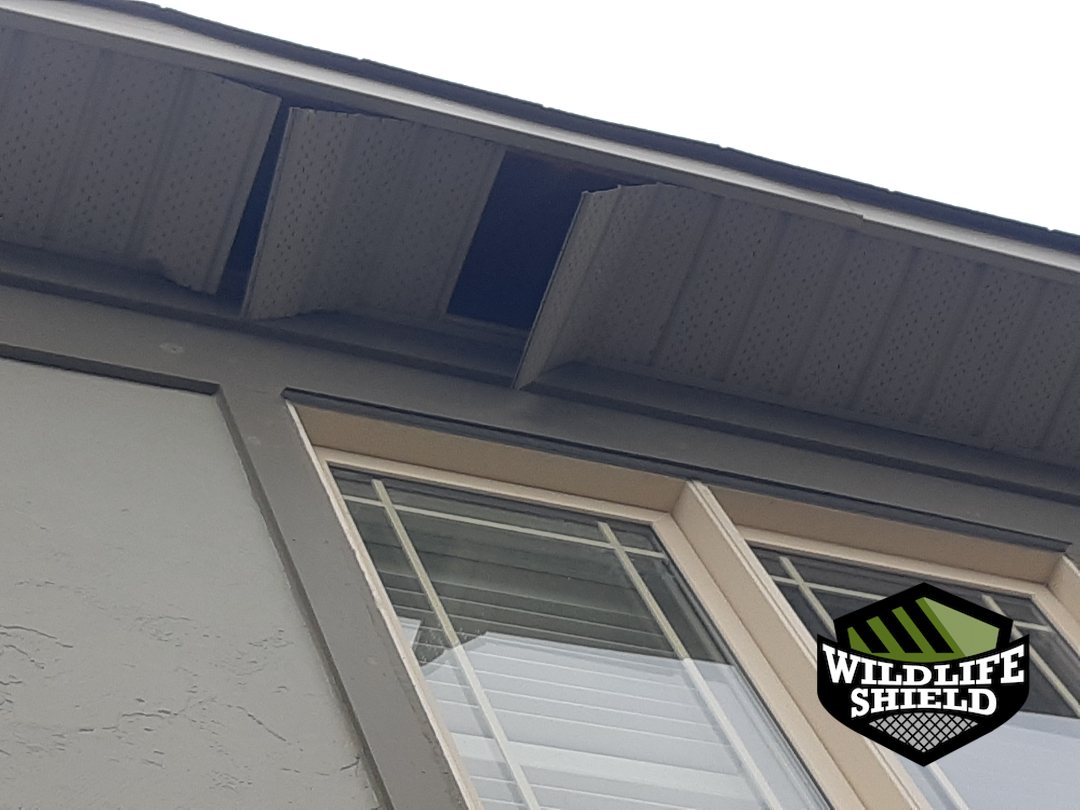
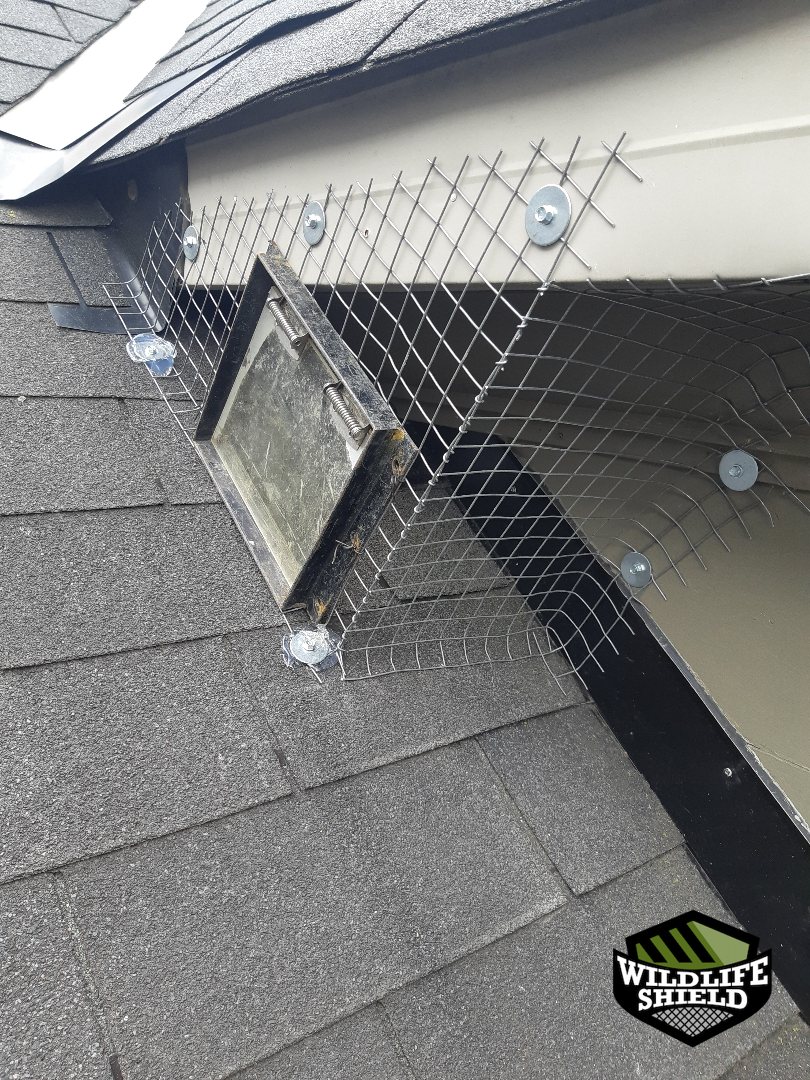
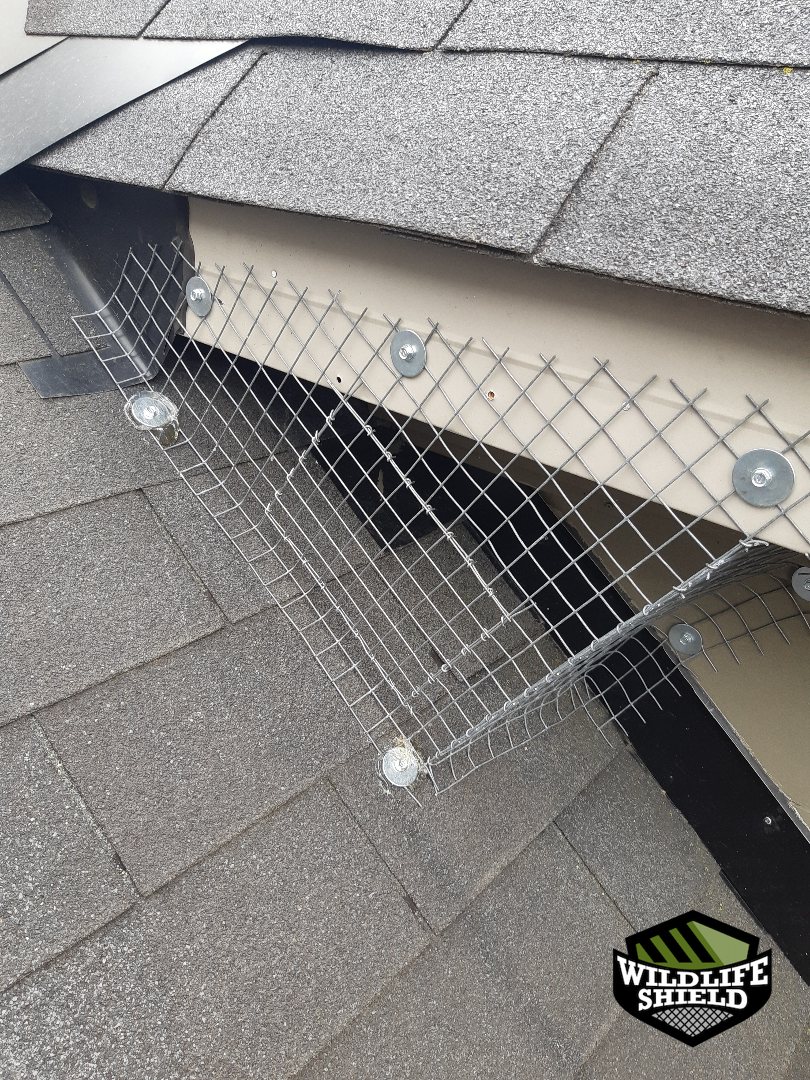
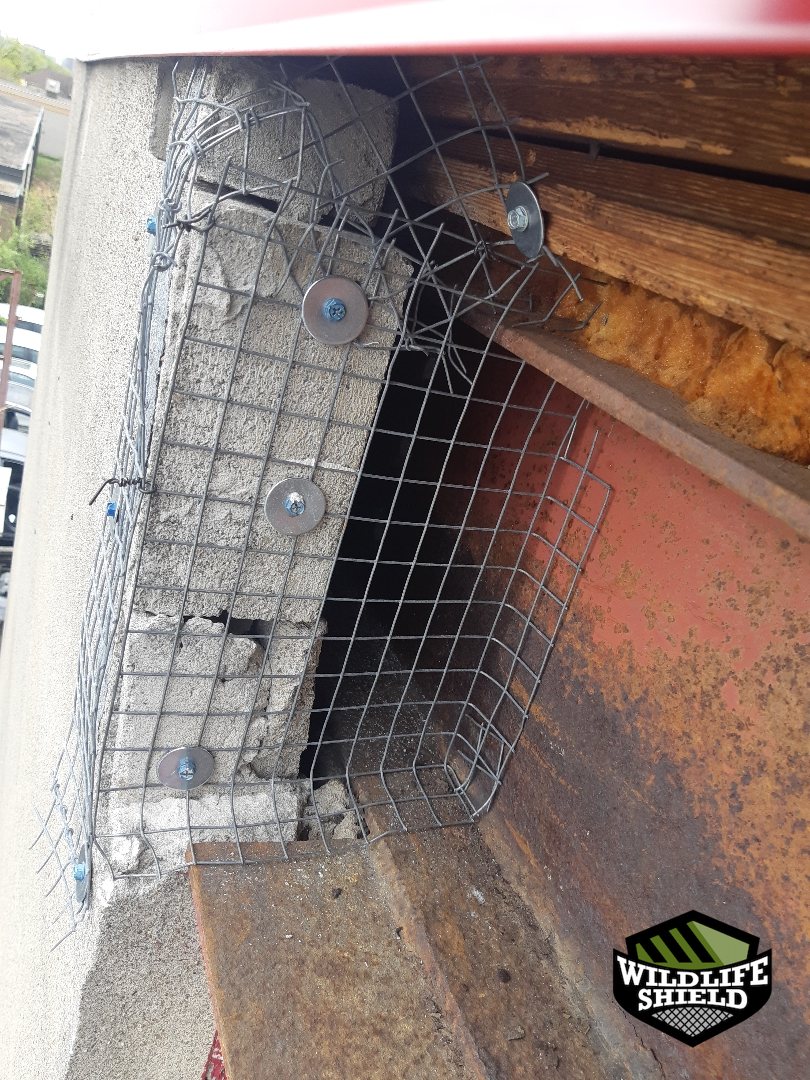
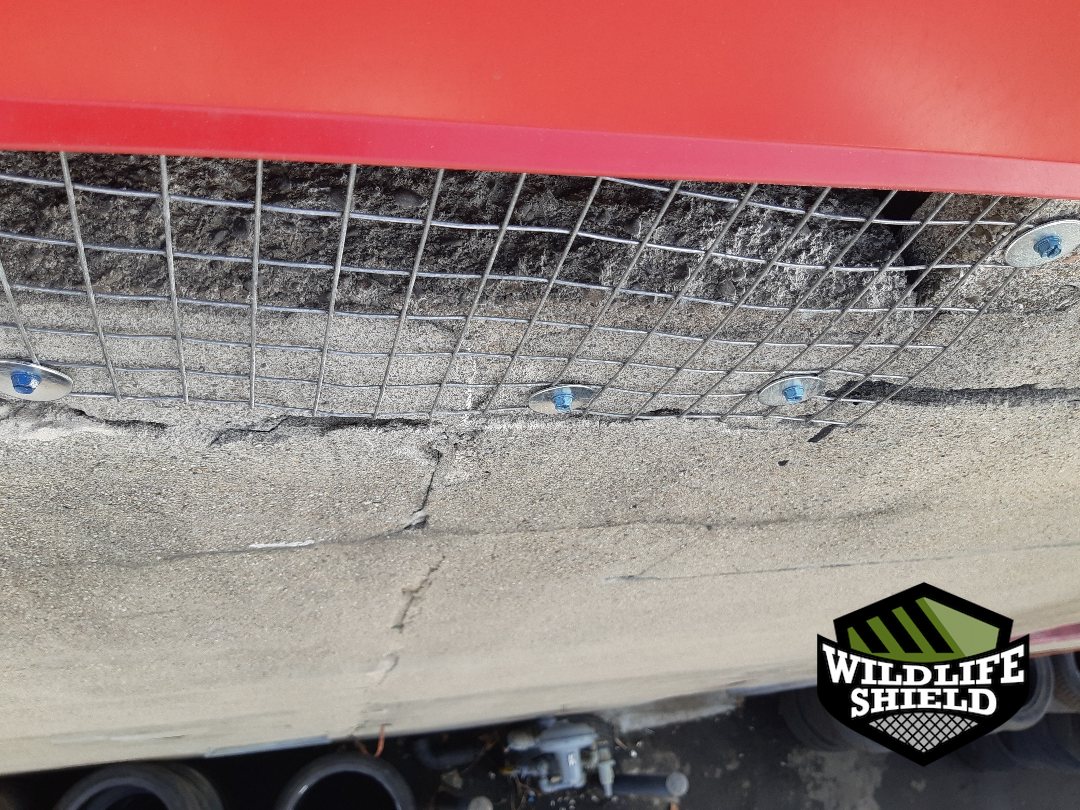
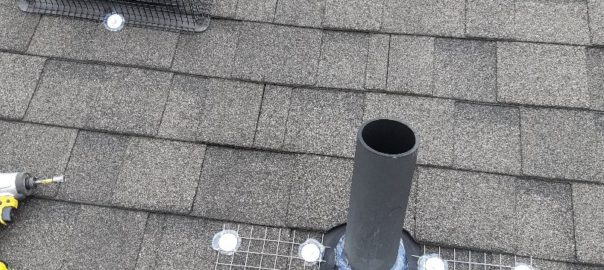
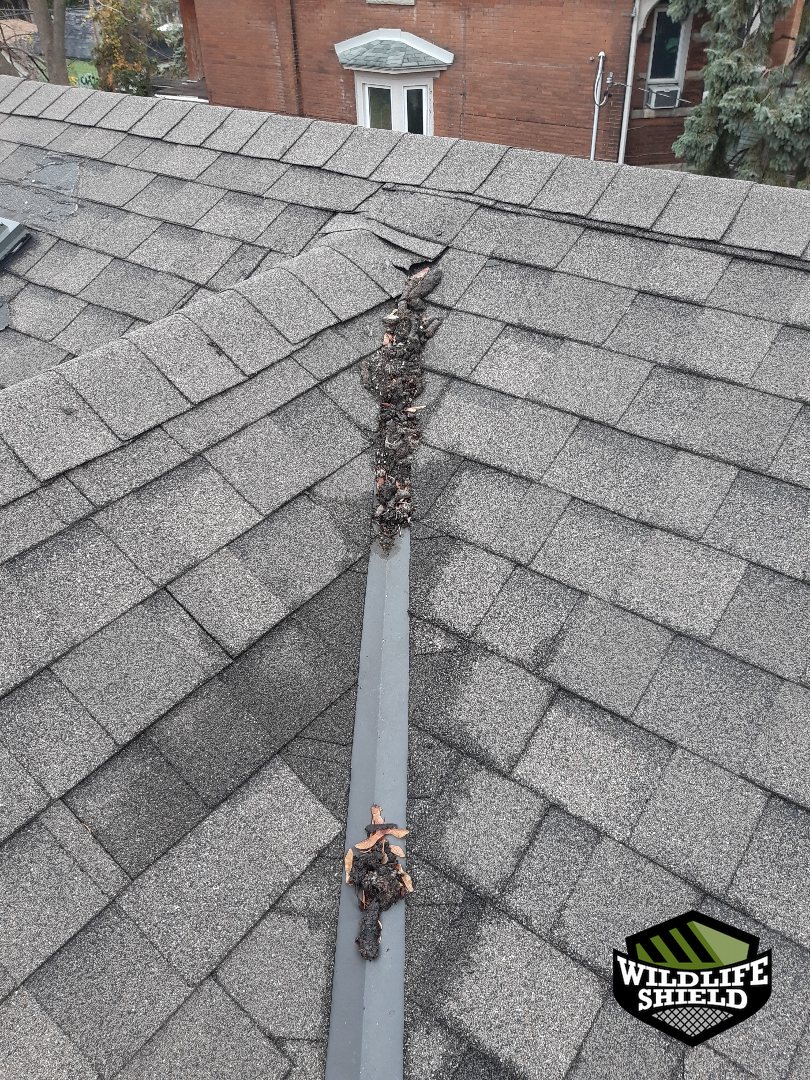
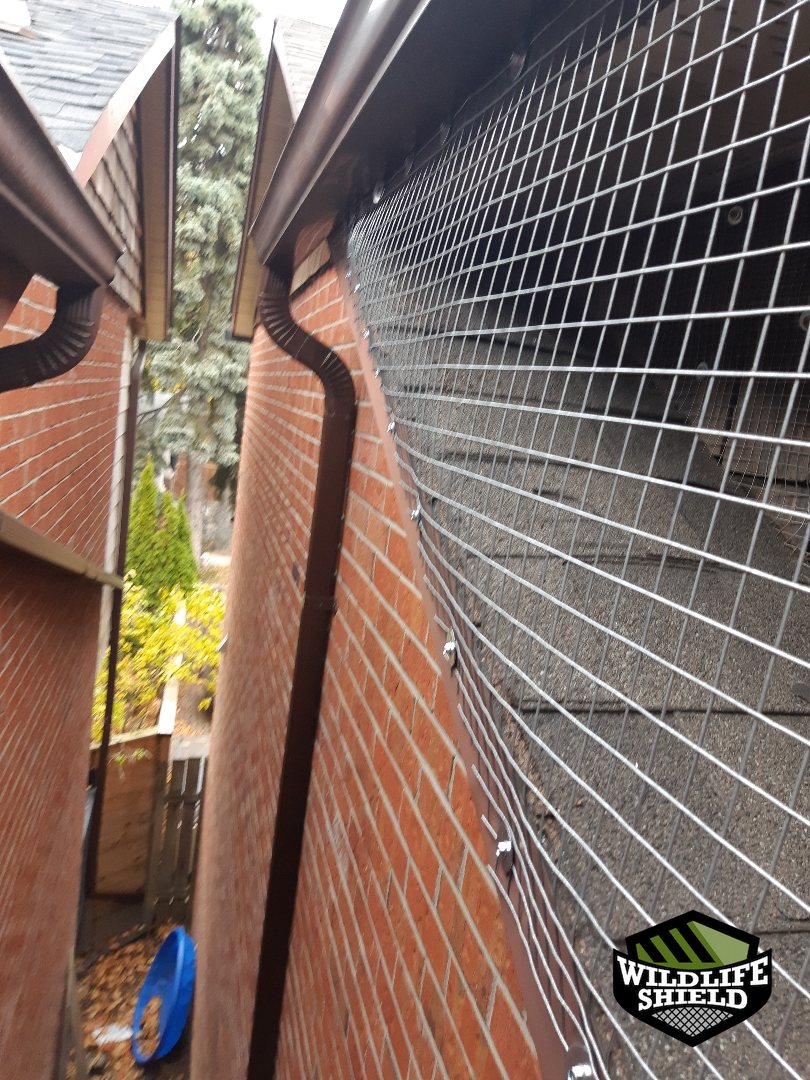
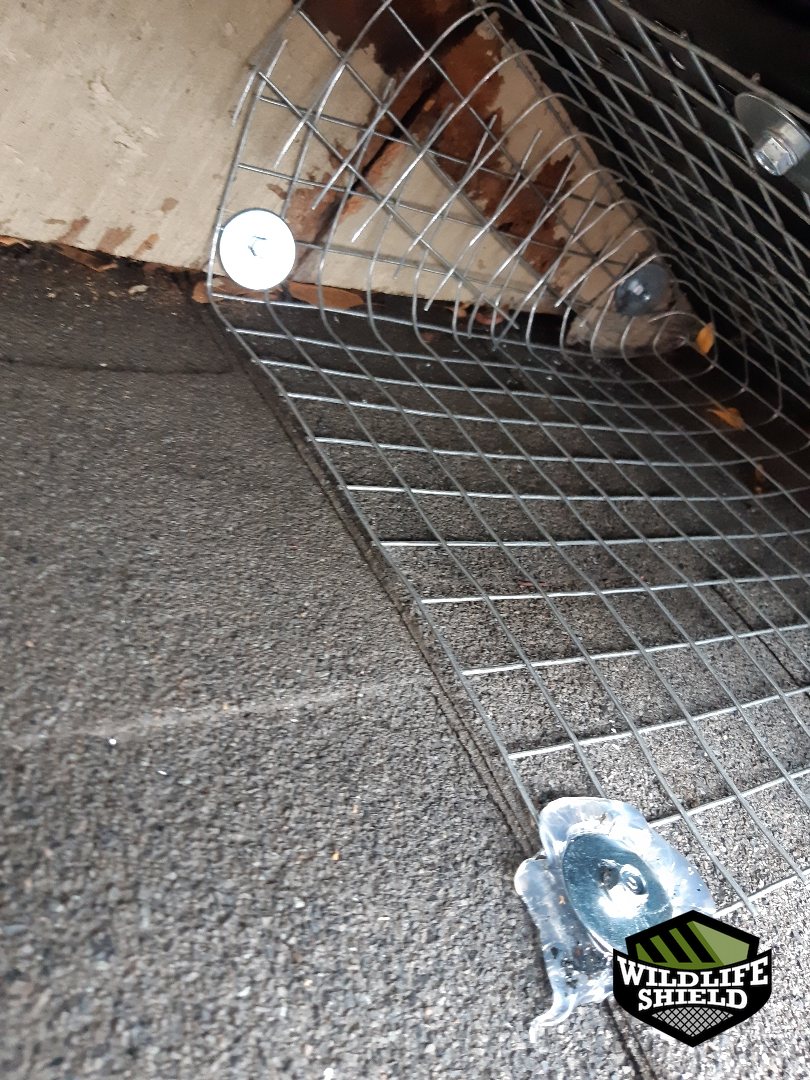
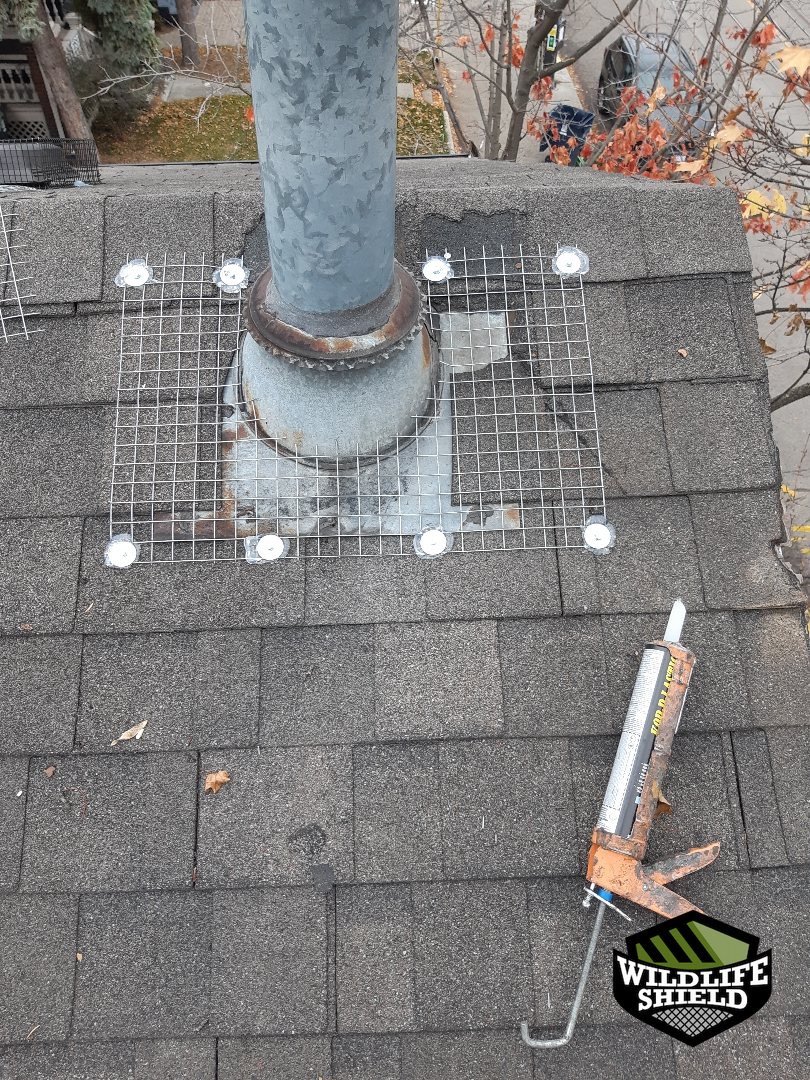
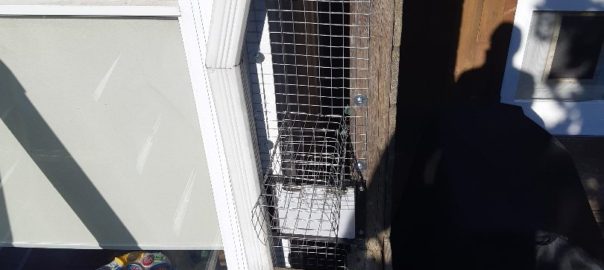
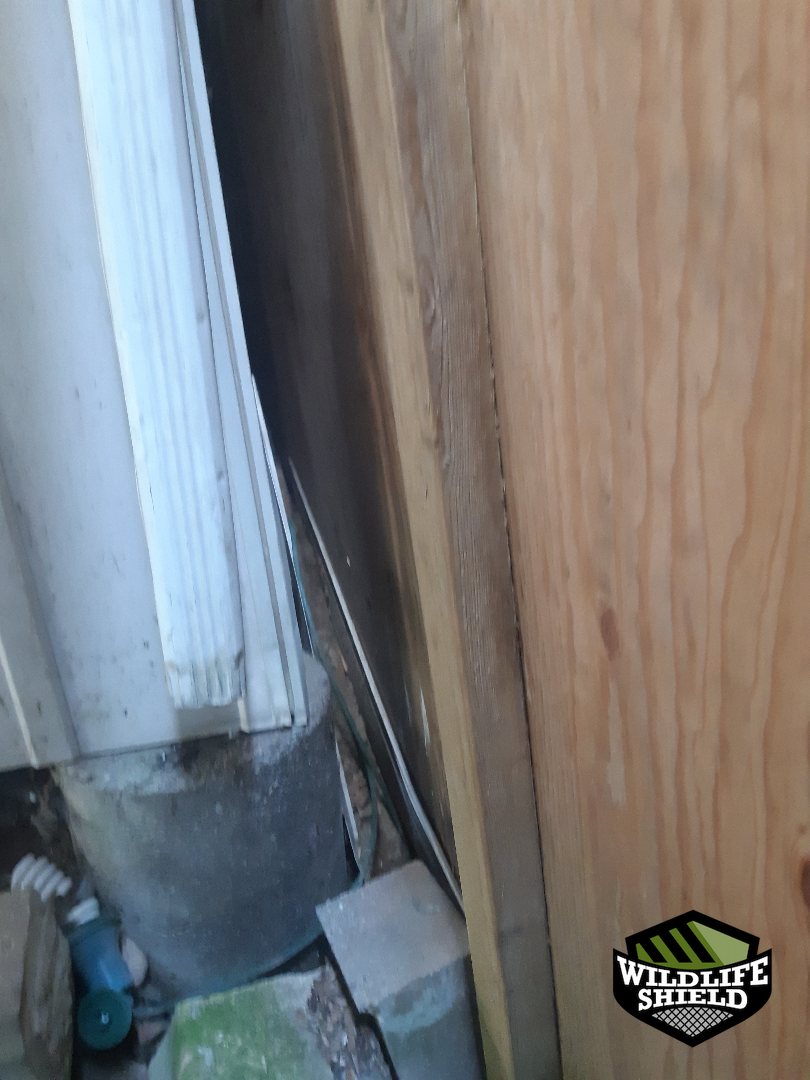
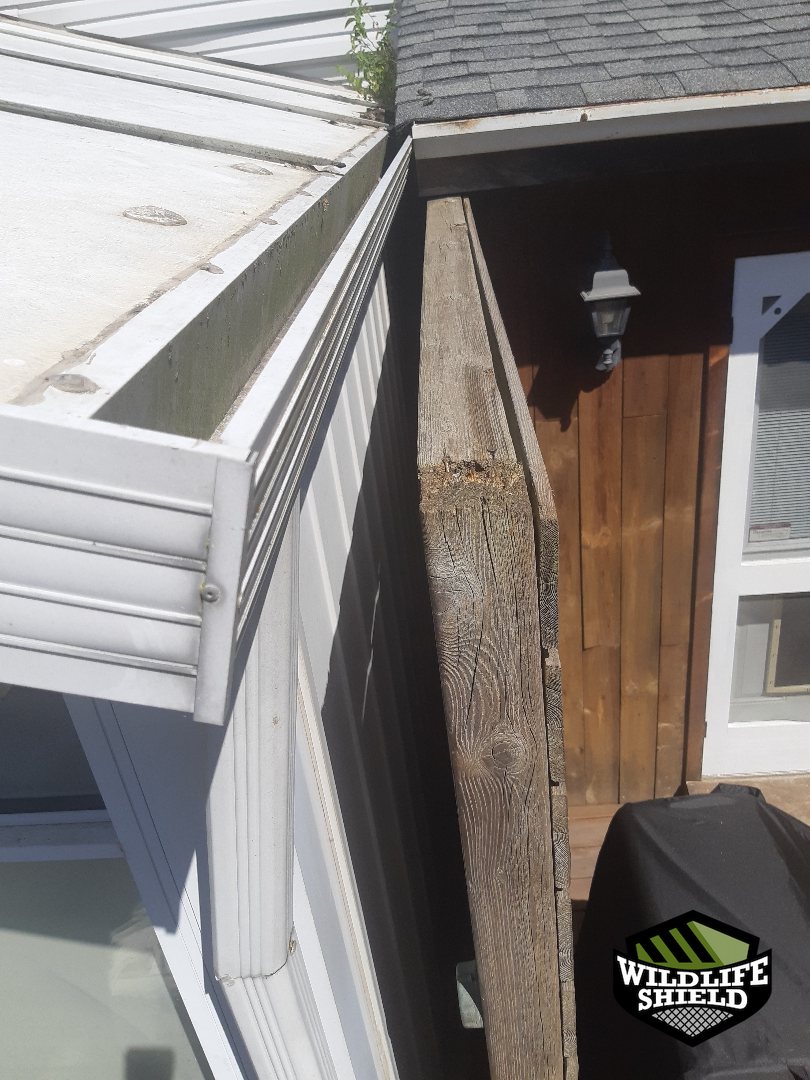
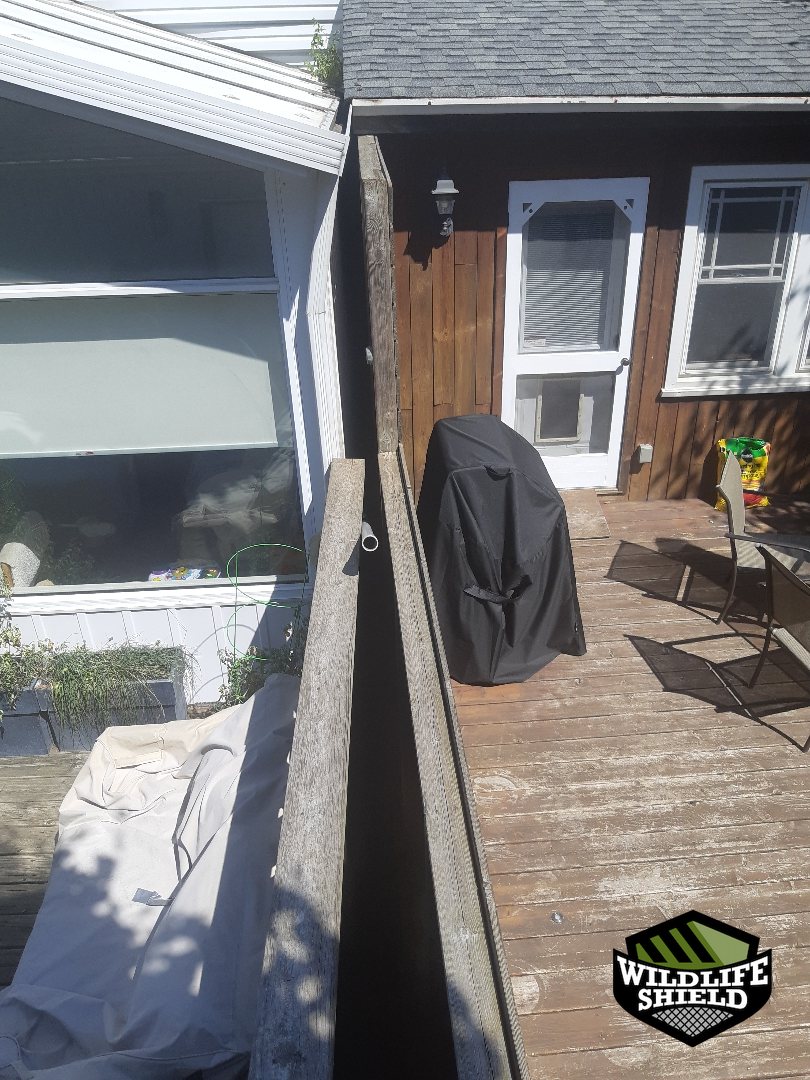
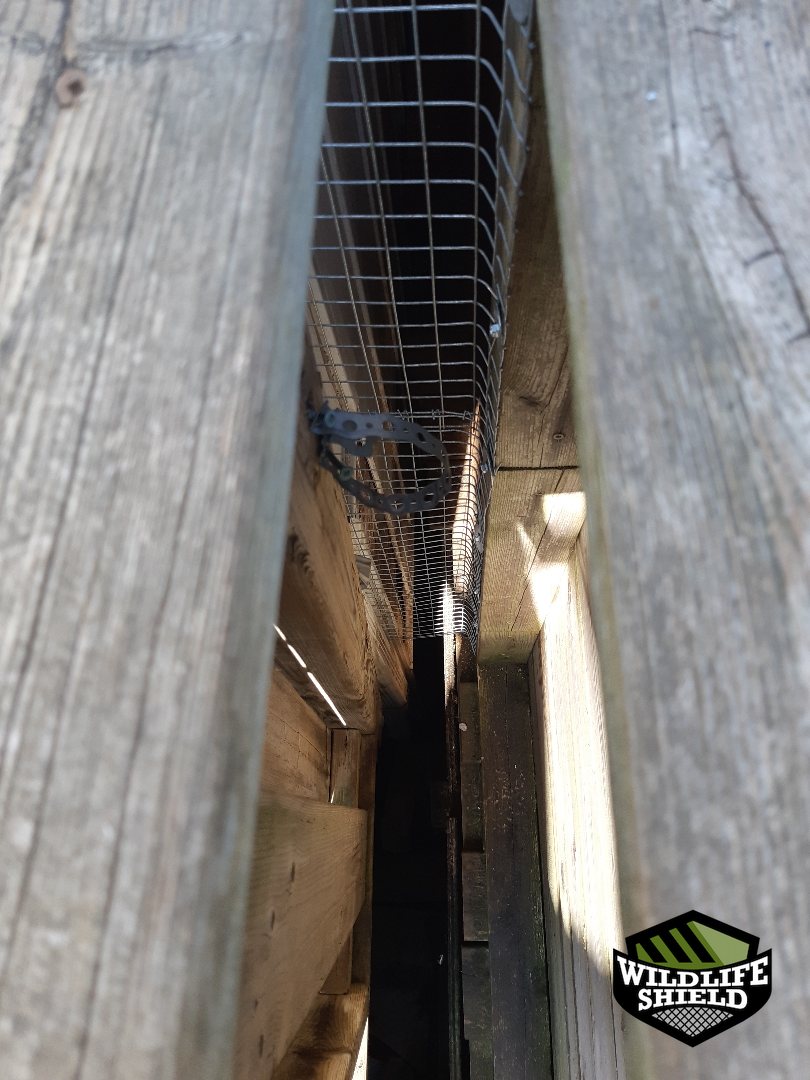
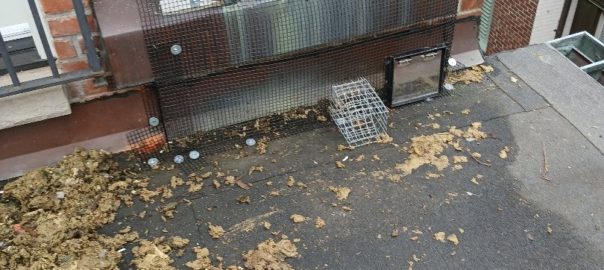
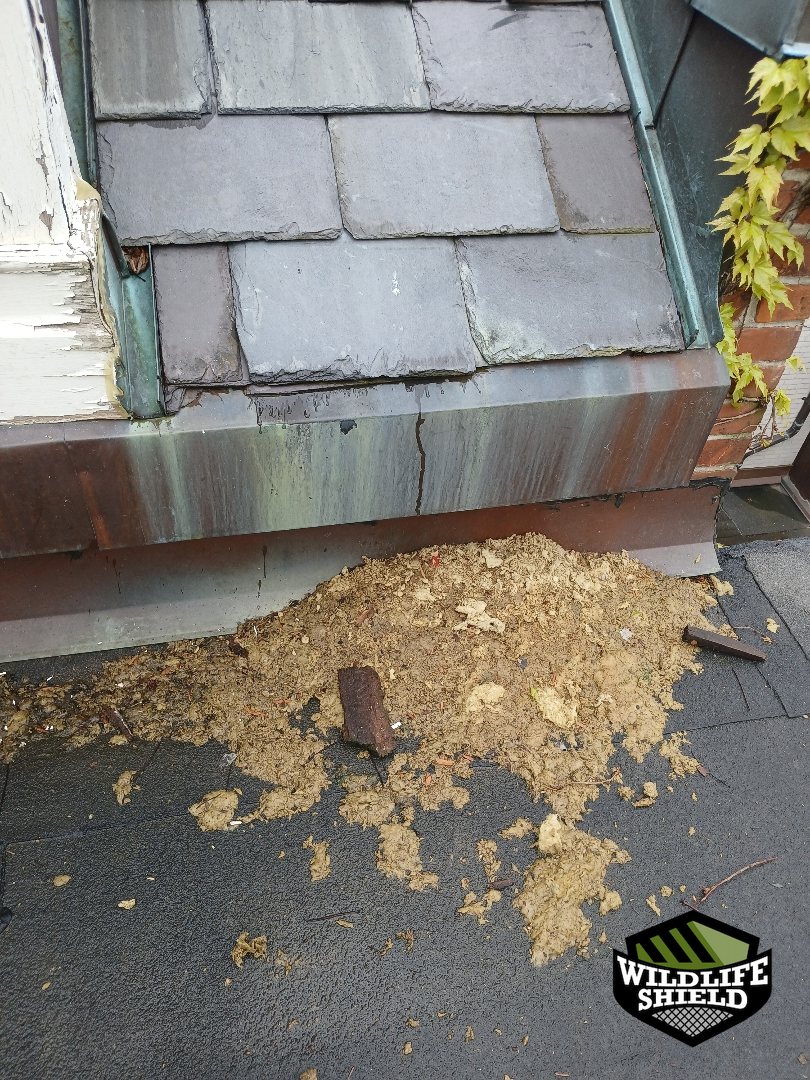
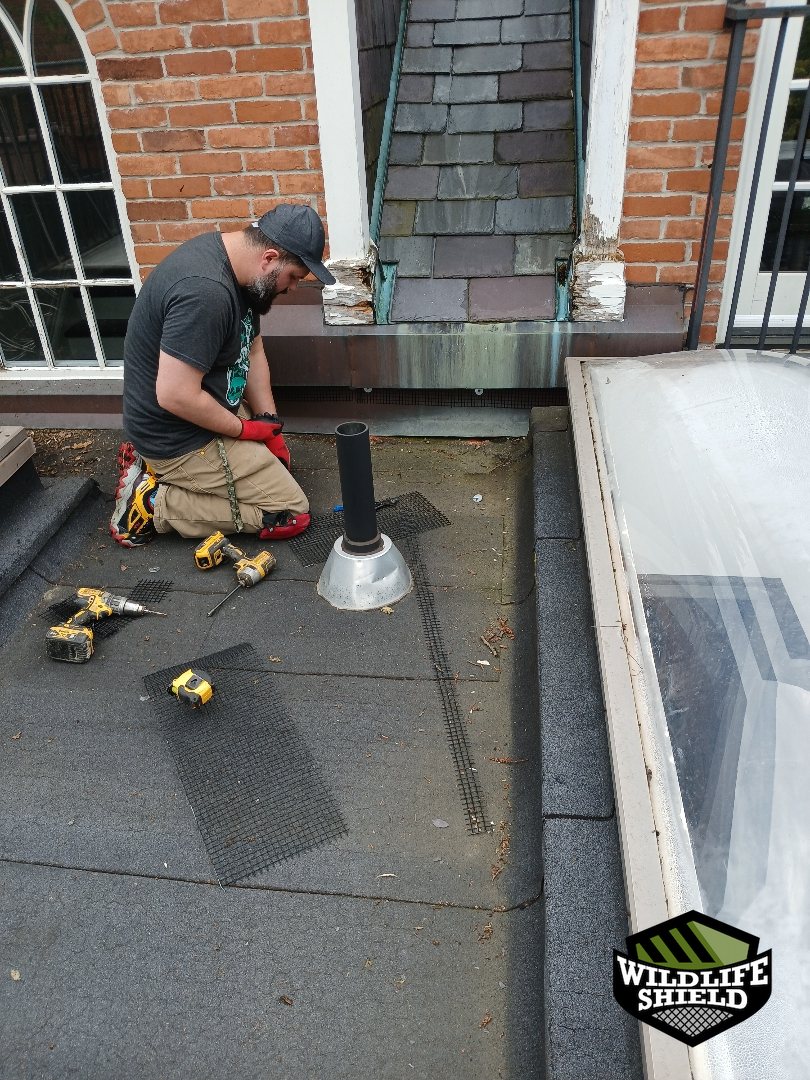
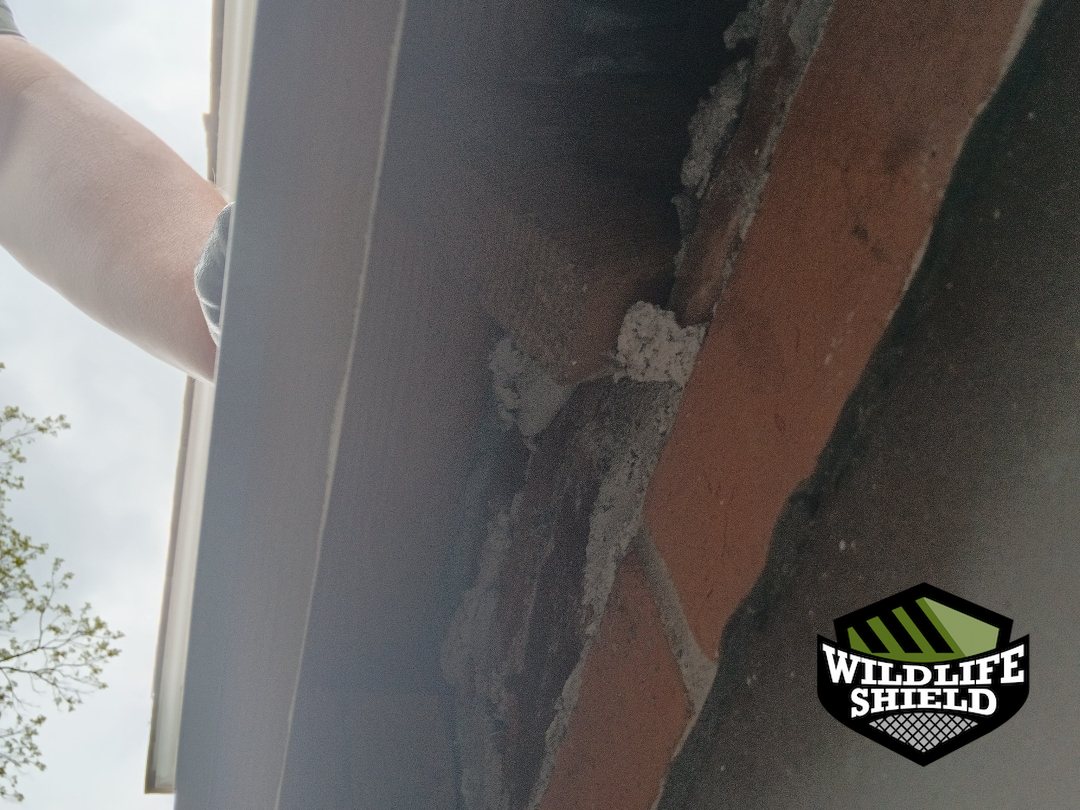
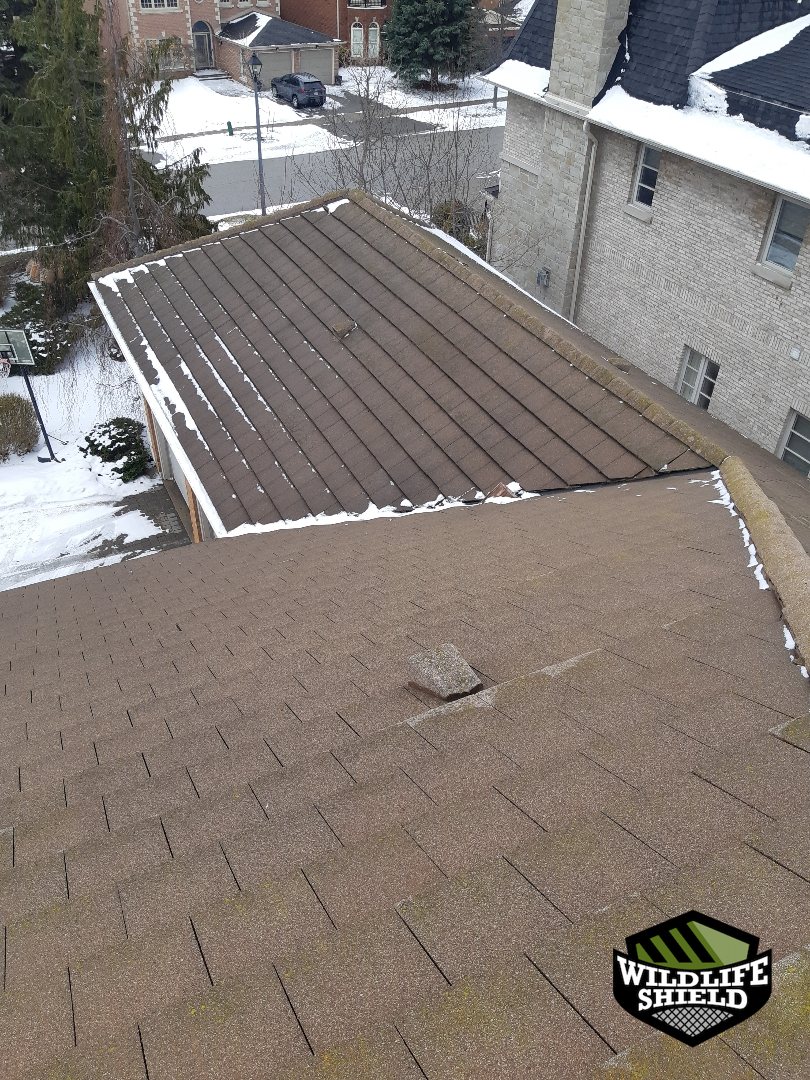
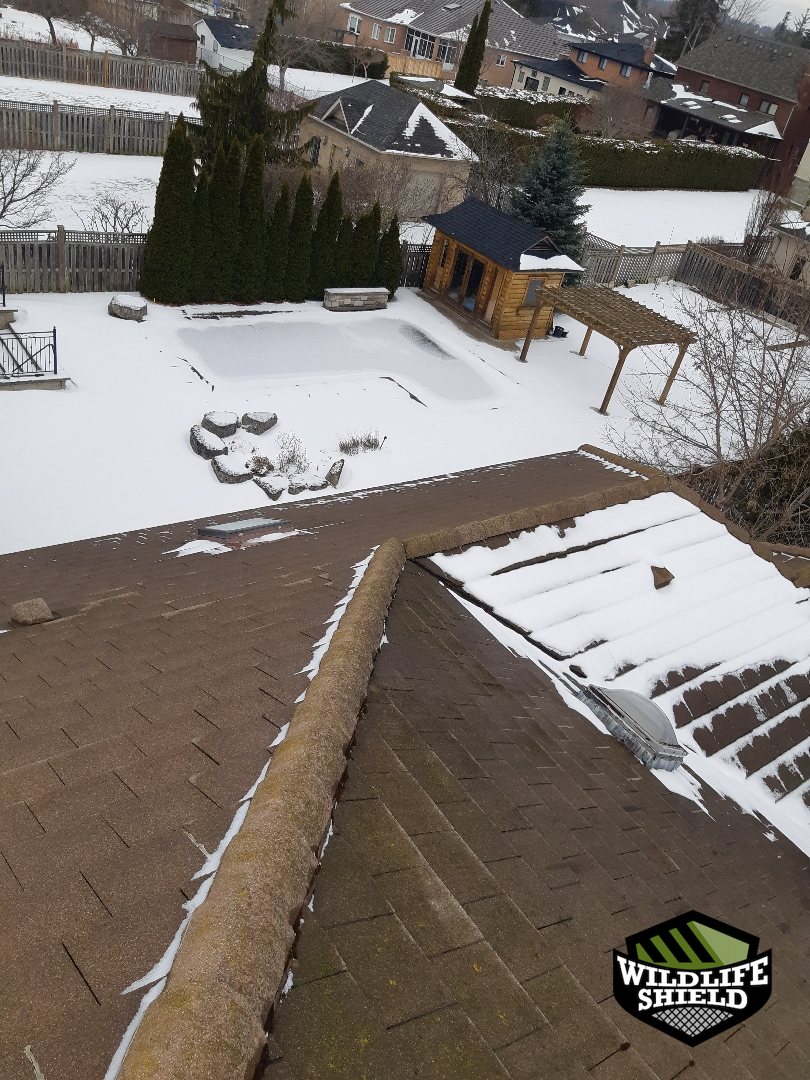
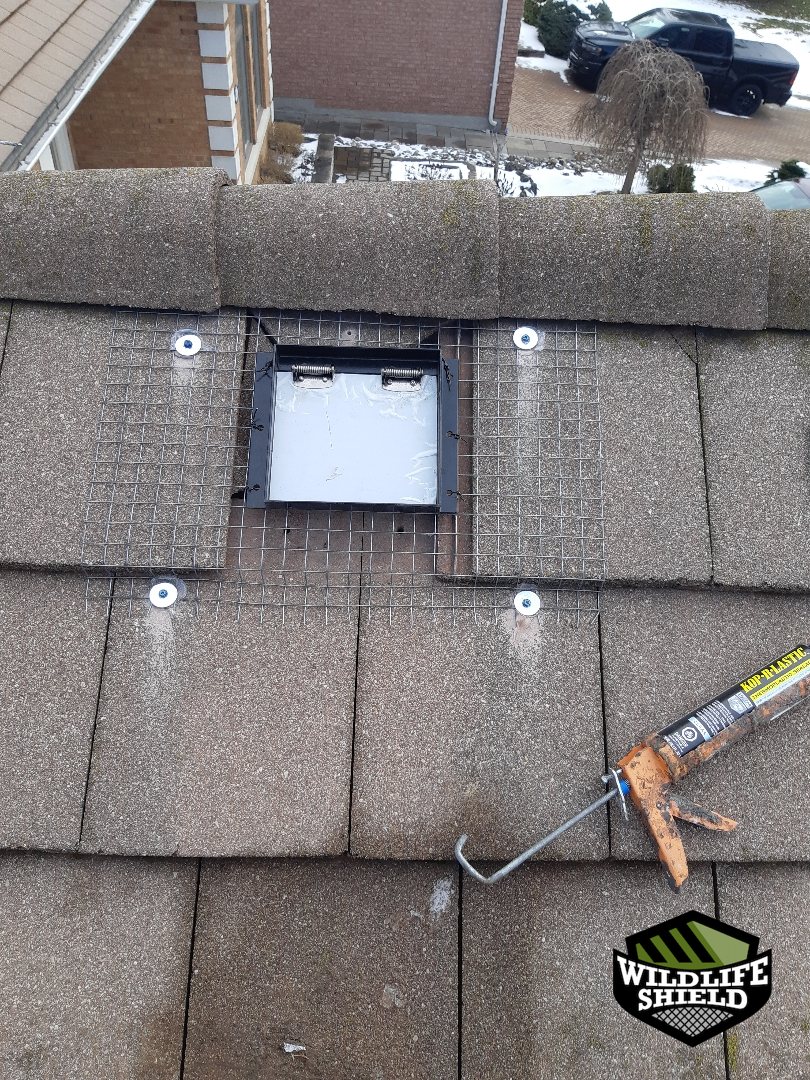
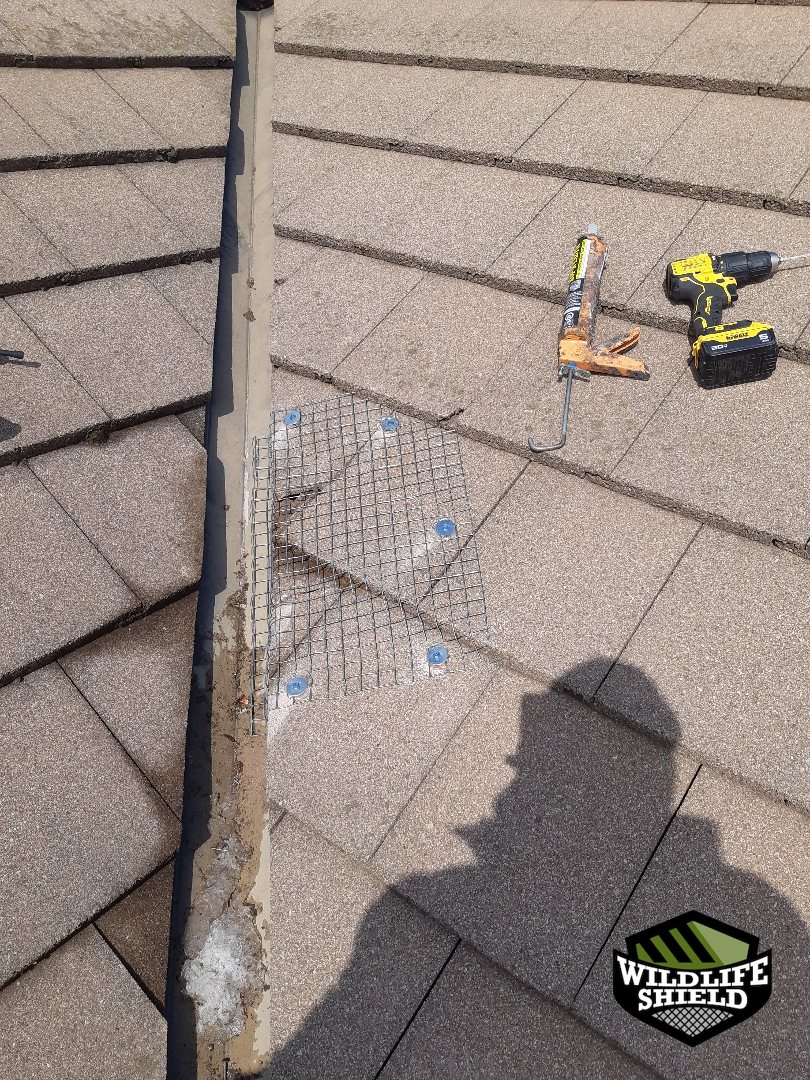
The photographs show:
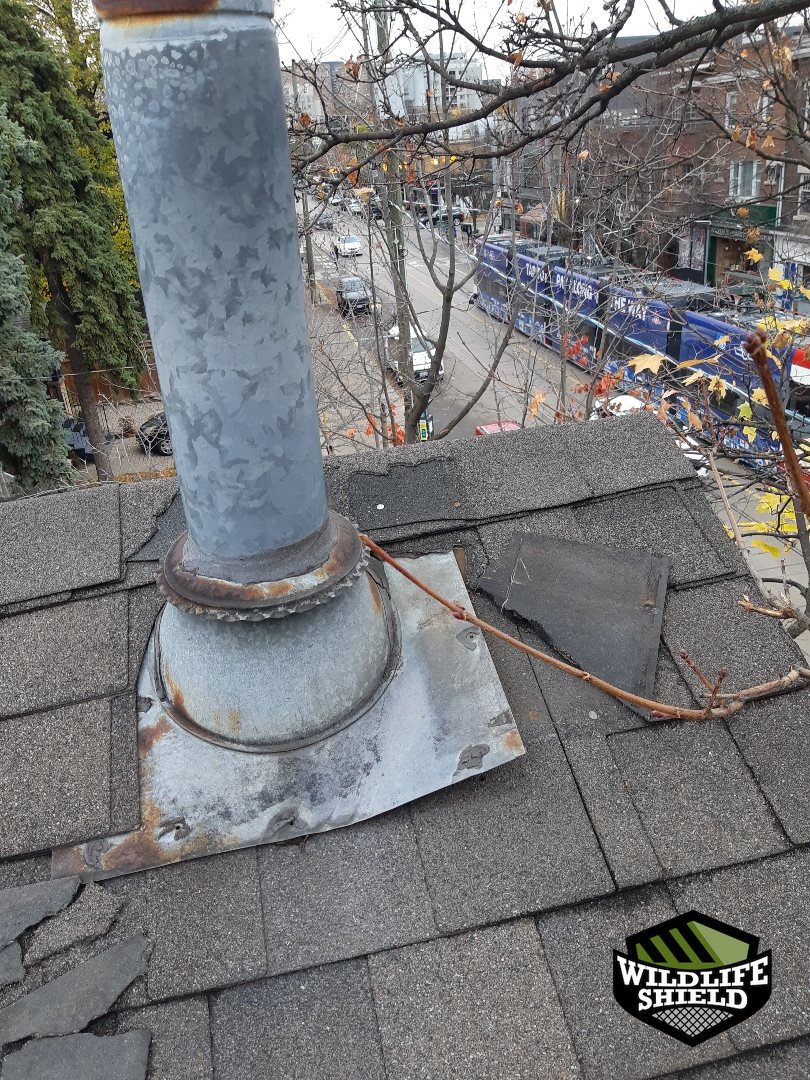
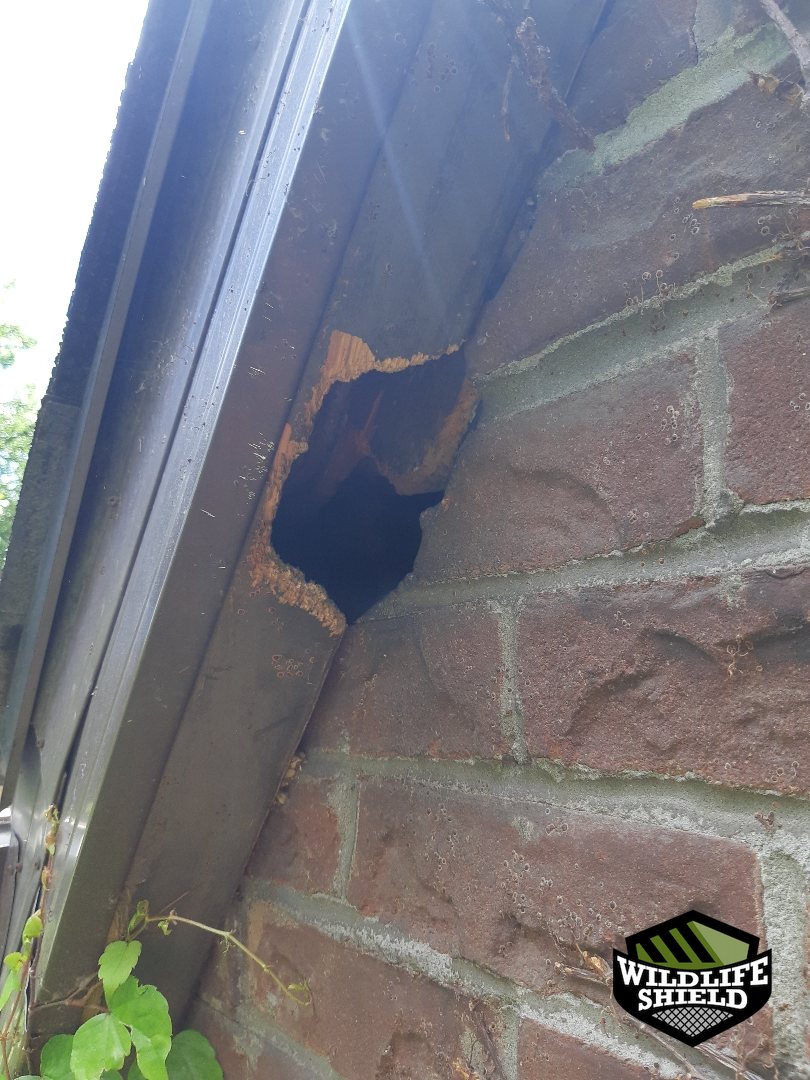
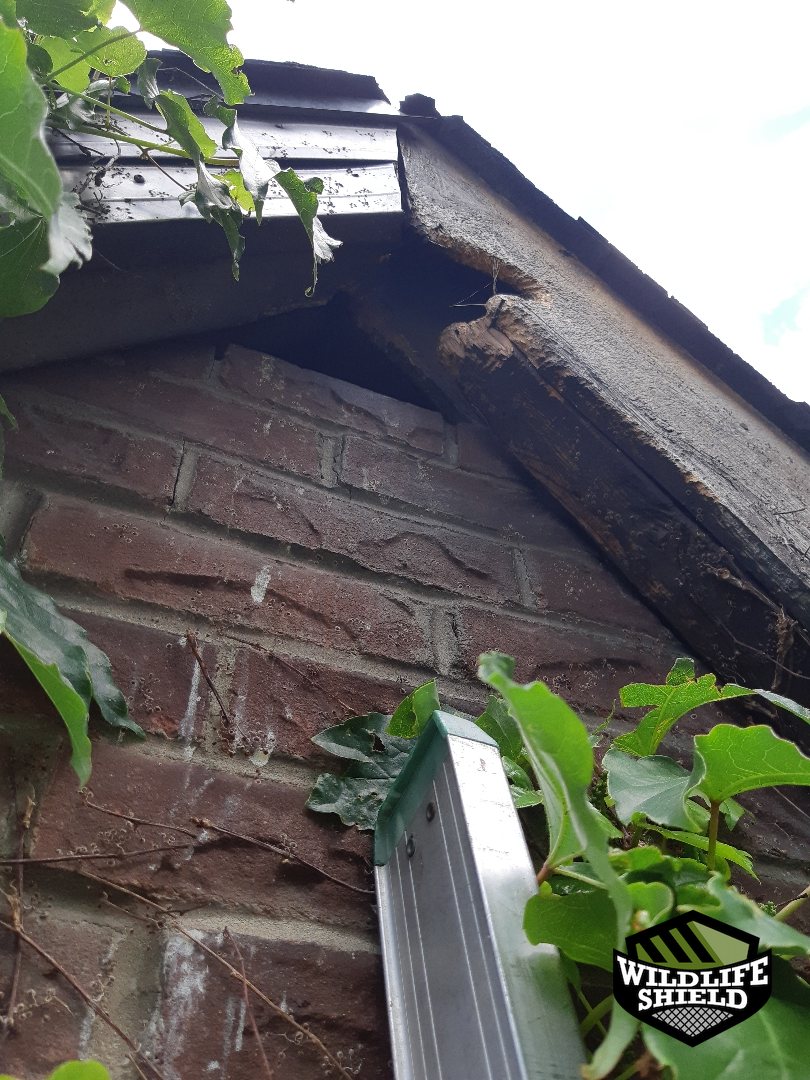
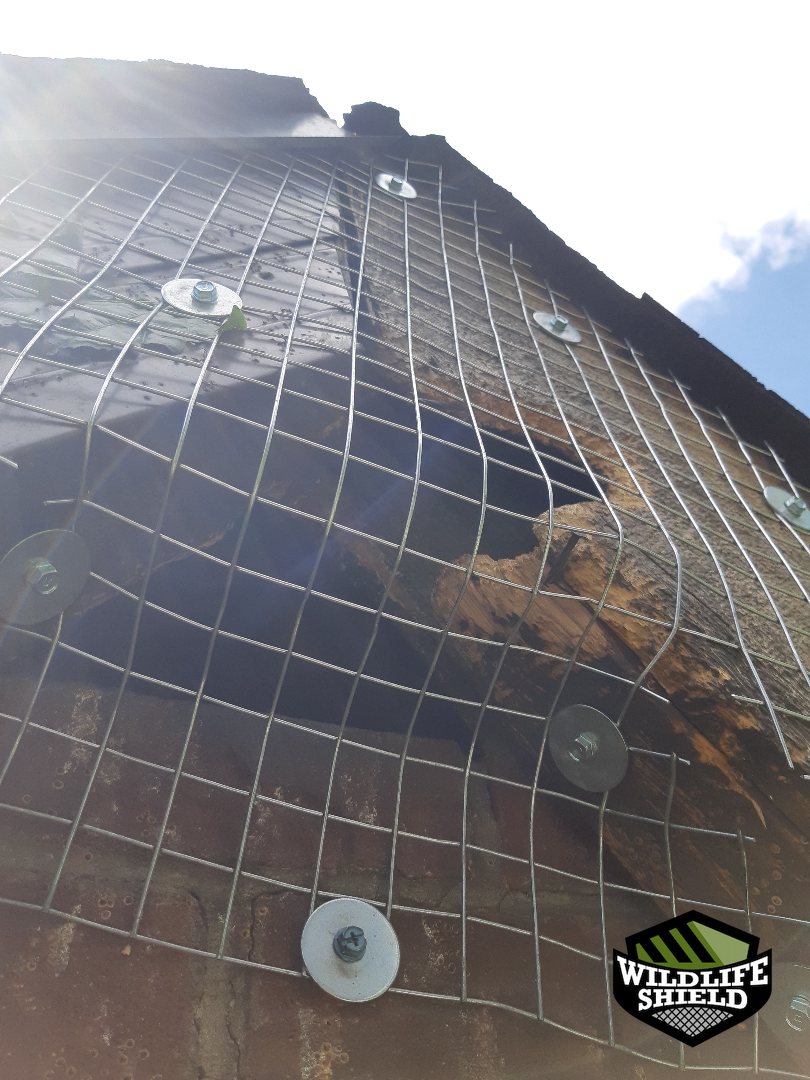
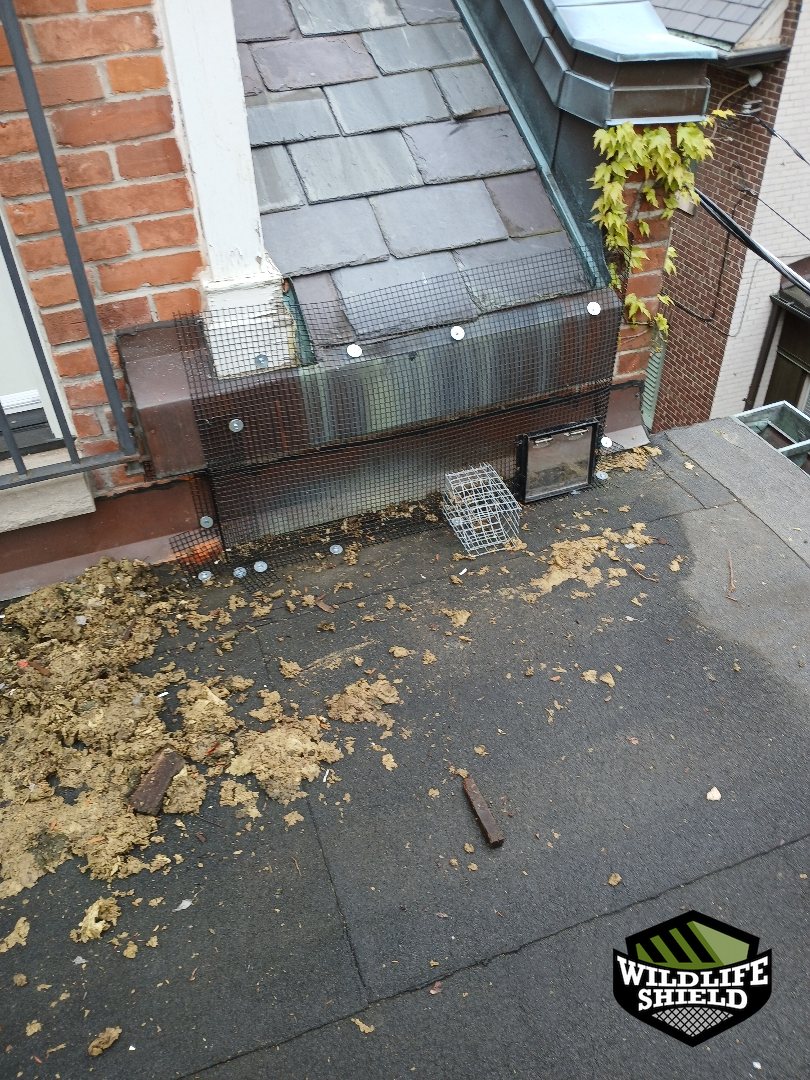
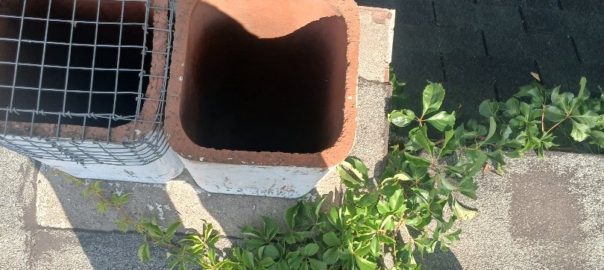
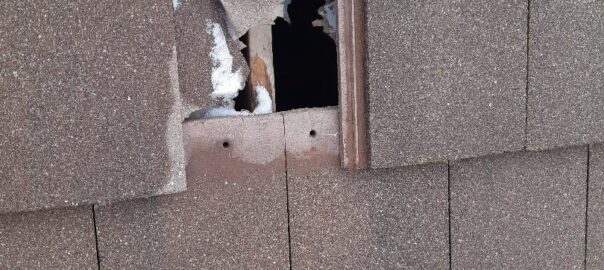
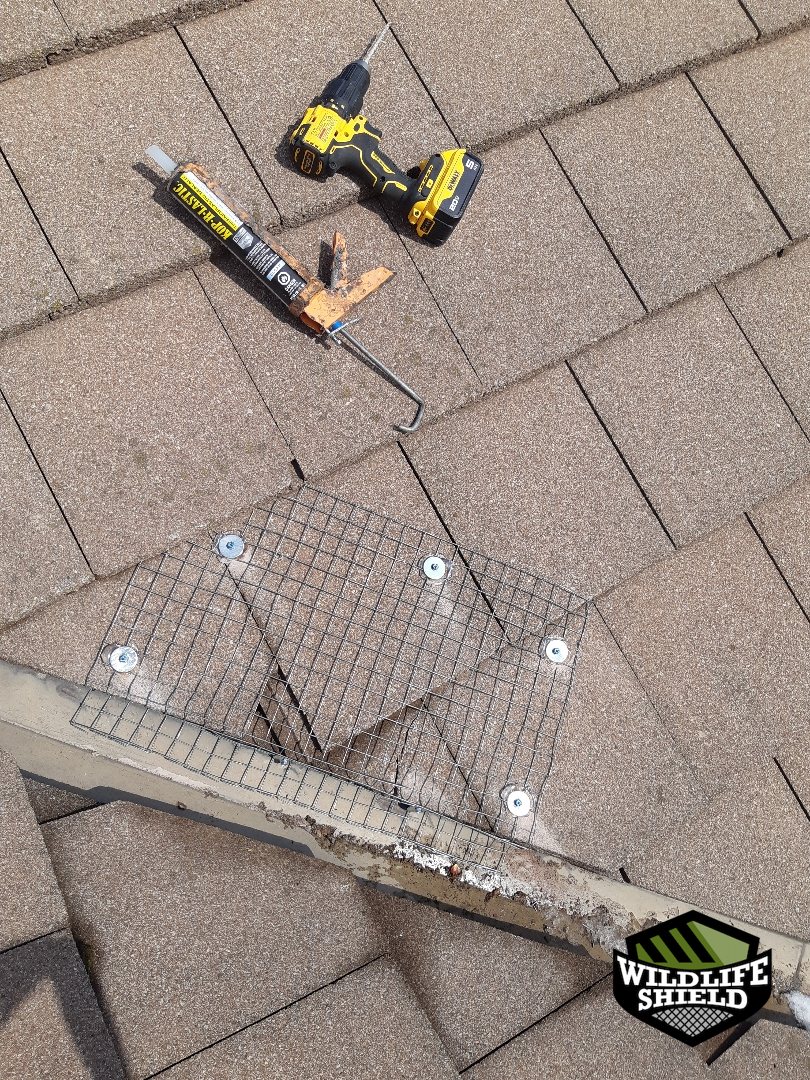
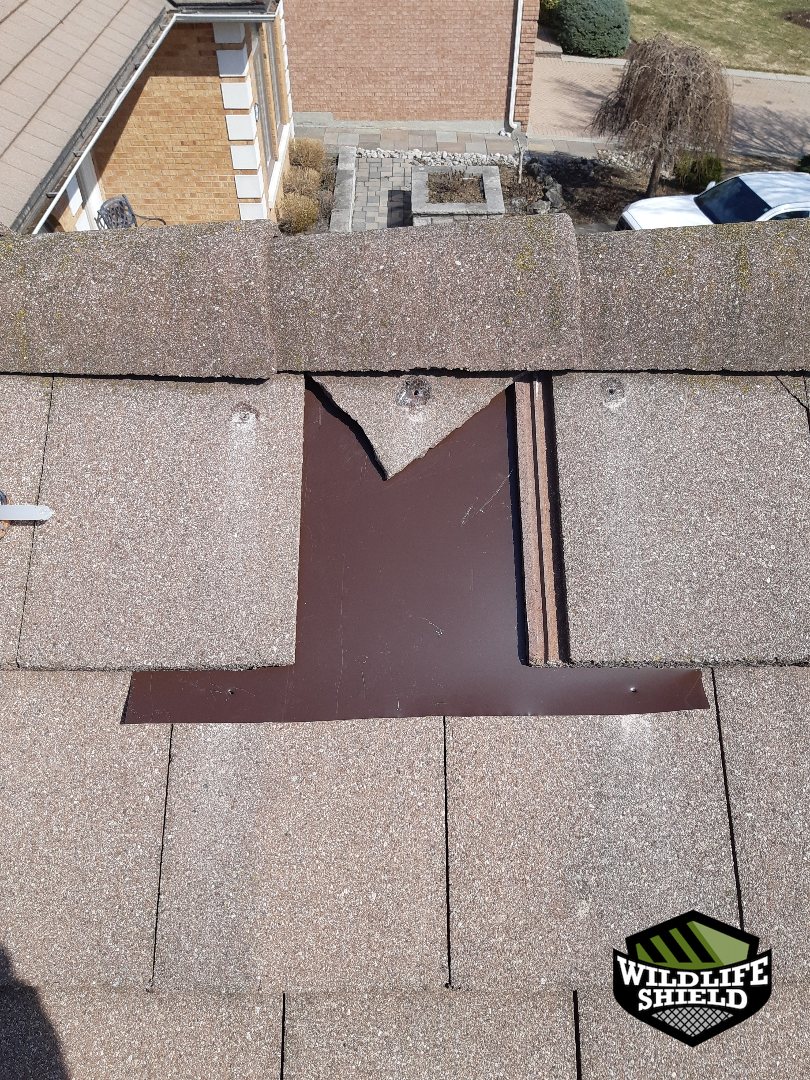
- Broken and displaced clay roof tiles creating an opening into the roof structure.
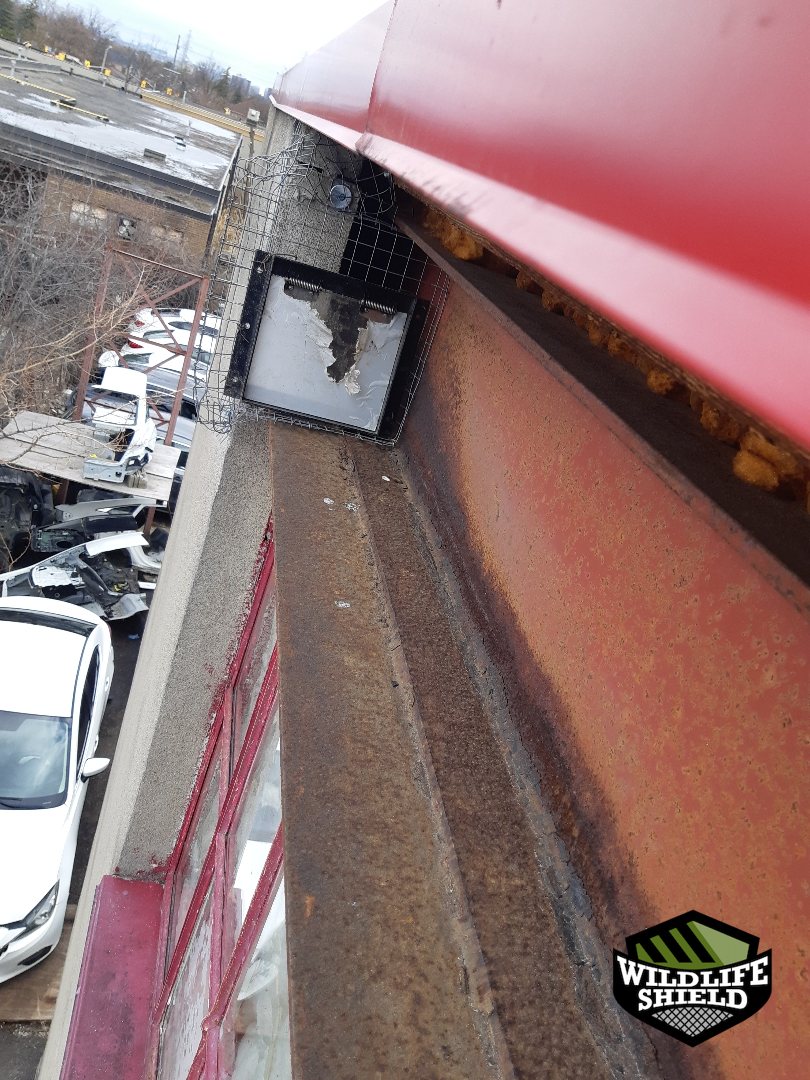
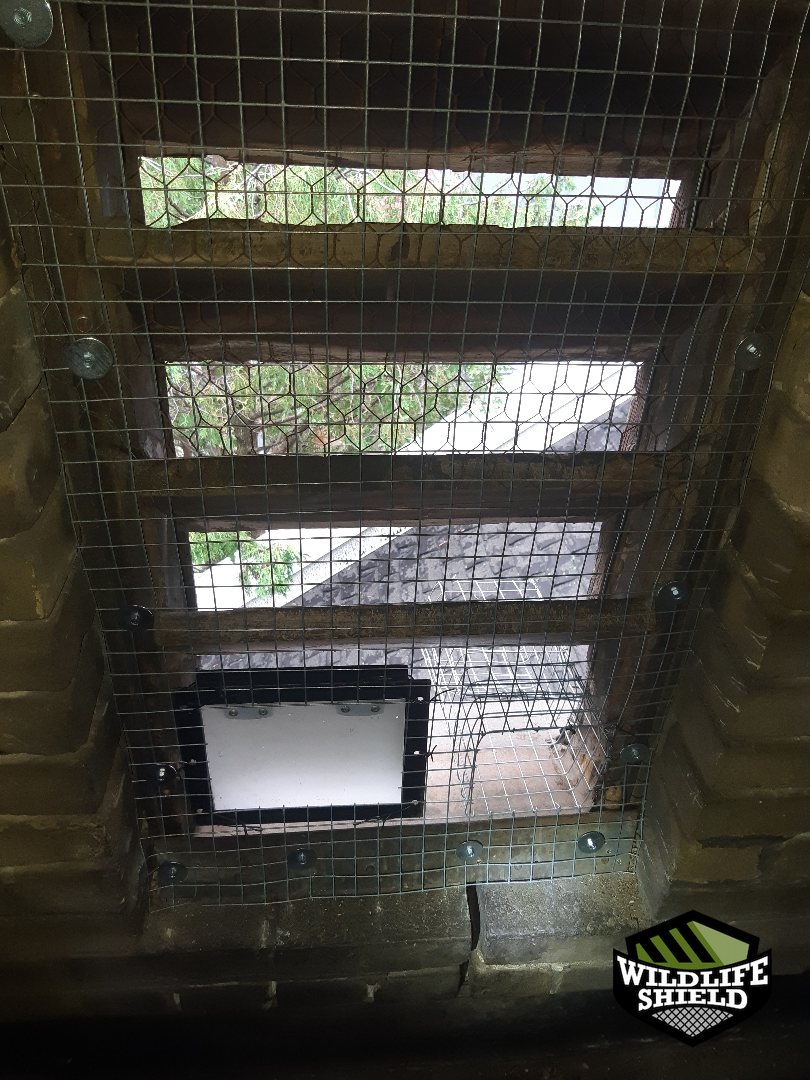
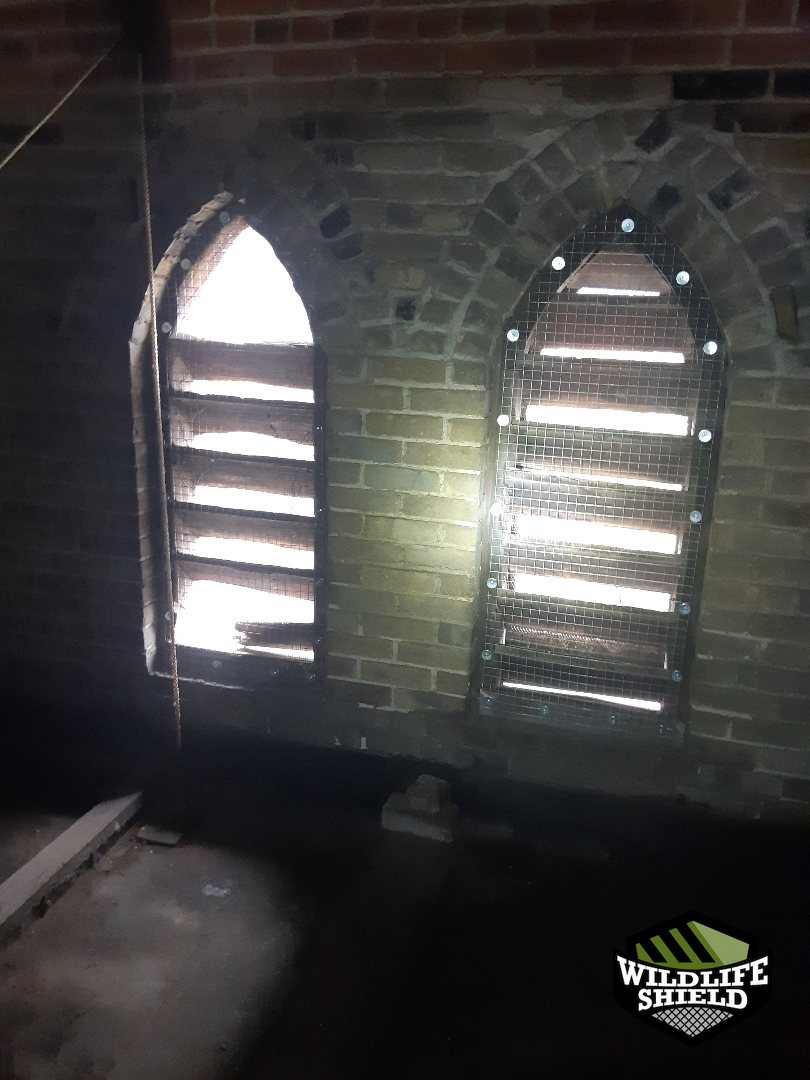
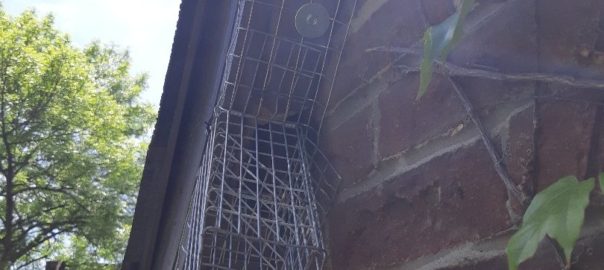
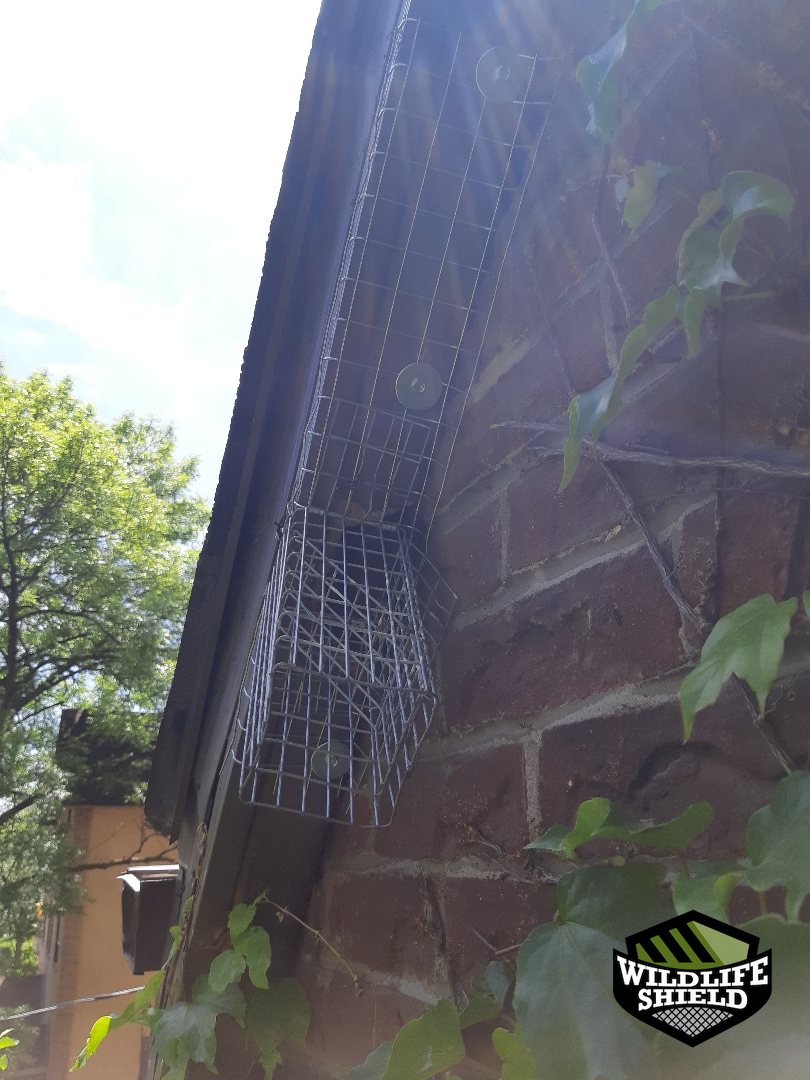
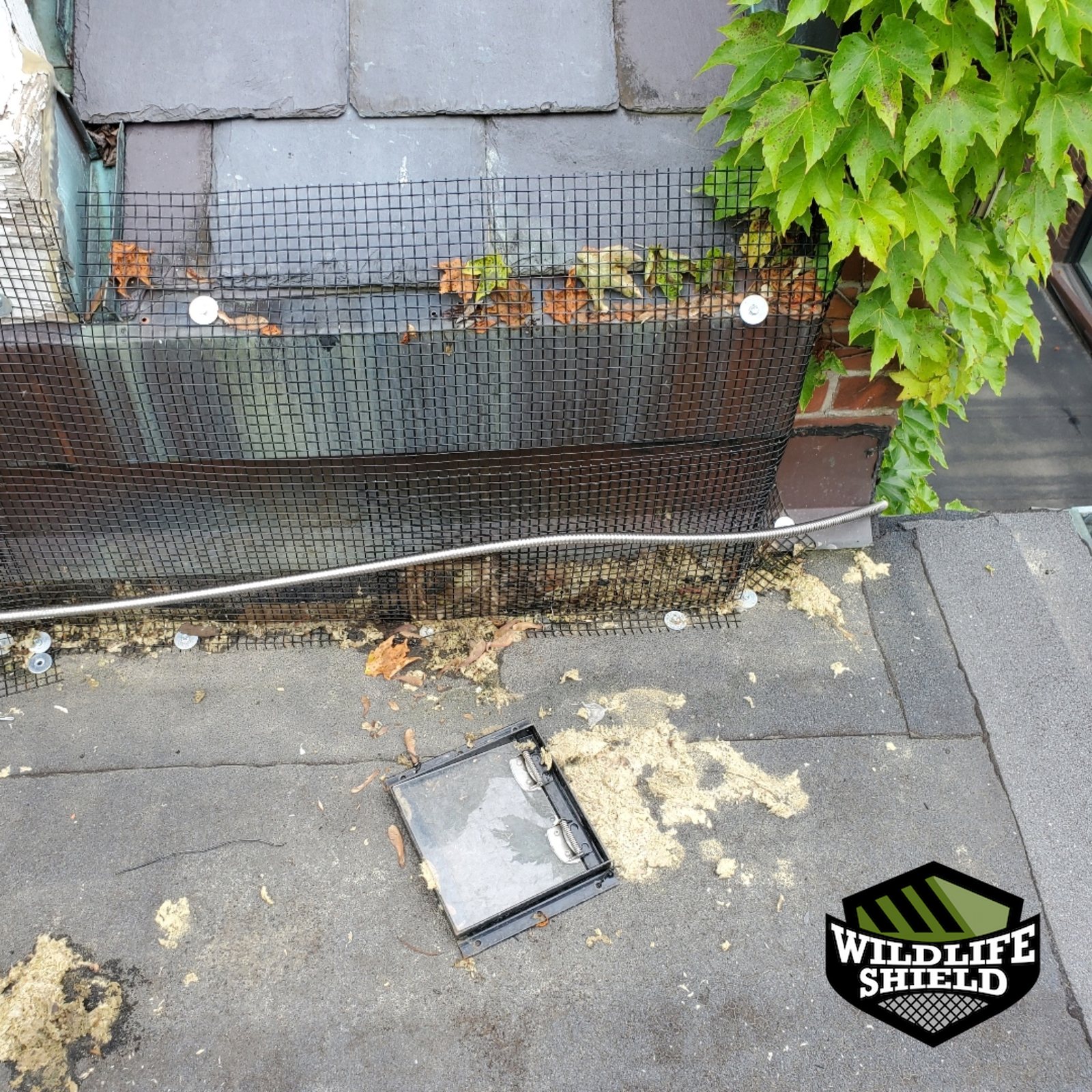
- A temporary one-way door installed over the active entry point.
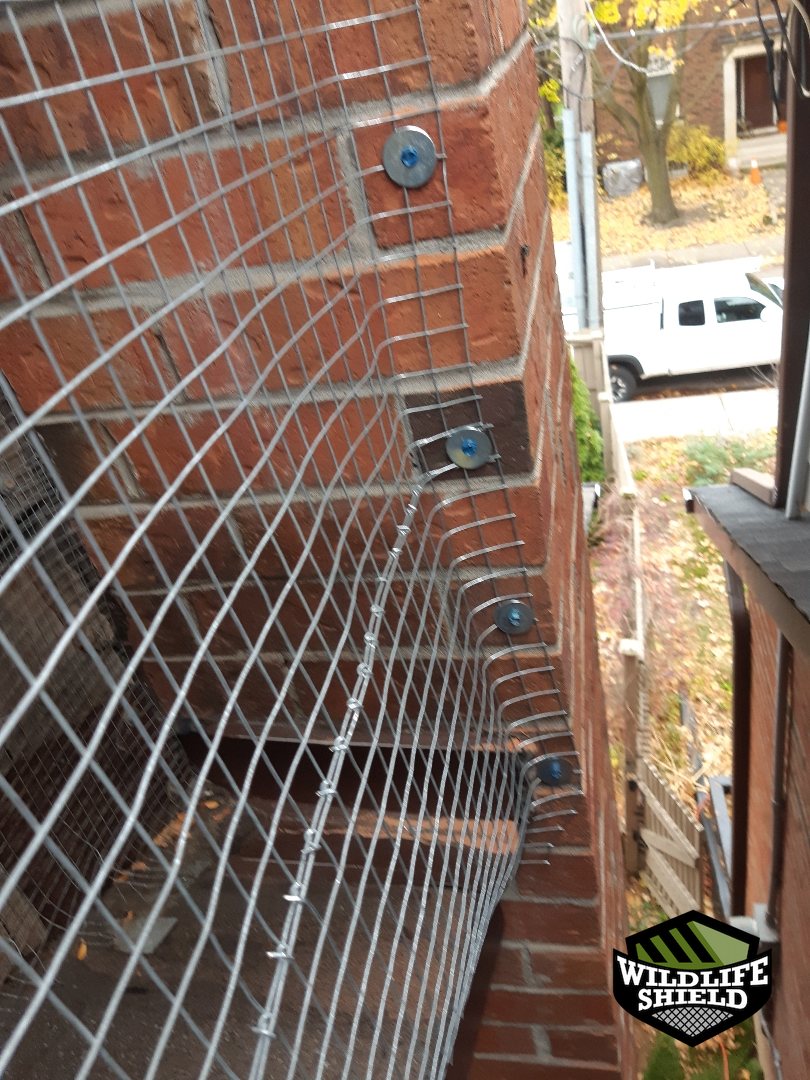
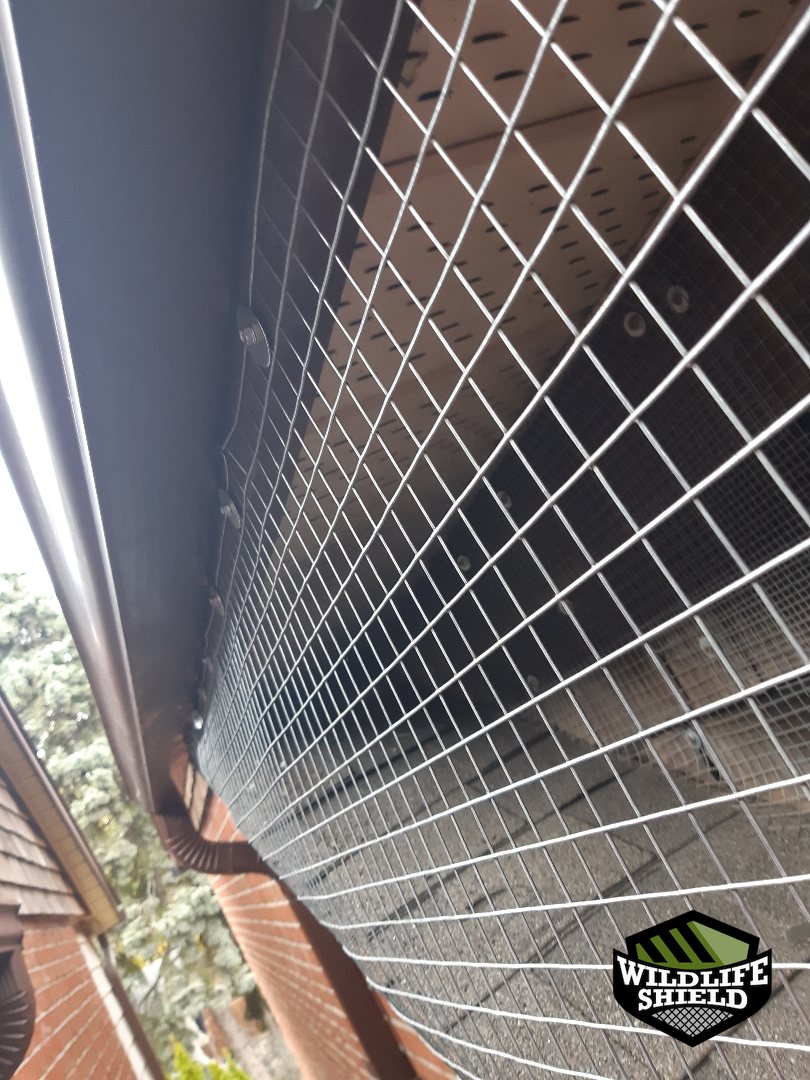
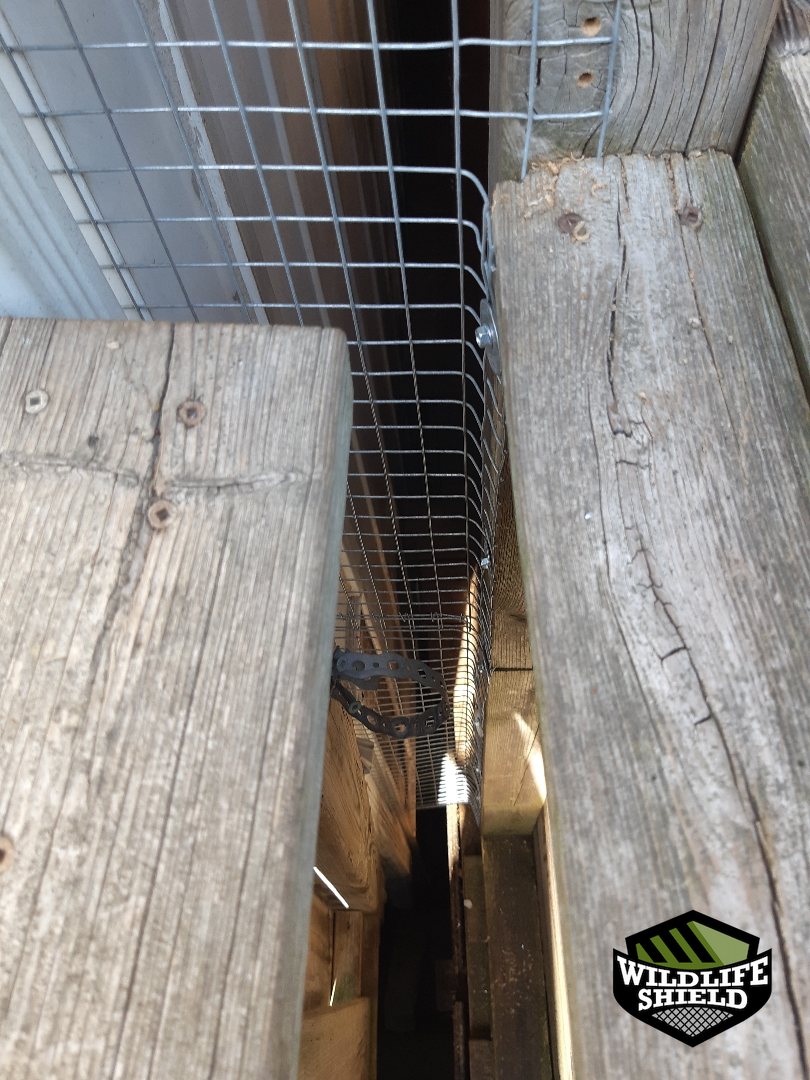
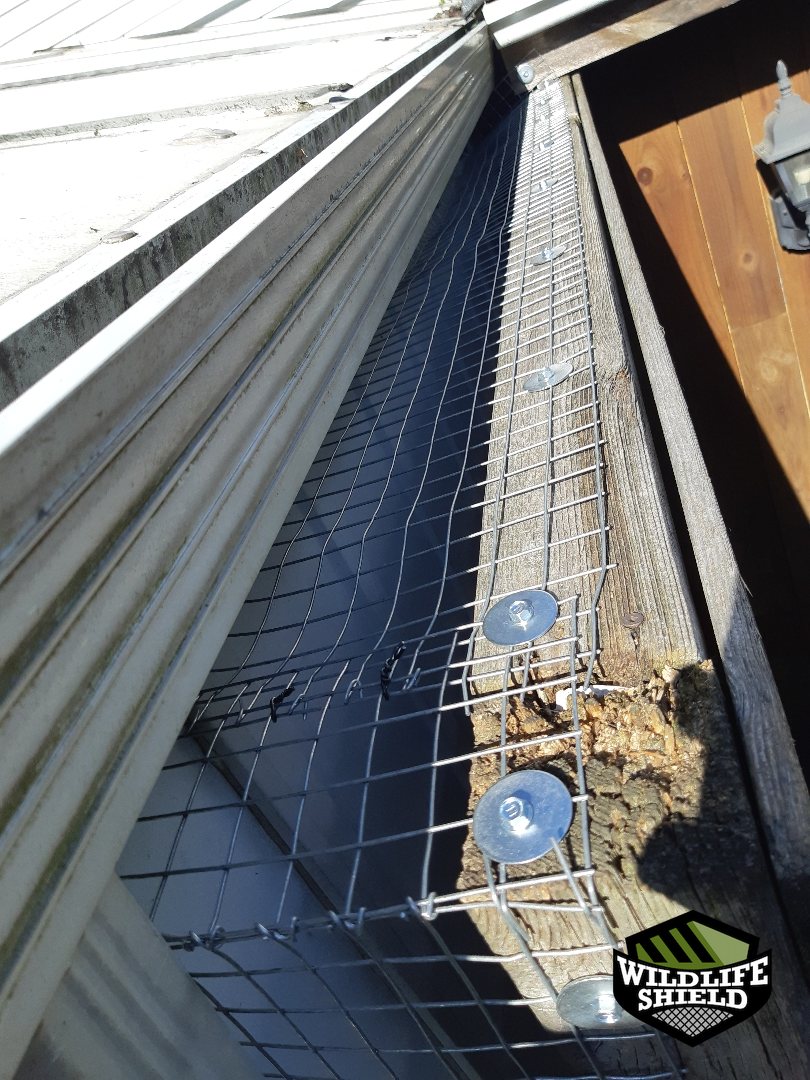
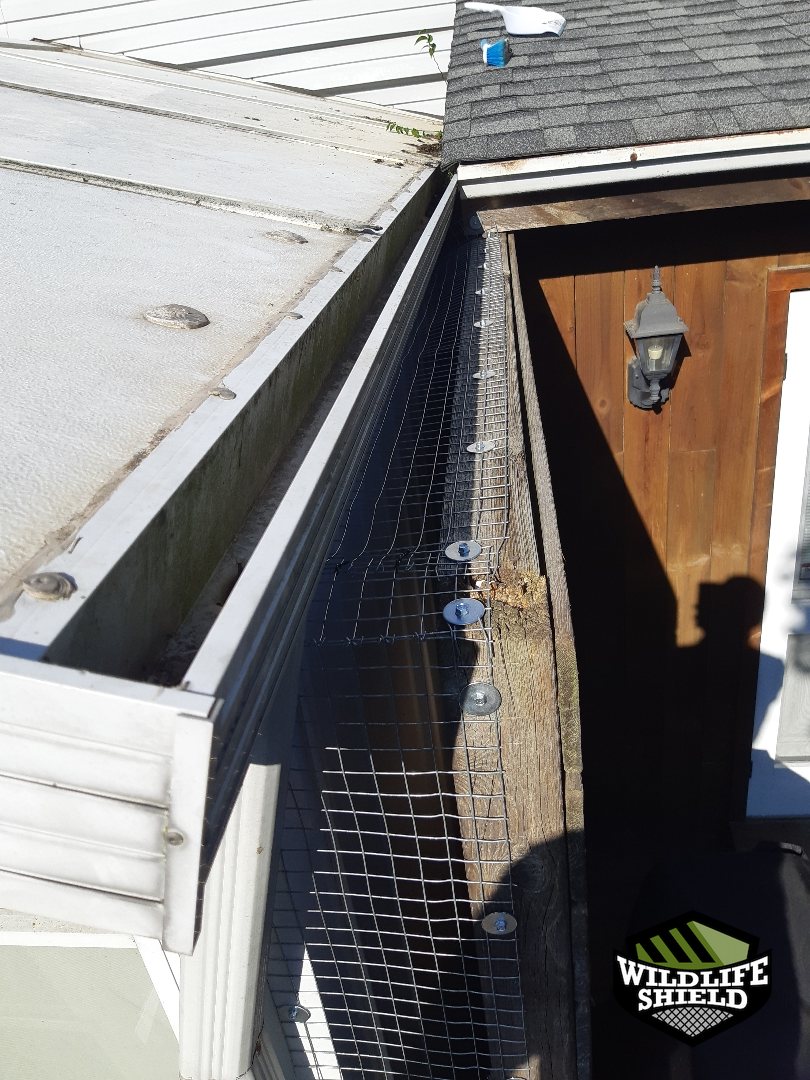
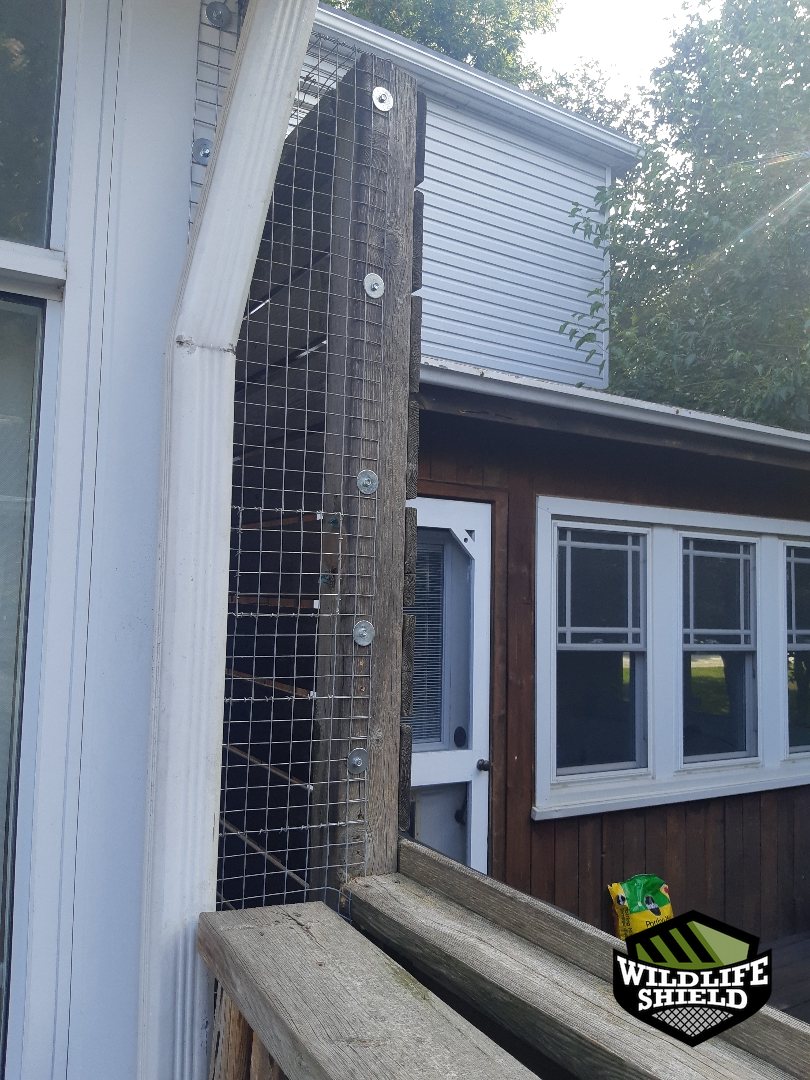
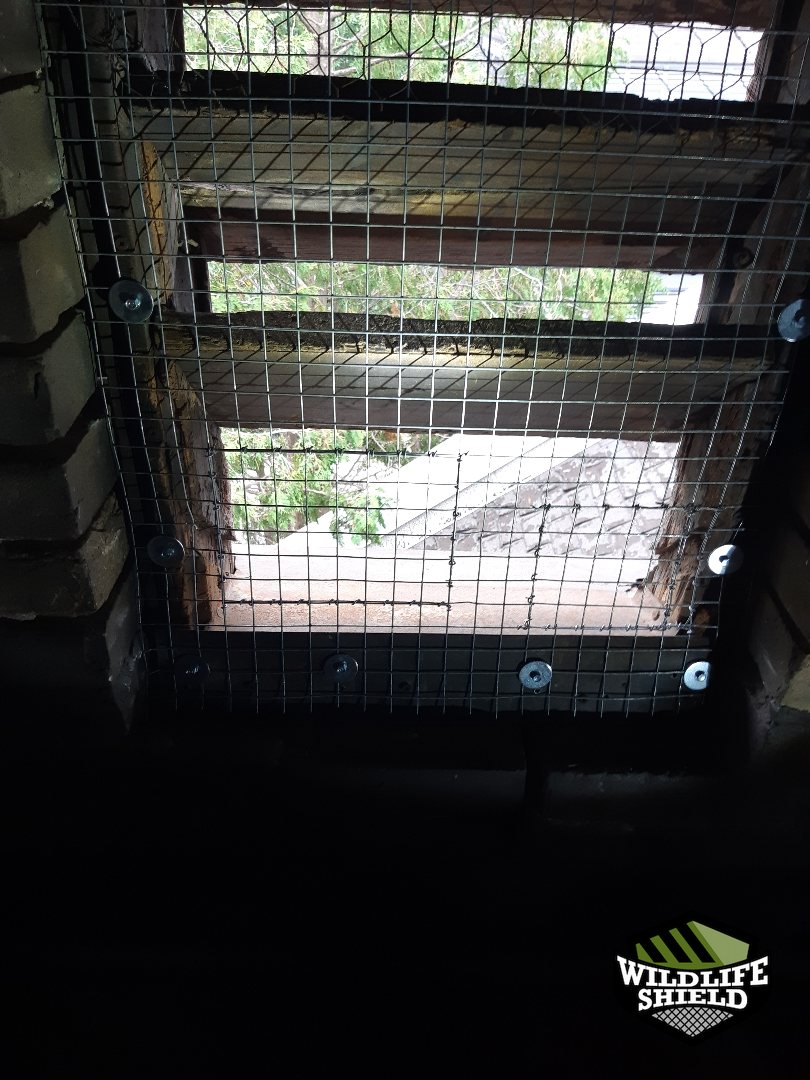
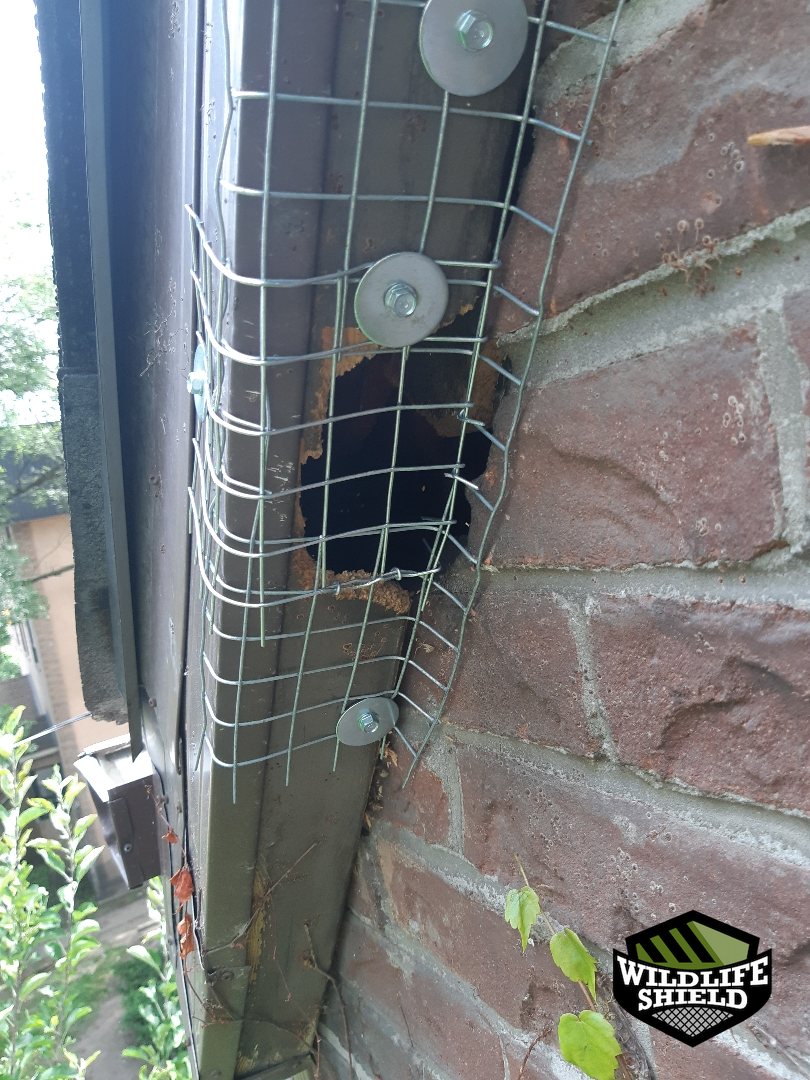
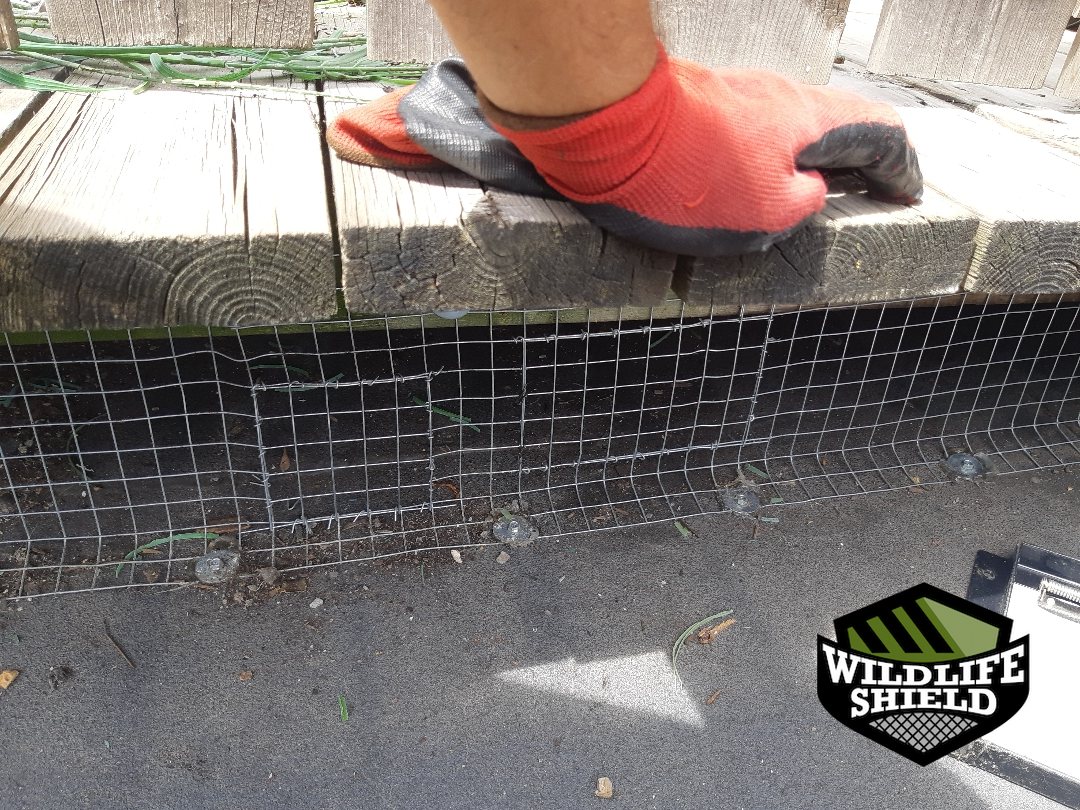
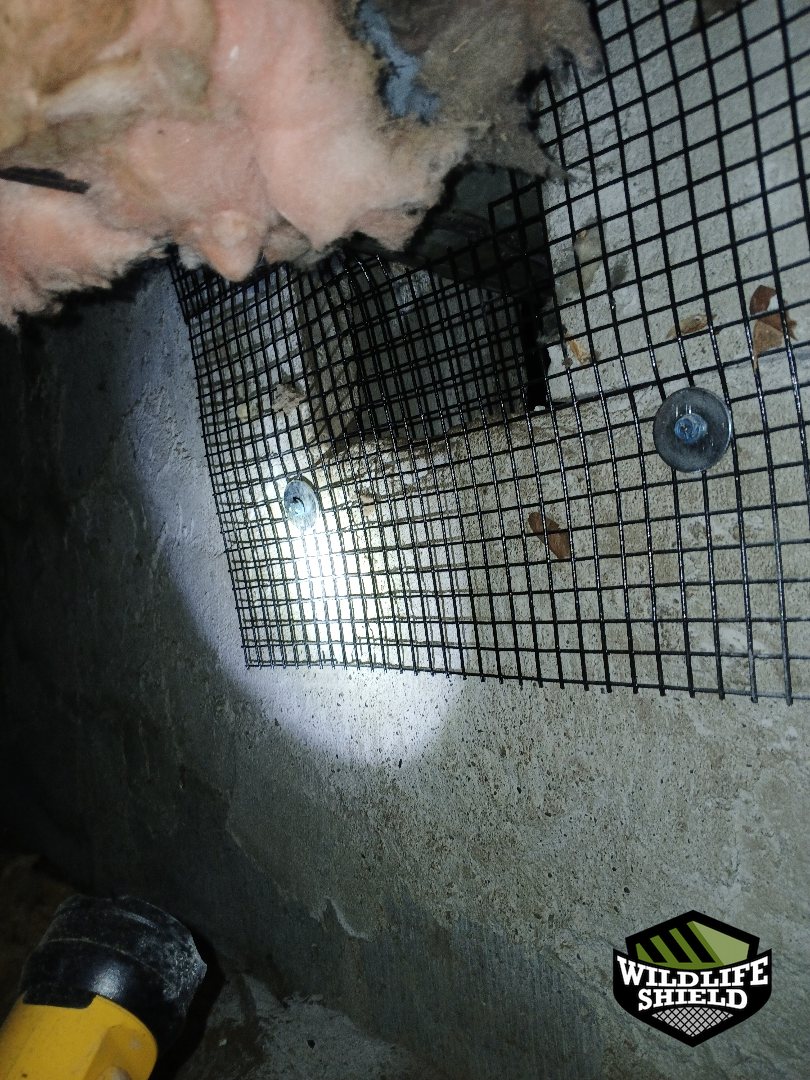
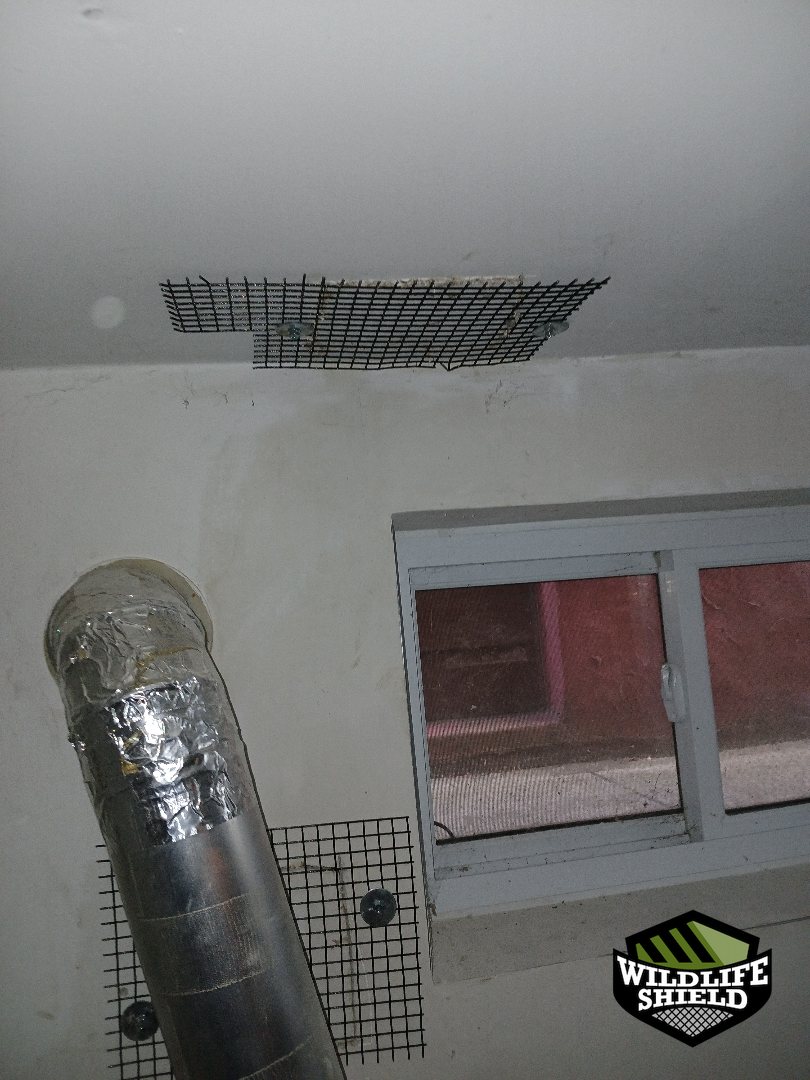
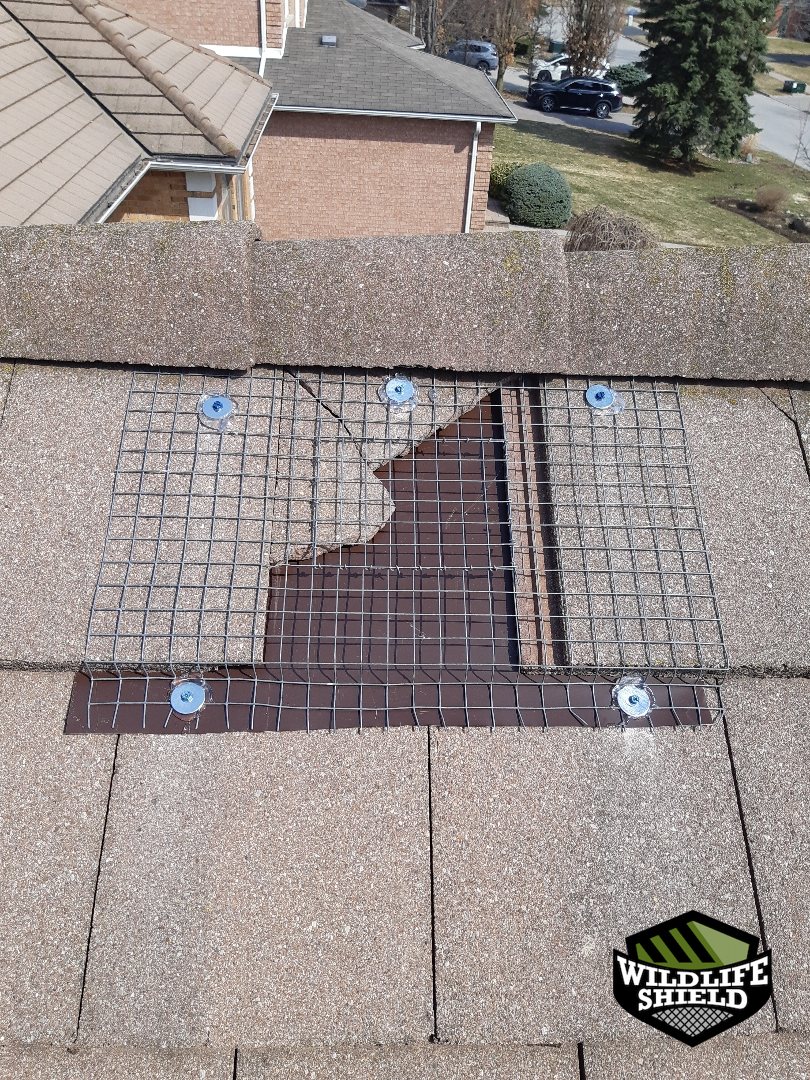
- An additional roof opening reinforced with galvanized steel mesh.
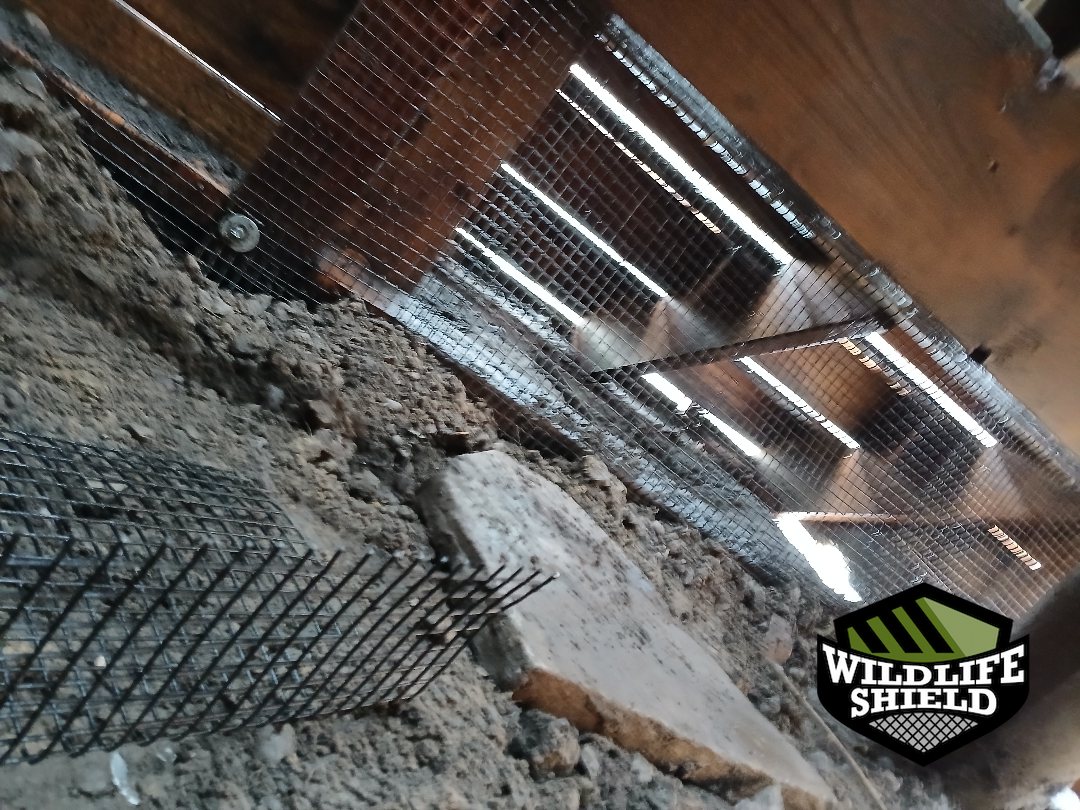
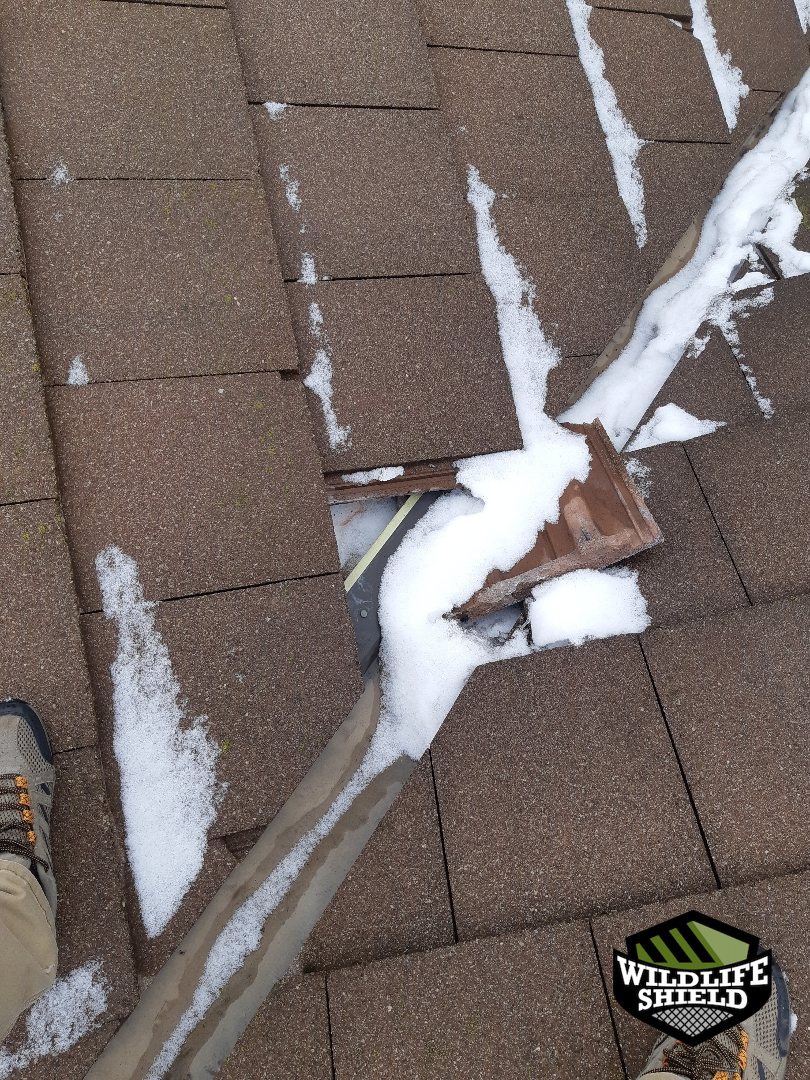
- Metal flashing and exclusion materials installed beneath the roof tiles to strengthen the repaired area.
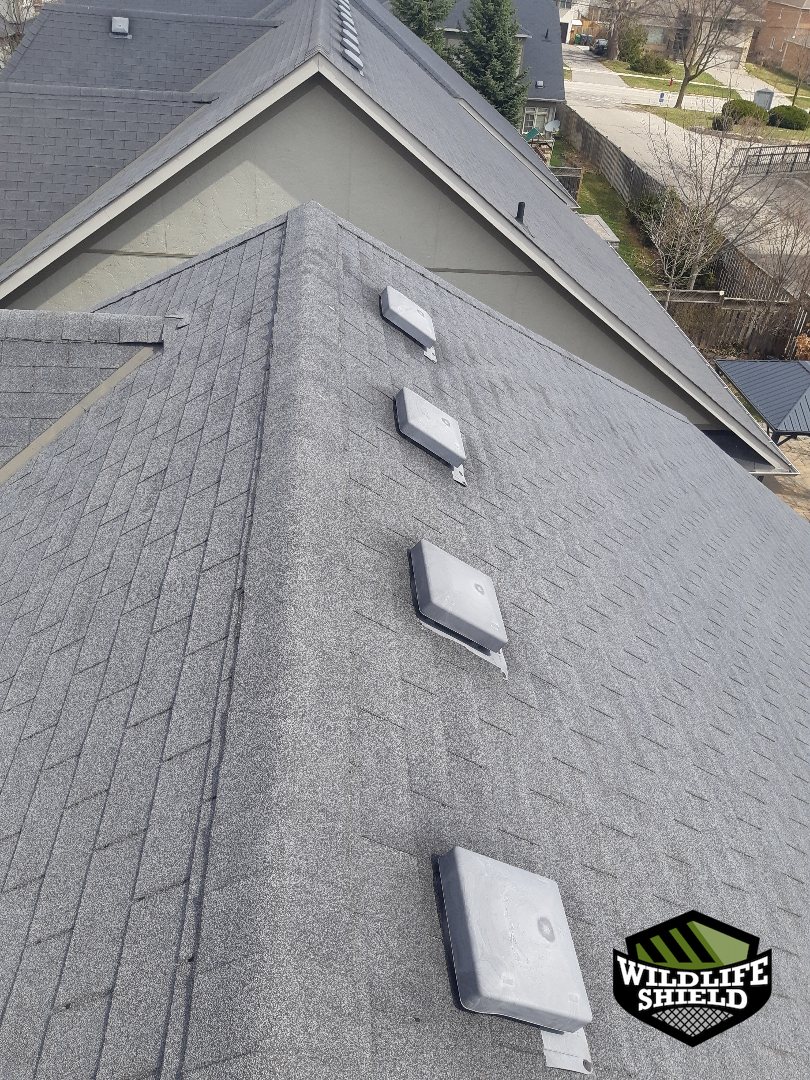
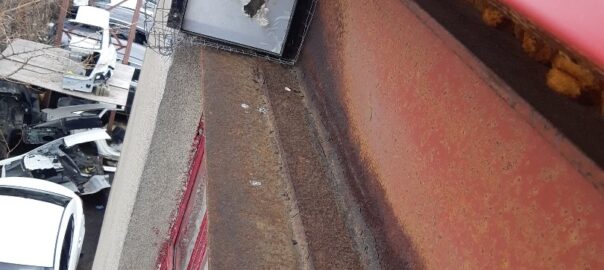
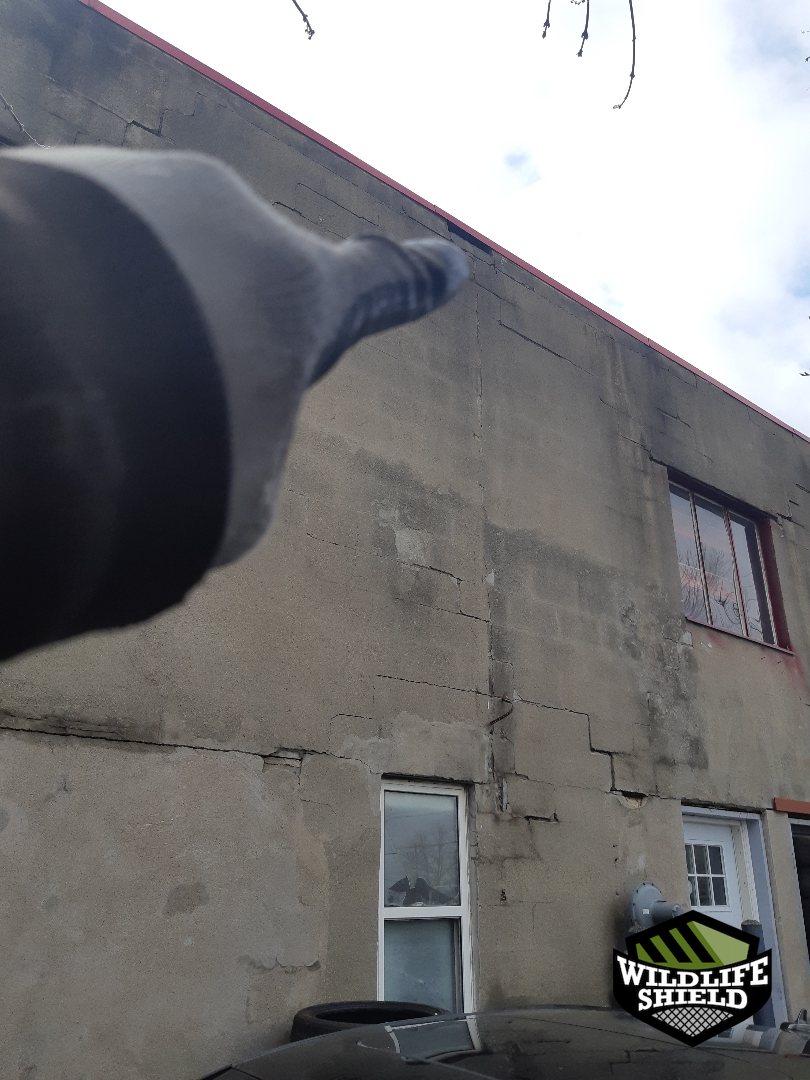
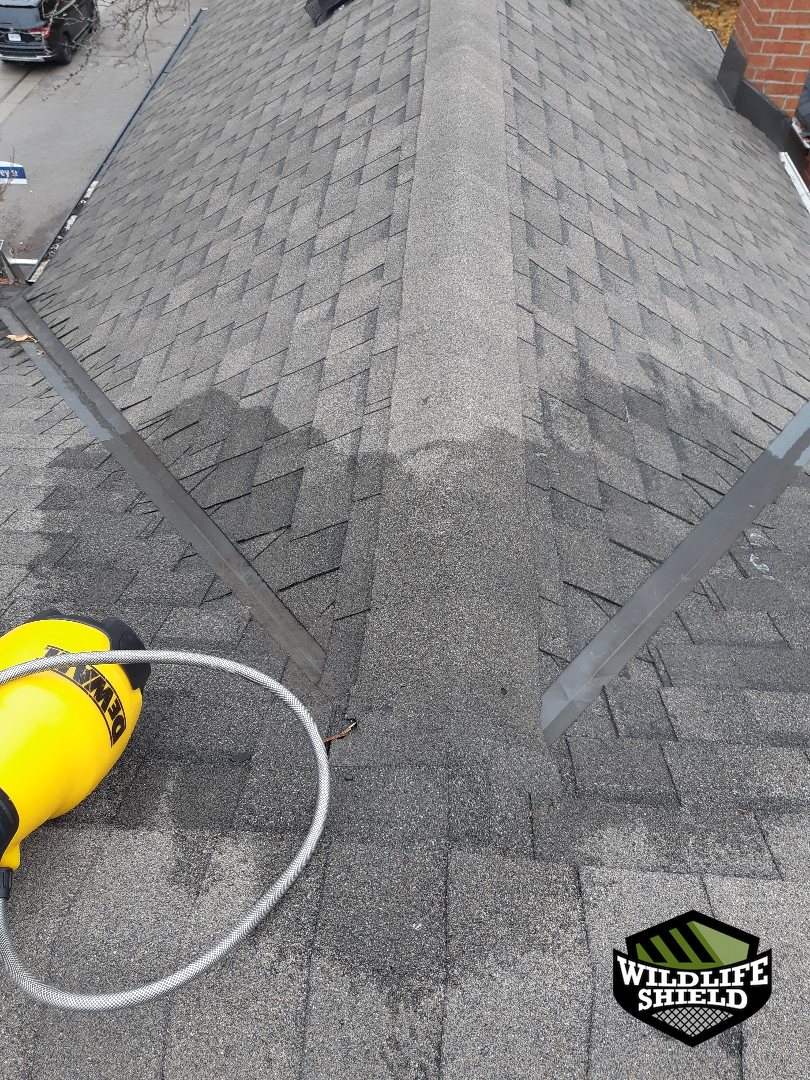
- Overview images of the clay tile roof showing the locations of the completed exclusion work.
Cause Analysis
Clay tile roofing systems can develop entry points when individual tiles become damaged or displaced over time. Raccoons are capable of enlarging these openings to gain access to attic spaces that provide shelter and protection. Securing damaged sections with durable exclusion materials helps prevent future access while maintaining the integrity of the roof.
Treatment / Removal
During the first visit, Ardian confirmed the active entry point and completed humane removal procedures.
Work included:
- Inspection of the attic for raccoon babies, with none located.
- Installation of a one-way door to allow the adult raccoon to exit safely.
- Sealing of one additional roof entry point using galvanized steel mesh to prevent further access while the removal process was underway.
Exclusion & Repairs
Once the raccoon had vacated the attic, our team returned to remove the one-way door and permanently secure the primary entry point. The completed repair incorporated galvanized steel mesh and protective flashing beneath the roof tiles to reinforce the damaged area while preserving the roof’s function.
Outcome & Confirmation
During the final visit, the homeowner reported no further sounds or signs of raccoon activity in the attic. The one-way door was removed, all completed exclusion work was inspected, and the repaired roof entry points were confirmed to be secure.
Technician Notes
Ardian completed a thorough inspection of the clay tile roof and attic before beginning humane removal procedures. No raccoon babies were present, allowing the one-way door system to be used safely. Additional vulnerable roof openings were reinforced during the initial visit to reduce the likelihood of future wildlife entry.